Ranikhet
"A soldier jogging the perimeter of the golf course at dawn nodded at me like I was late for something, and I still don't know what."
A quiet colonial-era cantonment hill station in Kumaon, still run in part by the army, with a pine-scented golf course and long Himalayan views.

Ranikhet doesn’t try very hard to impress you, which after a few overcrowded hill stations was exactly what Lia and I needed. It’s a Kumaon Regiment cantonment town, still administered largely by the Indian Army, and that shows in everything — the clipped hedges, the whitewashed stone bungalows with tin roofs, the almost eerie quiet at ten at night when most Indian hill towns are still humming. We stayed in a converted colonial guesthouse with a fireplace that actually worked, and I remember waking up to the sound of a bugle from somewhere on the cantonment grounds, which felt like being dropped into a different century.
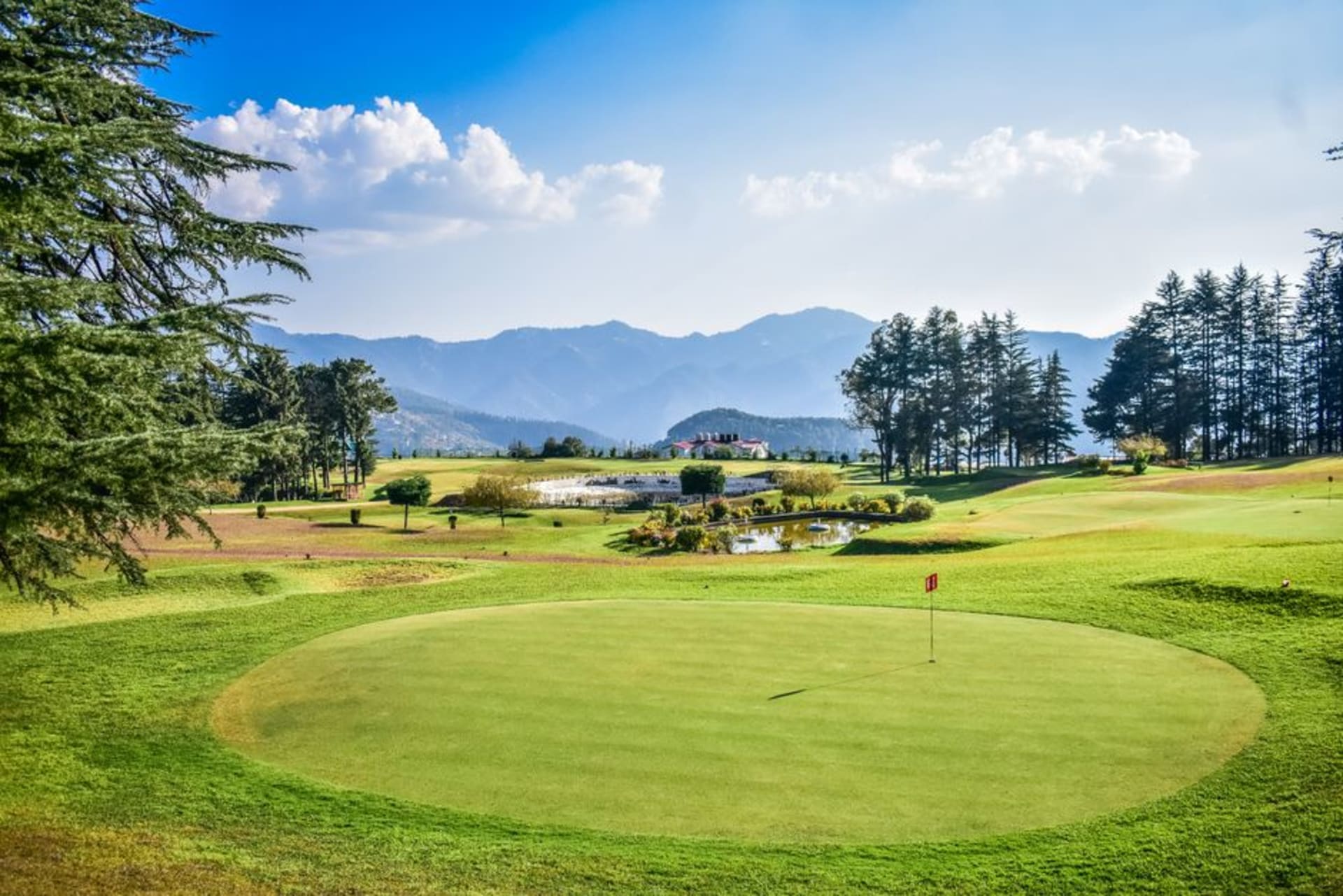
The Upat golf course is the thing everyone mentions, and it earns it. Laid out among tall chir pines at over 1,800 meters, it’s one of the highest and, by most accounts, most scenic courses in India, though I say that as someone who has never once played a full round of golf. We walked the perimeter instead, the air sharp with pine resin, and got a clean view of the Nanda Devi and Trishul ranges through gaps in the trees that I hadn’t managed anywhere else in Kumaon — no haze, no crowd, just snow standing very far away and very white against a hard blue sky.

What I liked most, though, wasn’t the golf course or the view, it was how ordinary the town felt to live in for two days. There’s an army museum, the Kumaon Regimental Centre, with rows of medals and old rifles and a slightly odd taxidermied bear that Lia found more amusing than solemn. There’s a market street selling apples from local orchards, wool shawls, and not much else aimed at tourists. We ate lunch at a small dhaba near the mall road where the owner’s son was doing homework at the next table, and nobody tried to sell us a package tour of anything. It’s the most unhurried place I’ve been in Uttarakhand.

We also drove out to Chaubatia orchards just outside town, apple and apricot trees in neat rows climbing the hillside, and to a small Kali temple with a panoramic viewpoint that the locals seemed to visit more for the view than for worship, judging by how many people were just sitting on the wall taking photos of the peaks. Ranikhet isn’t a place with a single must-see thing. It’s a place to slow your pulse down for a couple of days, which after Nainital’s traffic felt like exactly the right medicine.
When to go: March to June for clear mountain views and orchard blossoms, or September to November for crisp post-monsoon air; avoid peak monsoon (July-August) when cloud cover hides the Himalayan panorama entirely.
Keep exploring
More from Uttarakhand
 uttarakhand
 Rishikesh
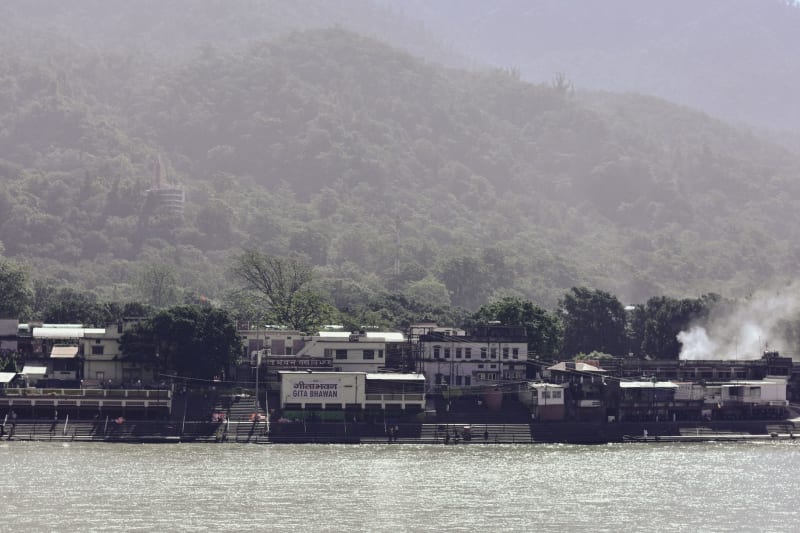
Where the Ganges cuts through forested hills and every suspension bridge above it vibrates with the combined weight of pilgrims, backpackers, and the permanently bewildered.
Explore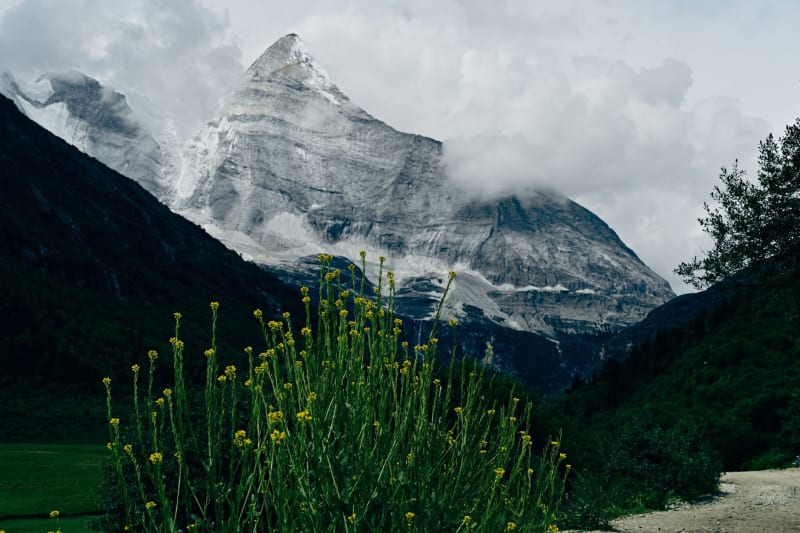 uttarakhand
 Valley of Flowers
A UNESCO World Heritage glacial valley in the high Garhwal Himalaya that blooms into an almost hallucinatory carpet of alpine wildflowers for ten weeks each summer, at 3,500 meters and completely inaccessible by road.
Explore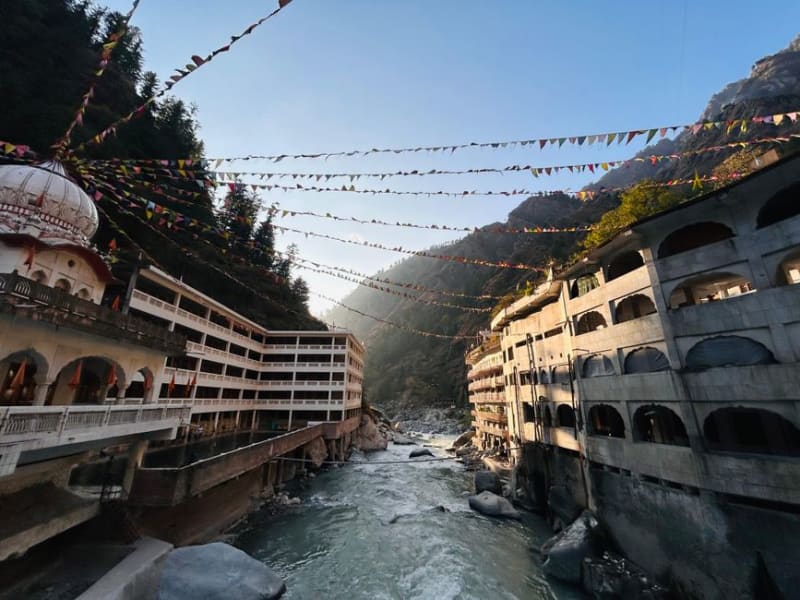 uttarakhand
 Yamunotri
A remote Himalayan temple town at the source of the Yamuna River, reachable only on foot up a steep, mule-worn mountain trail.
Explore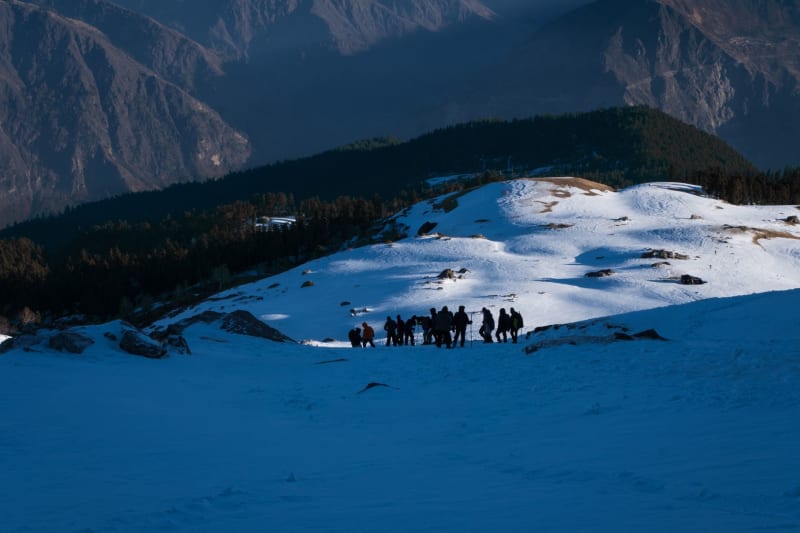 uttarakhand
 Auli
A ski slope carved into an oak and rhododendron forest at 2,500 meters, with an unbroken Himalayan panorama that includes Nanda Devi, and snow conditions that hold long after the season most people expect.
Explore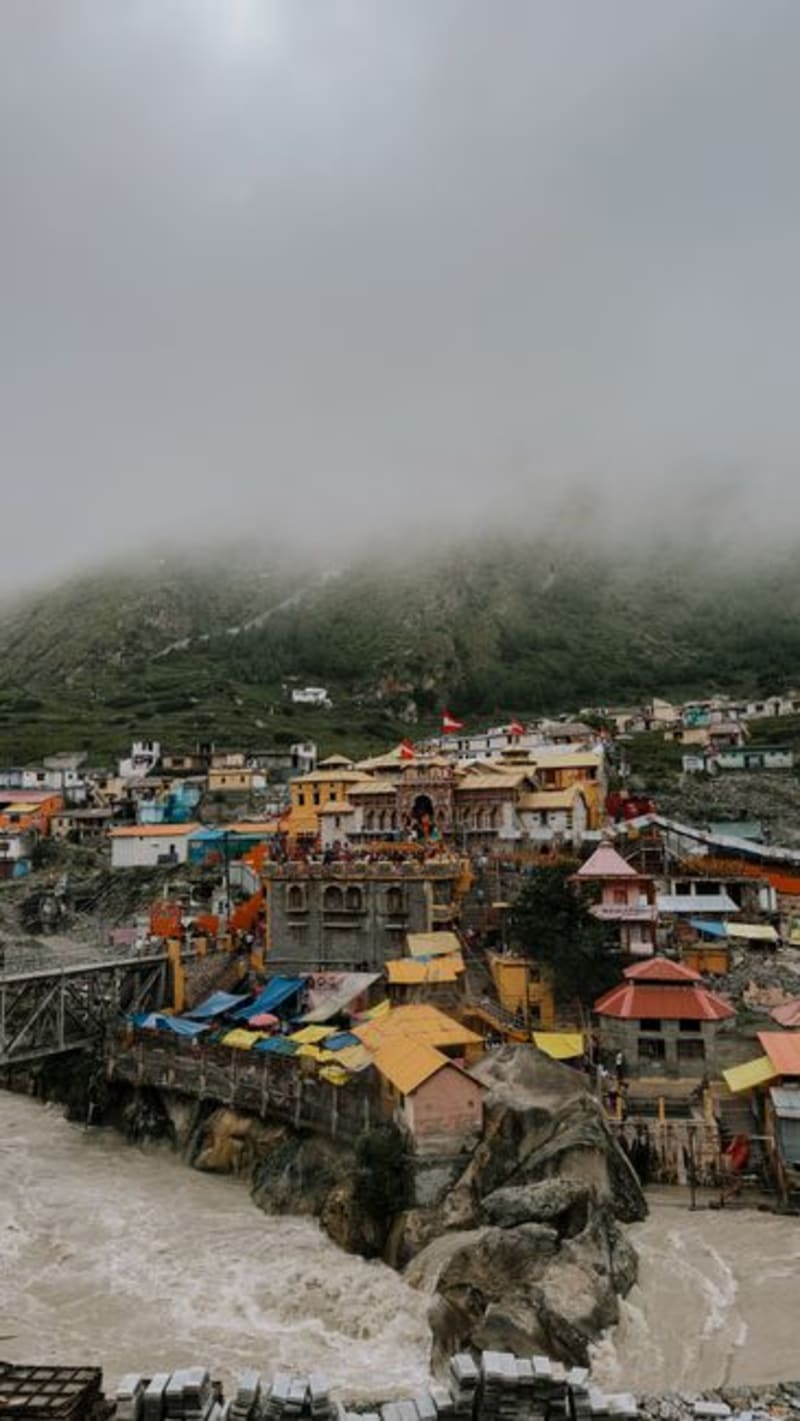 uttarakhand
 Badrinath
A high-altitude temple town on the Alaknanda where the mountains, the pilgrims, and the steam off a hot spring all feel like part of the same ritual.
Explore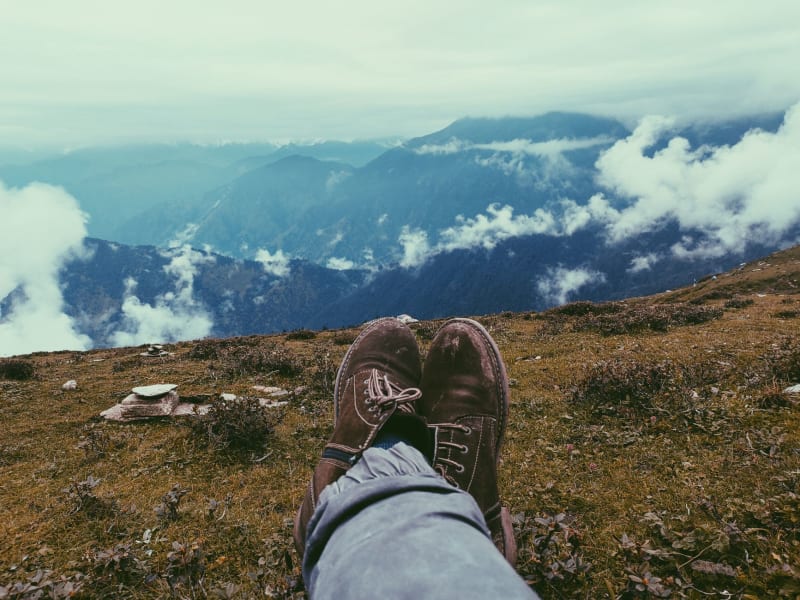 uttarakhand
 Chopta
A narrow strip of forest road at 2,680 meters in Kedarnath Wildlife Sanctuary, where rhododendrons turn the ridgeline red in spring and the trail to Tungnath — the world's highest Shiva temple — begins in silence.
Explore