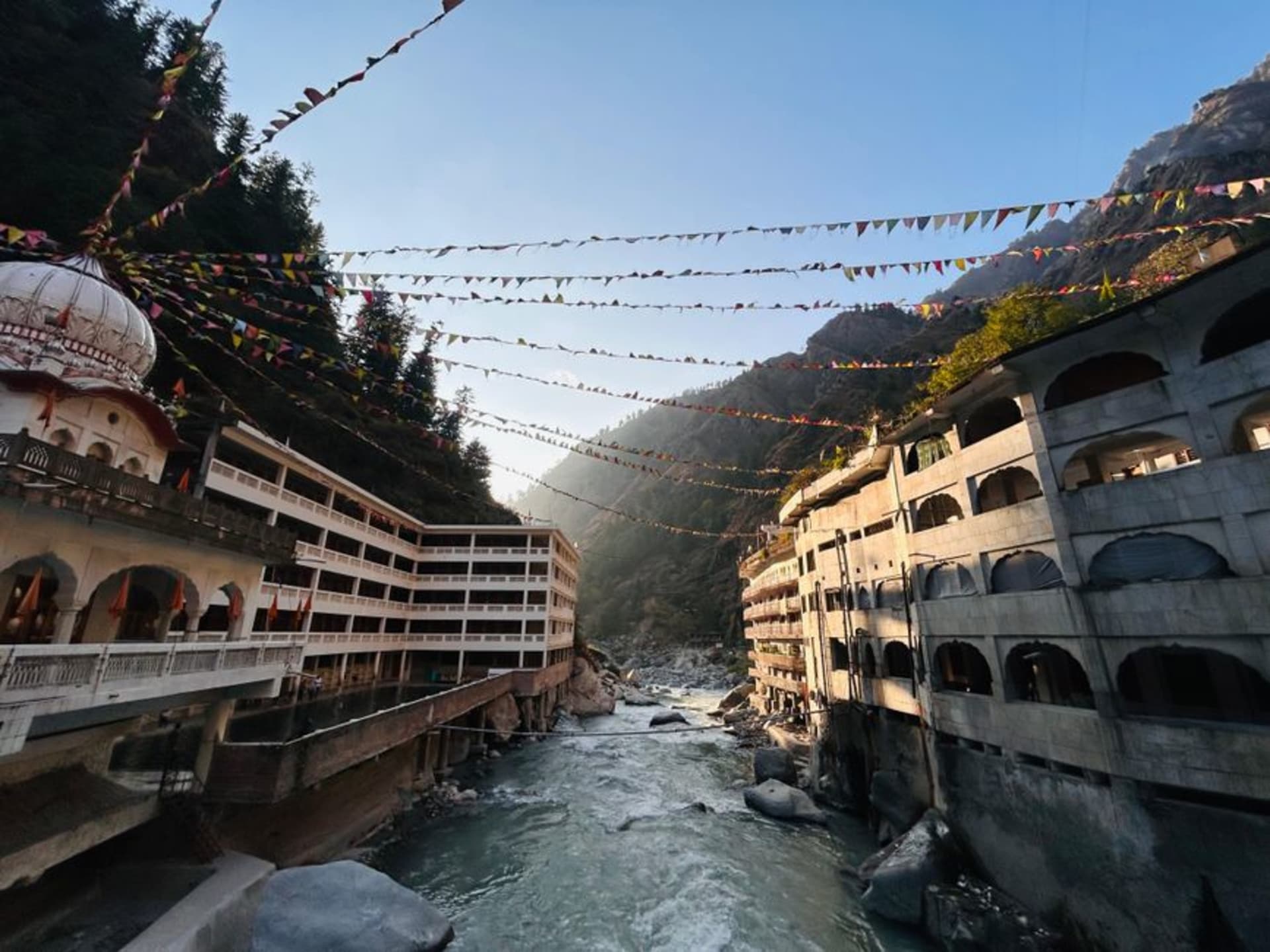
Yamunotri
"Somewhere around the fourth kilometer of that climb I stopped pretending to Lia that I was fine and just asked for a rest."
A remote Himalayan temple town at the source of the Yamuna River, reachable only on foot up a steep, mule-worn mountain trail.

Of all the Char Dham sites, Yamunotri is the one that actually made me work for it. There’s no road anywhere near the temple — you park, or your jeep drops you, in a village called Jankichatti, and from there it’s about six kilometers straight up a stone-paved trail that pilgrims have been walking, riding mules on, or being carried up in baskets for a very long time. Lia and I decided to walk it, partly out of pride and partly because the ponies looked more stressed than we felt. I regretted the decision by kilometer three and was glad of it by kilometer six, which is roughly how every hard hike goes.
The trail follows the Yamuna gorge the whole way, tight and green, waterfalls cutting across the path in a couple of spots so you’re stepping over spray-slicked rock with a drop on one side. What surprised me was the traffic on it — not tourists, pilgrims, hundreds of them, many older than my parents, some barefoot, moving at a pace that put our hiking boots to shame. A porter carrying an elderly woman in a woven basket on his back overtook us twice. I have never felt more like a tourist in a place that wasn’t built for tourists.

The temple itself sits at just over 3,200 meters, a modest structure rebuilt more than once after avalanches, next to the genuinely strange sight of Surya Kund — a natural hot spring boiling right beside glacial meltwater. Pilgrims boil potatoes and rice in cloth bags dipped into the spring as an offering, then eat them as prasad. Lia tried some rice pulled straight from the kund, pronounced it perfectly cooked, and looked entirely too pleased with herself about it. I dipped a hand in Surya Kund and pulled it back fast; the water is close to boiling in places, right next to a stream cold enough to numb your feet in seconds. That contrast, more than the temple, is what I think about when I remember Yamunotri.

We stayed the night in Jankichatti rather than push back down the same day, in a guesthouse room with a space heater that worked about half the time. Dinner was hot maggi noodles and over-sweet chai from a stall run by a woman who’d clearly seen a thousand exhausted trekkers before us and knew exactly what we needed without us saying much. Coming back down the next morning was almost harder than going up — my knees remember it more than my lungs do.
When to go: The trail and temple open from roughly May to the second week of November, weather permitting; go in May-June or September-October to avoid both monsoon landslides and the coldest early-season snow.
Keep exploring
More from Uttarakhand
 uttarakhand
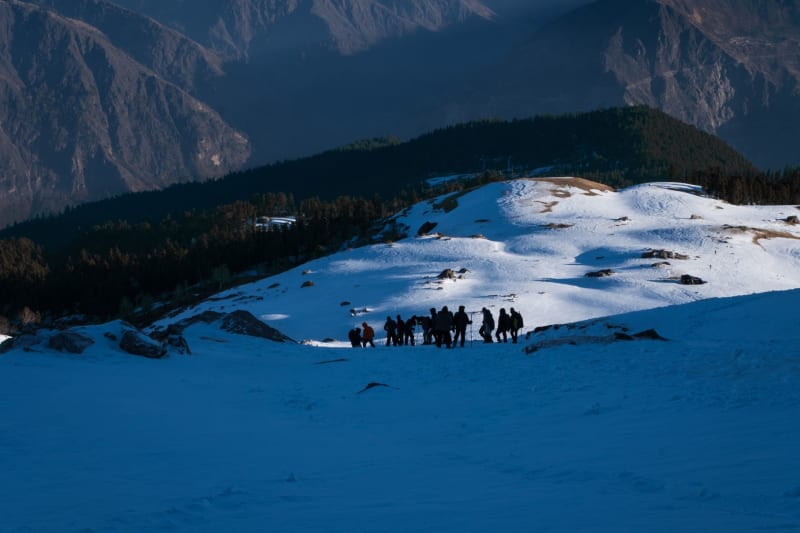
Auli
A ski slope carved into an oak and rhododendron forest at 2,500 meters, with an unbroken Himalayan panorama that includes Nanda Devi, and snow conditions that hold long after the season most people expect.
Explore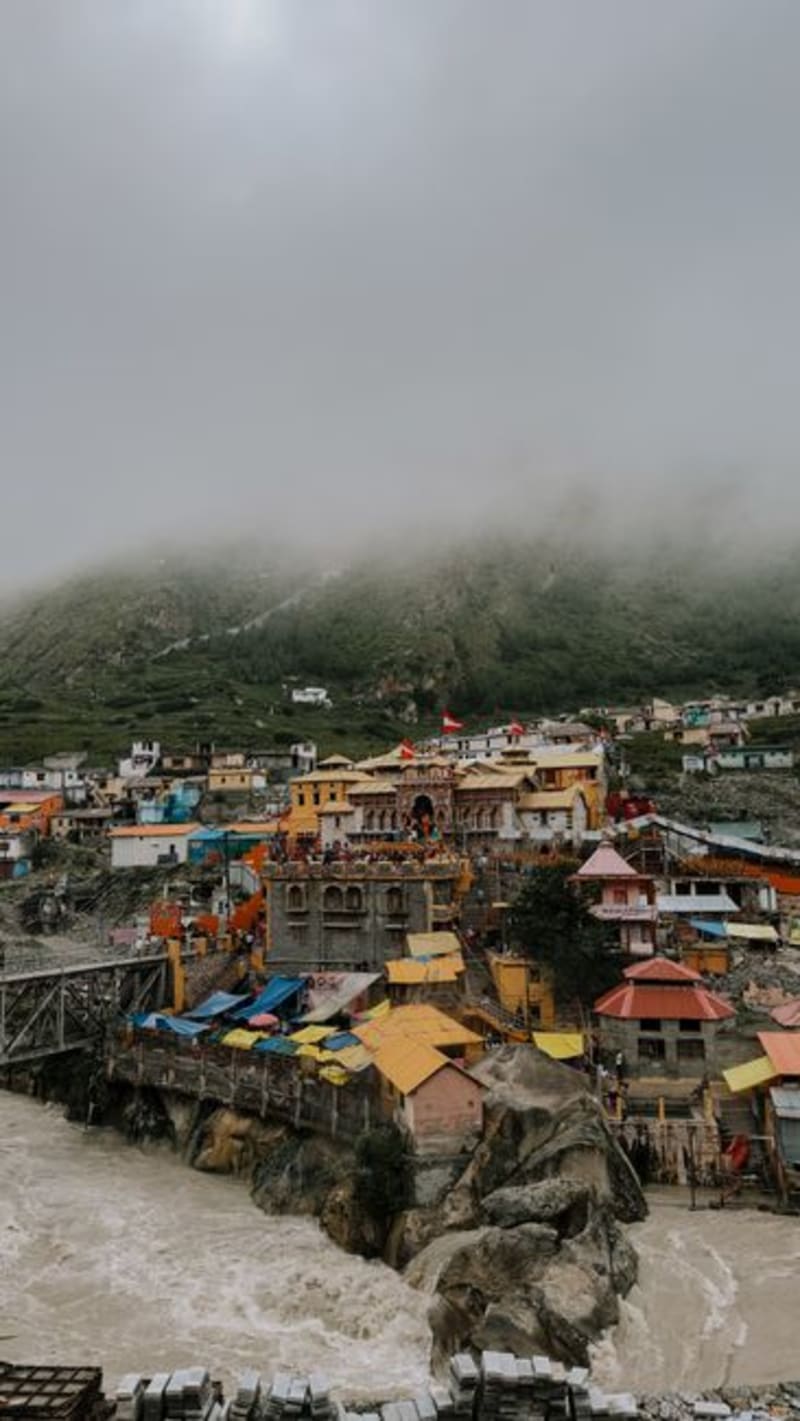 uttarakhand
Badrinath
A high-altitude temple town on the Alaknanda where the mountains, the pilgrims, and the steam off a hot spring all feel like part of the same ritual.
Explore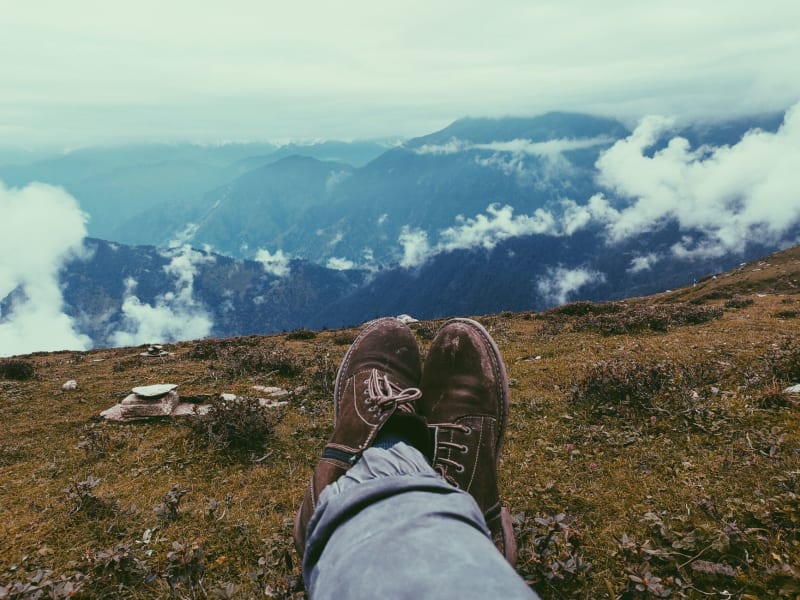 uttarakhand
Chopta
A narrow strip of forest road at 2,680 meters in Kedarnath Wildlife Sanctuary, where rhododendrons turn the ridgeline red in spring and the trail to Tungnath — the world's highest Shiva temple — begins in silence.
Explore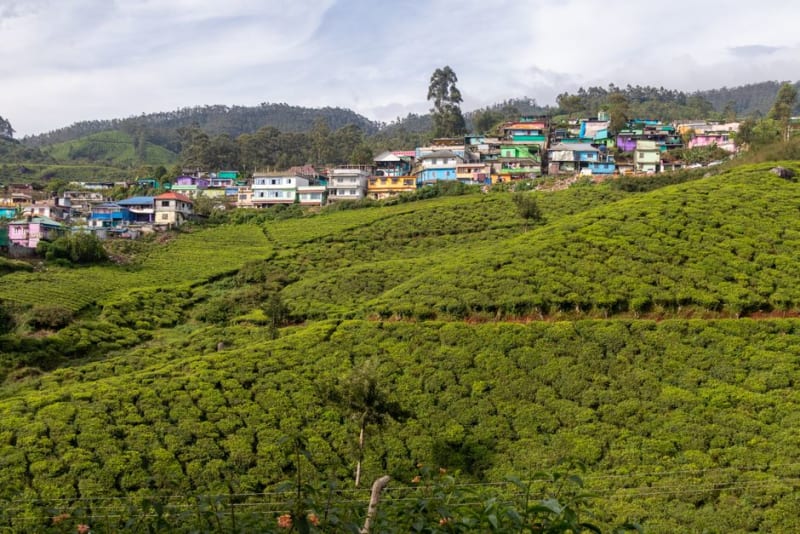 uttarakhand
Dehradun
Uttarakhand's valley capital, wedged between the Himalayan foothills and the Shivaliks, and gateway to the Doon Valley's tea estates.
Explore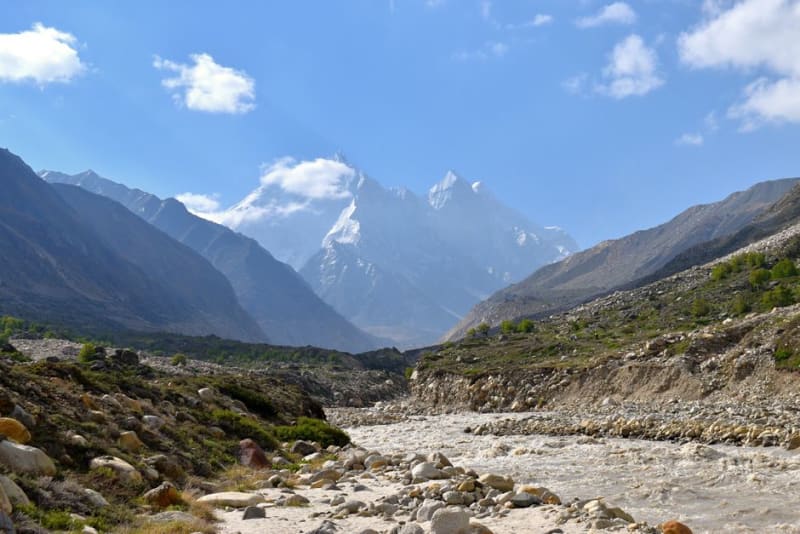 uttarakhand
Gangotri
A high-altitude pilgrimage town in the Garhwal Himalayas where the Ganges begins its journey, wrapped in incense smoke and glacial cold.
Explore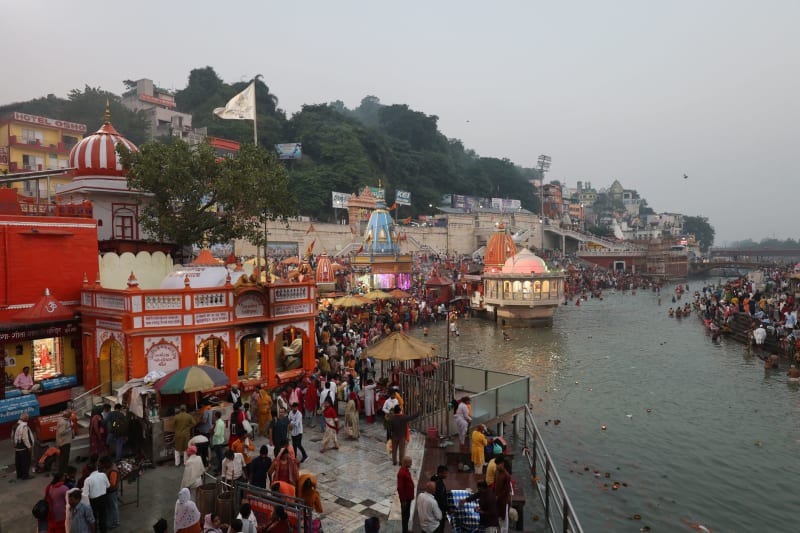 uttarakhand
Haridwar
The gateway where the Ganges finally leaves the Himalayas and enters the plains, and where the evening fire ceremony on the river has been performed every single day for centuries without interruption.
Explore