
Auli
"You ski toward one of the great mountain walls on earth. That does something to your sense of proportion."
A ski slope carved into an oak and rhododendron forest at 2,500 meters, with an unbroken Himalayan panorama that includes Nanda Devi, and snow conditions that hold long after the season most people expect.

I reached Auli by cable car from Joshimath, which is the only sensible way to approach a ski resort perched at 2,519 meters. The gondola runs four kilometers and rises steadily past oak and rhododendron forest that was just beginning to show the first red-orange leaves of October when I visited, the season not yet arrived but the mountain already preparing itself. At the top station, the view opened without warning: Nanda Devi, 7,816 meters and the second highest peak in India, sitting directly ahead like a fact you hadn’t previously considered.
Auli is not Chamonix. I want to be clear about this, not dismissively, but honestly. There are twelve kilometers of marked runs, the lifts are a combination of rope tows and chair lifts, and the infrastructure has the pleasantly improvised quality of a ski resort still working out who it’s for. The artificial snow system — Asia’s largest, the signs announce proudly — supplements a snowfall that varies considerably year to year. None of this is a problem if you arrive with calibrated expectations. What Auli has that essentially no other ski resort on earth has is that view.
Skiing With Nanda Devi Watching
The main run drops about 500 vertical meters through forest with the Himalayan chain as a continuous backdrop. I skied it a dozen times over two days and did not get tired of looking up. The snow in February, when I returned for a longer trip, was better than October’s artificial approximation — deep and cold in the upper sections, softening pleasantly by midday on the south-facing lower slopes. The ski school instructors are patient and don’t make you feel foolish for falling repeatedly on the same section of intermediate terrain.
The Bugyal Meadows in Summer
Auli’s second season — which receives considerably less attention from foreign visitors — runs from May through June, when the alpine meadows called bugyals carpet the slopes in wildflowers at their most improbable density. The skiing is gone but the cable car still runs and the walk through the meadows above the treeline, with the same panorama of Garhwal peaks, requires nothing more than comfortable shoes and the willingness to move slowly. I met a family from Bangalore who came every May and had no interest in skiing whatsoever.
Joshimath Below
Staying in Joshimath rather than Auli itself saves money and provides a connection to a real town rather than a ski village. Joshimath has a market, a decent handful of restaurants serving Garhwali thalis, and a temple to Adi Shankaracharya who reportedly spent winters here. It’s also the staging point for the Char Dham pilgrimage routes and gets genuinely busy in May–June as a result. The cable car ride each morning becomes something I looked forward to — twenty minutes of forest and rising altitude before the mountain opens up.
Reaching Auli
The road from Rishikesh to Joshimath runs about 250 kilometers through increasingly dramatic terrain, taking somewhere between six and eight hours depending on road conditions and season. The drive through the Alaknanda Valley, past Devprayag where two rivers merge and the combined stream turns opaque green, is genuinely beautiful. Alternatively, a helicopter service connects Dehradun to Auli in winter for those with budget to spare.
When to go: January through March for skiing, with February typically the most reliable snow month. May and June for the flower meadows and clear mountain views before the monsoon. Avoid July and August when landslides make the access road hazardous. The cable car operates year-round except for maintenance closures — confirm before planning around it.
Keep exploring
More from Uttarakhand
 uttarakhand
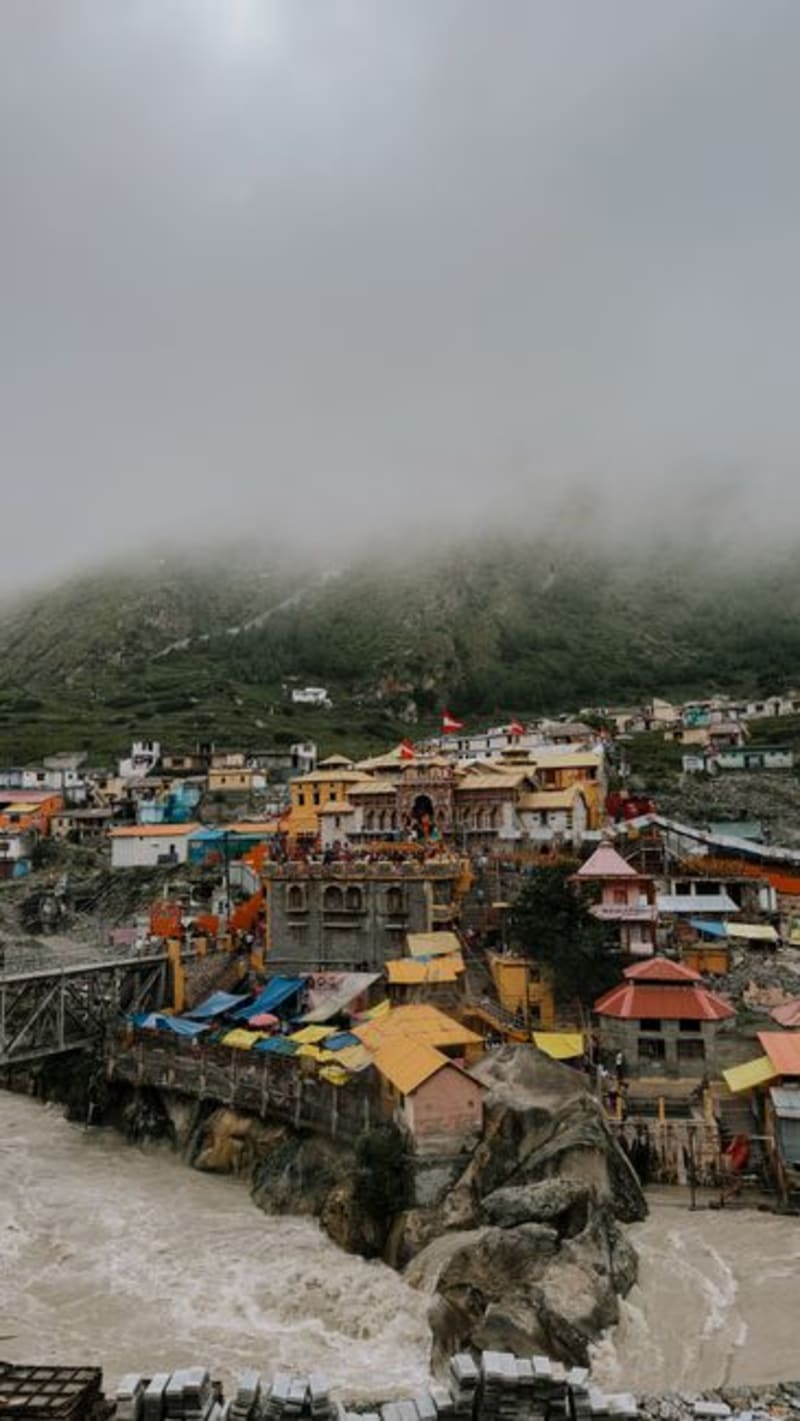
 Badrinath
A high-altitude temple town on the Alaknanda where the mountains, the pilgrims, and the steam off a hot spring all feel like part of the same ritual.
Explore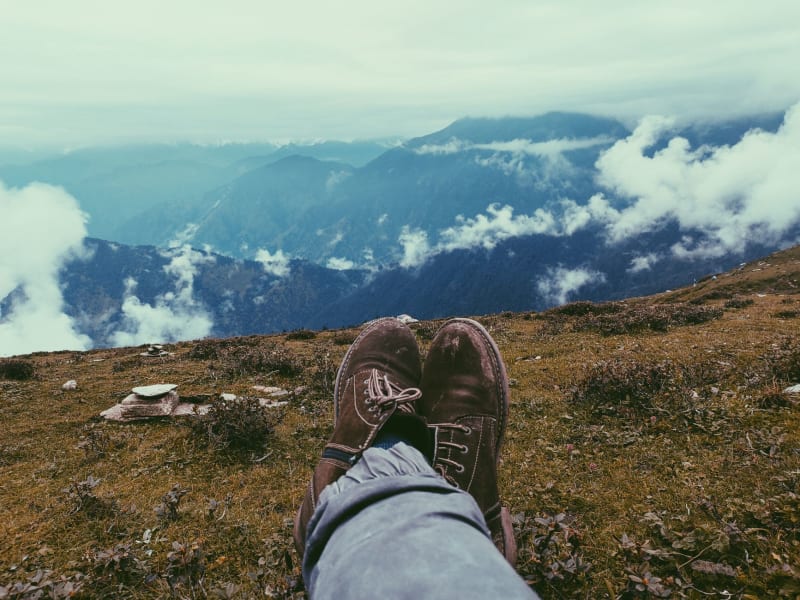 uttarakhand
 Chopta
A narrow strip of forest road at 2,680 meters in Kedarnath Wildlife Sanctuary, where rhododendrons turn the ridgeline red in spring and the trail to Tungnath — the world's highest Shiva temple — begins in silence.
Explore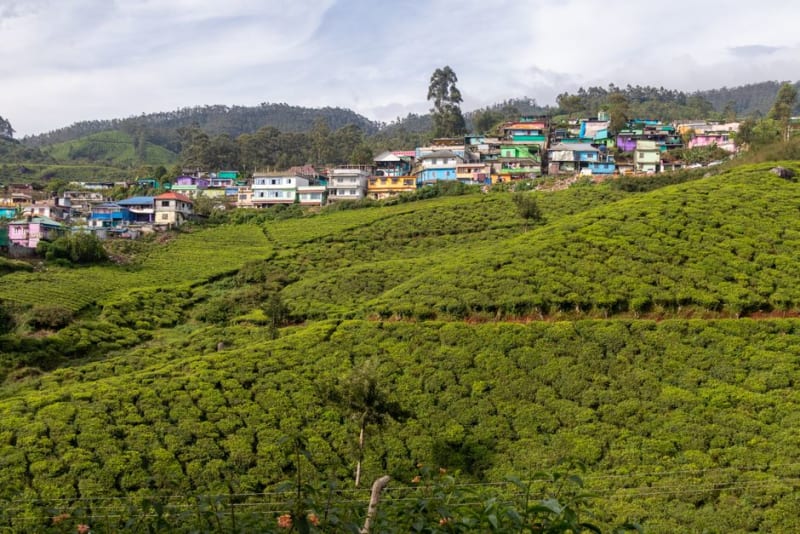 uttarakhand
 Dehradun
Uttarakhand's valley capital, wedged between the Himalayan foothills and the Shivaliks, and gateway to the Doon Valley's tea estates.
Explore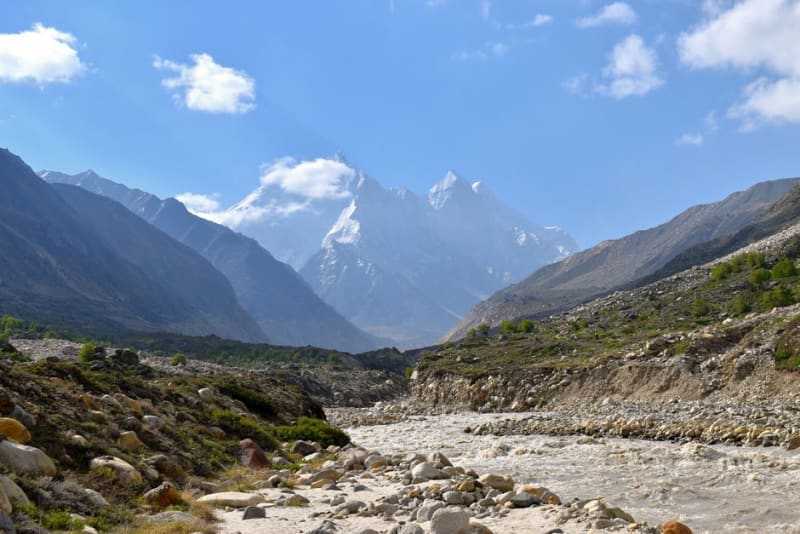 uttarakhand
 Gangotri
A high-altitude pilgrimage town in the Garhwal Himalayas where the Ganges begins its journey, wrapped in incense smoke and glacial cold.
Explore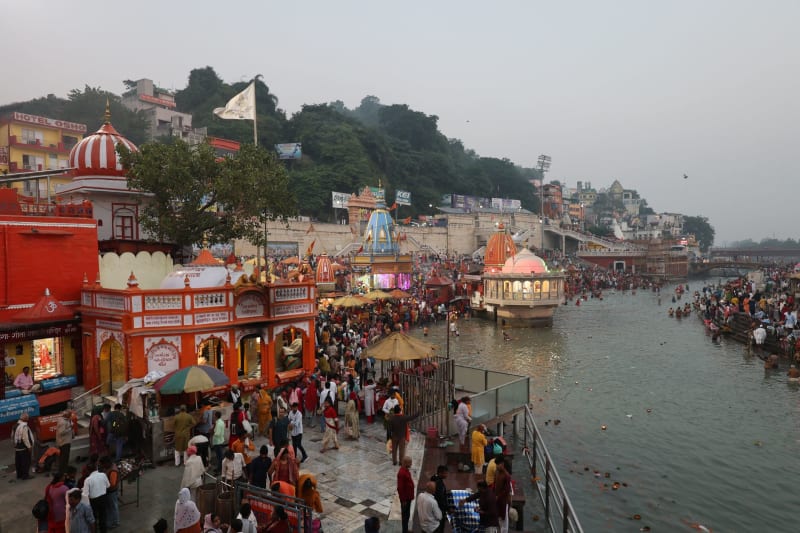 uttarakhand
 Haridwar
The gateway where the Ganges finally leaves the Himalayas and enters the plains, and where the evening fire ceremony on the river has been performed every single day for centuries without interruption.
Explore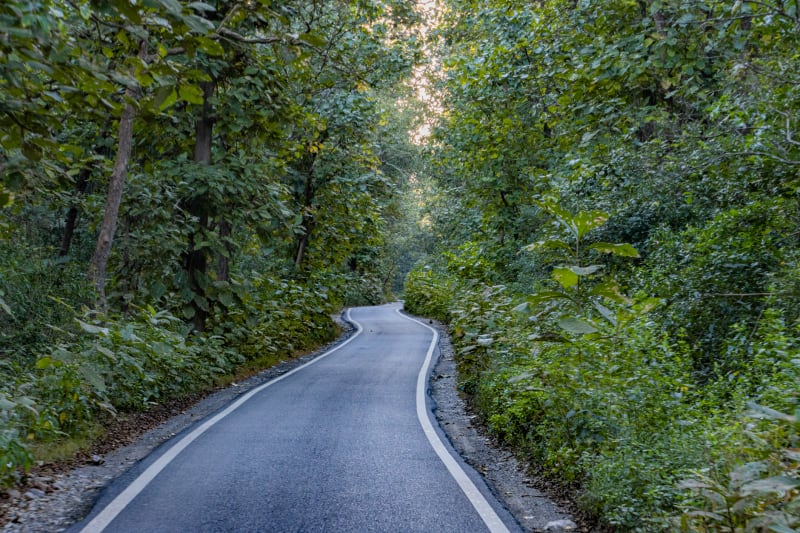 uttarakhand
 Jim Corbett National Park
India's oldest national park, where sal forests and river grasslands hold the country's most significant Bengal tiger population and every jeep track feels like a sentence that might end in something large.
Explore