Europe
Sweden
"The country that designs for living, not for showing off."
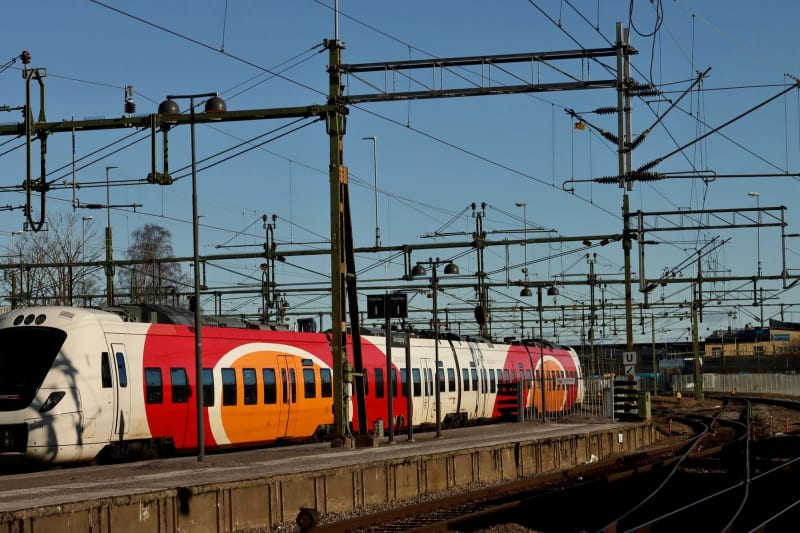
Sweden is a country that takes its pleasures seriously and its design more seriously still. Everything works — the trains, the coffee, the public spaces, the quiet assumption that beauty is a civic responsibility rather than a luxury. Stockholm alone makes the case: fourteen islands connected by bridges, with a medieval old town, world-class museums, and a food scene that swings between Michelin-starred innovation and the simple perfection of a cinnamon bun eaten on a harbor bench. But Stockholm is also the gateway to the archipelago — thirty thousand islands stretching into the Baltic, most of them uninhabited, reachable by ferries that feel like public buses to paradise.
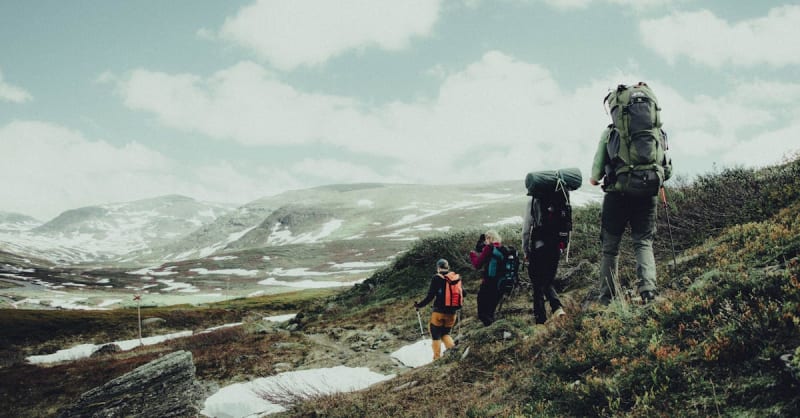
Beyond the capital, Sweden stretches north into something entirely different. Gothenburg, on the west coast, is the more relaxed second city — better seafood, a gentler pace, and the rocky Bohuslän coastline where Swedes spend their summers swimming from granite slabs. Dalarna, in the central heartland, is the Sweden of red wooden houses and midsummer celebrations and folk traditions that feel unbroken. And then there is Lapland, the Arctic north, which in winter becomes a landscape of frozen rivers and northern lights and a silence so complete it feels like sound. The Kungsleden trail, running through roadless mountain wilderness, is one of the great long-distance hikes in Europe — demanding not in difficulty but in solitude.
When to go: June to August for the midnight sun, swimming, and the archipelago at its finest. Late February to March for Lapland — cold but bright, with reliable northern lights and snow. Midsummer (late June) is the national holiday and worth building a trip around.
What most guides get wrong: They focus exclusively on Stockholm and skip the north entirely. Sweden is a vast country — the distance from Malmö to Kiruna is greater than London to Barcelona — and the landscapes shift from temperate coast to Arctic tundra. The fika culture (coffee and pastry, taken as ritual) is not a tourist curiosity but the key to understanding how Swedes structure their days. Participate. Slow down. Sweden rewards patience.
Explore
Places in Sweden
Abisko
A tiny Arctic village with the clearest skies in Sweden and a front-row seat to the northern lights.
Uppsala
Sweden's ancient royal and academic city holds Scandinavia's largest cathedral, a 16th-century castle, and the grave of Carl Linnaeus.
Dalarna
The heartland of Swedish tradition where red timber cottages dot a landscape of deep forests and mirror-still lakes.
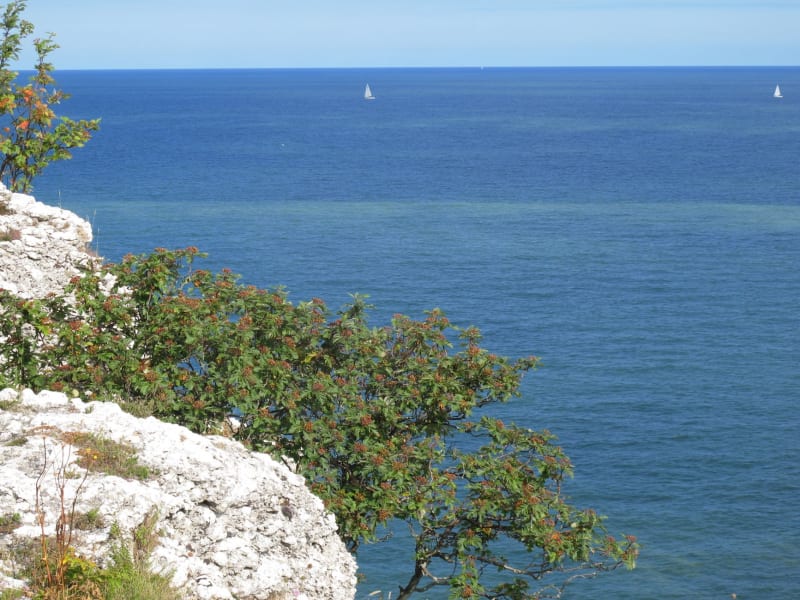
Gotland Fårö
Ingmar Bergman's island off northern Gotland with limestone sea stacks, empty beaches and a summer ferry queue.
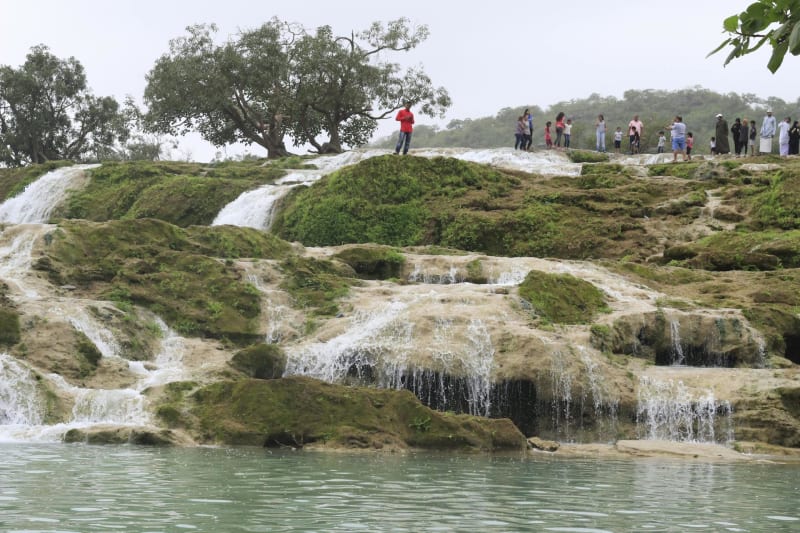
Gothenburg
Sweden's west coast capital where world-class seafood meets a creative spirit that Stockholm secretly envies.
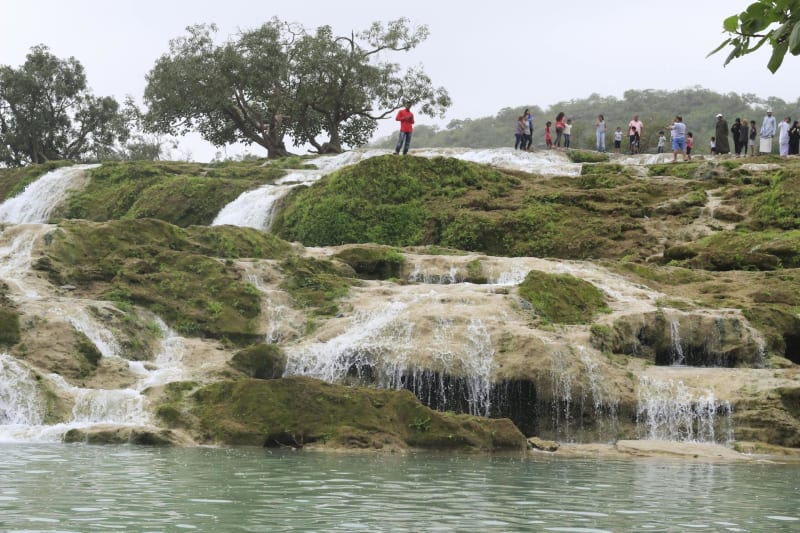
Gotland
A Baltic island of medieval ruins, limestone sea stacks, and summer light that draws all of Sweden to its shores.
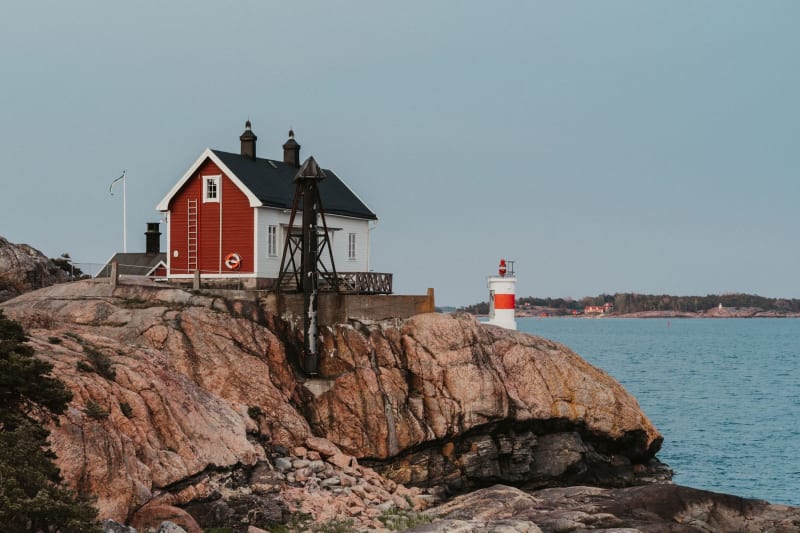
High Coast Sweden
A UNESCO world heritage coastline where the land is still rising from the last Ice Age, with dramatic fjord-like inlets.
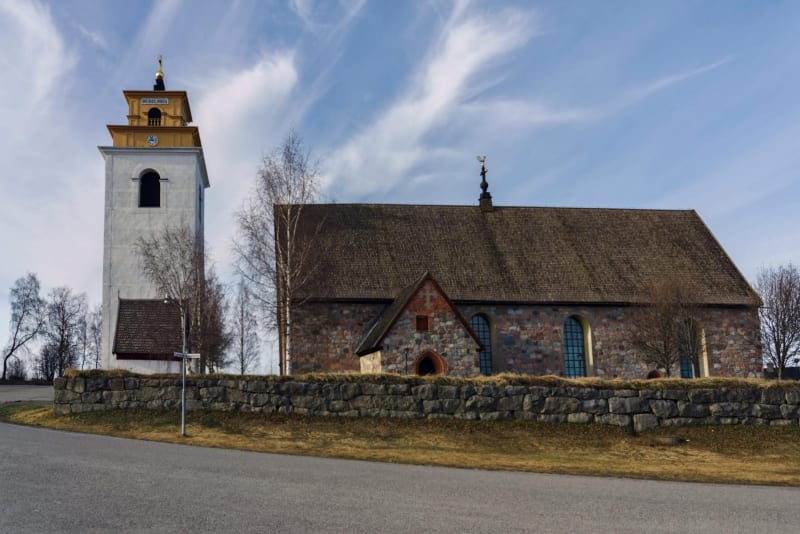
Höga Kusten
The UNESCO-listed High Coast north of Stockholm: dramatic cliffs, deep fjord-like inlets, and a landscape still rising from the sea since the last Ice Age.
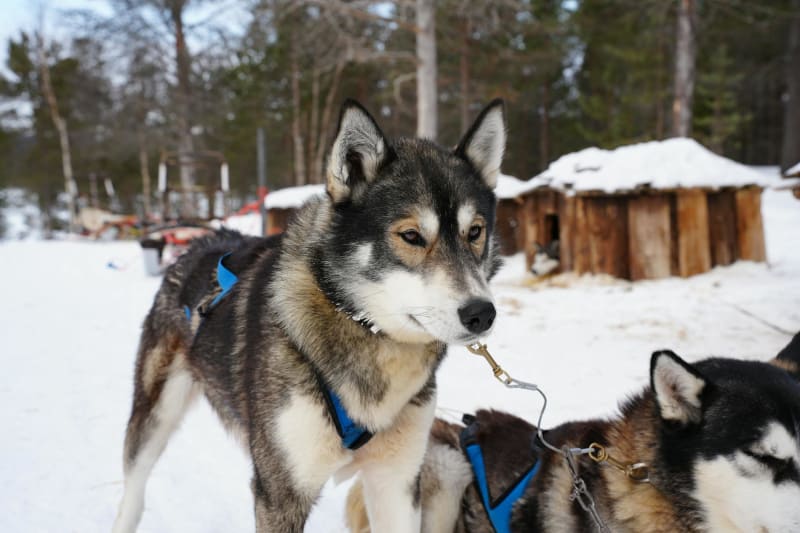
Kiruna
A mining city above the Arctic Circle being physically relocated to save it from collapsing mines — and the birthplace of the world-famous ICEHOTEL.
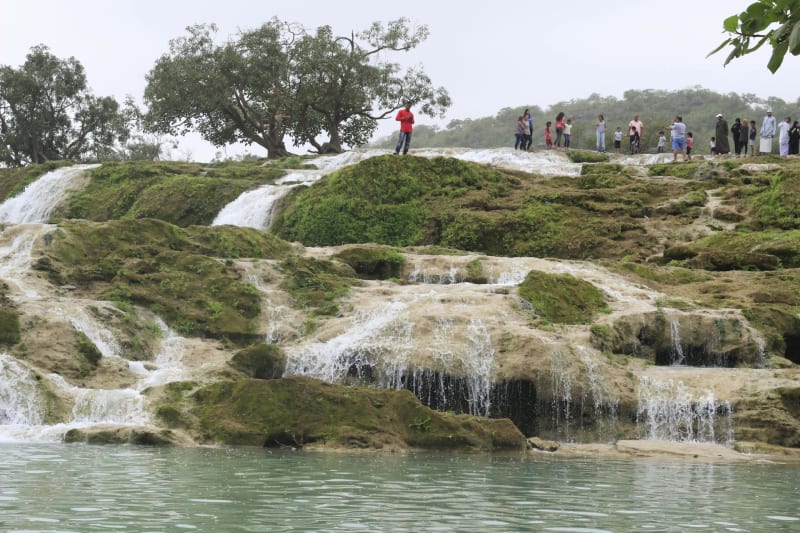
Lapland
A vast Arctic wilderness where the northern lights dance above frozen forests and silence becomes something you can almost touch.
Malmo
A reinvented port city where Scandinavian design meets multicultural energy, connected to Copenhagen by a bridge that changed everything.
Oland
A slender Baltic island of windmills, ancient forts, and limestone plains that earned it a place on the UNESCO list.
Sigtuna
Sweden's oldest city is a tiny jewel on Lake Mälaren's shore — Viking rune stones, medieval church ruins, and a Main Street that's been here since 980 AD.
Stockholm
A city built on fourteen islands where cobblestones meet cutting-edge design and the water is never out of sight.
Uppsala
Sweden's ancient university city where Viking burial mounds sit minutes from one of Scandinavia's great cathedrals.
Visby
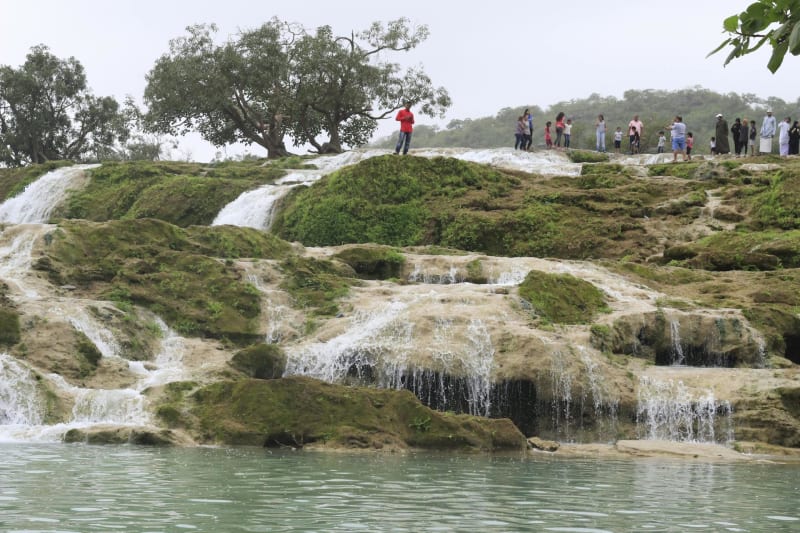
A UNESCO-listed medieval walled town on Gotland where roses climb ancient ruins and the Baltic glitters beyond the ramparts.
Ystad
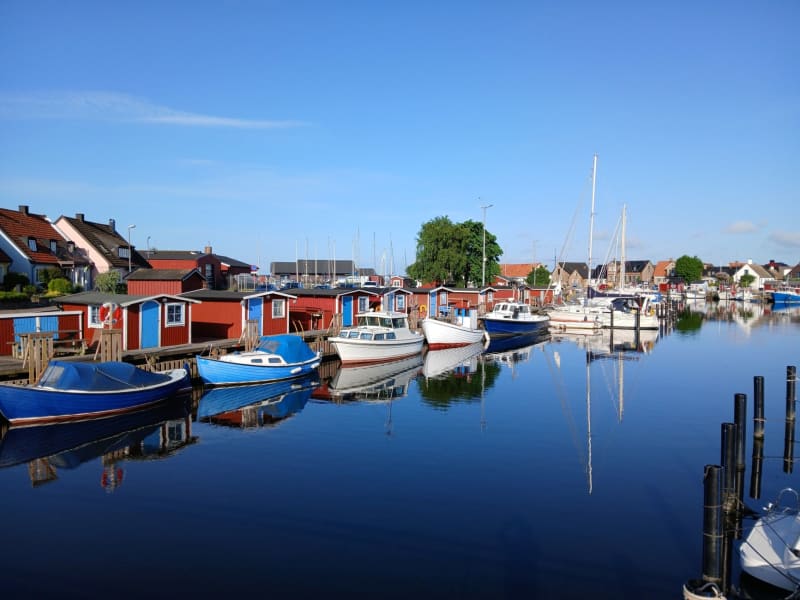
A pastel-fronted medieval town on Sweden's southern coast, equal parts half-timbered charm and brooding crime-novel atmosphere.