Dalarna
"If Sweden has a soul, it lives in Dalarna's red wooden houses and midsummer meadows."
Dalarna is the Sweden of the imagination made real. The iconic red-painted timber cottages, the Dala horse, the midsummer celebrations with flower crowns and maypoles — this is where those traditions are not performed for tourists but lived with genuine warmth. The region sits around Lake Siljan, and the villages that ring its shores — Rattvik, Leksand, Tallberg — are picture-book beautiful without being precious. I arrived on Midsummer Eve, following an invitation from a Swedish friend who had warned me that the celebration would be strange and beautiful and impossible to explain to anyone who was not there. She was right on all three counts.
The maypole went up in a meadow overlooking the lake. Families gathered with flower wreaths in their hair, and the dancing began — ring dances set to folk songs that everyone seemed to know except me, the movements simple enough that I could follow after two rounds, the singing enthusiastic enough that my mistakes disappeared into the chorus. The children ran wild. The adults drank schnapps and ate pickled herring and strawberries with cream. The sun circled the horizon without setting. By midnight, standing in a meadow in full daylight with two hundred people I had never met, I understood something about Sweden that no guidebook had managed to convey: this country’s relationship with light is not aesthetic — it is existential.
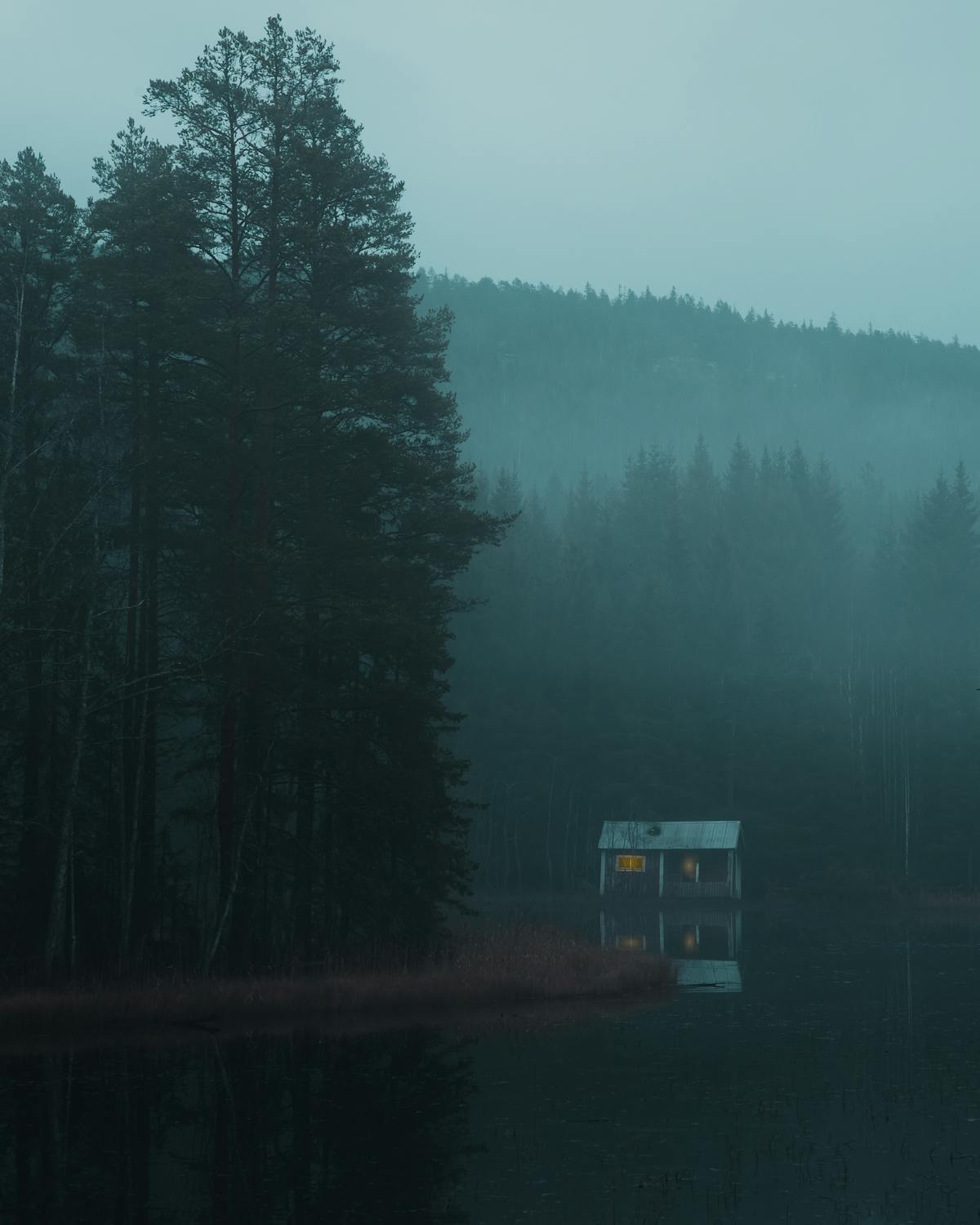
The landscape invites simple pleasures. Swimming in lakes so clean you can drink from them — and people do, filling bottles from the same water they swim in, a concept that still astonishes me after years of living in places where the nearest body of water would dissolve your shoes. Hiking through forests where the only sounds are birdsong and wind. Visiting workshops in Nusnas where Dala horses are still carved and painted by hand, each one taking days to complete, the patterns passed down through generations with the precision of a liturgy.
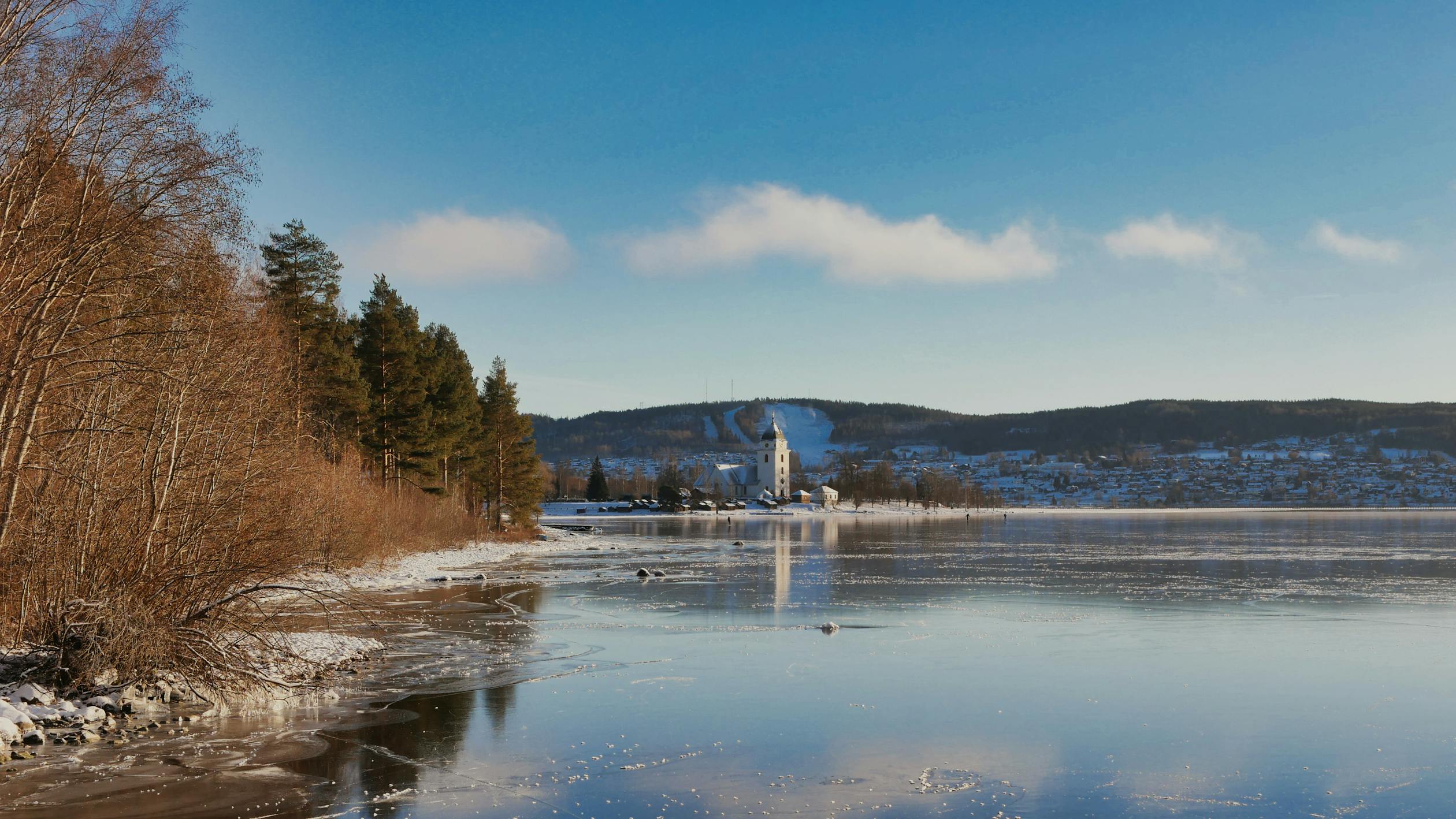
In winter, Dalarna transforms. The Vasaloppet cross-country ski race, held every March, draws ninety thousand participants across ninety kilometres of frozen terrain between Salen and Mora — a race that commemorates a sixteenth-century king’s escape and has become Sweden’s most beloved sporting tradition. Even if you are not racing, the atmosphere is extraordinary: entire villages turn out to cheer, and the finish line in Mora has the emotional intensity of a pilgrimage’s end.
The forests become silent cathedrals of snow, and the lakes freeze solid enough to walk across. I spent a January weekend in a cabin near Leksand, cross-country skiing during the day and sitting in a wood-fired sauna at night, emerging into minus fifteen degrees to roll in the snow before plunging into a hole cut in the lake ice. The Swedes do this routinely. They do not consider it extreme. They consider it Tuesday.
When to go: Midsummer in late June is unmissable — Dalarna’s celebrations are Sweden’s most authentic. July and August for lake swimming. December for Christmas markets. February and March for cross-country skiing.