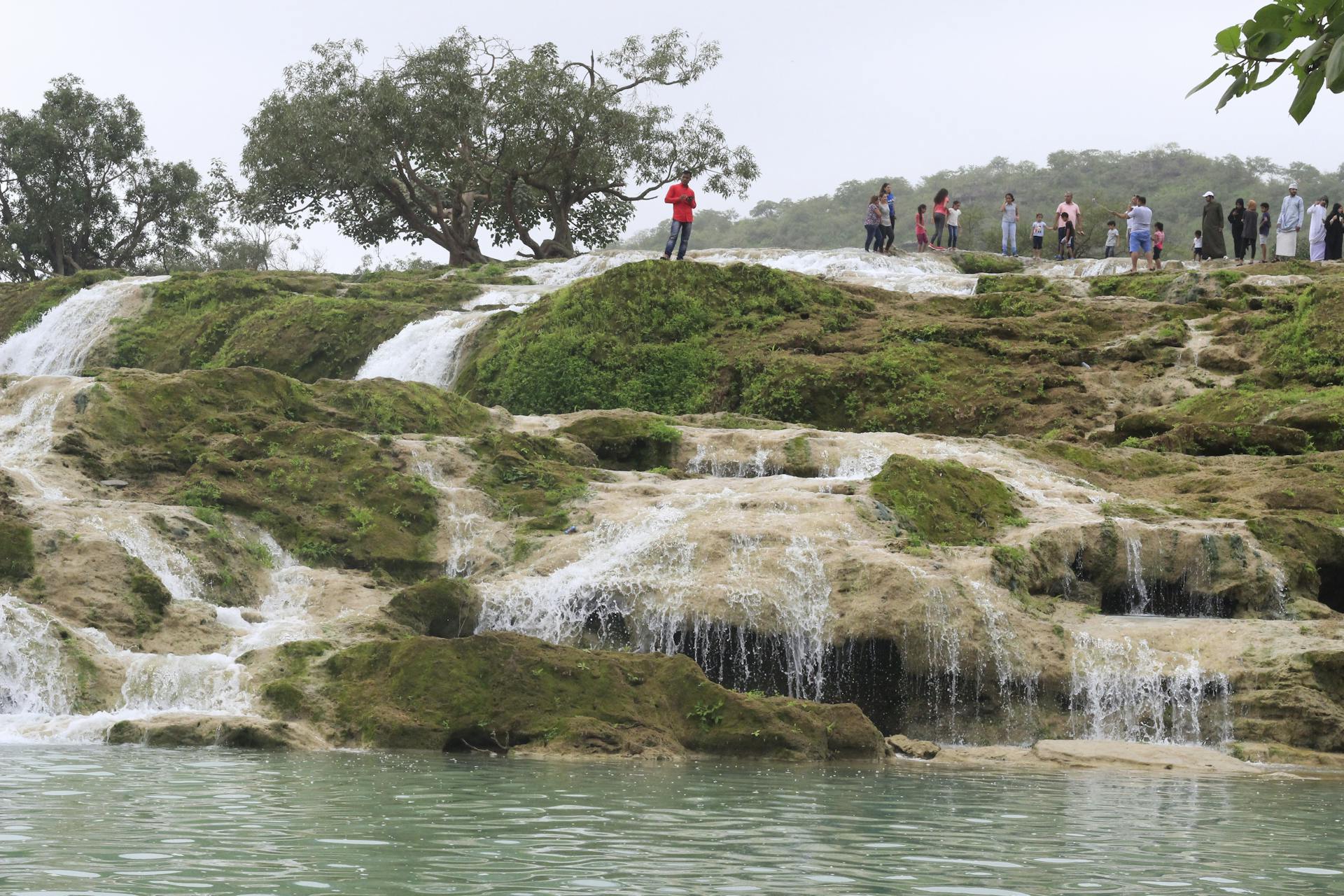
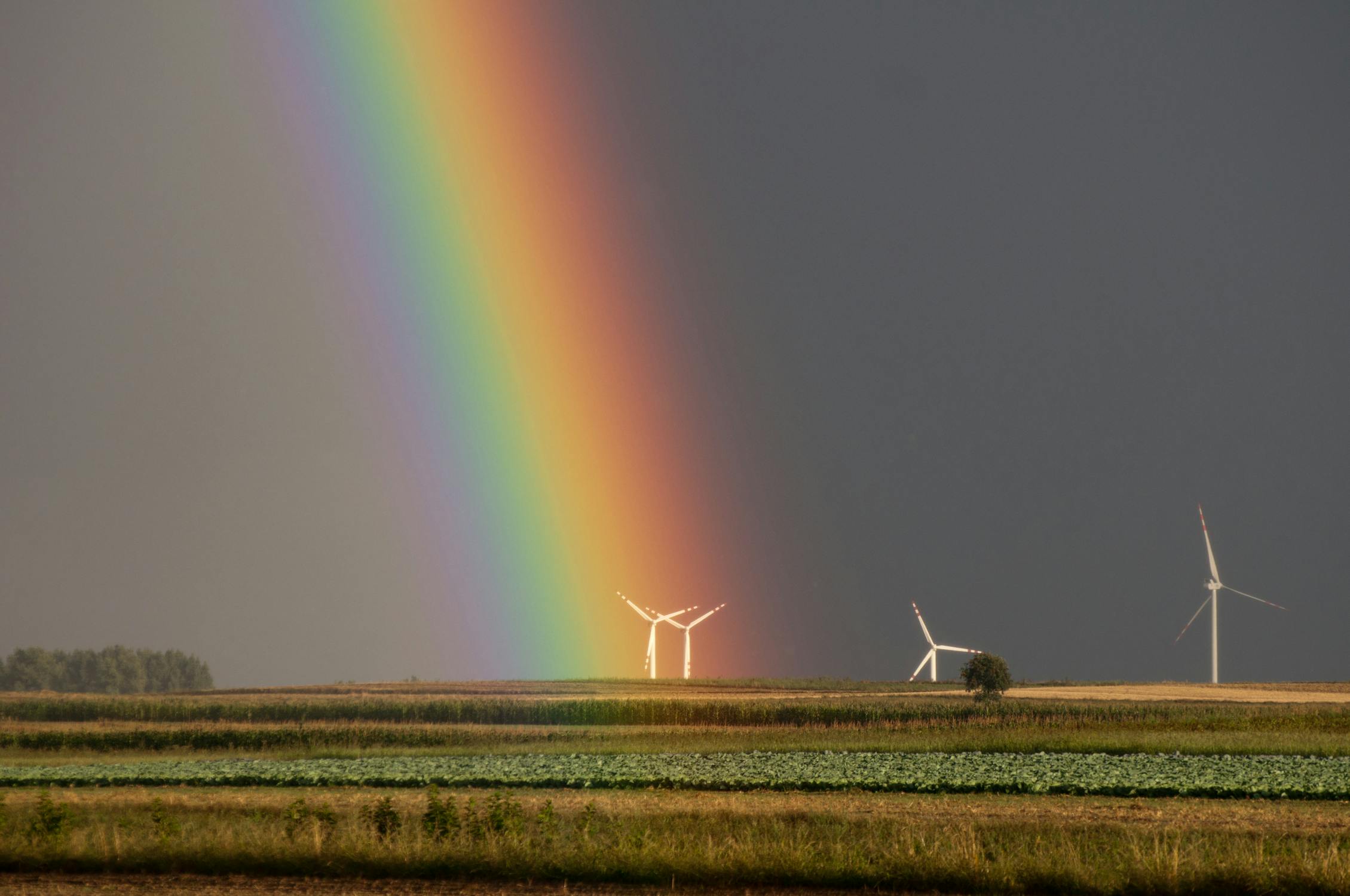
Oland stretches like a ribbon along Sweden’s southeast coast, connected to the mainland by one of Europe’s longest bridges — six kilometres of concrete arcing across the Kalmar Strait, depositing you onto an island so flat that the first thing you notice is not the land but the sky. It is enormous here. Uninterrupted. The kind of sky that makes you understand why the islanders built four hundred windmills — not just for grain, but because the wind never stops and they learned to use it rather than fight it.
The Stora Alvaret, a vast limestone plain in the south, is a UNESCO World Heritage Site and one of the strangest landscapes in Scandinavia. A treeless expanse of thin soil over limestone bedrock, home to rare orchids, ancient ring forts, and a feeling of exposure that is both unsettling and addictive. I walked across it in late May, when the orchids were blooming — Military orchids, Fly orchids, Early Spider orchids — growing from cracks in rock that looked incapable of supporting anything at all. The botanists come from across Europe for this. The rest of us come and discover that emptiness can be a form of abundance.
Ancient ring forts — Eketorp is the best restored — dot the southern plain, their circular walls enclosing reconstructed Iron Age villages that make the Viking exhibitions in Stockholm feel sanitised. Eketorp has been excavated and rebuilt with enough rigour that walking through its gate feels like stepping into a life that was hard, communal, and shaped entirely by the seasons. The burial grounds nearby, marked by ship-shaped stone settings, face the sea as if the dead were still waiting for a voyage.
The eastern coast has long sandy beaches where Swedish families have spent their summers for generations — the royal family included, with their summer residence at Borgholm Castle, a magnificent ruin that sits above the town like a cathedral of absence. I climbed through its roofless halls on a windy afternoon, the Baltic visible through every window, and thought about the fires that destroyed it in the seventeenth century and the decision, never reversed, to leave it as it fell. Some ruins are more eloquent than restoration.
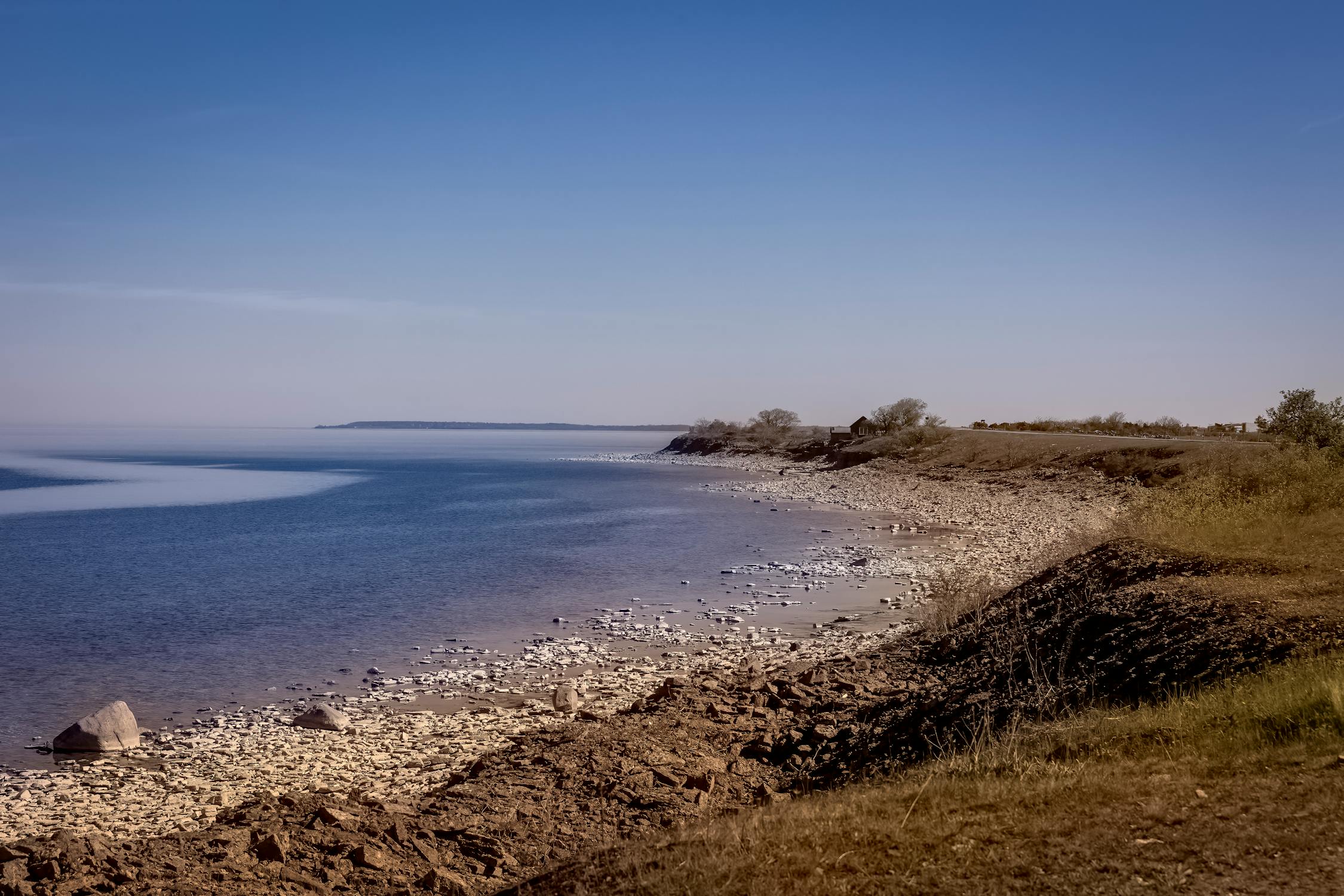
The villages are small, the ice cream shops abundant, and the pace deliberately slow. Oland’s light, filtered through sea air and reflected off limestone, has a pale clarity that makes everything look like a watercolour. The farm shops sell local honey, smoked fish, and a bread made with seaweed that sounds improbable and tastes extraordinary. I bought a jar of honey from a woman who kept her hives on the Alvaret, and she explained that the orchid pollen gave it a flavour unlike any other honey in Sweden. She was not exaggerating.
When to go: June through August for beaches and the best weather. Late May and early June for orchids on the Stora Alvaret. The Harvest Festival in late September celebrates the island’s agricultural traditions.