Gothenburg
"The city that feeds you better than anywhere in Scandinavia and never makes a fuss about it."
Gothenburg operates at a frequency that rewards the unhurried. The wide avenues and Dutch-style canals give it a spaciousness that Stockholm lacks, and the Haga district — cobblestoned, cafe-lined, full of vintage shops — is the kind of neighbourhood you wander into and forget to leave. The cinnamon buns here are the size of your head, and they are exceptional. I sat in Cafe Husaren one morning, ordered one without understanding the scale, and spent the next forty-five minutes dismantling something that could have fed a small family. This is Gothenburg in miniature: generous, unpretentious, quietly confident.
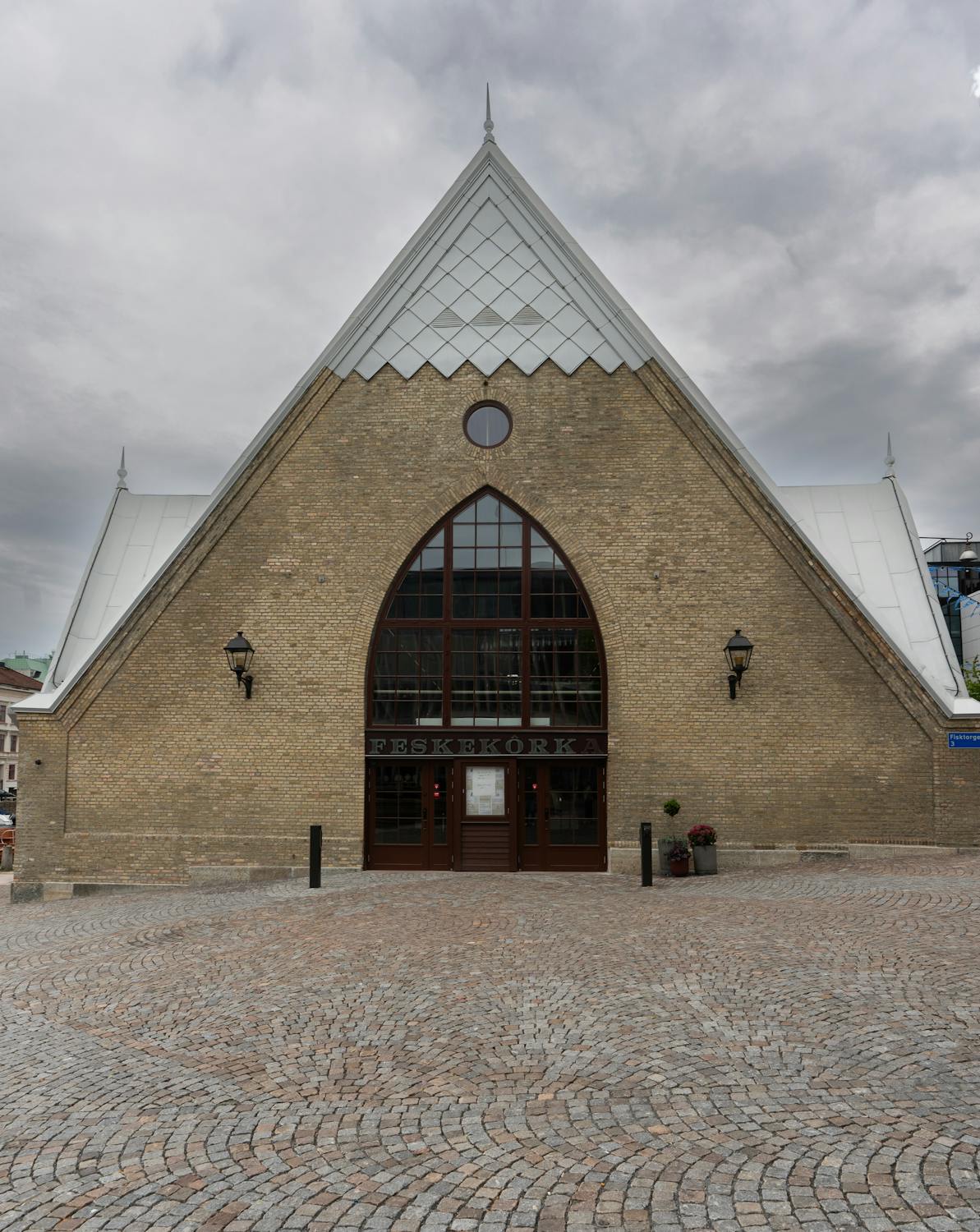
The fish market at Feskekorka, shaped like a Gothic church, is where the city’s obsession with seafood becomes tangible. Shellfish platters piled with langoustine, shrimp, and oysters from the cold archipelago waters outside the harbour — the kind of meal that makes you reconsider every seafood restaurant you have ever visited. The fishmongers know their product the way sommeliers know wine, and they will tell you which boat brought in which catch that morning if you ask.
Take the tram to Saltholmen and catch a ferry into the southern archipelago — car-free islands with granite shorelines and swimming spots that feel impossibly clean. Styrsö, Vrångö, Brännö — each island has its own character, its own swimming rocks, its own cafe where the shrimp sandwich comes on bread so fresh it is still warm. I spent a full day island-hopping with nothing but a towel and a transit pass, and it cost less than a restaurant meal back on the mainland. The Gothenburg archipelago does not get the press that Stockholm’s does, and the locals prefer it that way.
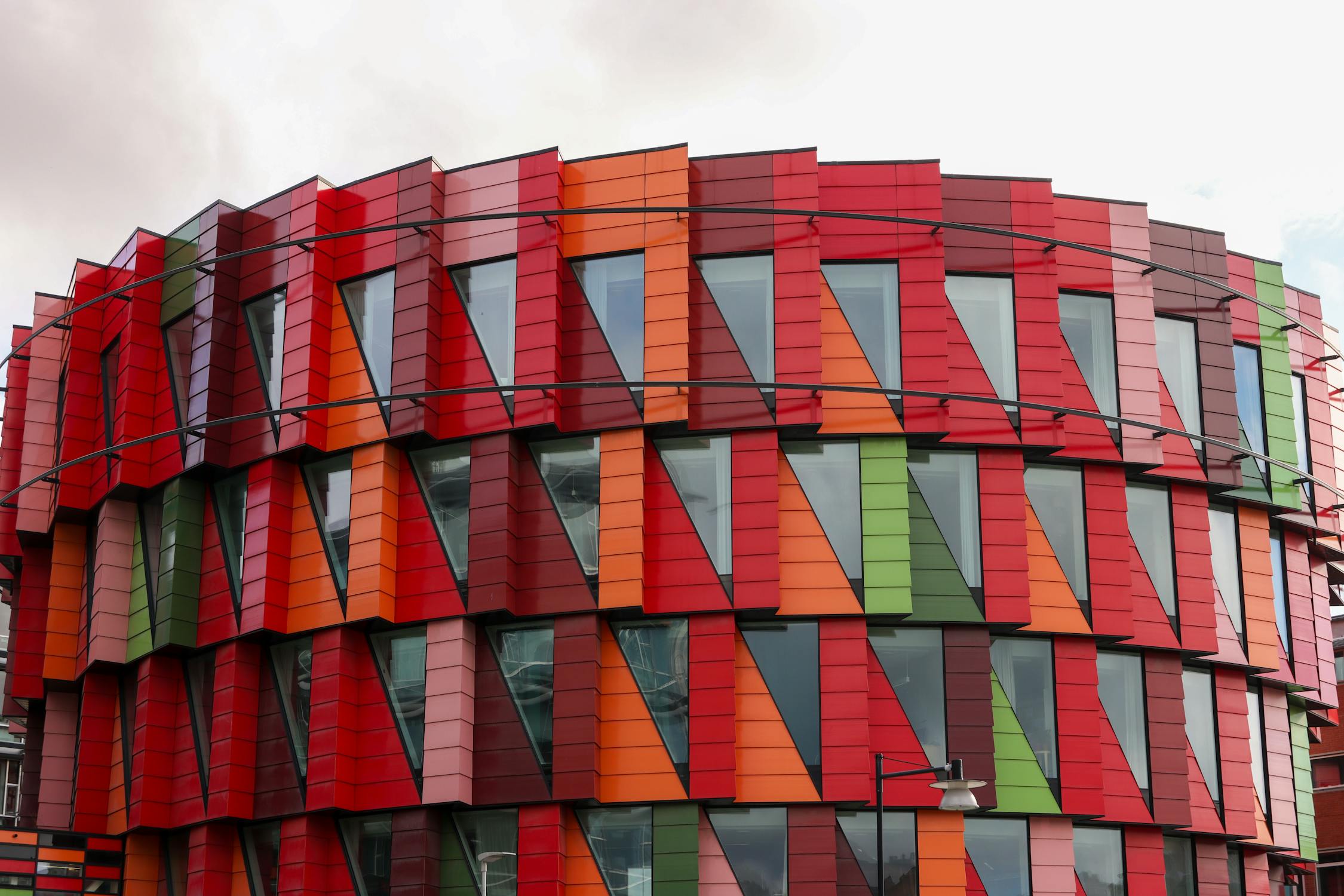
The creative scene here is real, not performed. Gothenburg produced the music — Ace of Base, José González, half the indie bands you listened to in university — and the design sensibility shows up everywhere, from the converted warehouse galleries in Lindholmen to the street art that covers entire buildings in the Majorna district. The Gothenburg Film Festival in late January is Scandinavia’s largest, and the energy it brings to the dark months transforms the city into something electric and cinematic.
Liseberg, the amusement park that locals defend with surprising passion, is not the tourist trap you might expect — it is genuinely well-designed, set among gardens, and during Christmas becomes the most atmospheric holiday market in Sweden. I went as a sceptic and left with a bag of candied almonds and the grudging admission that the Swedes know how to do whimsy without descending into kitsch.
When to go: Summer for the archipelago and outdoor life along the waterfront. The Gothenburg Film Festival in late January brings energy to the dark months. September is harvest season and the seafood is at its peak.