Lapland
"The silence up here is not empty — it is full of things you forgot you needed to hear."
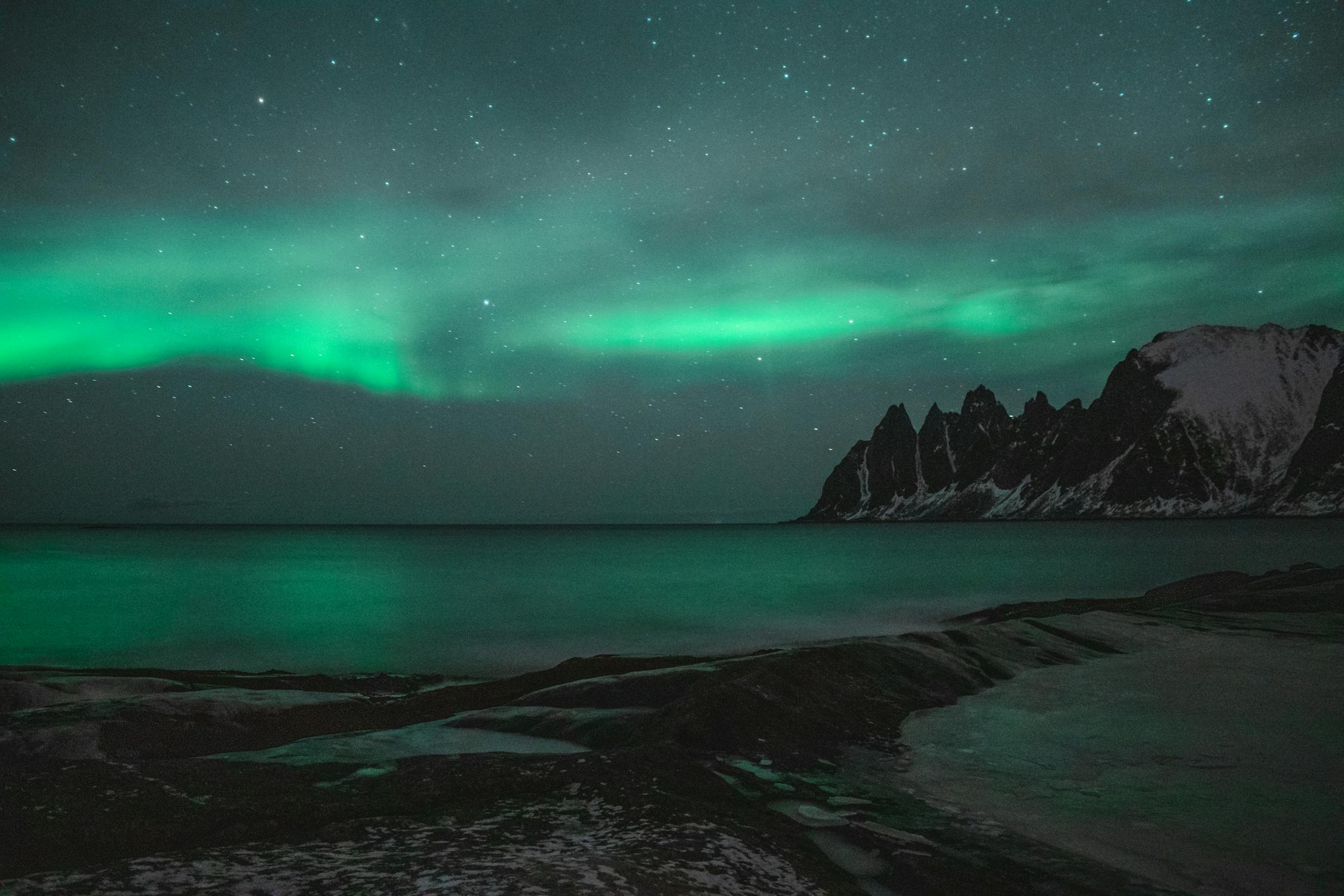
Swedish Lapland is not a destination so much as a state of being. Above the Arctic Circle, the landscape simplifies to snow, forest, and sky, and time operates differently. In winter the sun barely rises, the world turns blue and violet, and the northern lights appear with a frequency that feels almost casual — not the once-in-a-lifetime event the brochures promise, but a nightly conversation between the atmosphere and the darkness. I watched them for the first time from outside a cabin near Jokkmokk, standing in minus twenty-five degrees, and I understood immediately why people come back year after year. The photographs never capture it. The movement, the colour shifts, the way the light seems to breathe — these are things the camera cannot hold.
Dog-sledding through frozen birch forests is the activity that sounds like a cliche and turns out to be a revelation. The silence between the dogs’ panting, the crunch of the sled runners on packed snow, the white landscape scrolling past in a way that makes you forget you are moving at all — there is nothing else like it. The Icehotel in Jukkasjarvi, rebuilt every winter from ice harvested from the Torne River, is another experience that defies expectations: sleeping in a room carved from ice, on a bed made of ice blocks covered in reindeer skins, in a silence so complete your own heartbeat becomes the loudest sound. I slept surprisingly well. The cold is not the problem everyone imagines — the thermal sleeping bags handle that. The problem is leaving.
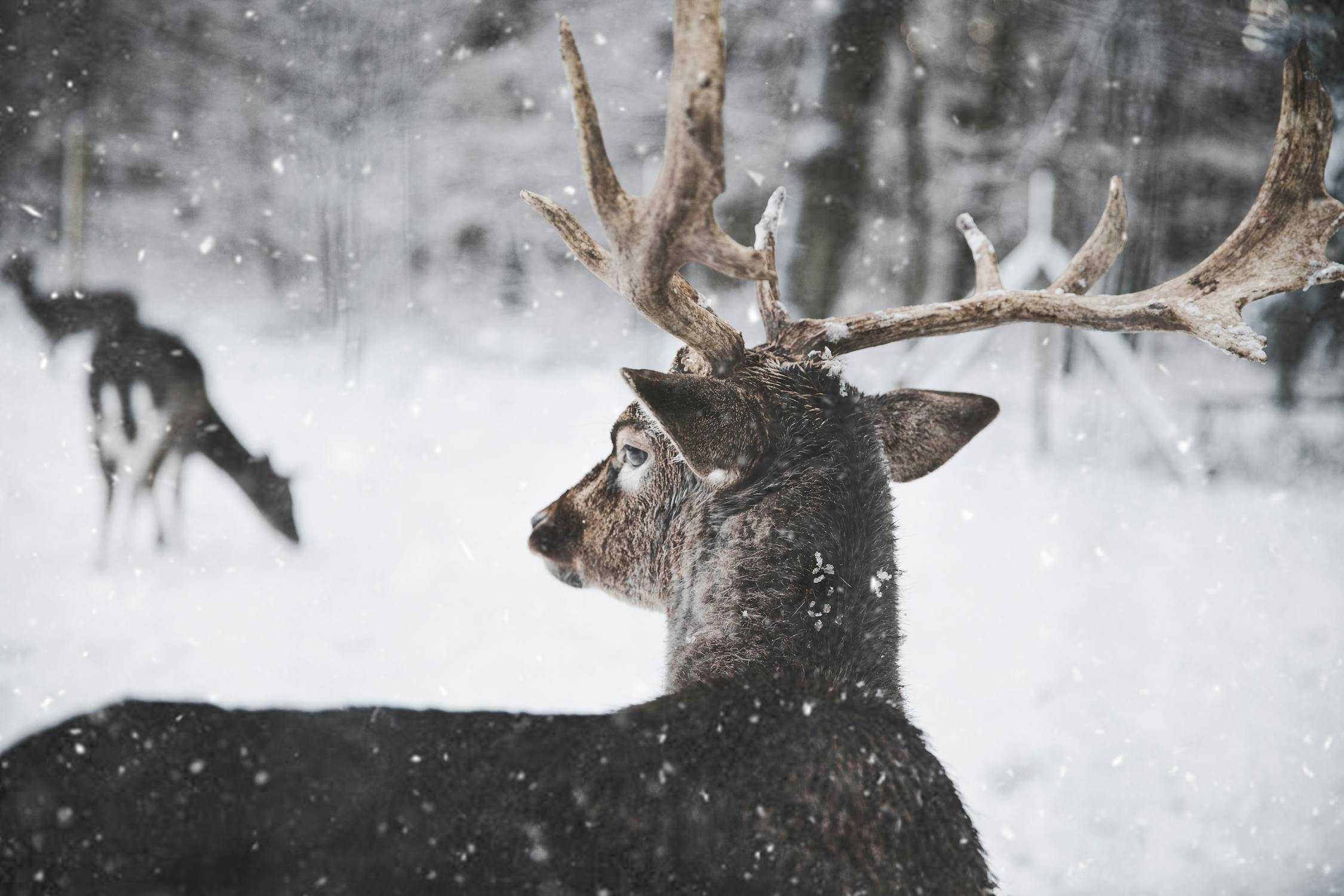
In summer the midnight sun refuses to set, and the same forests that were silent under snow become alive with wildflowers and mosquitoes. The Sami culture, indigenous to this region for thousands of years, is present in the reindeer herds that move across the tundra, the handicrafts sold in Jokkmokk’s winter market, and the quiet authority of people who know this land with an intimacy that no guidebook can approximate. The Jokkmokk market, held every February since 1605, is the oldest continuous market in Sweden — a gathering of Sami artisans, reindeer herders, and visitors that feels like stepping into a tradition that has outlasted empires.
The Kungsleden trail starts in Abisko and runs four hundred and forty kilometres south through some of Europe’s last true wilderness. I have not walked all of it — few people do in a single trip — but the northern section, through the Kebnekaise massif and across glacial valleys, is hiking of a calibre that makes the Alps feel crowded. Up here, you can walk for eight hours and see no one. The mountain huts, spaced a day’s walk apart, provide shelter and companionship, and the conversations over dinner — with Swedes, Germans, Australians, all drawn by the same hunger for solitude — are among the best I have had anywhere.
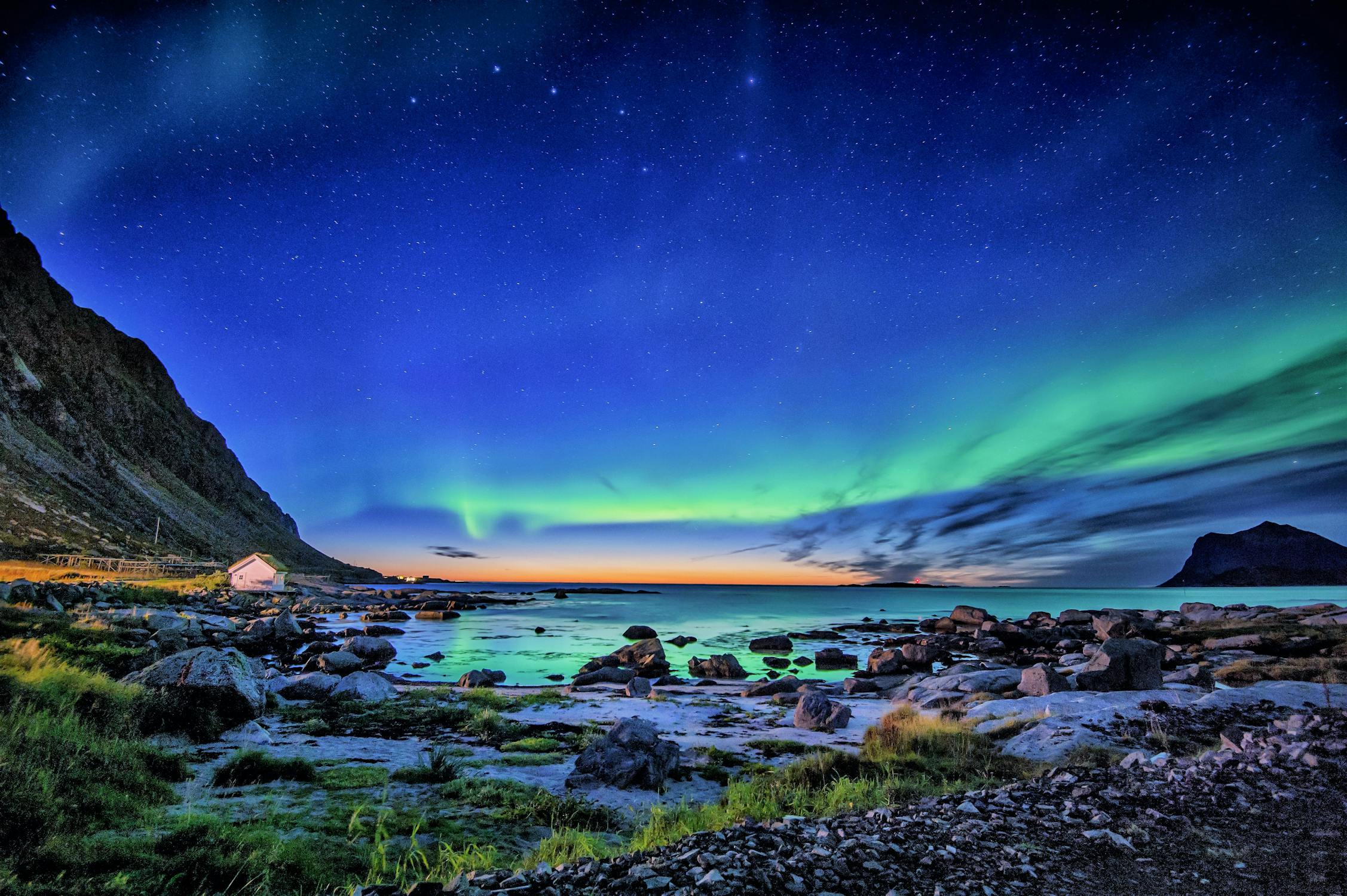
When to go: December through March for northern lights, dog-sledding, and the Icehotel. June through August for midnight sun and hiking. The shoulder months of September and October bring autumn colours and the first aurora sightings.