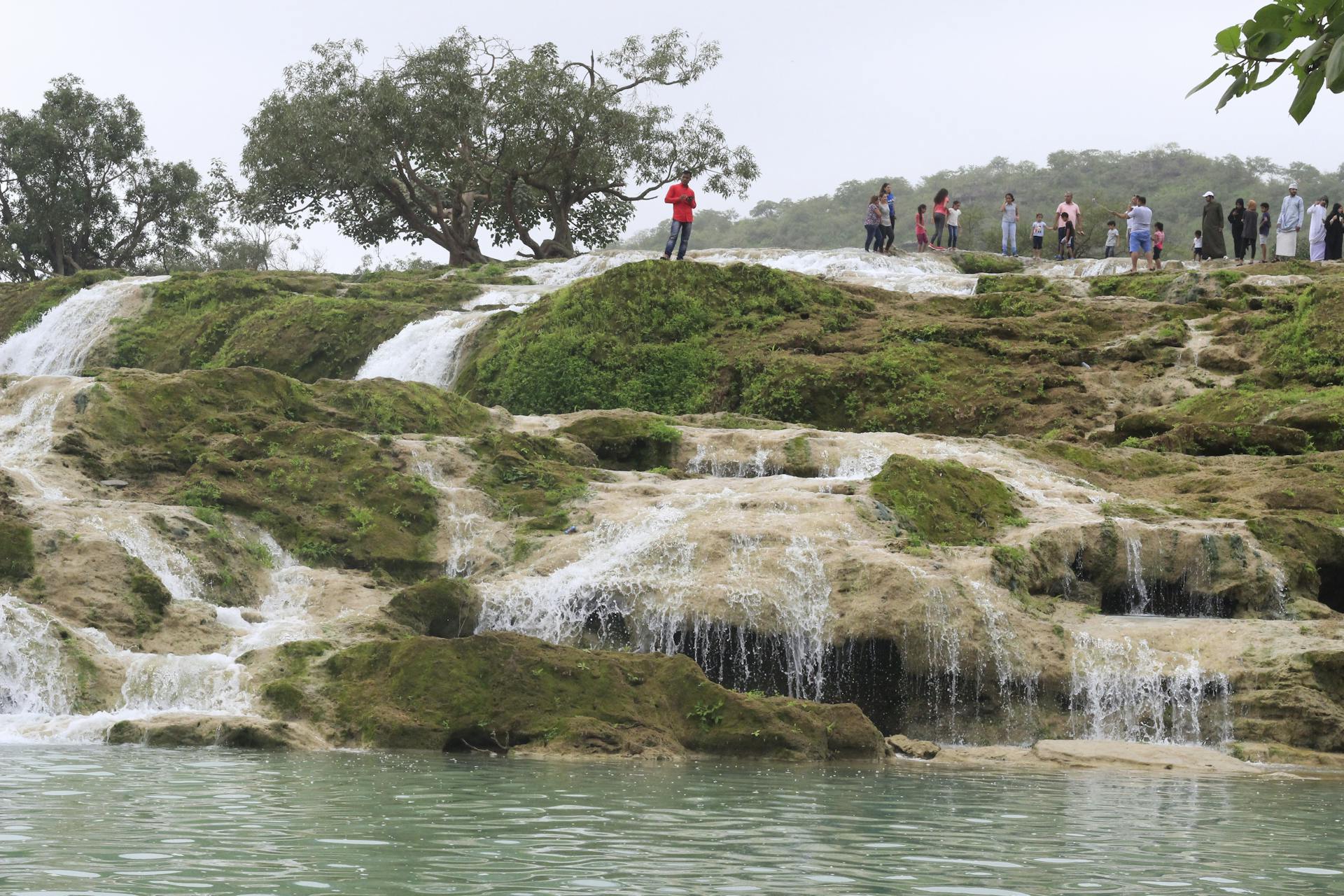
Stockholm reveals itself between bridges. The old town, Gamla Stan, is a maze of saffron and ochre facades squeezed onto an island so small you can cross it in ten minutes, yet you will spend hours lost in its lanes. The Royal Palace anchors one end, and the Nobel Prize Museum sits in the main square, but the real treasures are the alleyways — the narrowest barely a shoulder-width, the oldest dating to the thirteenth century. I arrived on a June evening when the light refused to fade, and I walked Gamla Stan until midnight without needing a lamp, the cobblestones glowing amber under a sky that never fully darkened.
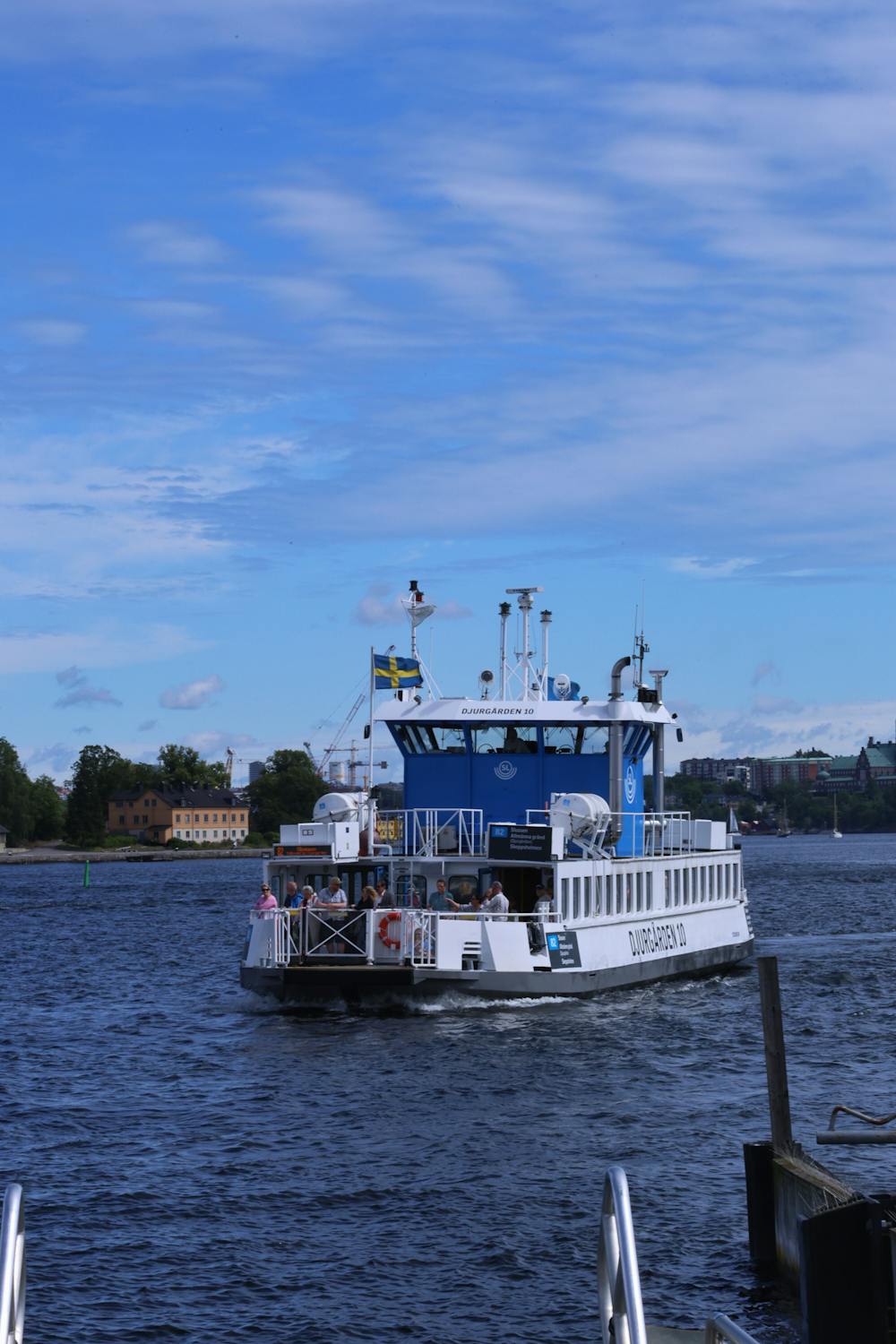
Cross the water to Djurgarden and the mood shifts entirely. This green island holds the Vasa Museum, where a seventeenth-century warship sits intact in the half-dark — salvaged from the harbour floor after three hundred and thirty-three years, its carved stern so elaborate it borders on the absurd. The ABBA Museum nearby is more joyful than anyone expects, and the ferry back to Sodermalm at golden hour, the city skyline stretching in every direction, is one of Europe’s great free experiences.
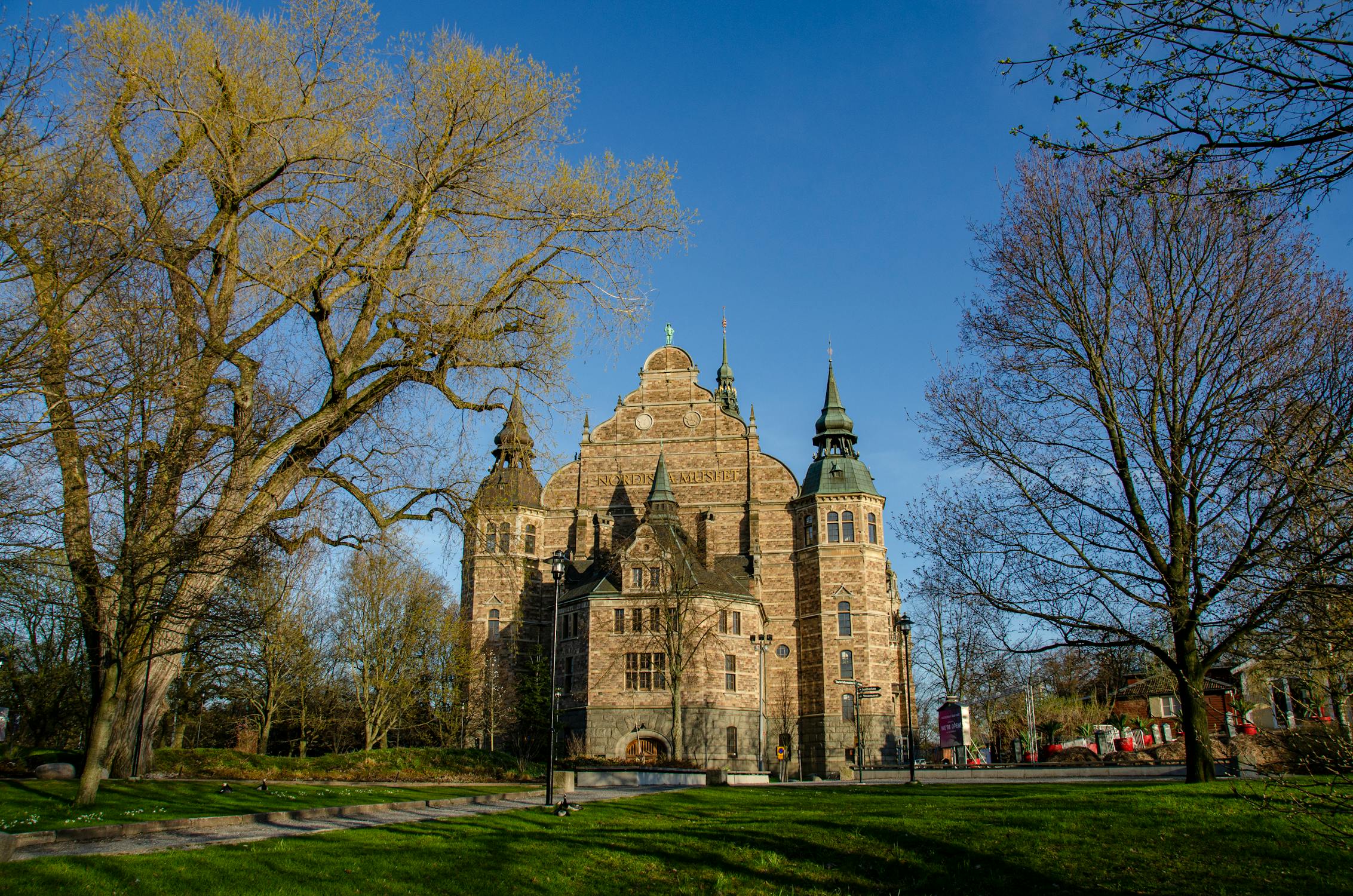
Sodermalm is where Stockholm stops being polite and starts being interesting. The hillside neighbourhood south of the old town is where the design studios, vintage shops, and third-wave coffee roasters cluster — where Stockholmers actually live rather than pose for photographs. Fotografiska, the photography museum perched on the waterfront, is worth the visit for the rooftop cafe alone: the view across the harbour to Gamla Stan and the Royal Palace, especially at sunset, makes your coffee taste better than it has any right to.
The archipelago is Stockholm’s secret weapon. Thirty thousand islands stretch into the Baltic, most of them uninhabited, all of them reachable by ferries that feel like public buses to paradise. I took the boat to Grinda on a Saturday morning, found a granite slab by the water, and swam in water so clear I could see the bottom three metres down. The Swedes around me — families, couples, solo swimmers — treated this as ordinary. It is not ordinary. It is one of the most beautiful things I have done in Europe, and the ferry back cost less than a cocktail in Gamla Stan.
The food scene has evolved beyond anyone’s expectations. Stockholm earned its Michelin stars through a combination of Nordic ingredient obsession and immigrant influence — the best meals I had ranged from a twelve-course tasting menu at a restaurant I cannot afford to return to, to a falafel wrap in Sodermalm that cost forty kronor and was perfect. But the ritual that matters most is fika — coffee and a cinnamon bun, taken as a daily sacrament, ideally at a window table where you can watch the water. In Stockholm, there is always water to watch.
When to go: June through August for long daylight and outdoor dining along the quays. December for Christmas markets and a city glowing in the Arctic dark. May and September offer fewer crowds and soft northern light.