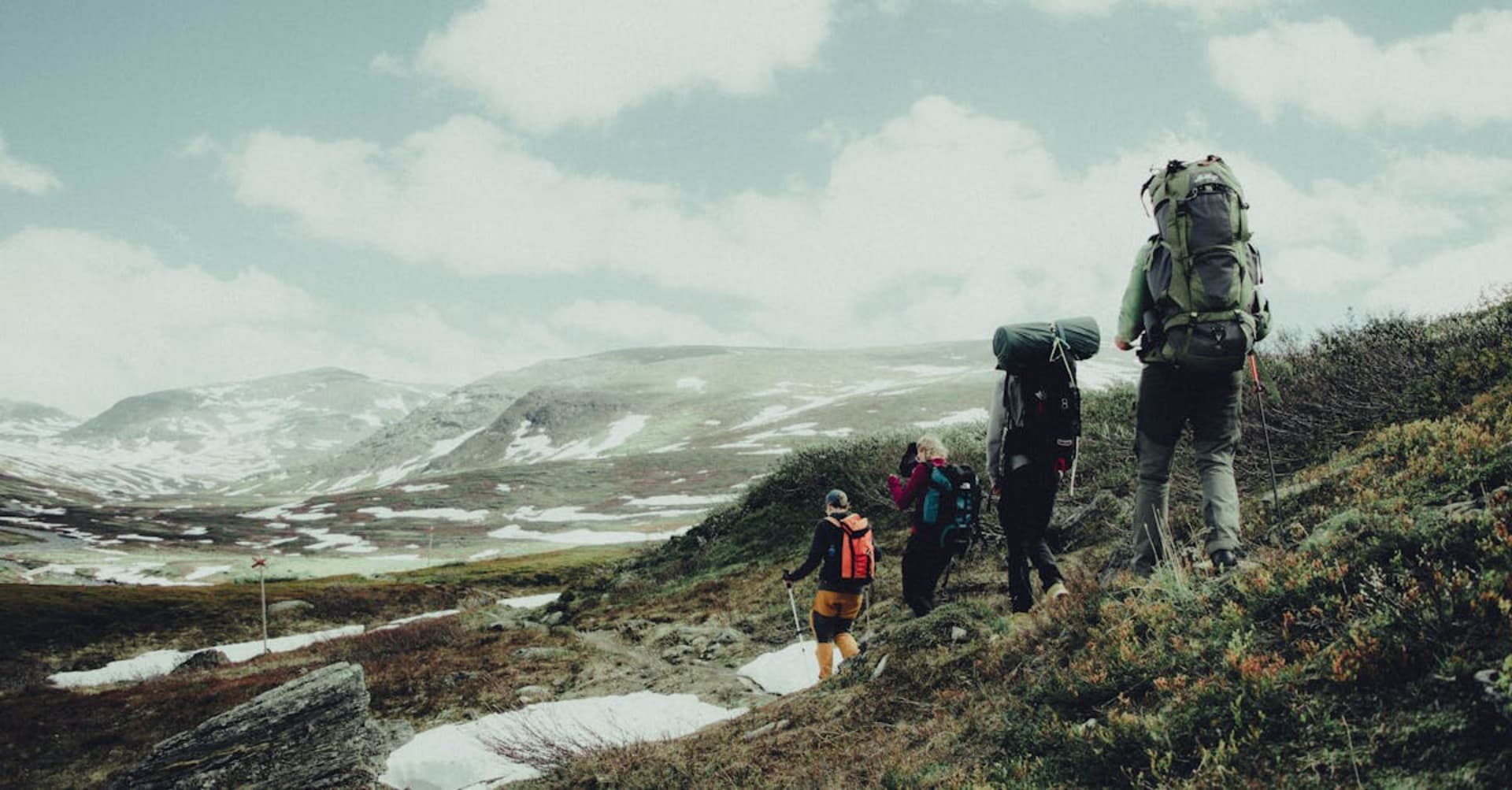
Abisko exists for one reason above all others: a microclimate created by the surrounding mountains and Lake Tornetrask that produces a gap in the clouds known as the Blue Hole of Abisko. This means clearer skies than almost anywhere else at this latitude, and in winter that means northern lights with a reliability that borders on the guaranteed. The Aurora Sky Station, reached by chairlift above the village, offers viewing conditions that have made this tiny settlement — population fewer than a hundred — world-famous among aurora chasers.
I went in early March, when the nights are still long enough for darkness but the days are bright enough for skiing. The chairlift up to the Sky Station at dusk felt like ascending into another dimension — the temperature dropping, the village lights shrinking below, the sky deepening from blue to violet to black. And then they appeared. Not the faint green smudge of photographs taken with long exposures, but actual curtains of light — green, purple, pink — rippling across the sky with a movement that was at once random and choreographed. I stood on the observation deck for three hours. I forgot about the cold. I forgot about everything except the sky.
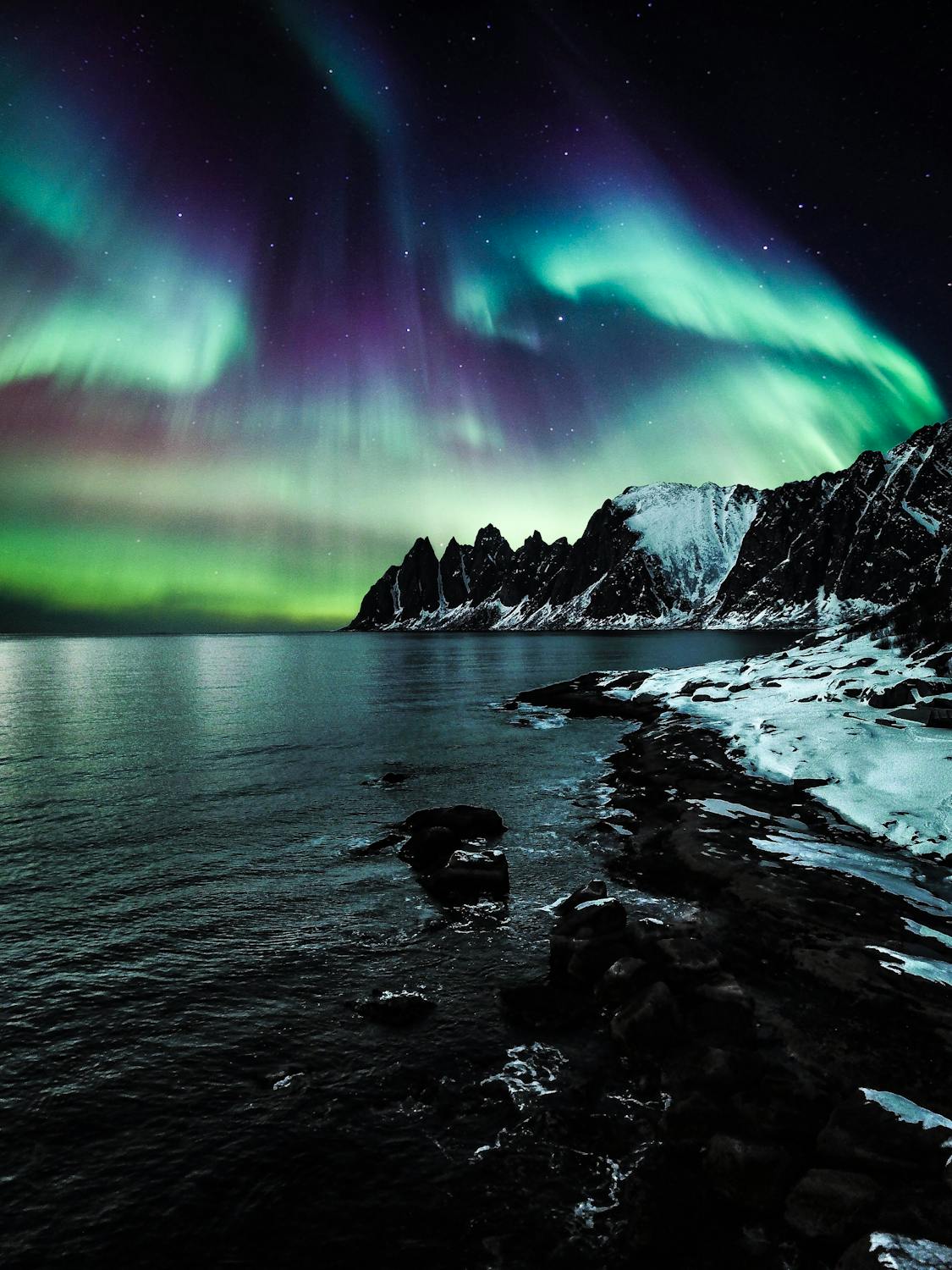
But Abisko is more than its aurora. The national park is the starting point of the Kungsleden — Sweden’s most celebrated hiking trail, stretching four hundred and forty kilometres south through some of Europe’s last true wilderness. The first section, from Abisko to Nikkaloukta, passes through alpine meadows, crosses glacial rivers on suspension bridges, and offers views of Kebnekaise — Sweden’s highest peak — that are worth every blister. In summer, the midnight sun turns the mountains gold, and you can hike at two in the morning in full daylight, which is a disorienting and beautiful experience that I recommend to anyone whose relationship with time could use a recalibration.
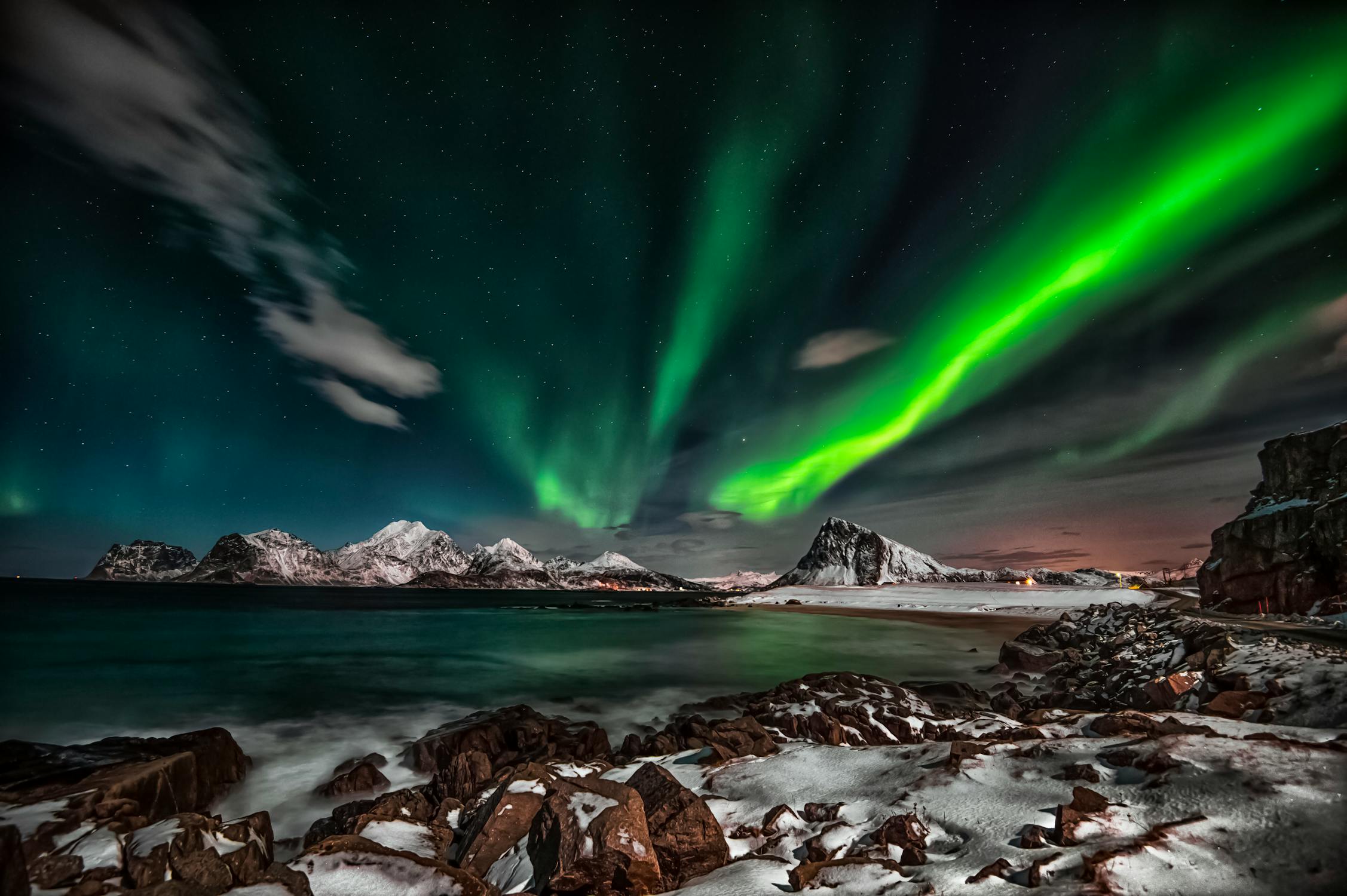
In winter, the frozen landscape offers snowshoeing, cross-country skiing, and a silence that recalibrates everything. I snowshoed through the birch forest along the lake one morning, the only sounds the crunch of my steps and the occasional crack of a branch releasing its load of snow. The trees were coated in rime ice, every branch outlined in white against the blue half-light, and the landscape looked like something from a fairy tale written by someone who had never seen a city. The mountain hut at the edge of the park served coffee and cardamom buns, and the warden — a woman in her sixties who had spent thirty winters in Abisko — told me that the northern lights had been particularly strong that season. She said it the way a farmer might report good weather: matter-of-fact, grateful, unsurprised.
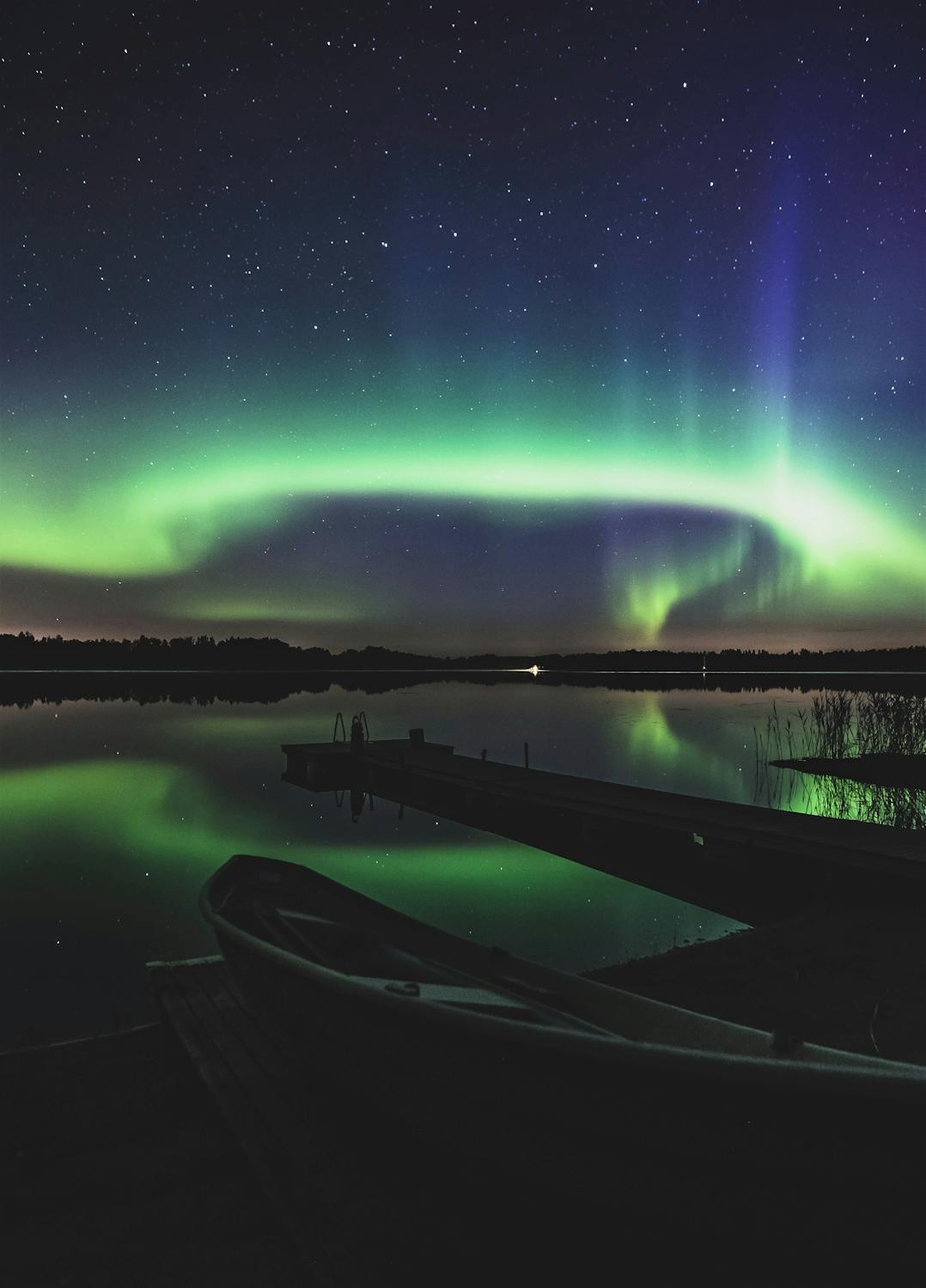
The Sami presence in Abisko is subtle but deep. Reindeer herds cross the landscape, the traditional lavvu tents appear at cultural events, and the duodji handicrafts — knives, leather work, woven textiles — reflect a relationship with this land that predates every border drawn on every map. To visit Abisko is to stand at the edge of something vast and old and still alive, and to understand that wilderness is not an absence of civilisation but a different kind of it entirely.
When to go: November through March for northern lights, with peak viewing in December and January. June through August for midnight sun hiking on the Kungsleden. September for autumn colours.