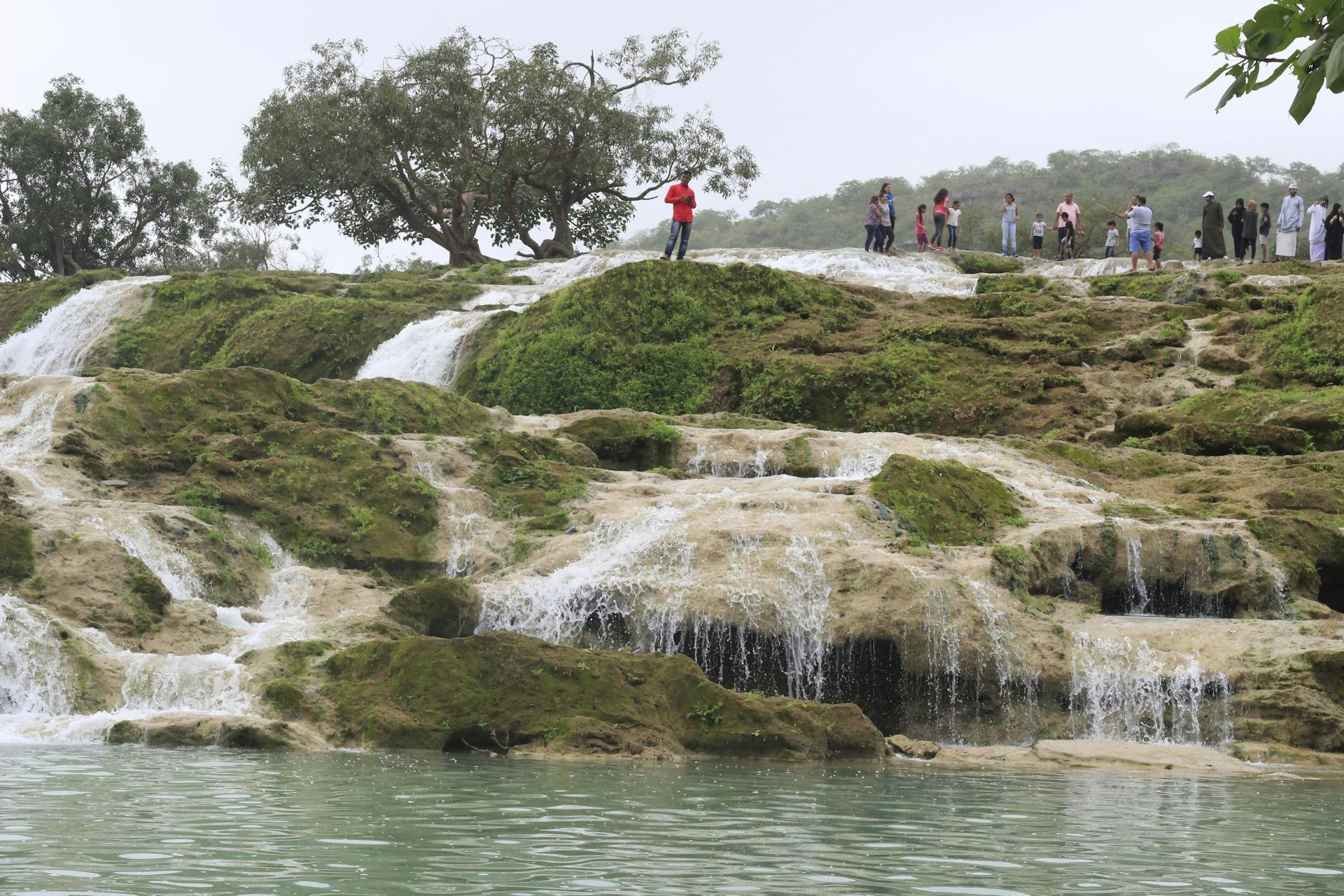
Gotland
"An island where the Middle Ages left their best work and the summers never seem to end."
Gotland sits in the middle of the Baltic like a world apart. The ferry from the mainland takes three hours, and by the time you arrive in Visby harbour, the pace has already changed — something in the salt air and the quality of the light tells you that clocks work differently here. The island’s interior is a patchwork of farms, wildflower meadows, and nearly a hundred medieval churches — more per square kilometre than anywhere in Scandinavia — their stone walls standing in fields where sheep graze with the indifference of animals who know they will never be disturbed.
I rented a bicycle in Visby and spent three days riding the island’s back roads, stopping at church after church. Each one different, each one built by communities wealthy enough from Baltic trade to commission stone masons from the continent. Some are still in use. Others stand roofless, their arches open to the sky, wildflowers growing between the flagstones. The beauty is not monumental — it is quiet, accumulated, the kind that comes from seven hundred years of standing in the same field, weathering the same winds.
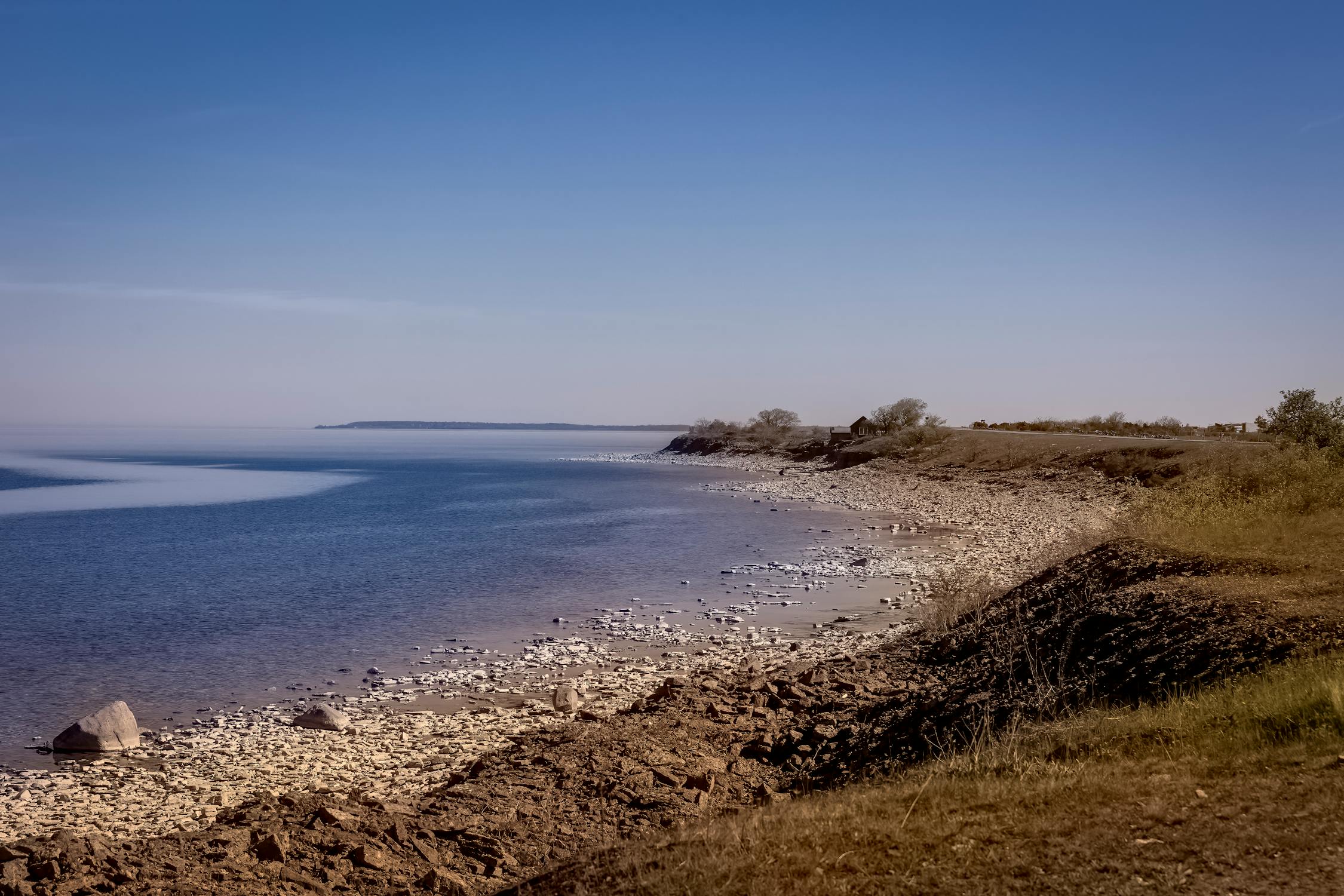
The coastline is Gotland’s other miracle. Limestone raukar — tall, weathered sea stacks — stand along the beaches like sculptures left by a retreating civilization. Faro, the smaller island off the northern tip where Ingmar Bergman lived and filmed, has the most dramatic formations. I walked the beach at Langhammars at sunset, the raukar casting long shadows across the sand, and understood why Bergman stayed. The landscape is cinematic without trying — stark, elemental, composed of light and stone and water in proportions that make every other coastline feel cluttered.
The beaches are long, the water surprisingly warm in July, and the light has a quality that painters have tried to capture for centuries. The Swedish families who return to the same beach, the same cabin, the same swimming spot every summer are not being lazy — they are being loyal to something that deserves loyalty. I met a couple on Sudersand beach who had been coming to Gotland every July for thirty-one years. They could not explain why. They did not need to.
The food scene on Gotland has blossomed in the past decade. Lamb raised on the island’s meadows, saffron pancakes that are a local specialty, and a growing number of restaurants that treat island produce with the respect it deserves. The Gotland truffle — yes, truffles grow this far north — has become a point of pride, and the truffle hunts offered in autumn are a reminder that this island continues to surprise anyone who assumes Scandinavia is only about pickled herring and potatoes.
When to go: June through August for swimming, cycling, and Medieval Week in Visby. May and September are quieter and beautiful. Winter is stark and atmospheric but many services close.