Europe
Slovenia
"Slovenia is what happens when nature shows off in a very small space."
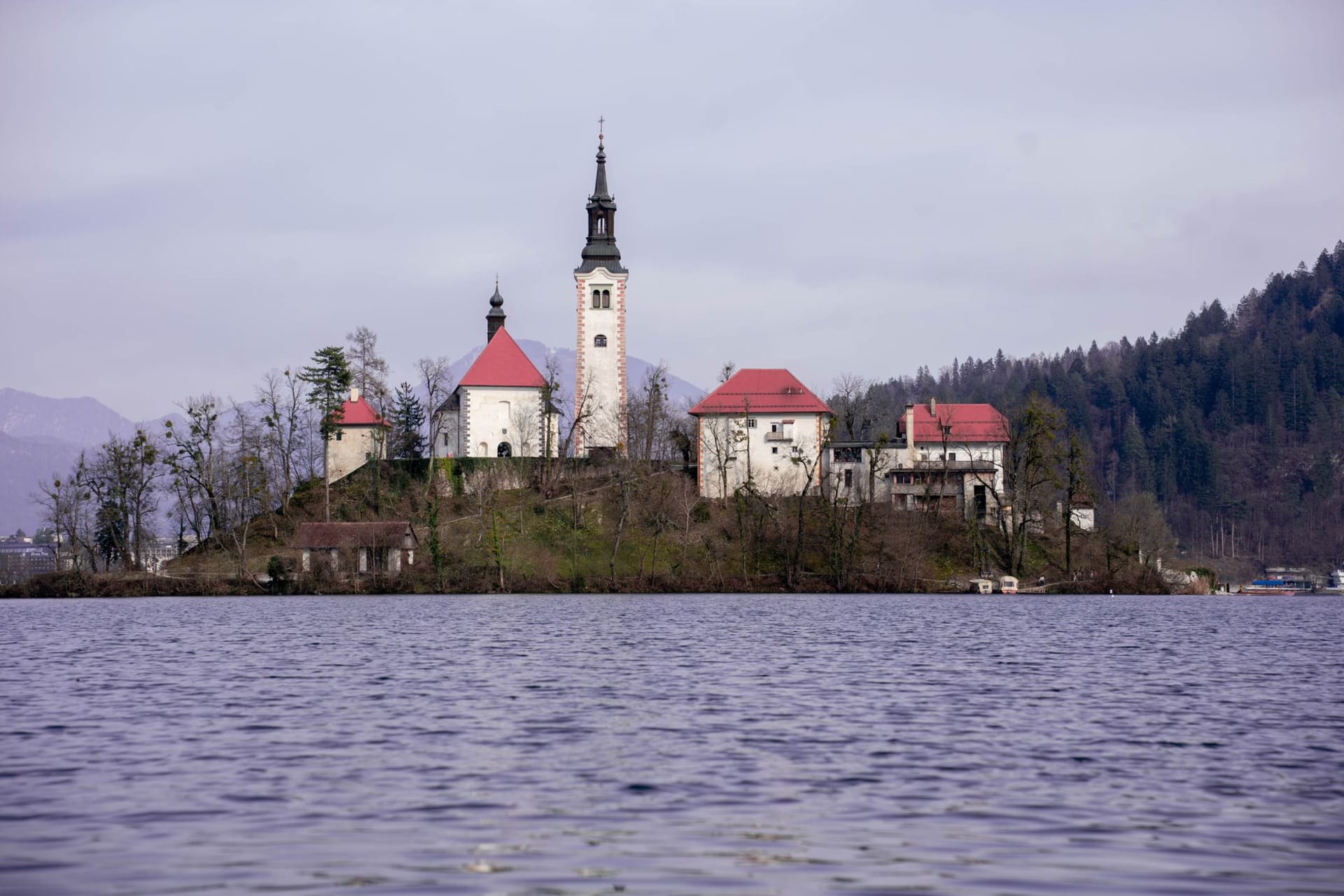
A pocket-sized country where the Alps meet the Balkans and a lake with an island church somehow manages to exceed every photograph you've ever seen of it.
I arrived in Ljubljana on a night bus from Zagreb, half-asleep, expecting nothing in particular. By the time I’d walked across the Dragon Bridge and sat down with a glass of orange wine at a bar cantilevered over the Ljubljanica, I understood I had dramatically underestimated this place. The old town is small enough to cross on foot in fifteen minutes, but it pulls you in circles — a baroque fountain here, a covered market smelling of dried mushrooms and aged cheese, a castle up on the hill that you keep meaning to visit and keep forgetting because the street level is so alive. Ljubljana does not try very hard to impress you, and that is precisely why it does.
Lake Bled is one of those places where you expect the reality to disappoint the image, and it doesn’t. I’ve been to enough Instagram-famous spots to feel the particular deflation when the light is wrong and the crowds are thick and the magic is somewhere behind a hundred people holding phones. Bled is different. The island church in the middle of that improbably blue-green lake, the castle on its cliff, the Julian Alps stacked behind — the scene holds up from every angle, at every hour. The trick is to go early, very early, before the tour buses from Ljubljana and Vienna arrive. At 6am in late September, I had the lakeshore almost to myself and the water was a mirror. At 10am it was a different story entirely. Go early or go to Lake Bohinj instead, which is larger, wilder, and sees perhaps a tenth of the visitors.
The Soča Valley north of Most na Soči is what tipped Slovenia from pleasant surprise to genuine obsession. The river is an impossible shade of turquoise — not the blue-green of the Adriatic, not the grey-green of alpine streams, but something purer and stranger, like someone melted aquamarine. I rented a bike in Bovec and followed the valley for a morning, stopping to eat a burek from a bakery in the village and watch kayakers work through a rapid. The Julian Alps above Kranjska Gora close things off neatly at the northwest corner — hiking in July, skiing in February, and in both seasons a quality of light that makes the meadows look painted.
When to go: May to June and September to early October. Summer is fine but Bled gets genuinely crowded in July and August. The shoulder seasons offer better weather for hiking, cheaper accommodation, and the valley towns to yourself. Winter in the Alps is legitimate ski country without the Swiss price tag.
What most guides get wrong: They treat Slovenia as a quick detour from Vienna or Zagreb — two days, Bled and Ljubljana, done. But the Soča Valley alone warrants three or four days, and the Karst region near Postojna (the caves are touristy but genuinely spectacular) and the small wine region of Brda near the Italian border reward those who slow down. Slovenia is the size of New Jersey and packs more geographic variety than countries ten times its size. Rush it and you’ll miss the point entirely.
Explore
Places in Slovenia
 slovenia
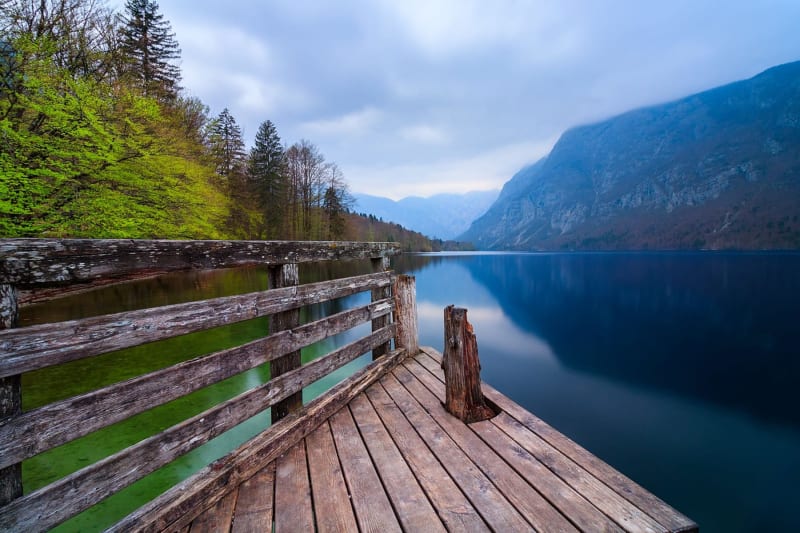
 Bohinj
A glacial lake in the Julian Alps, wilder and quieter than its famous neighbor Bled — the Slovenia that hasn't been packaged for postcards yet.
Explore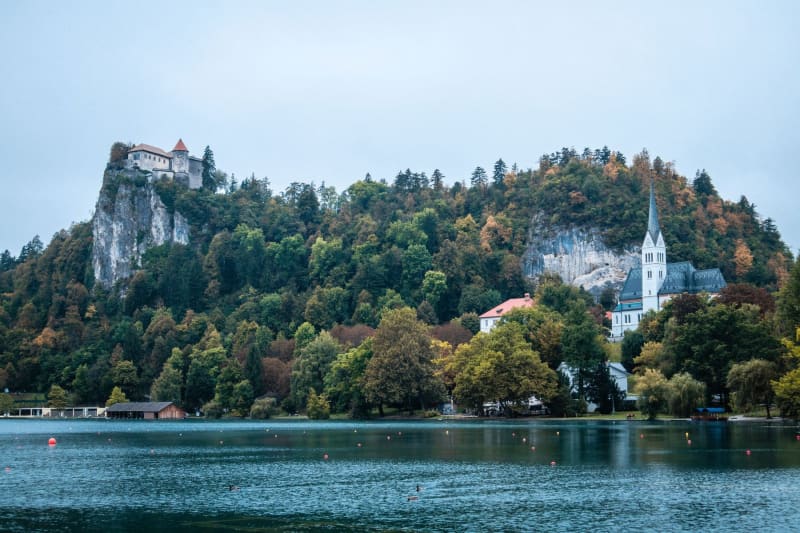 slovenia
 Lake Bled
A postcard-perfect Alpine lake with an island church and a clifftop castle — improbably real and even more beautiful in person.
Explore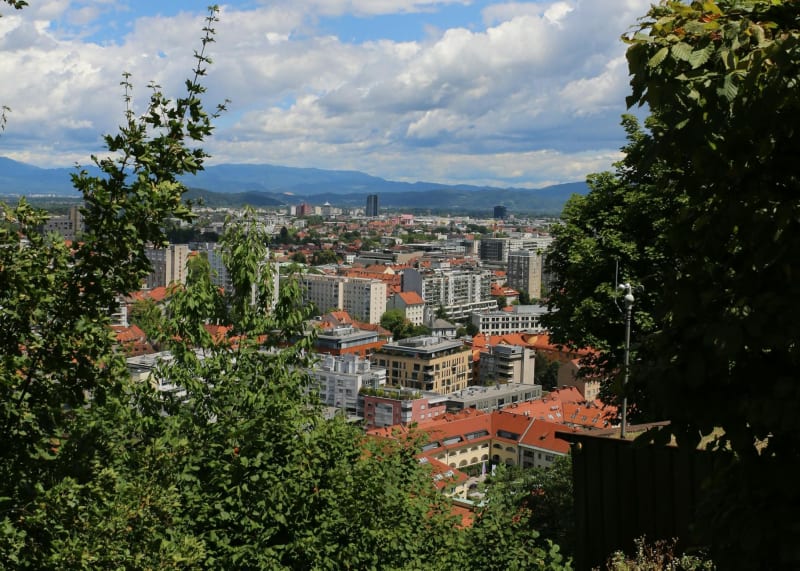 slovenia
 Ljubljana
Europe's most livable small capital stretches lazily along the Ljubljanica, its castle-crowned hill watching over cafe-filled riverbanks.
Explore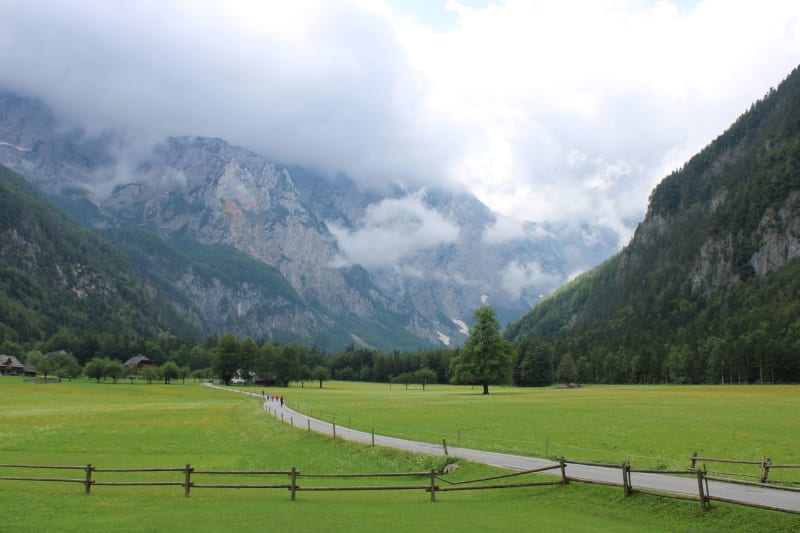 slovenia
 Logarska Dolina
A glacial valley tucked into the Savinja Alps where working farmsteads share meadows with 2,000-meter peaks and the only waterfall in Slovenia worth driving a narrow mountain road to reach drops 90 meters off a cliff into cold silence.
Explore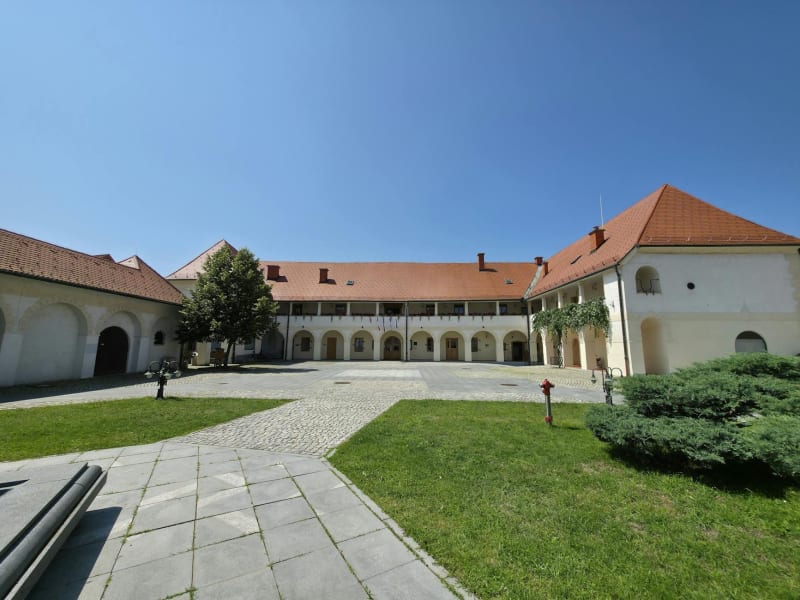 slovenia
 Maribor
Home to the world's oldest grapevine — over 400 years old — this Drava riverside city lives beautifully between tradition and transformation.
Explore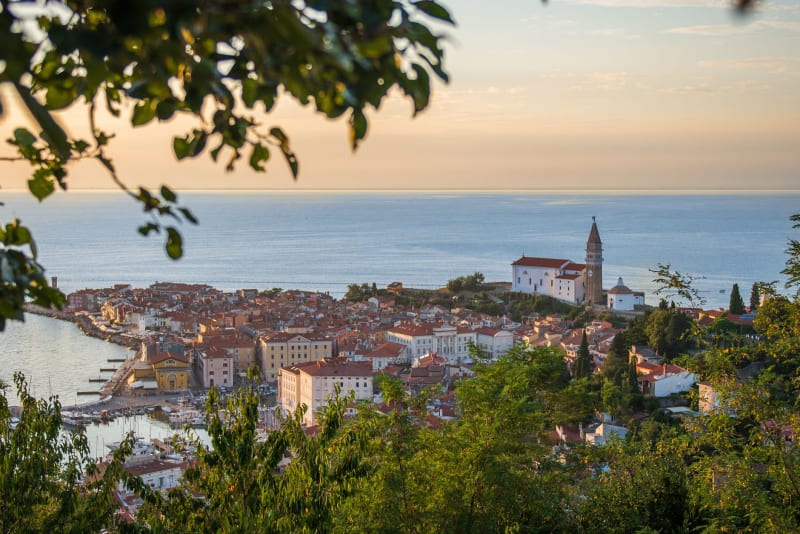 slovenia
 Piran
A perfectly preserved Venetian sea town jutting into the Adriatic from Slovenia's tiny coastline — salty, golden, and achingly beautiful.
Explore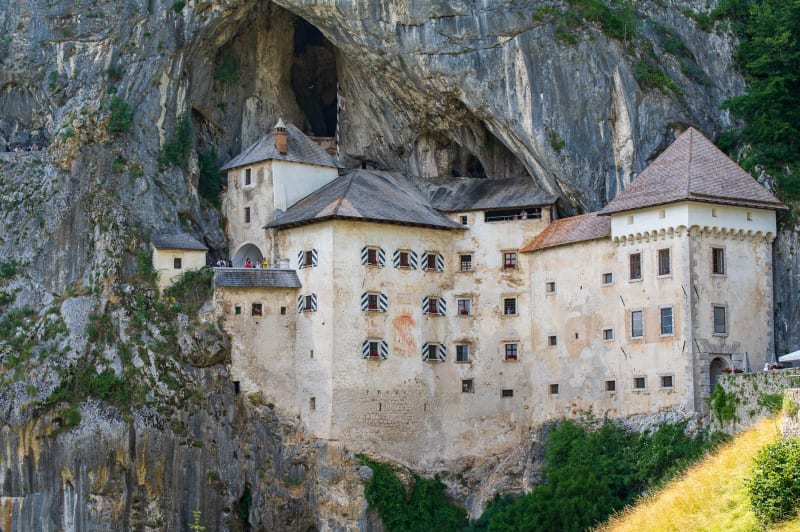 slovenia
 Postojna Cave
Europe's most elaborate cave system pulls you underground by electric train into a world of cathedral-scale caverns, otherworldly formations, and a blind, pale amphibian that has lived in the dark for so long it forgot what eyes were for.
Explore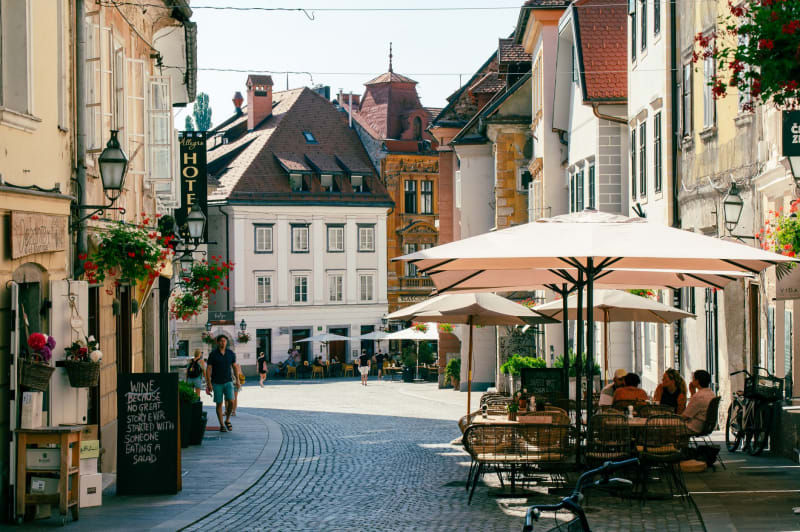 slovenia
 Ptuj
Slovenia's oldest town sits on the Drava River beneath a castle hill, carrying two thousand years of Roman, medieval, and Styrian wine culture with the quiet confidence of somewhere that has never needed to advertise itself.
Explore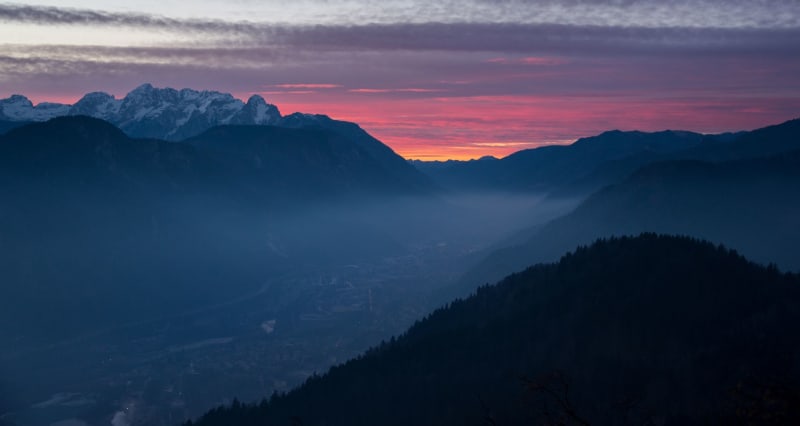 slovenia
 Soča Valley
A glacially carved corridor in the Julian Alps where the river runs an impossible shade of jade and every bend in the road carries the weight of a forgotten war.
Explore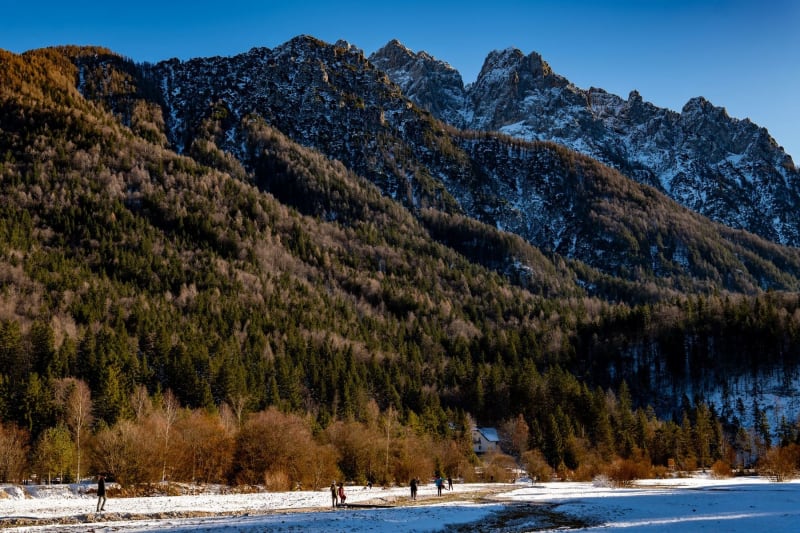 slovenia
 Triglav National Park
Slovenia's only national park wraps around its highest peak, hiding emerald rivers, limestone plateaus, and trails few foreigners ever find.
Explore