Home to the world's oldest grapevine — over 400 years old — this Drava riverside city lives beautifully between tradition and transformation.
I came to Maribor because of a grapevine. That sounds like a strange reason to cross a border, but when I read that a single vine on the wall of a house in Lent quarter had been growing continuously since the 1500s — surviving wars, occupations, the entire arc of modern Europe — it felt less like tourism and more like obligation. Some things deserve a witness.
The Vine and the Lent Quarter
The Old Vine House sits on Vojašniška ulica, facing the Drava, modest in the way that truly old things often are. No grand entrance. Just a building, and climbing from its facade this improbable survivor — thick-trunked now, woody and gnarled, its branches spread wide across the wall like a dark map of time. They harvest it every autumn and bottle maybe a few hundred liters. I bought two small bottles at the shop inside, more as talismans than wine. Lia held one up against the light and said it looked like amber, and she was right.
The Lent district along the river is where Maribor breathes easiest. Cobblestones, low buildings painted in ochre and cream, the smell of river water mixing with something faintly of roasting meat from the terrace restaurants. In summer there’s a festival here that fills every square with stages and bodies, but I was glad to arrive in a quieter shoulder month, when the city belonged mostly to itself.
Uphill to the Old Castle
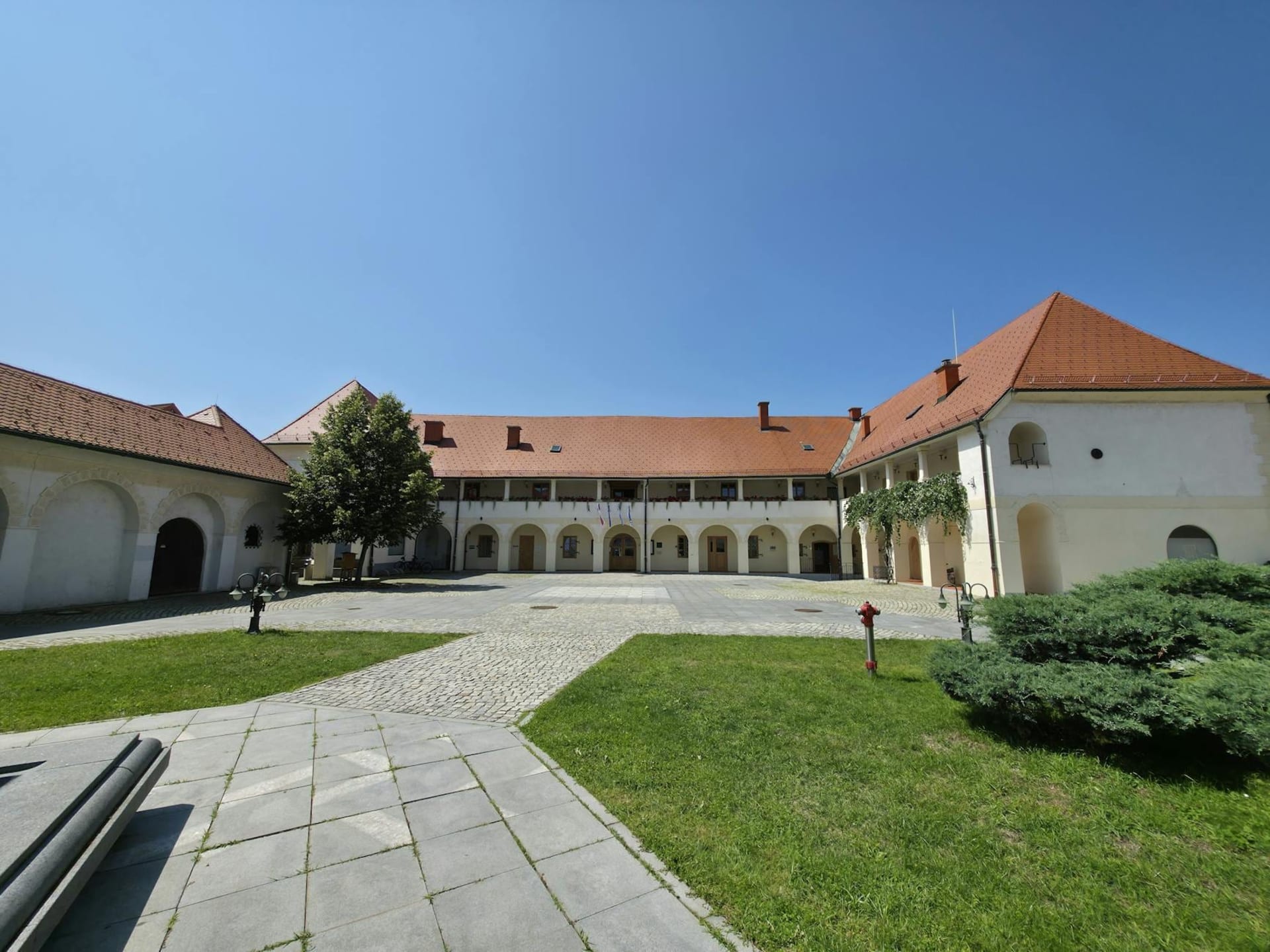
I climbed toward Maribor Castle — Grajski trg, the castle square — on a morning with low clouds that kept the light soft and shadowless, good light for old stone. The Regional Museum inside was fine but I lingered longer outside, watching a group of schoolchildren argue over something near the plague column. That column, seventeenth century, erected in gratitude after a plague passed — it carries its history plainly, without ceremony.
What surprised me was the market below, on Trg svobode. I had expected something tourist-polished. Instead I found farmers with muddy boots selling bundles of dried herbs, a woman ladling something steaming from a pot, the whole scene smelling of mushrooms and autumn earth. I ate a bowl of bograč — a Styrian meat stew, heavy with paprika — standing at a folding table, and it was exactly right.
Wine Country on the Doorstep
Maribor is the capital of the Štajerska wine region, and the hills east of the city — the Mariborsko Pohorje on one side, the wine road toward Jeruzalem on the other — are worth at least an afternoon. The whites here, Welschriesling and Šipon, have a dry, mineral quality that I associate with cool cellars and stone walls. We stopped at a small kleti, a wine cellar, off the main road and drank two glasses standing in a garden while a dog slept at our feet.
When to go: Late September through October is ideal — the harvest is underway, the Lent festival crowds have gone, and the light on the river turns golden in a way that makes the whole city look like a painting just slightly older than memory.