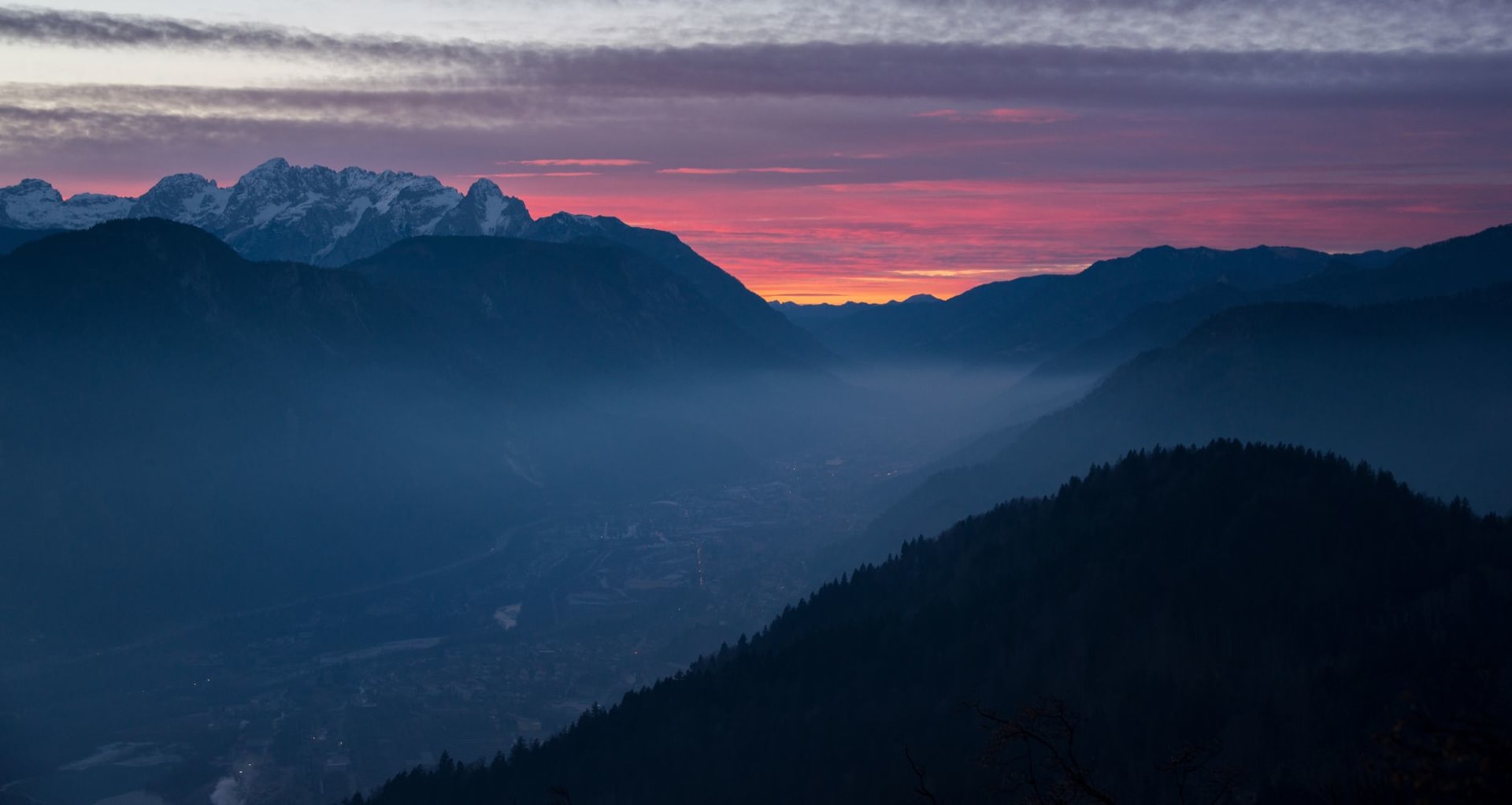
Soča Valley
"The water was the color of something you'd invented, except it was actually there."
The Soča River has a color I’ve never been able to accurately describe to anyone who hasn’t seen it. Turquoise is close. Aquamarine. But those words suggest something artificial, like pool dye, and the Soča is anything but. It’s more like light has been folded into the water and is emitting from within. I arrived at the river near Bovec on a grey October morning, expecting the famous color to need sunshine to work. It didn’t. Even under cloud cover, the Soča glowed with that particular cold-jade intensity that made me stop the car on the bridge and just stare. The science is straightforward — glacial melt, suspended limestone minerals, pale riverbed — and it explains nothing.
The Color That Doesn’t Make Sense
The upper valley around Bovec is wide and agricultural before it tightens into gorges further south. The Soča runs through all of it with the same detached luminosity regardless of the canyon or meadow it happens to be crossing. I found myself inventing excuses to cross every bridge on the road south: checking the map, pulling over for water, pretending to look for something in the boot. I just wanted to see the river from another angle.
Kobarid and What Happened Here
Downstream, the valley widens at Kobarid — Caporetto to the Italians — and the mood shifts completely. This was the site of one of the First World War’s most catastrophic military collapses: in October 1917, a combined Austro-German offensive shattered the Italian line here, with casualties along the Isonzo Front running into the hundreds of thousands over the preceding years of battle. The Kobariški muzej doesn’t dramatize any of it. It shows maps, photographs, trench equipment. It lets the scale land quietly. I walked out into the afternoon feeling heavier than I’d walked in and ordered a plate of žlikrofi at the first restaurant I found — small stuffed pasta, warm, grounding — because I needed something that tasted like someone had made it carefully.
Moving in the Water
Bovec is the adventure hub: rafting, kayaking, canyoning, via ferrata. I spent half a day in a kayak on the upper river. Water temperature in summer barely reaches 15°C — you know this within about thirty seconds. The current is deceptively strong in places and then suddenly slack, pooling into long stretches where you can see straight to the bottom five meters down. I’m not a particularly skilled kayaker and I managed fine. What I didn’t manage was keeping my hands from going numb within an hour, a fact I chose to ignore for longer than was sensible.
The Road That Keeps Giving
The Vršič Pass continues northeast into Kranjska Gora, but I took the slower route south toward Tolmin and it’s one of those drives where you keep pulling over because something around each corner insists on it. A village of ten stone houses with a church too large for any of them. A WWI cemetery above a meadow with white crosses in grass that nobody seemed to have been recently visiting. A waterfall visible from the road requiring a twenty-minute walk to reach properly, which I did, in wet shoes, because of course I did.
When to go: June to September for rafting and kayaking; the water is cold year-round but air temperatures make July and August the most comfortable for being wet. October brings autumn color and far fewer crowds on the river. Avoid peak August weekends in Bovec if you dislike queuing for everything. The Vršič Pass closes in heavy snow, typically November through April.