
Asia
North Korea
"You don't visit North Korea — you are staged through it."
The last country on earth where a government has successfully replaced reality with a competing version of it — and where every street, meal, and guided detour reveals the seams.

I landed in Pyongyang on a Tuesday morning in October, and the first thing I noticed was the smell: clean. Not the clean of a place that is clean, but the clean of a place that is empty. The airport terminal had marble floors, a mural of Kim Jong-un greeting what I assumed were grateful citizens, and almost no one else. Our group of twelve was the only flight that day. An official in a suit smiled at each of us with a particular kind of intensity — the smile of someone who has been told that smiling is required.
Pyongyang is the most controlled city I have ever set foot in. Every building you are allowed to see has been selected. Every street you walk down has been prepared. The Juche Tower stands across the Taedong River, and they will take you there, and you will stand at its base and look up at 170 meters of socialist optimism, and the guide will explain what Juche means, and you will nod, and somewhere in your chest you will feel the vertigo of not knowing what is real. That vertigo is the actual experience of North Korea. Everything else is backdrop.
What surprised me — and I did not expect to be surprised — was the food. I had been warned to expect nothing. Instead, in the government-approved restaurant on our second evening, I ate one of the best cold noodle dishes of my life: naengmyeon, buckwheat noodles in an icy broth with a strip of pickled radish and half a hard-boiled egg. The cook had clearly cared about it. Someone in this country cares about buckwheat noodles, and that detail undid something in my chest that all the monuments had been carefully constructing. The ordinary persists, even here.
Outside Pyongyang — if you can negotiate the itinerary — the countryside is extraordinary. Mount Myohyang in the north has temples that predate the Kim dynasty by a thousand years. Kaesong, near the southern border, has a preserved Goryeo-era village where old men play chess in courtyards as if the twentieth century happened elsewhere. These are not propaganda. They are just very old, and very beautiful, and the guides seem genuinely proud of them in a way that feels different from the practiced pride of the city.
When to go: Late April to early June catches the cherry blossoms and avoids the summer heat. October is also excellent — cool air, clear skies, and the autumn colors on Myohyang make the mountain temples feel dreamlike. Avoid August, which is the anniversary of Liberation from Japan and adds layers of ceremony that can make the itinerary even more rigid than usual.
What most guides get wrong: They frame North Korea as purely a political spectacle, a dark-tourism checkbox, a place you visit to say you went. That framing makes you a bad observer. The people you will glimpse — not your guides, but the woman hanging laundry on a fourth-floor balcony, the teenagers racing bicycles near the Potong River, the old man asleep on a park bench — are living their lives inside a system they did not choose, the same way most people everywhere do. The most honest thing I can say about North Korea is that it made me a more uncomfortable traveler, and that discomfort was the most valuable thing I brought home.
Explore
Places in North Korea
 north-korea
 Chongjin
A gritty industrial port frozen in time, where steel furnaces and coastal fog outline one of North Korea's most rarely seen cities.
Explore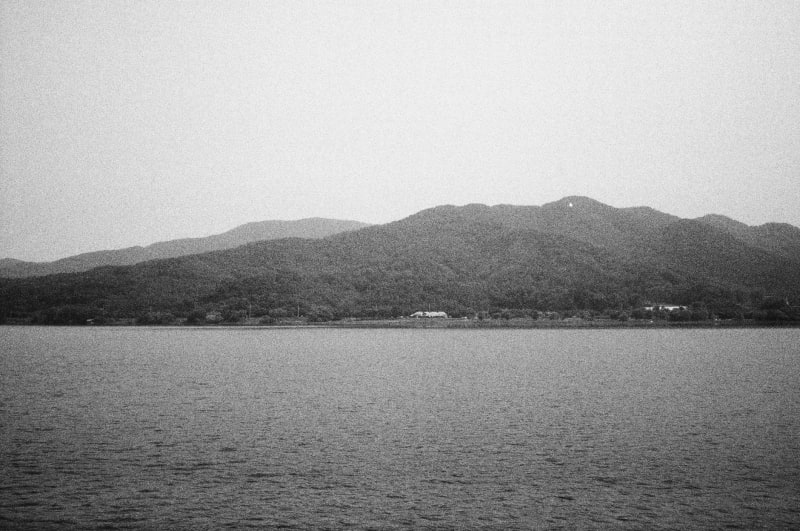 north-korea
 Hamhung
North Korea's second city, an industrial giant on the northeastern coast whose people make the country's chemicals and fertilizer and cook the best cold noodles you will ever eat.
Explore north-korea
 Hyangsan
A quiet town below Mount Myohyang where I walked past gifted armored trains and stuffed animals inside a mountain built to hold them.
Explore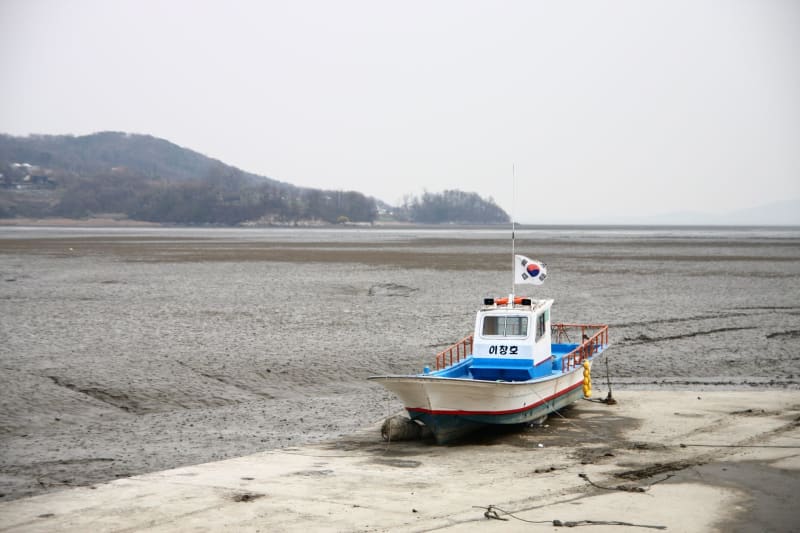 north-korea
 Kaesong
A Goryeo-dynasty city so close to the southern border that on clear days you can see the South Korean guard posts, and the old men here have stopped looking.
Explore north-korea
 Mount Chilbo
A remote coast in the country's far northeast where eroded rock pinnacles drop straight into the Sea of Japan and a state-run homestay lets you sleep in an actual village.
Explore north-korea
 Mount Kumgang
A granite mountain range so beautiful that both Koreas once agreed to put politics aside for it — until they didn't, and the silence returned, deeper than before.
Explore north-korea
 Mount Kuwol
A rugged, half-forgotten mountain in South Hwanghae with a clifftop temple that our guides seemed genuinely happy to show us.
Explore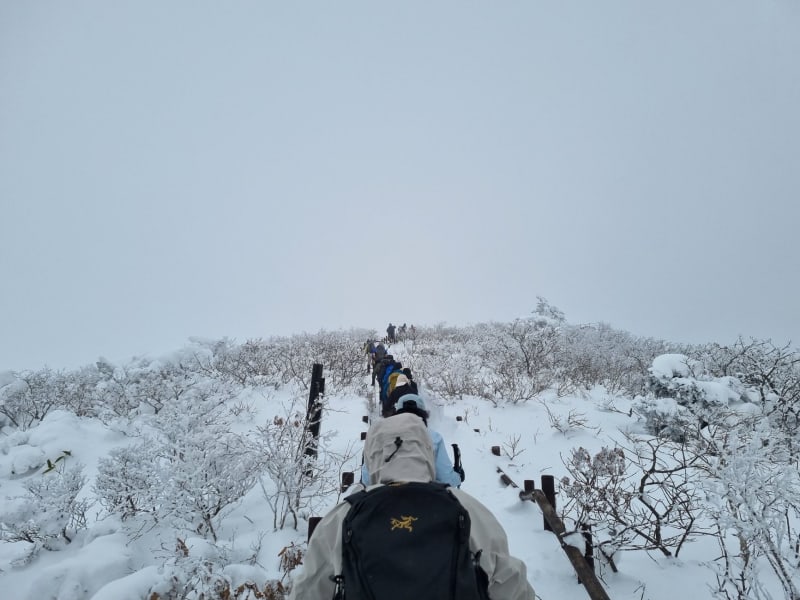 north-korea
 Mount Myohyang
A Buddhist mountain of thousand-year-old temples where the mist comes down thick enough to make you forget, for a moment, which century you're in.
Explore north-korea
 Mount Paektu
A volcanic crater lake at 2,744 meters that Koreans on both sides of the border regard as the geographic soul of their civilization — and that the regime treats as a birthplace of gods.
Explore north-korea
 Nampo
Pyongyang's port city on the Yellow Sea, where a tidal barrage the length of a small highway crosses the Taedong estuary and the country's best apples grow in the hills behind.
Explore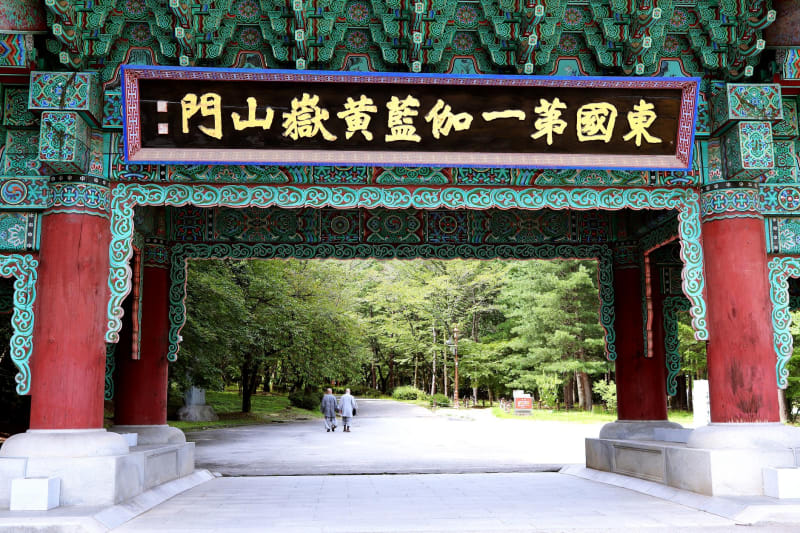 north-korea
 Panmunjom
The Joint Security Area where the Korean War never quite ended — a strip of concrete and painted lines where two soldiers stand a meter apart and do not look at each other.
Explore north-korea
 Pyongsong
A closed science city an hour from Pyongyang, glimpsed only through a bus window on the one detour our guides ever allowed.
Explore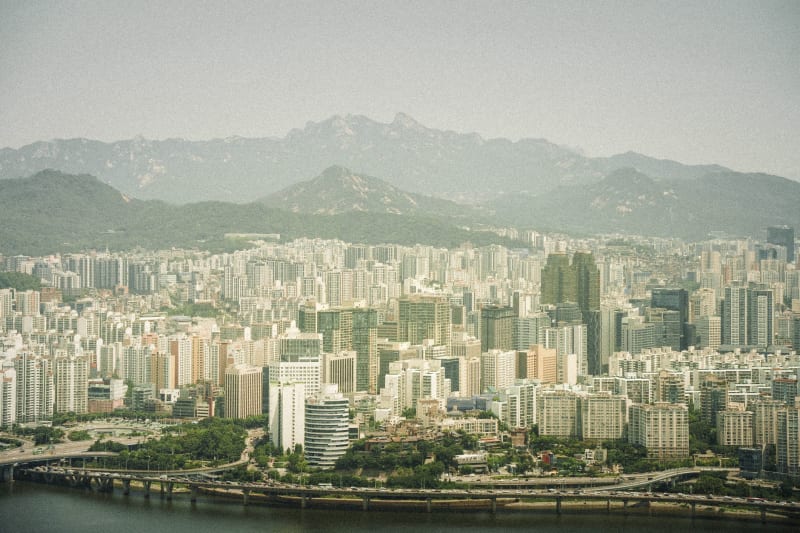 north-korea
 Pyongyang
The world's most choreographed capital, where every boulevard, monument, and smile has been arranged for an audience of one: you.
Explore north-korea
 Rason
A strange free-trade port on North Korea's northern edge, where Chinese traders, a casino, and fishing boats share a coastline the state rarely opens.
Explore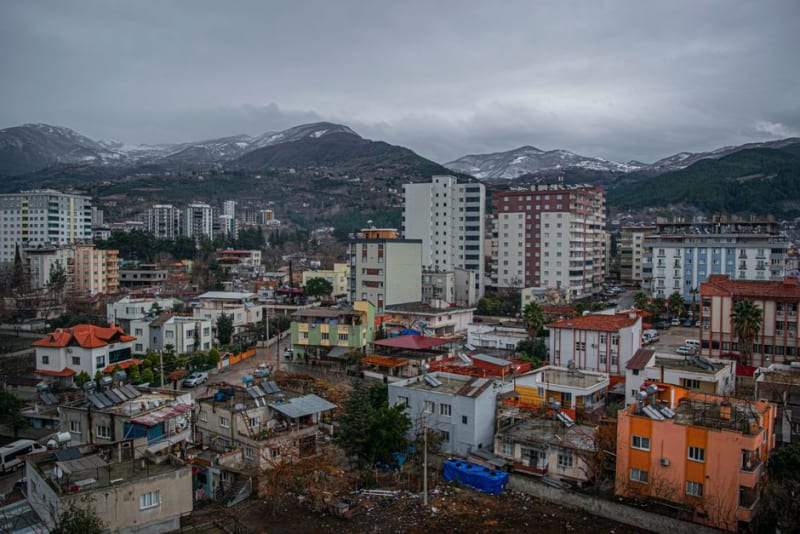 north-korea
 Samjiyon
A gleaming new town near Mount Paektu built almost overnight, where the concrete still smelled fresh under a bitter mountain wind.
Explore north-korea
 Sariwon
A rebuilt 'folk village' of tiled-roof houses and painted pavilions where I watched a wedding-dance performance staged just for us.
Explore