
Sariwon
"The woman leading the fan dance smiled at exactly the same angle every four beats, and I couldn't stop watching for the seam in it."
A rebuilt 'folk village' of tiled-roof houses and painted pavilions where I watched a wedding-dance performance staged just for us.

Sariwon sits about an hour south of Pyongyang, and it’s the stop where North Korea tries hardest to show you something that reads as “traditional Korea” rather than “socialist state.” The folk village there — Minsokgeori, a whole reconstructed street of hanok-style tiled-roof houses, pavilions, and a mock fortress wall — was built in the 2000s, not centuries ago, and everyone involved is upfront about that if you ask directly. It’s essentially a stage set, but a well-made one, and walking down the main lane with Lia in late afternoon light, the roof tiles catching gold, I stopped minding that it was reconstructed. Most heritage sites everywhere are reconstructed to some degree; this one is just less coy about it.
We were brought there mid-tour, after a run of statues and mausoleums, and I remember feeling the pace of the trip change the second we stepped through the gate. There was a small folk-performance stage where a group of women in hanbok did a fan dance and a version of a traditional wedding procession, complete with a groom in an ornate hat being carried on a palanquin. It was clearly choreographed for tour groups — smooth, repetitive, a little too polished — but the dancers were genuinely good, and one of them caught my eye and gave a real smile, not a stage one, when I clapped a beat too enthusiastically. Small moments like that are what I end up remembering more than the monuments.

Sariwon is also a real city with something like 300,000 people, the capital of North Hwanghae province, and our guides let slip that it’s known domestically for its onban, a rice soup dish, though we never got to try it ourselves — lunch that day was the usual banquet-style spread at a state restaurant a short drive from the folk village. I asked if locals ever actually visit Minsokgeori themselves, out of curiosity rather than as a paid tour stop, and got a vague “yes, on holidays” that I couldn’t verify one way or the other. That’s the texture of traveling here: you collect these half-answers and carry them home unresolved.
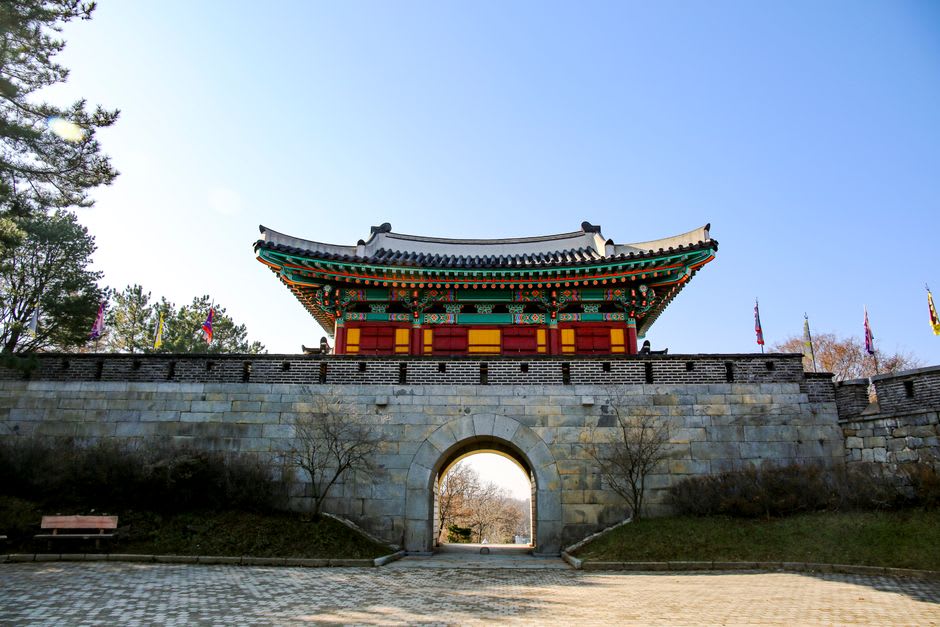
What I keep coming back to is the archery range they’d set up near the fortress wall, where tourists could pay a small fee to shoot a few arrows at a target, the fee going, we were told, to the local sports committee. Lia hit the target twice; I hit the backstop wall once and the ground the other two times, to general laughter from our guides, which was the loosest and most human I saw either of them the entire trip.
When to go: Spring and autumn give the tiled roofs their best light and keep you comfortable walking the open lanes; it’s typically a half-day stop woven into a Pyongyang–Kaesong or Pyongyang–Myohyang itinerary rather than a standalone destination.
Keep exploring
More from North Korea
 north-korea
Sinuiju
The border city facing Dandong across the Yalu River, where China is close enough to see the neon signs and the gap between the two worlds is the width of a river.
Explore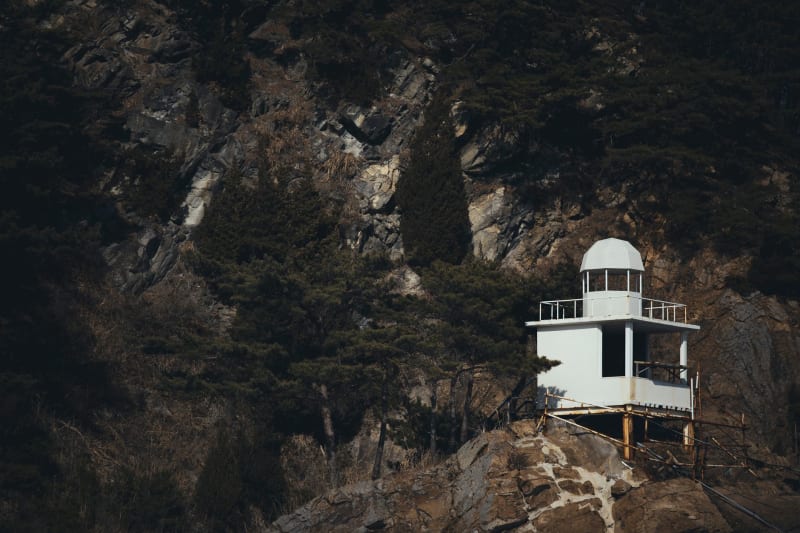 north-korea
Wonsan
An east coast port city where the Sea of Japan arrives in long slow waves and the gap between propaganda and everyday life narrows to something almost breathable.
Explore north-korea
Chongjin
A gritty industrial port frozen in time, where steel furnaces and coastal fog outline one of North Korea's most rarely seen cities.
Explore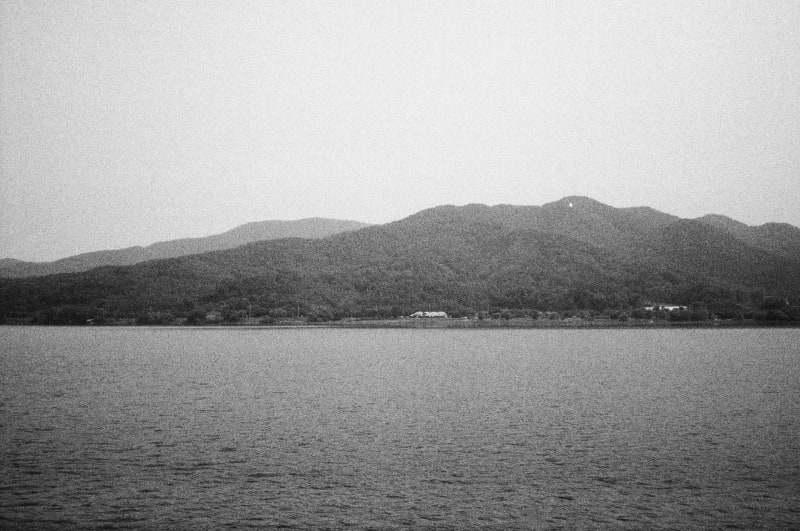 north-korea
Hamhung
North Korea's second city, an industrial giant on the northeastern coast whose people make the country's chemicals and fertilizer and cook the best cold noodles you will ever eat.
Explore north-korea
Hyangsan
A quiet town below Mount Myohyang where I walked past gifted armored trains and stuffed animals inside a mountain built to hold them.
Explore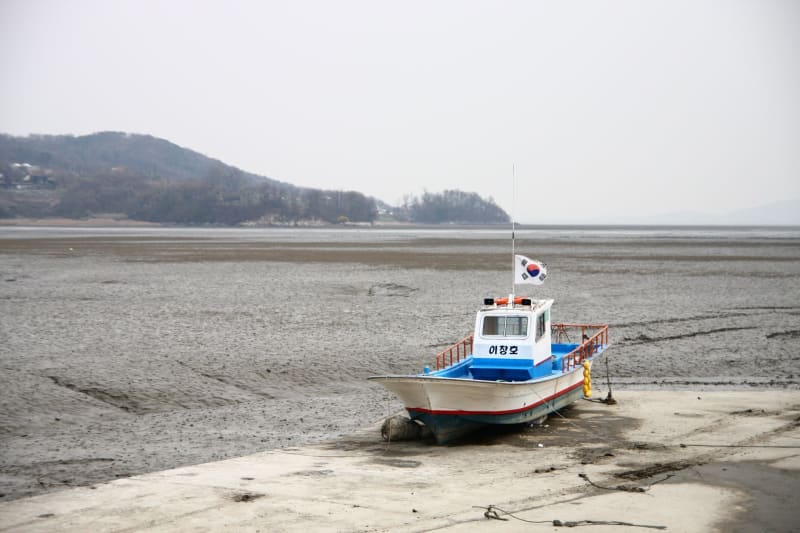 north-korea
Kaesong
A Goryeo-dynasty city so close to the southern border that on clear days you can see the South Korean guard posts, and the old men here have stopped looking.
Explore