
Wonsan
"The sea doesn't know which side of the border it's on — and watching it, neither do you."
An east coast port city where the Sea of Japan arrives in long slow waves and the gap between propaganda and everyday life narrows to something almost breathable.

I didn’t expect to love Wonsan. It appeared on the itinerary as a box to tick — east coast port, beach visit, approved seafood lunch — and I arrived with the diminished expectations that North Korea’s controlled tourism tends to produce. What I found instead was a city with its guard partially down. Not fully — never fully — but Wonsan seemed less rehearsed than Pyongyang, more worn at the edges, more interested in getting on with things.
The bay is genuinely beautiful. A crescent of grey sand curves between two wooded headlands, and the Sea of Japan — which Koreans, north and south, call the East Sea — comes in with long, quiet swells that break softly and drag back through the sand with the sound of a long exhale. In October, the beach was empty except for a few elderly joggers and a couple walking a dog that had clearly not been briefed on the requirements of socialist discipline. It ran where it wanted. The couple laughed when I watched it go.

The port smell reached me before the harbor did: engine oil, diesel, the iron-and-salt smell of cold seawater over nets. Wonsan is a working port in a way that Pyongyang does not permit itself to be — the fishing boats here are actual fishing boats, salt-stained and practical, and the men unloading crates from one of them paid me no particular attention. A woman was selling small dried fish from a basket at the pier entrance, and my guide bought a packet without being asked, splitting it open with her thumbs and handing me a piece. It was intensely savory and slightly bitter from the drying, and we ate it standing there in the harbor wind.
Lunch was the event I’d been warned about: a spread of East Sea seafood in a restaurant that seemed built for delegations rather than individuals. But the food transcended the setting. Grilled flounder that had been alive that morning, its skin crisped and slightly sweet. Sea cucumber braised in soy until it had the wobbling, gelatinous texture that I find disturbing and sublime in equal measure. Abalone thinly sliced, barely cooked, with a dipping sauce of sesame oil and salt. I ate too much and the guide across the table looked quietly pleased about it, the way people do when a guest’s greed confirms that their food is worth eating.

The afternoon light on Wonsan was something I kept trying to photograph and failing to capture. The city’s low skyline — apartment blocks, a factory chimney, the curve of a stadium — sat behind the bay in a kind of resigned ordinariness, and the light came off the water in a broad, pewter diffusion that made everything look softer than it was. A boy was flying a kite from the beach seawall. The kite was red. The wind took it very high. I stood and watched it for longer than I should have, which my guides interpreted as a photographer’s pause and did not interrupt.
When to go: July and August bring North Korean domestic tourists — the beach resorts around Wonsan are genuine holiday destinations for Pyongyang residents — and the city feels more populated and vivid. October and early November offer the most dramatic coastal light and cooler temperatures ideal for walking the headlands. The Masikryong ski resort nearby operates in winter if skiing under these particular auspices appeals.
Keep exploring
More from North Korea
 north-korea
Chongjin
A gritty industrial port frozen in time, where steel furnaces and coastal fog outline one of North Korea's most rarely seen cities.
Explore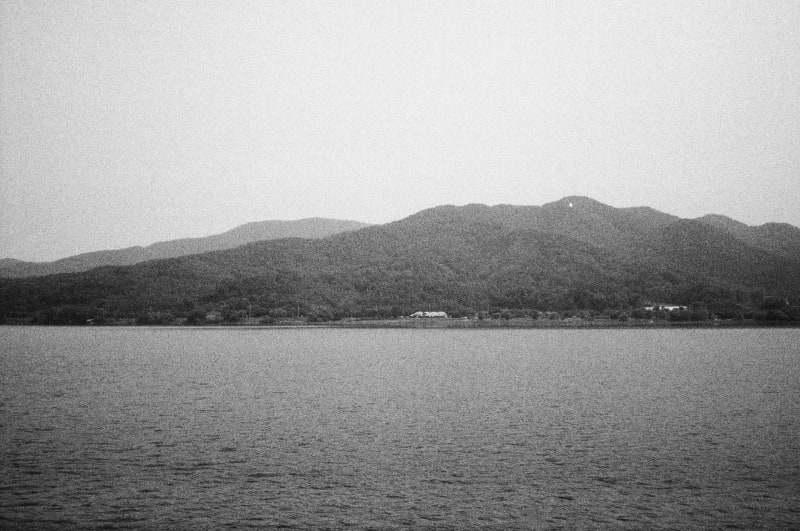 north-korea
Hamhung
North Korea's second city, an industrial giant on the northeastern coast whose people make the country's chemicals and fertilizer and cook the best cold noodles you will ever eat.
Explore north-korea
Hyangsan
A quiet town below Mount Myohyang where I walked past gifted armored trains and stuffed animals inside a mountain built to hold them.
Explore north-korea
Kaesong
A Goryeo-dynasty city so close to the southern border that on clear days you can see the South Korean guard posts, and the old men here have stopped looking.
Explore north-korea
Mount Chilbo
A remote coast in the country's far northeast where eroded rock pinnacles drop straight into the Sea of Japan and a state-run homestay lets you sleep in an actual village.
Explore north-korea
Mount Kumgang
A granite mountain range so beautiful that both Koreas once agreed to put politics aside for it — until they didn't, and the silence returned, deeper than before.
Explore