
Pyongsong
"Our guide Ms. Ri said the word 'Pyongsong' like she was letting a secret slip, then changed the subject before I could ask a second question."
A closed science city an hour from Pyongyang, glimpsed only through a bus window on the one detour our guides ever allowed.

I never actually set foot in Pyongsong. That’s the honest way to start this one. We were on the highway north out of Pyongyang, headed to Mount Myohyang, and our minder pointed out the window at a cluster of apartment towers rising out of the haze and said, almost offhand, “that’s Pyongsong, a science city.” Lia caught my eye in the reflection of the window — we both knew not to ask more right there, with the second guide sitting two rows back listening to everything. It’s one of those places that exists mostly as a name you’re given, not a place you’re taken to, and after two trips to North Korea I’ve learned that the names you’re given in passing are often the most telling ones.
What I’ve pieced together since, from guides who loosened up slightly over soju on our last night in Pyongyang and from what I’ve read afterward, is that Pyongsong houses a good chunk of the country’s scientific and technical research institutes — the kind of closed campuses where, allegedly, missile guidance work has happened. It was built up in the 1960s as a satellite city, deliberately kept off the standard tourist circuit, and even now foreign visitors don’t get cleared to stop there. Which is a strange thing to write a travel piece about, I know. But the bus-window version of North Korea is as real a version as the curated one, maybe more honest for being unscripted.

What struck me, looking at it for the ninety seconds we had it in view, was how ordinary it looked. Not a bunker complex, not barbed wire and searchlights — just apartment blocks, laundry lines, a water tower, the same beige-and-teal palette as every other planned city we’d passed. Lia said it looked like the outskirts of any provincial Chinese city she’d seen on a train ride, and she wasn’t wrong. That ordinariness sat with me longer than the monuments did, honestly. The Kumsusan Palace and the bronze statues on Mansu Hill are designed to overwhelm you; Pyongsong just went by like scenery, and that made it feel more like a real place where people actually live and go to work.
I asked our younger guide, Mr. Pak, later that day what people in Pyongsong actually do, keeping it vague enough not to put him in a spot. He said “scientists, professors, very smart people” and smiled in a way that closed the topic. I let it go. You learn quickly on these trips which questions get you a real answer and which get you a rehearsed one, and this was clearly the second kind — not hostility, just a line he wasn’t going to cross with two French tourists and a state minder from Beijing.

When to go: You won’t get to choose — Pyongsong isn’t on any approved itinerary, and this is only worth mentioning if you’re already booked on the Pyongyang–Myohyang road route, where a distant glimpse from the highway is the best anyone gets.
Keep exploring
More from North Korea
 north-korea
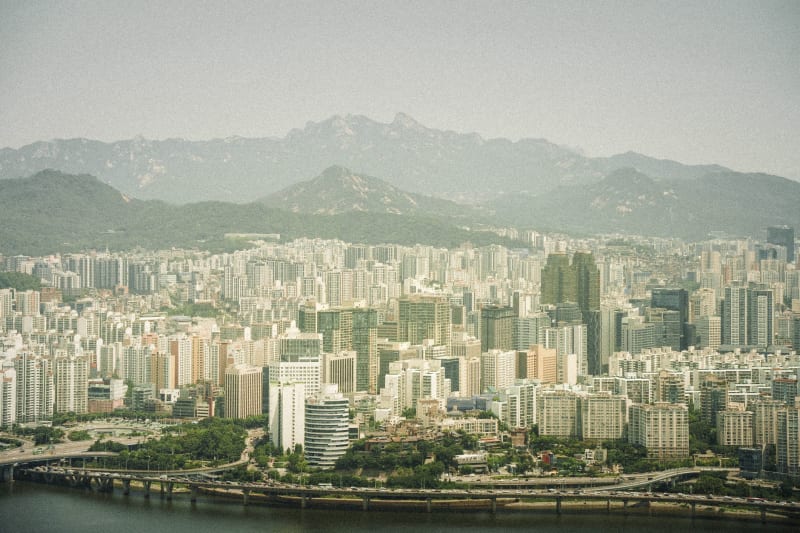
Pyongyang
The world's most choreographed capital, where every boulevard, monument, and smile has been arranged for an audience of one: you.
Explore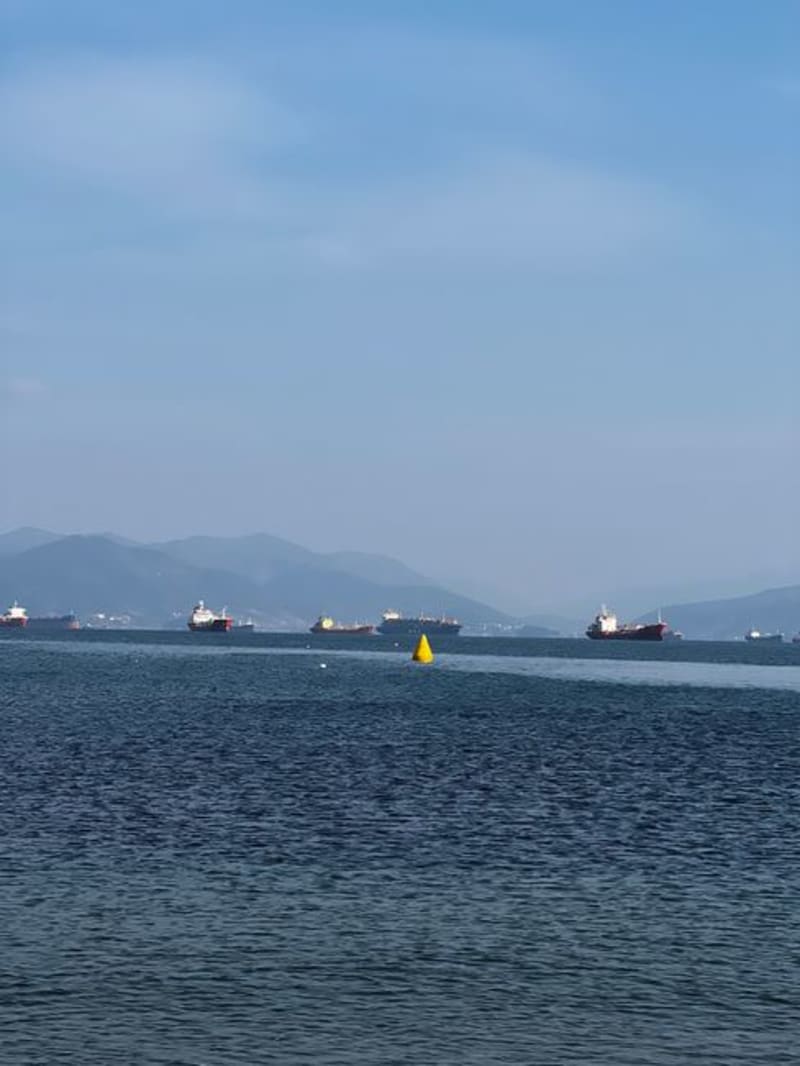 north-korea
Rason
A strange free-trade port on North Korea's northern edge, where Chinese traders, a casino, and fishing boats share a coastline the state rarely opens.
Explore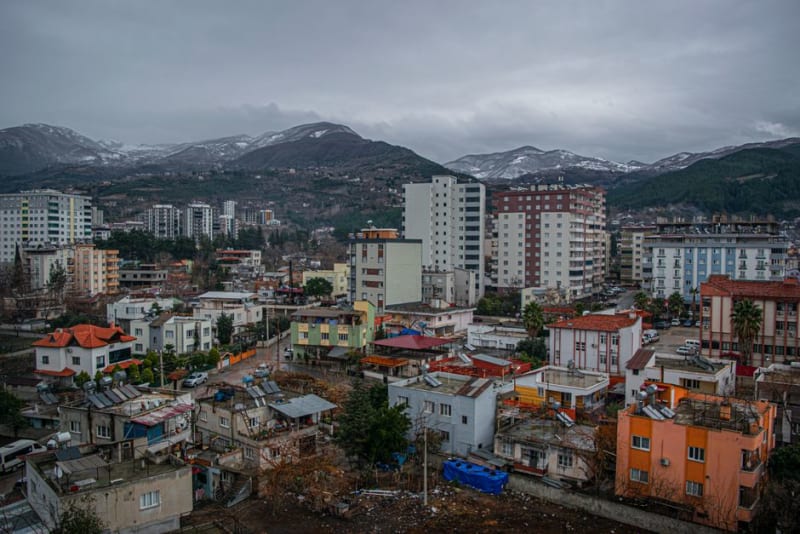 north-korea
Samjiyon
A gleaming new town near Mount Paektu built almost overnight, where the concrete still smelled fresh under a bitter mountain wind.
Explore north-korea
Sariwon
A rebuilt 'folk village' of tiled-roof houses and painted pavilions where I watched a wedding-dance performance staged just for us.
Explore north-korea
Sinuiju
The border city facing Dandong across the Yalu River, where China is close enough to see the neon signs and the gap between the two worlds is the width of a river.
Explore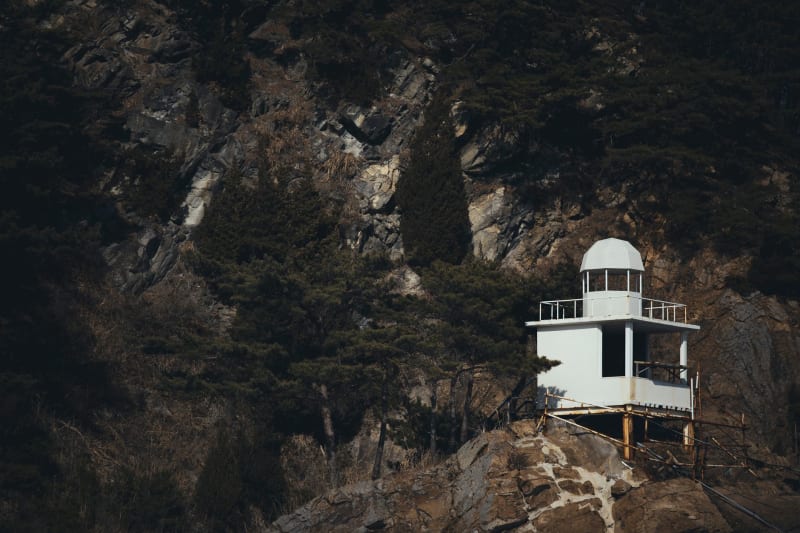 north-korea
Wonsan
An east coast port city where the Sea of Japan arrives in long slow waves and the gap between propaganda and everyday life narrows to something almost breathable.
Explore