
Panmunjom
"Both sides brought their tallest soldiers, which tells you something about what this particular theater is really performing."
The Joint Security Area where the Korean War never quite ended — a strip of concrete and painted lines where two soldiers stand a meter apart and do not look at each other.

The bus from Kaesong takes twenty minutes to reach Panmunjom, but you feel the approach differently in the body — a quiet, a sharpening, the sense of moving toward something that has been held in a state of suspension for longer than most people alive have been breathing. The Joint Security Area is managed theater from both sides, and visiting from the northern side means the theater has a different script, different costumes, a different insistence on what you are supposed to understand.
They bring you to the negotiation buildings first: the low blue barracks-style structures that straddle the Military Demarcation Line, the painted stripe that represents an armistice rather than a peace, the legal difference between those two words being one of the most consequential in modern Korean history. Inside one of the buildings, a table bisects the room, and the table itself bisects the line. A North Korean soldier stands on his side. If you walk to the far end of the table, you have technically entered the Republic of Korea — which your guides will tell you, with a precision that suggests they have said it many times, is the territory occupied by the American imperialists and their puppet government.
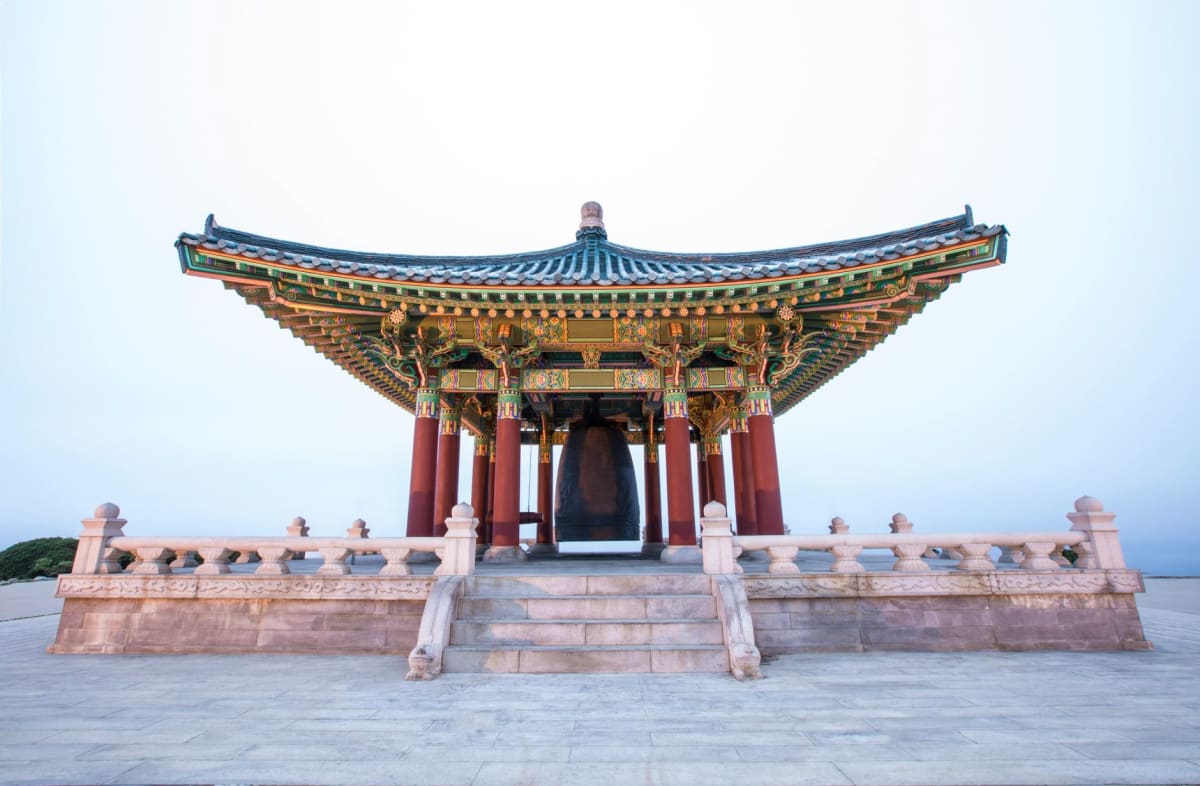
I stood at the table. The soldier did not look at me. His posture was extraordinary — not rigid exactly, but occupied, as if maintaining the posture required an act of constant internal attention. His uniform was immaculate. Through the window behind him, I could see a South Korean soldier in the same posture, facing north, equally still. Between them: two meters and seventy-three years of cold war. The room was very quiet. Someone in our group took a photograph and the shutter sound was the loudest thing in the building.
The theatrical dimensions don’t diminish the historical weight — if anything they amplify it, the way stage sets make you feel the absence of the real thing. The Armistice Agreement was signed at Panmunjom on July 27, 1953. The agreement halted hostilities but never resolved the political question, which is why the soldiers are still standing at this table, why the line is still painted, why families on both sides have spent seventy years separated by what is essentially a sustained bureaucratic argument. The monument to the agreement, maintained on the northern side, has the square, serious aesthetic of an official thing that cannot quite believe it has to keep existing.
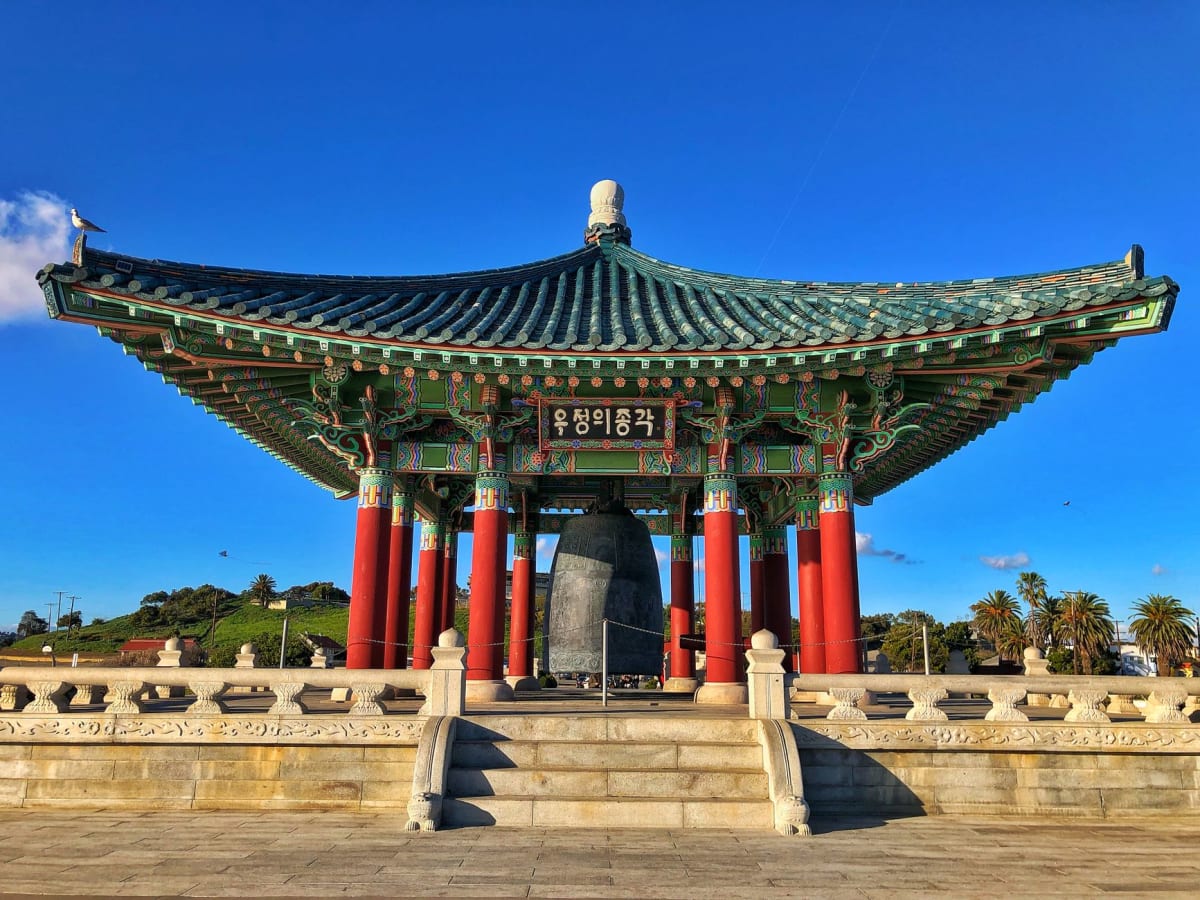
Walking back to the bus through the manicured grounds, I noticed the pines inside the Demilitarized Zone buffer — dense, untouched, growing freely in the one strip of the peninsula that humans have been too busy arguing over to develop. Wildlife has returned to the DMZ in numbers: Manchurian cranes, Amur leopards, possibly Siberian tigers. The armistice, by accident, created one of Asia’s great nature reserves. That irony felt too large to fully hold. I turned it over on the bus back to Kaesong, watching the flat southern fields through the window, and didn’t arrive anywhere with it.
When to go: Panmunjom is accessible year-round as part of tours from Kaesong. The site is more meaningful if you visit Kaesong’s old city first and approach the JSA as the end of a longer story about what division means for a civilization that was unified for millennia. Book through your tour operator; access must be approved in advance.
Keep exploring
More from North Korea
 north-korea
Pyongsong
A closed science city an hour from Pyongyang, glimpsed only through a bus window on the one detour our guides ever allowed.
Explore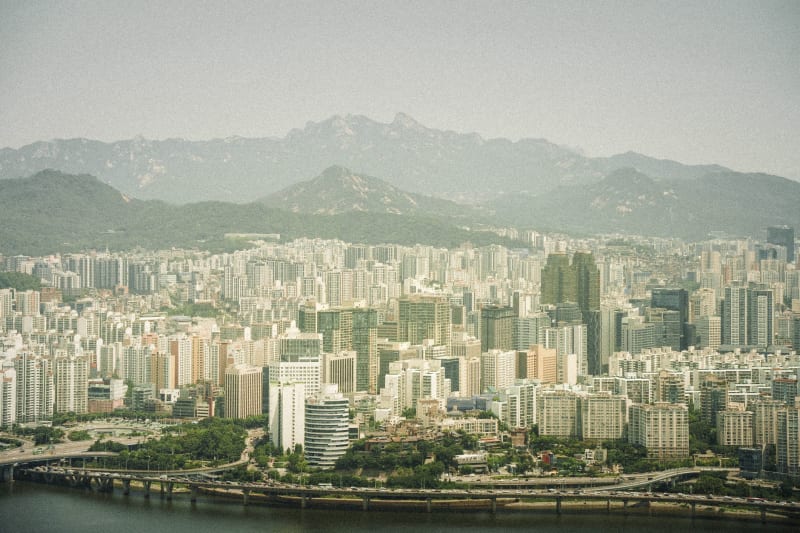 north-korea
Pyongyang
The world's most choreographed capital, where every boulevard, monument, and smile has been arranged for an audience of one: you.
Explore north-korea
Rason
A strange free-trade port on North Korea's northern edge, where Chinese traders, a casino, and fishing boats share a coastline the state rarely opens.
Explore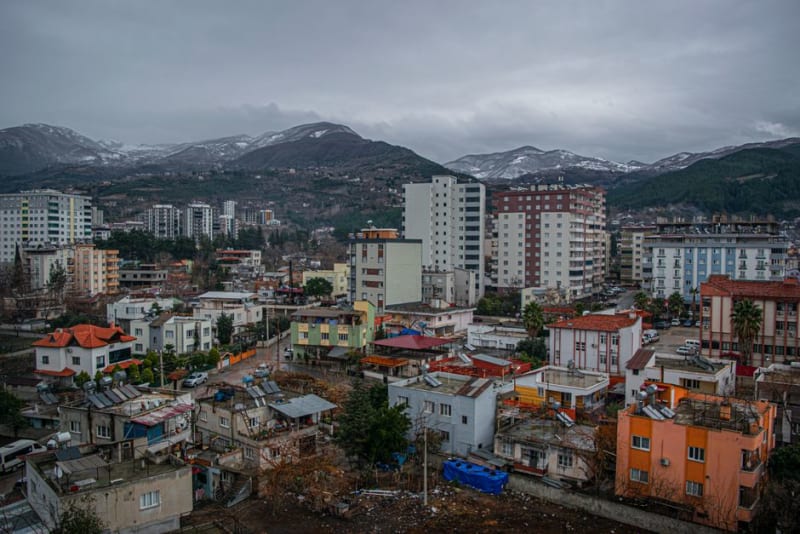 north-korea
Samjiyon
A gleaming new town near Mount Paektu built almost overnight, where the concrete still smelled fresh under a bitter mountain wind.
Explore north-korea
Sariwon
A rebuilt 'folk village' of tiled-roof houses and painted pavilions where I watched a wedding-dance performance staged just for us.
Explore north-korea
Sinuiju
The border city facing Dandong across the Yalu River, where China is close enough to see the neon signs and the gap between the two worlds is the width of a river.
Explore