
Samjiyon
"Our guide called it a 'city of the future,' and for once I believed she meant the phrase literally, not as slogan."
A gleaming new town near Mount Paektu built almost overnight, where the concrete still smelled fresh under a bitter mountain wind.

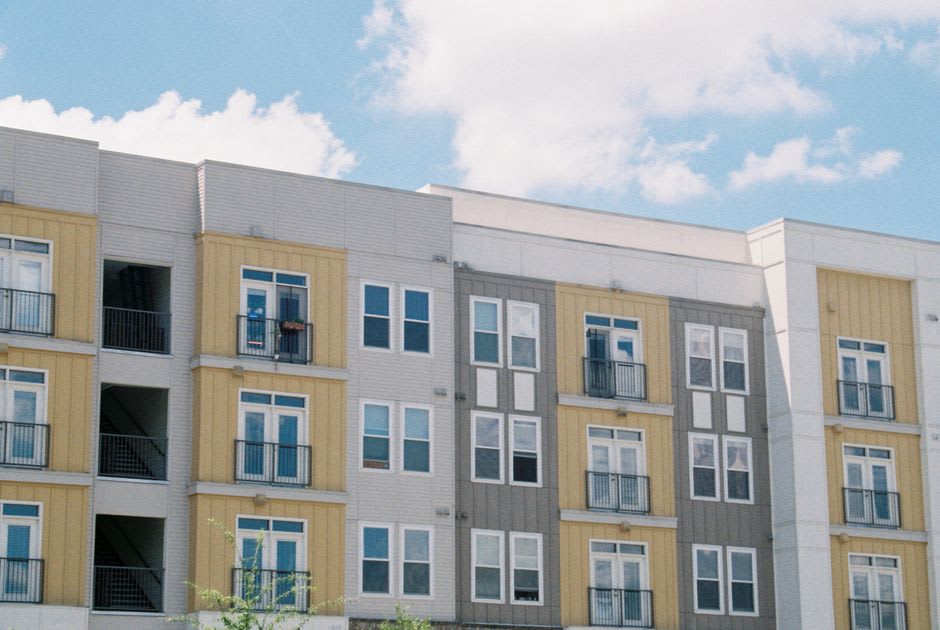
We flew into Samjiyon rather than driving, on a short domestic hop from Pyongyang, and even from the plane window you could tell it wasn’t like the rest of the country we’d seen — the buildings were too new, too uniformly bright, pastel blues and yellows against snow that hadn’t yet been touched by exhaust or dust. This whole town near the base of Mount Paektu has been rebuilt from the ground up over the past several years as a flagship resettlement project, and our guides made a point of telling us, more than once, that it had been finished in record time, workers pushing through winters that apparently drop to minus thirty. Whatever the truth of the timeline, the freshness was unmistakable. Paint still smelled faintly of paint. Sidewalks had no cracks yet.
What surprised me most was how deliberately the town performs modernity for a domestic audience as much as a foreign one — heated greenhouses growing vegetables out of season, a ski resort a short drive away at Masikryong’s sister site, apartment blocks with balconies angled to catch what little winter sun there is. Lia, who grew up partly in Alpine France, said the whole layout reminded her oddly of a purpose-built ski town, minus the ski-town commerce — no shopfronts hawking gear, no bars, just wide clean streets and a strange civic quiet. We were told several thousand families had been moved here, veterans and their families among them, given new apartments as reward and resettlement combined.
The real reason anyone comes to Samjiyon, tourist or otherwise, is Mount Paektu itself, looming an hour or so further by road — the volcanic peak considered the mythic birthplace of the Korean nation and, in state telling, the birthplace of Kim Jong Il as well, complete with a secret camp site we were shown with the same reverent hush as any religious shrine. Lake Chon at the summit was frozen solid and blindingly white the day we went, ringed by cliffs, genuinely one of the more staggering landscapes I’ve stood in front of anywhere, political theater aside. Standing at that crater rim with wind cutting through three layers of clothing, I forgot for a few minutes to be skeptical of anything and just looked at the view.

Back in town that evening we ate at a restaurant clearly built for exactly this purpose — feeding groups like ours — with local specialties built around potatoes and mountain herbs, since rice doesn’t grow well at that altitude. Our guide, unprompted, told us Samjiyon would soon have its own airport terminal to replace the modest strip we’d landed on. I don’t doubt she was right; everything we saw there had the feel of a place still actively becoming itself.
When to go: Winter is when Samjiyon is actually promoted to tourists, timed around the ski resort and the frozen Lake Chon views, but be ready for real cold — we’re talking well below freezing with wind that finds every gap in your jacket.
Keep exploring
More from North Korea
 north-korea
Sariwon
A rebuilt 'folk village' of tiled-roof houses and painted pavilions where I watched a wedding-dance performance staged just for us.
Explore north-korea
Sinuiju
The border city facing Dandong across the Yalu River, where China is close enough to see the neon signs and the gap between the two worlds is the width of a river.
Explore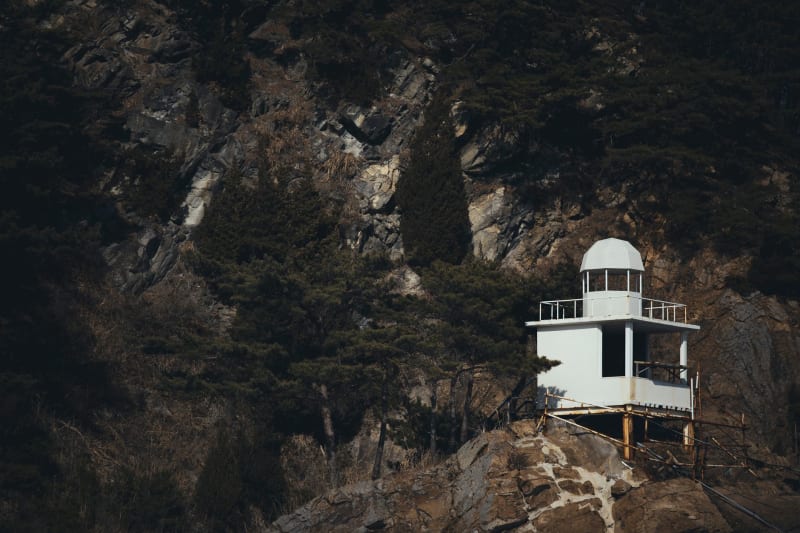 north-korea
Wonsan
An east coast port city where the Sea of Japan arrives in long slow waves and the gap between propaganda and everyday life narrows to something almost breathable.
Explore north-korea
Chongjin
A gritty industrial port frozen in time, where steel furnaces and coastal fog outline one of North Korea's most rarely seen cities.
Explore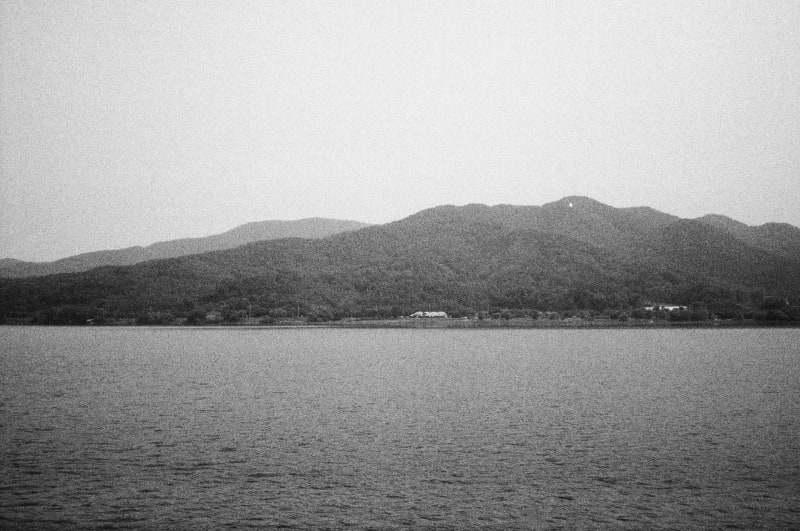 north-korea
Hamhung
North Korea's second city, an industrial giant on the northeastern coast whose people make the country's chemicals and fertilizer and cook the best cold noodles you will ever eat.
Explore north-korea
Hyangsan
A quiet town below Mount Myohyang where I walked past gifted armored trains and stuffed animals inside a mountain built to hold them.
Explore