
Africa
Morocco
"The first country that made me comfortable being lost."
Morocco overwhelms before it reveals. The medinas of Fez and Marrakech are designed to disorient — streets fold into themselves, dead ends open onto hidden courtyards, and the sound of a call to prayer bounces off walls in ways that make direction meaningless. This is not a flaw. It is the point. Morocco rewards the traveler who stops trying to find the efficient route and starts following the smell of cumin, the sound of hammering copper, the slant of afternoon light on a zellige fountain. Surrender is the first skill this country demands.
Beyond the medinas, Morocco changes character every few hours of driving. The Atlas Mountains rise abruptly from the plains south of Marrakech, their passes threading through Berber villages where life runs on agricultural time. The Dadès Valley carves rust-red gorges into the earth. And then the Sahara arrives — not gradually, but suddenly, as if the landscape simply decided to stop pretending to be anything other than sand and sky and silence. A night in the Erg Chebbi dunes is one of the few travel experiences that actually lives up to the photograph.
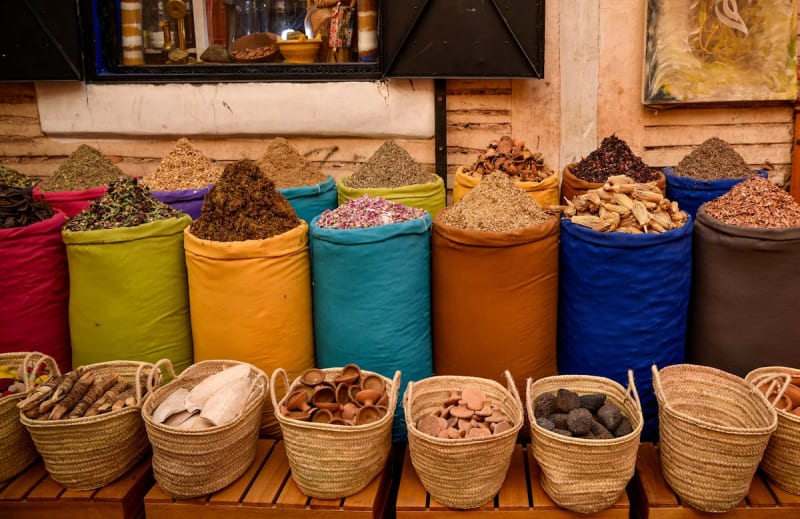
The food alone justifies the visit. Tagine is the famous dish, but the real education happens in the street stalls — a bowl of harira soup for a few dirhams, msemen flatbread torn and dipped in honey, a glass of fresh orange juice in the Jemaa el-Fnaa that costs less than a dollar and tastes like the fruit was invented that morning.
When to go: March to May or September to November. Summer is brutally hot in the interior and Sahara. Winter is pleasant on the coast but cold in the mountains, which can be snowbound. Ramadan shifts the rhythm significantly — a fascinating time to visit, but plan around altered restaurant hours.
What most guides get wrong: They treat Marrakech as Morocco. It is the gateway, not the destination. The country’s depth lives in the Middle Atlas cedar forests, the blue-washed streets of Chefchaouen, the fishing port of Essaouira, and the Draa Valley oases that most visitors drive past on a rushed desert tour. Give Morocco at least ten days. It will use every one of them.
Explore
Places in Morocco

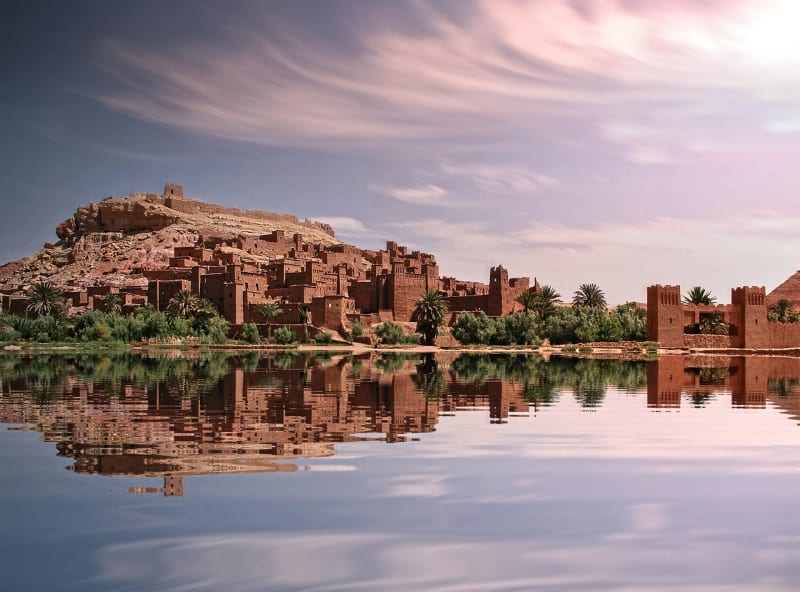
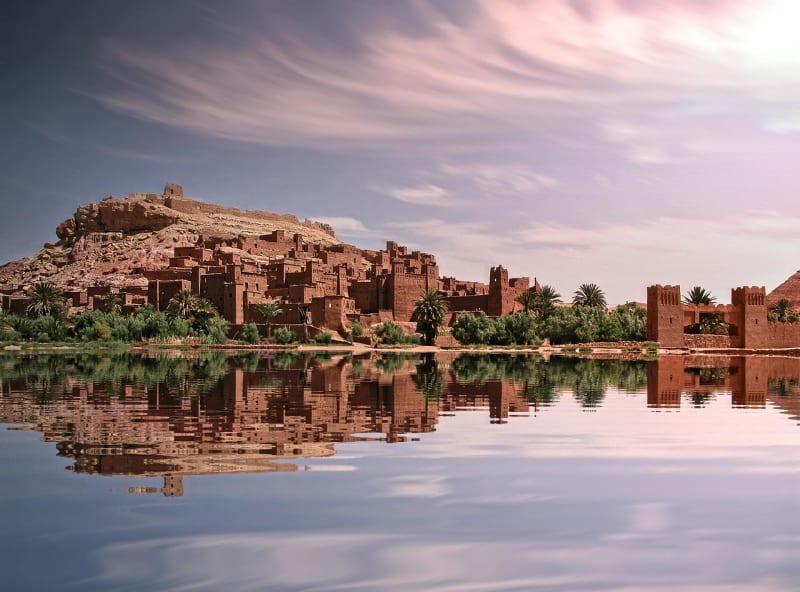
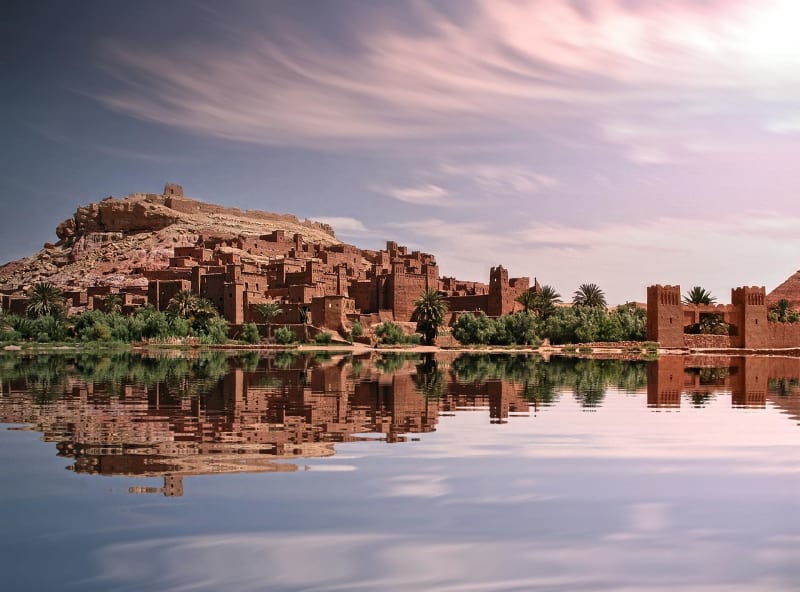
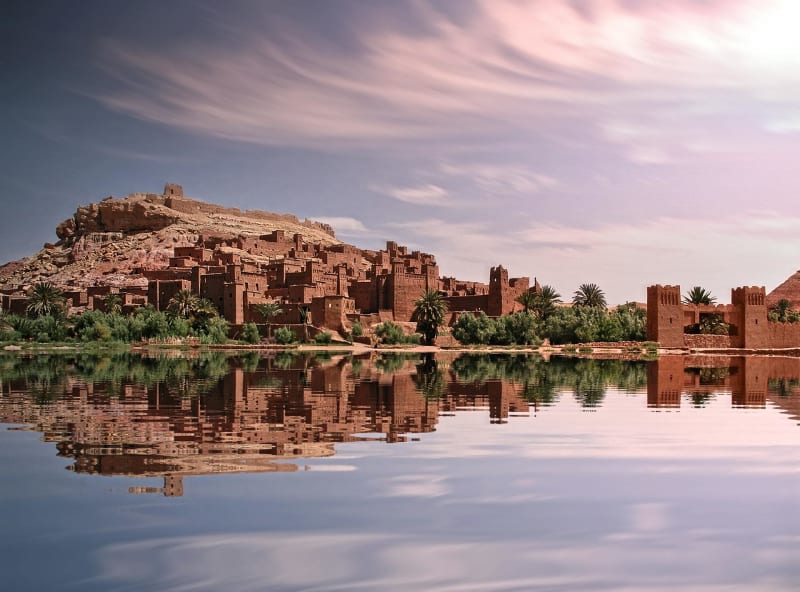
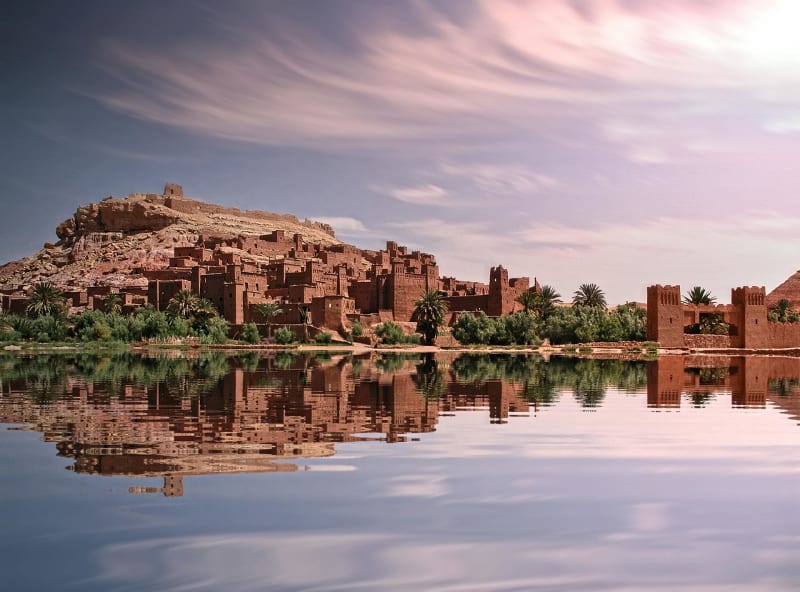
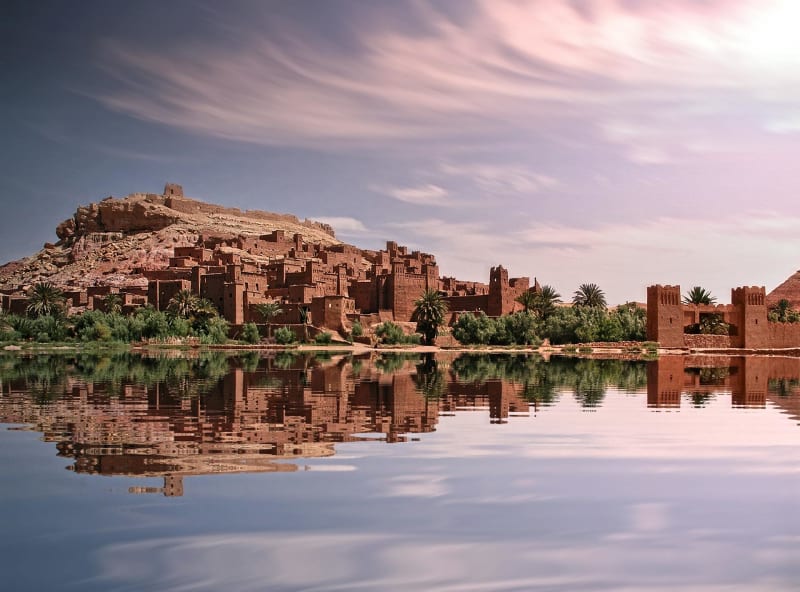
Aït Benhaddou
A UNESCO ksar of mud towers on the old trans-Saharan caravan route, used as a set in Gladiator and Game of Thrones.

Asilah
A whitewashed Atlantic port where murals bloom on ancient ramparts and fishermen mend nets at sunrise.
Atlas Mountains
North Africa's rooftop, where Berber villages cling to valleys and trekking routes lead to the highest peak in the Arab world.

Casablanca
Morocco's economic engine and Art Deco capital, dominated by the colossal Hassan II Mosque rising from the Atlantic shore.
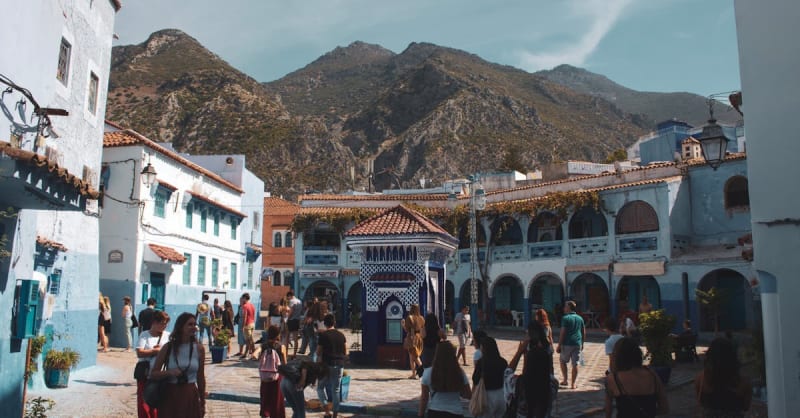
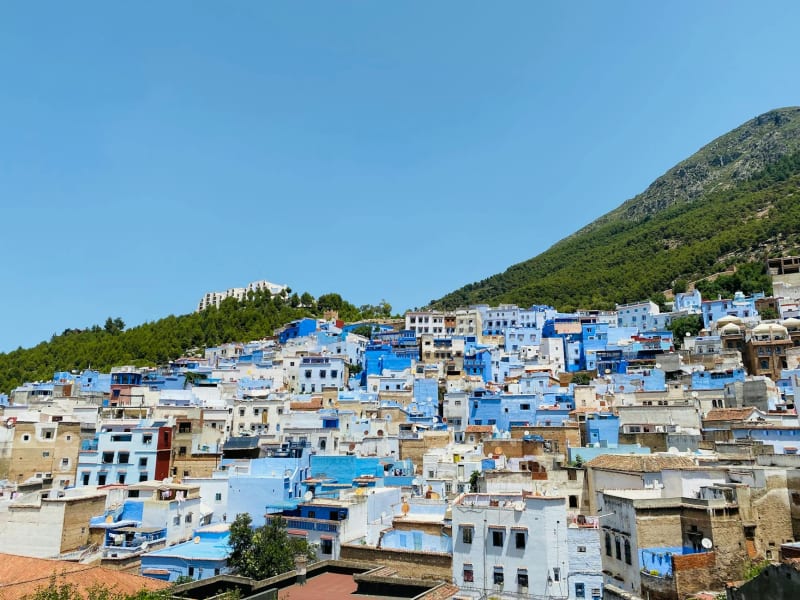
Chefchaouen
A blue-washed mountain town in the Rif where every alley is a photograph and the pace of life slows to a meditative drift.
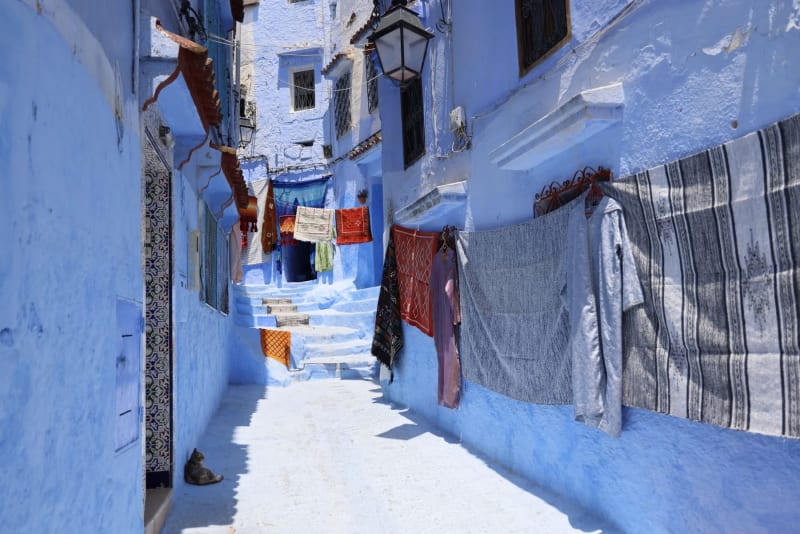
Chefchaouen Blue Quarter
The blue medina of the Rif Mountains where Jewish refugees painted the lanes indigo in the 1930s — and nobody ever repainted them.

Dades Gorge
Dramatic red canyon walls carved by the Dades River, dotted with kasbahs and rose-scented villages.
Essaouira
A windswept Atlantic port town where Jimi Hendrix once wandered and the medina trades frenzy for a laid-back coastal calm.

Essaouira Medina
A wind-swept Atlantic fortress city with blue-and-white lanes, fish smoke, and kite surfers in the harbor.
Fes
The world's largest car-free urban area and Morocco's spiritual capital, where medieval craftsmanship survives unchanged.
Marrakech
A sensory labyrinth of souks, riads, and rooftop terraces where medieval medina life unfolds against the snow-capped Atlas Mountains.

Marrakech Palmeraie
A lush oasis of ancient palms on the edge of Marrakech, where camel tracks cross the golden haze at dusk.

Merzouga
Gateway to the giant dunes of Erg Chebbi — the most photogenic corner of the Sahara in Morocco.
Ouarzazate
The gateway to the Sahara and Hollywood of Morocco, surrounded by rose-hued kasbahs and cinematic desert landscapes.

Rabat
Morocco's composed capital city, where ancient ruins and royal gardens meet a thriving contemporary art scene along the Atlantic coast.
Chefchaouen Rif Hike
Cedar forests above the blue city sheltering troops of Barbary macaques, reachable on day hikes from the medina.

Sahara Desert
The great sand sea of Erg Chebbi and Erg Chigaga, where camel treks lead to starlit camps beneath the tallest dunes in Morocco.
Tangier
The gateway between Africa and Europe, a port city reborn as a cultural capital where the Mediterranean meets the Atlantic.

Todra Gorge
Towering limestone walls 300 metres high squeeze a cool stream through the heart of the High Atlas.

Volubilis
The best-preserved Roman ruins in Morocco, where mosaic floors lie open to the sky on a hillside of wildflowers and storks.
Free download
Get the Morocco Guide
A curated PDF itinerary with honest picks, real restaurants, and the details that matter — the kind you'd actually print and bring.
Download the guide