Jonuta
"The boat that serves as the local taxi showed up forty minutes late and nobody seemed concerned — the river has its own schedule, and eventually you just accept that."
A small riverside town in eastern Tabasco where the Usumacinta defines everything — the economy, the clock, the cooking. Life here moves at the river's pace, which is to say: unhurried, unpredictable, and quietly extraordinary.

I came to Jonuta on a colectivo from Villahermosa that dropped me at a junction with no signage and a single concrete bench, and I thought for a moment I had the wrong place entirely. Then I smelled the river — that particular green, loamy smell of the Usumacinta — and I knew I was exactly right. The town itself materializes slowly: a few streets of painted concrete houses, a market that runs until it doesn’t, and then the embarcadero where wooden lanchas knock against each other in the current and the fishermen come and go on a schedule only the water knows.
Life on the Usumacinta
The river is not a backdrop here. It is the whole thing. Jonuta flooded badly enough in recent decades that parts of the town were rebuilt on higher ground, and you can still see the waterlines on older walls if you know to look. The fishermen go out before first light for mojarra, pejelagarto, and robalo, and by seven in the morning the catch is already laid out on the embarcadero, still silver and wet. The lanchas that serve as taxis to nearby communities across the water operate on no fixed timetable — you ask when the next one leaves, and someone will gesture vaguely toward the river. I spent a morning watching a man repair a net with the methodical patience of someone who has done it ten thousand times, and he told me his grandfather had fished the same stretch of water. That kind of continuity is not common anymore.

What Comes Out of the River Kitchen
The cooking in Jonuta does not appear in any food guide I have ever found, which is exactly what makes it worth seeking out. The pejelagarto — that prehistoric-looking fish endemic to Tabasco’s rivers — is prepared here in ways specific to this stretch of water. At a small comedor near the market whose name I never caught because there was no sign, a woman served me pejelagarto asado rubbed with a paste of chiles and wild herbs she called hierba santa and another I did not recognize, laid over a wood fire until the skin blackened and the flesh came apart in long white flakes. It came with rice cooked in the fish broth and a stack of handmade tortillas. The total cost was something embarrassingly small. I went back the next morning and ordered the same thing.
Sunsets and the Pace of Things
The light over the Usumacinta at dusk is the kind that makes you stop whatever you were doing. The river is wide here, and when the sky goes orange and then violet and then a deep reddish dark, the water holds all of it. I sat on a low wall at the embarcadero two evenings running and watched it with a group of locals who seemed unsurprised by the spectacle, as people are when they have grown up with something beautiful. Nobody was looking at a phone. A boy was fishing with a line off the dock. That was enough.

Getting There
Colectivos to Jonuta depart from the ADO terminal area in Villahermosa, roughly two to two and a half hours depending on stops. There is no ADO service directly into town. Jonuta has a handful of basic guesthouses but no tourist infrastructure — bring cash, as ATMs are unreliable. Plan to stay at least one night; the rhythm of the place only becomes legible after dark.
Keep exploring
More of Tabasco
Keep exploring
More from Tabasco
 mexico
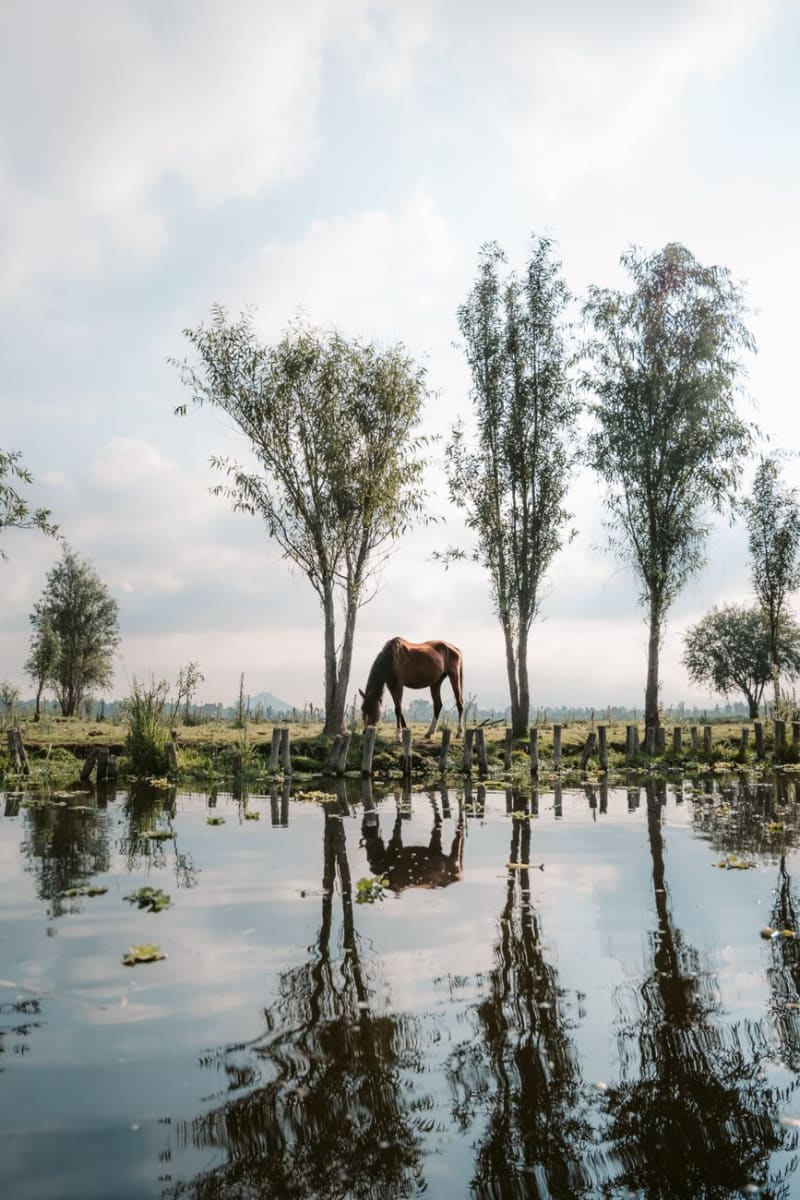
 Pantanos de Centla
The largest wetland system in Mesoamerica, where the Grijalva and Usumacinta rivers converge before entering the Gulf — a biosphere reserve of water hyacinths, manatees, crocodiles, and a bird density that resets what you thought you knew about bird density. Dawn boat tours are the only sensible way in.
Explore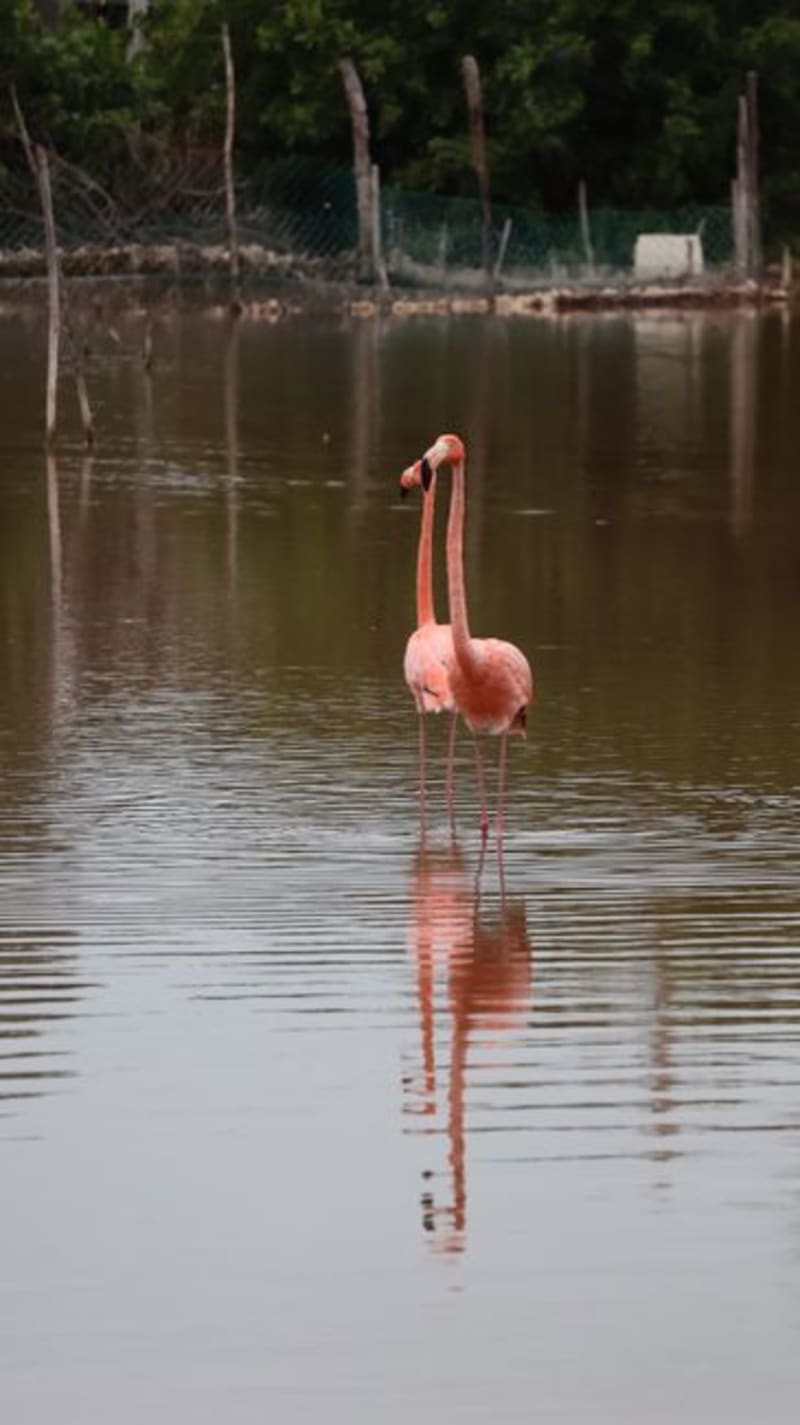 mexico
 Macuspana
Macuspana sits in deep Tabasco, far from the tourist currents, anchored by the Agua Blanca lagoon system — a chain of freshwater lakes edged by rainforest where caiman surface slowly and herons hold their poses in the reeds. It is the kind of place that does not announce itself and does not need to.
Explore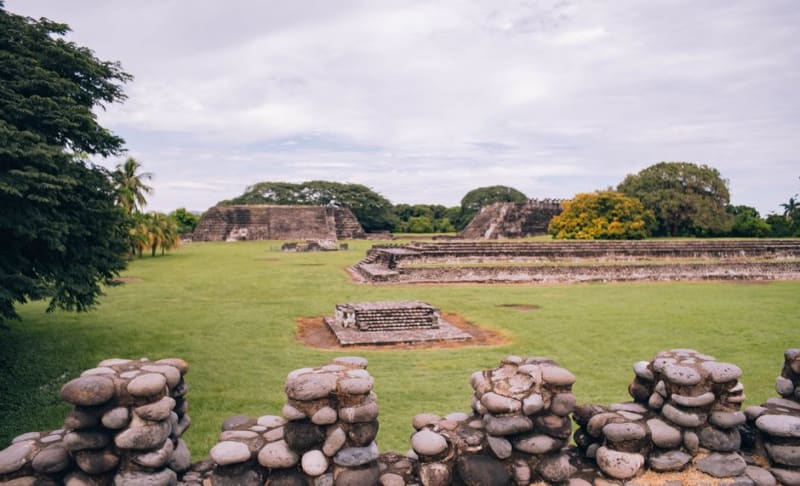 mexico
 Villahermosa
The Tabasco capital that holds the most remarkable outdoor museum in Mexico — colossal Olmec heads and monuments displayed in a tropical park at La Venta, the cradle of Mesoamerican civilization in a city built on cacao and oil.
Explore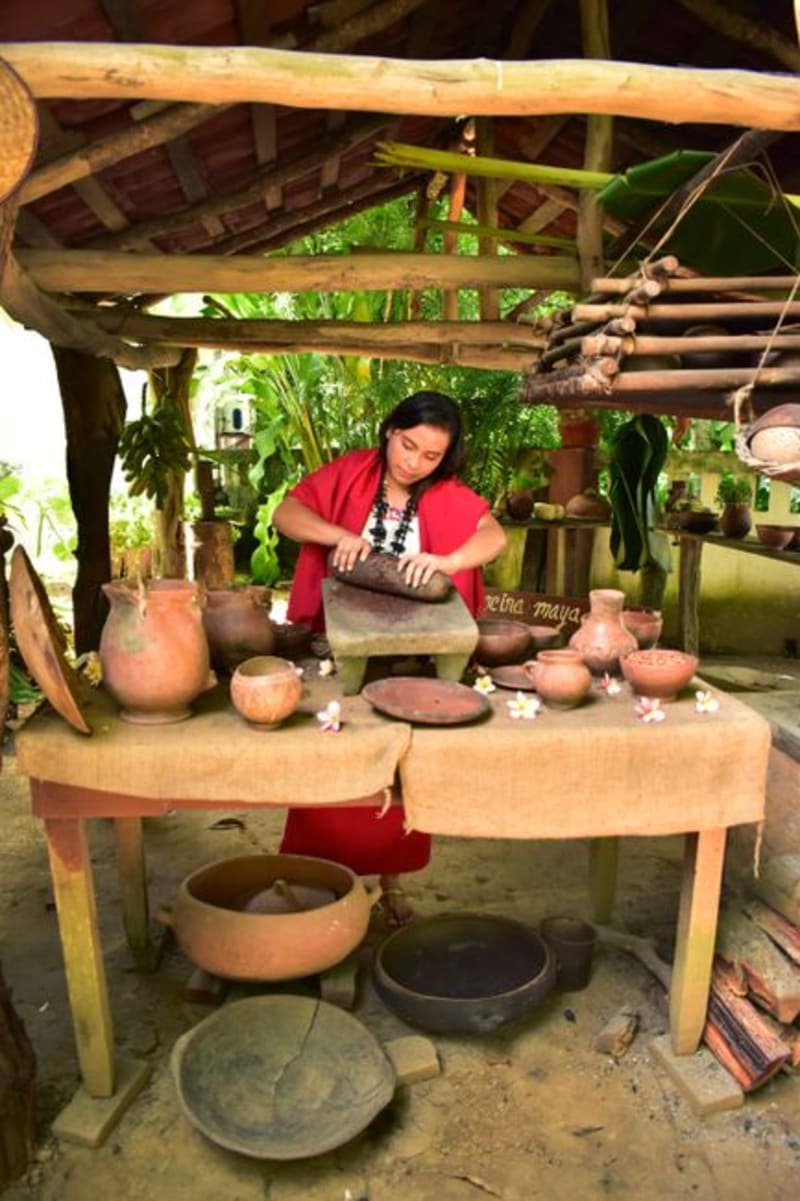 mexico
 Nacajuca
Fifteen minutes from Villahermosa and most travelers never make the turn. Nacajuca is Chontal Maya country threaded through with lagoons and canals — a municipality where flat-bottomed cayucos are still working transport, embroidery traditions run community by community, and the landscape itself sets the pace.
Explore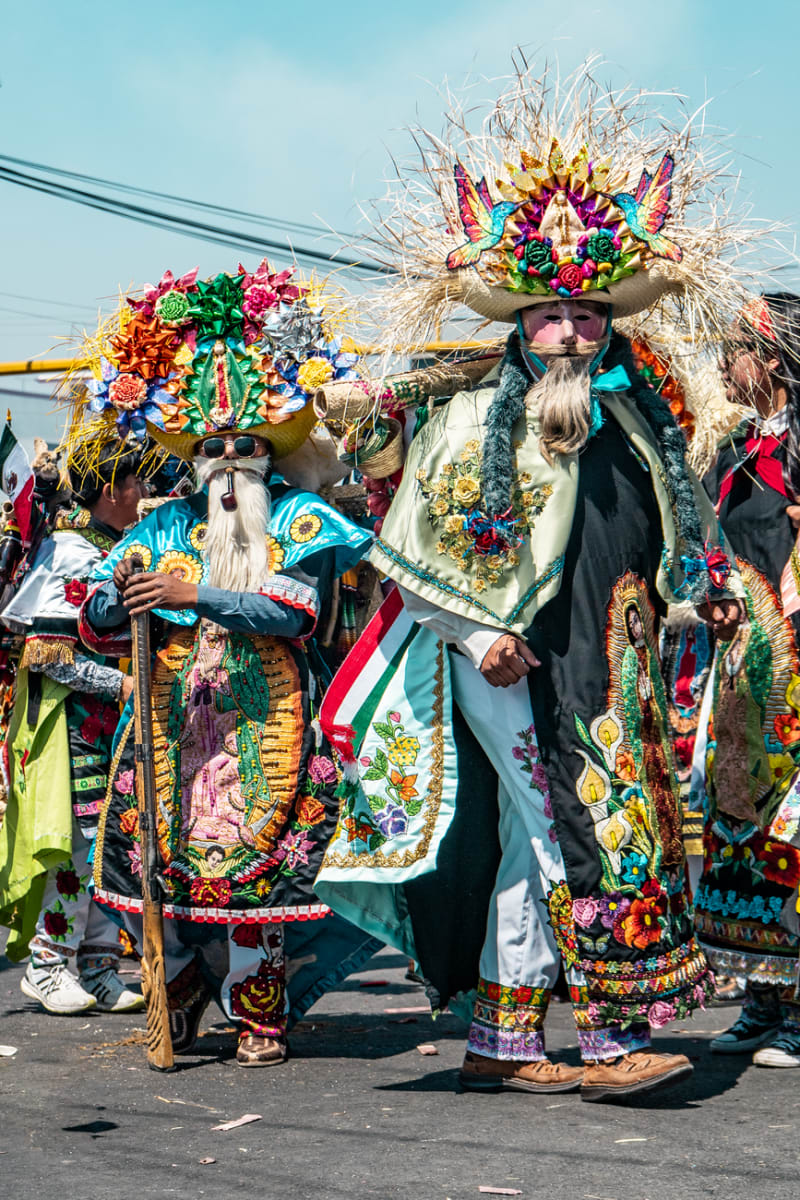 mexico
 Tacotalpa
Tacotalpa sits in the cool sierra of northern Tabasco, a world of mist, forest, and Zoque-Chontal Maya tradition that most people driving through the state never suspect exists. The town is known for its elaborate carnival masks and ceremonial dances, and the surrounding hills hold caves and rivers that feel nothing like the hot cacao lowlands an hour south.
Explore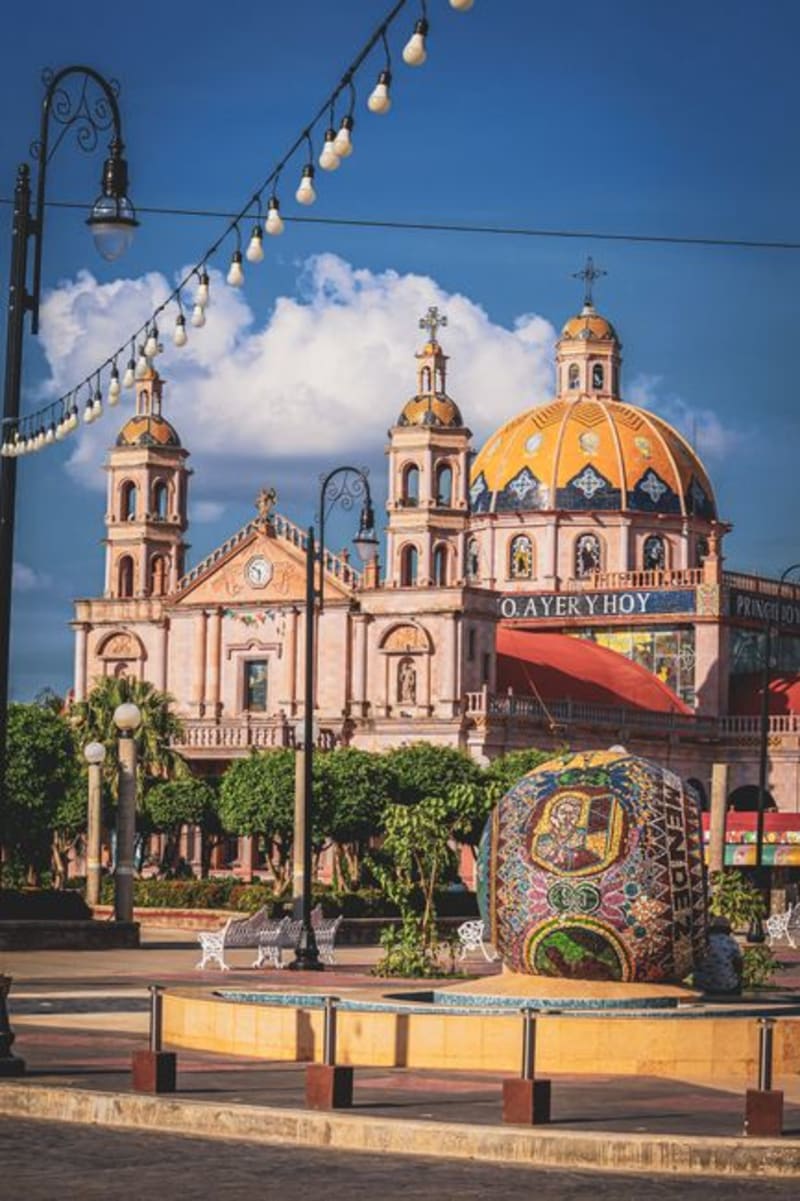 mexico
 Tapijulapa
A whitewashed Pueblo Mágico tucked into a jungle canyon where sulfurous springs feed the Villa Luz caves and a turquoise river cuts through karst limestone. Tabasco almost never makes travel lists, which is exactly why Tapijulapa stays quiet.
Explore