
Tapijulapa
"White buildings, orange roof tiles, a turquoise river — Tapijulapa looks like someone transposed a Puebla village into the jungle."
A whitewashed Pueblo Mágico tucked into a jungle canyon where sulfurous springs feed the Villa Luz caves and a turquoise river cuts through karst limestone. Tabasco almost never makes travel lists, which is exactly why Tapijulapa stays quiet.

The colectivo from Villahermosa dropped me on a dirt shoulder with no signage and a vague gesture toward the river. I followed the sound of water and arrived at the embarcadero just as the morning light hit the canyon walls, turning the limestone a warm amber. My first thought was that nobody had warned me it would look like this — the tile roofs, the whitewash, the absurd color of the Río Tapijulapa below. I found a plastic chair at a comedor near the church, ordered a plate of tasapeño con puerco, and decided I was staying longer than planned.
Villa Luz and the Sulfurous Springs
The caves are a fifteen-minute lancha ride upriver, past egrets standing in the shallows like they own the place. Villa Luz is unlike any cavern I’ve entered — the air smells faintly of sulfur, the water runs a milky turquoise from hydrogen sulfide, and dozens of fish crowd the pools fed by the springs. Local guides lead groups through the lower chambers in rubber boots, pointing flashlights at curtains of stalactites. What strikes me most is the biological strangeness of it: bacteria colonies mat the rocks in yellows and whites, feeding on the sulfur in a process more Yellowstone than Tabasco. The caves flood seasonally, so the accessible depth changes month to month. I went in March, when you can walk fairly deep before the water rises to knee height. The light at the cave mouth, catching the turquoise water rushing out into the jungle, is the kind of thing I stop trying to photograph after three failed attempts.

The Village Itself
Back in the village, Tapijulapa moves at the pace the canyon imposes — unhurried, slightly damp, smelling of woodsmoke and river. The cobbled main street climbs from the embarcadero past the Parroquia de Santiago Apóstol, a colonial church that looks too grand for a place this small, up to a mirador with views over the rooftops and the jungle ridge beyond. On weekend afternoons, families from Villahermosa arrive by lancha and eat pejelagarto — the prehistoric-looking fish native to Tabasco’s rivers — grilled whole and served with tortillas at the riverside restaurants. I tried it at a place called La Palapa del Río, ordered without knowing what I was getting, and found the flesh dense and faintly sweet. The waitress seemed pleased I finished it.

When to Come
The canyon traps heat and humidity, so mornings are the move — arrive early, do the caves before noon, eat lunch when the day becomes oppressive. The dry season runs roughly November through April, when the river runs clearest and Villa Luz is most accessible. July and August bring the high water that locals call the temporada de lluvias; the caves partially flood but the surrounding jungle turns an almost violent green.

Getting There
From Villahermosa, take a colectivo toward Teapa (roughly one hour), then a connecting vehicle to Tapijulapa — the whole journey runs about 90 minutes each way. Most people come as a day trip, but the village has a handful of small posadas if you want the canyon at dawn, when it belongs entirely to the herons.
Keep exploring
More of Tabasco
Keep exploring
More from Tabasco
 mexico
Tacotalpa
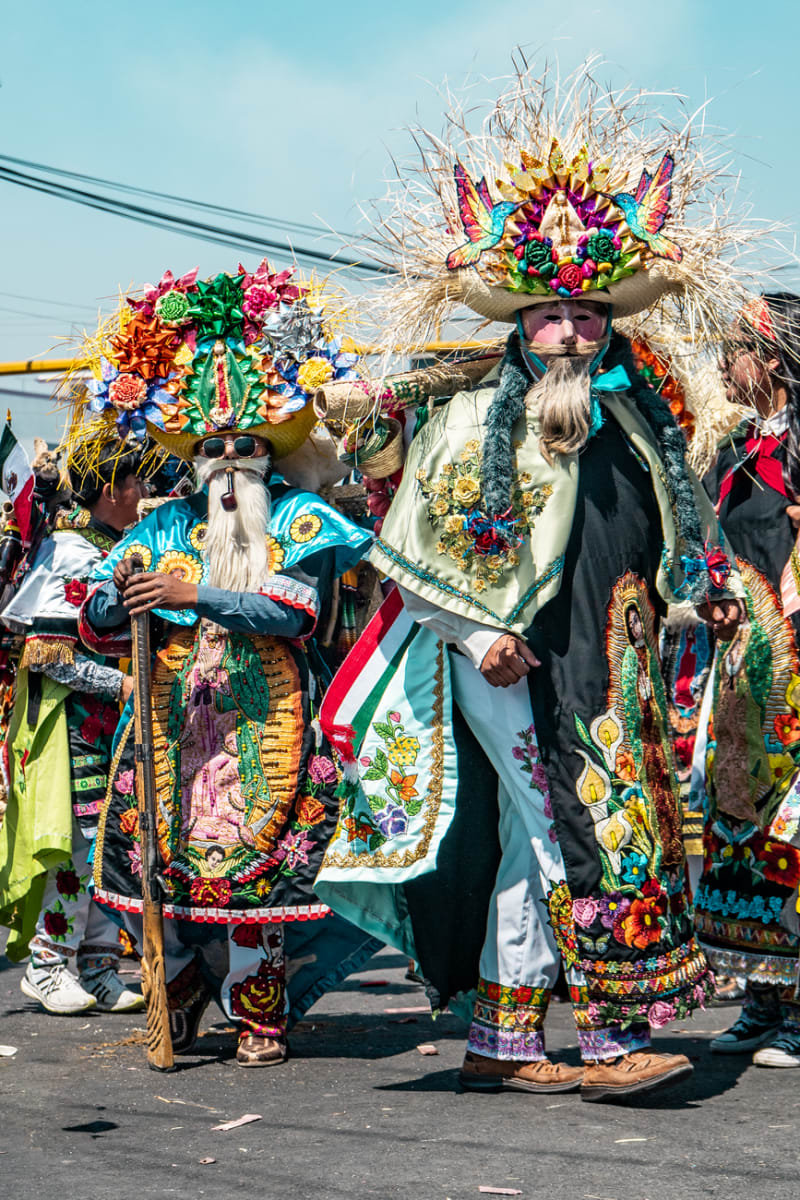
Tacotalpa sits in the cool sierra of northern Tabasco, a world of mist, forest, and Zoque-Chontal Maya tradition that most people driving through the state never suspect exists. The town is known for its elaborate carnival masks and ceremonial dances, and the surrounding hills hold caves and rivers that feel nothing like the hot cacao lowlands an hour south.
Explore mexico
Teapa
A sierra town in southern Tabasco where the flat coastal plain suddenly becomes hills, sulfur springs bubble warm from the earth, and a cave system 4km from the center hides a river running through the dark. Almost nobody comes here from outside Tabasco, which is precisely its logic.
Explore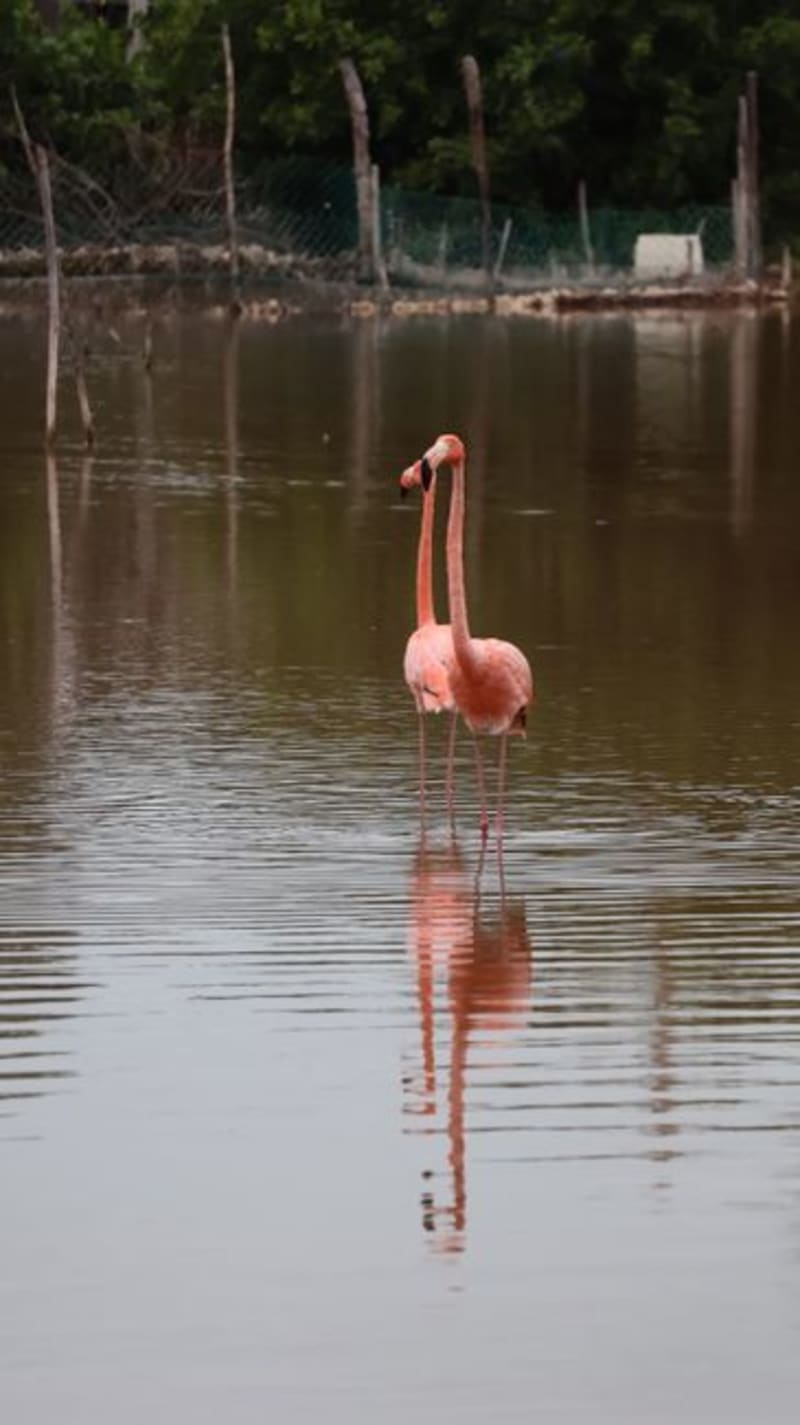 mexico
Macuspana
Macuspana sits in deep Tabasco, far from the tourist currents, anchored by the Agua Blanca lagoon system — a chain of freshwater lakes edged by rainforest where caiman surface slowly and herons hold their poses in the reeds. It is the kind of place that does not announce itself and does not need to.
Explore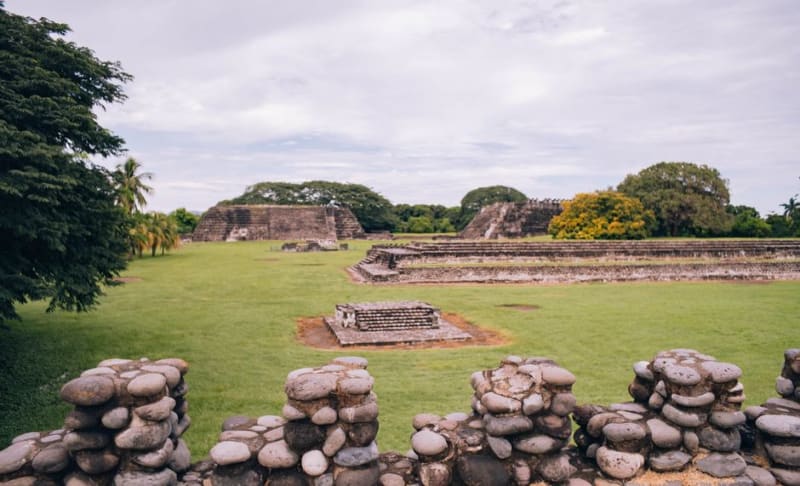 mexico
Villahermosa
The Tabasco capital that holds the most remarkable outdoor museum in Mexico — colossal Olmec heads and monuments displayed in a tropical park at La Venta, the cradle of Mesoamerican civilization in a city built on cacao and oil.
Explore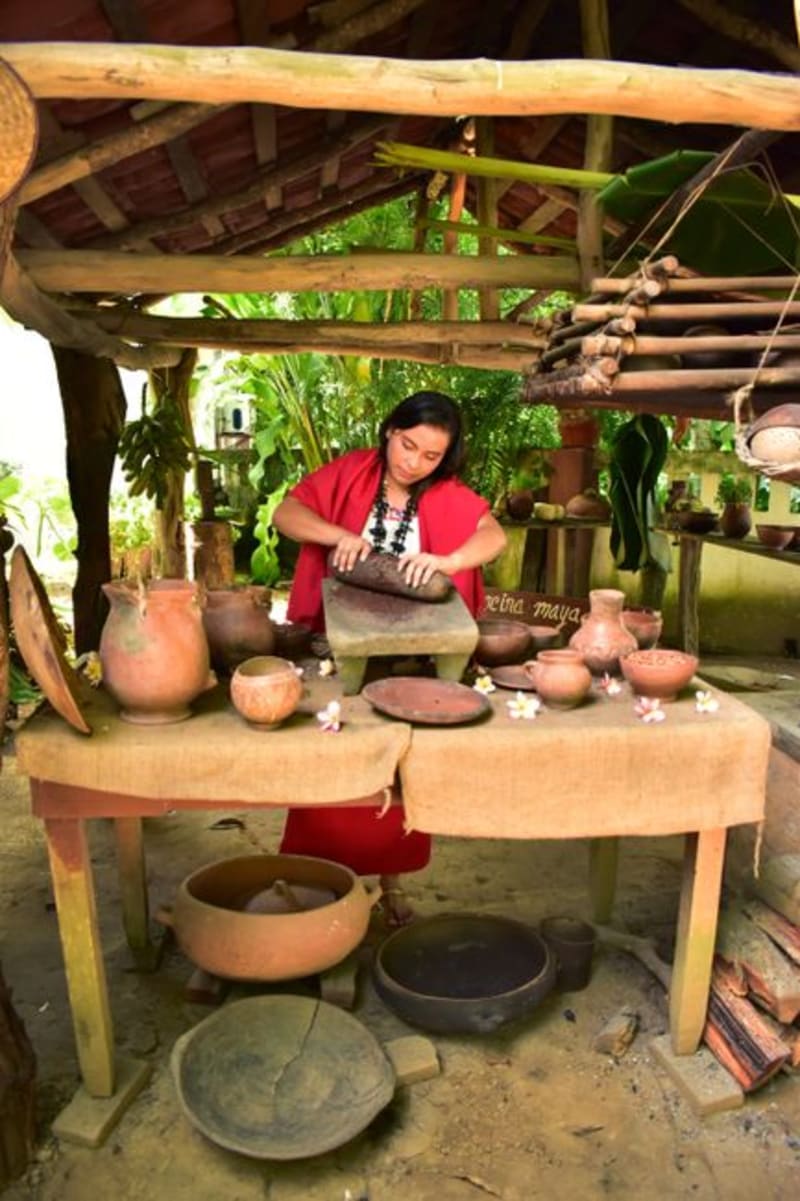 mexico
Nacajuca
Fifteen minutes from Villahermosa and most travelers never make the turn. Nacajuca is Chontal Maya country threaded through with lagoons and canals — a municipality where flat-bottomed cayucos are still working transport, embroidery traditions run community by community, and the landscape itself sets the pace.
Explore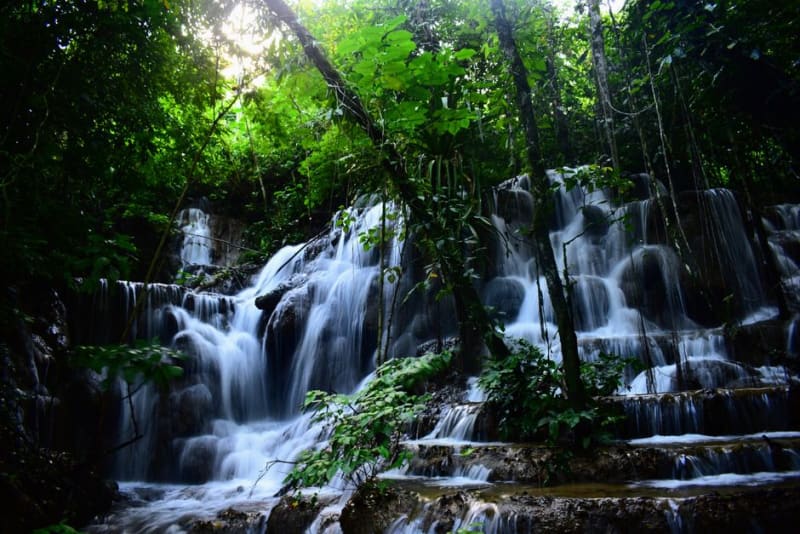 mexico
Malpasito
In the forested foothills south of Huimanguillo, these Zoque ruins sit in a kind of comfortable obscurity: a carved ball court, ceiba-crowded platforms, and petroglyphs that still stump researchers. At the base, a stream pools into a swimming hole cold enough to constitute a personal affront on a Tabasco afternoon.
Explore