Centla Wetlands
"We killed the motor and drifted for ten minutes while a manatee surfaced three times within arm's reach — the guide said it was unusual but I think he said that to everyone."
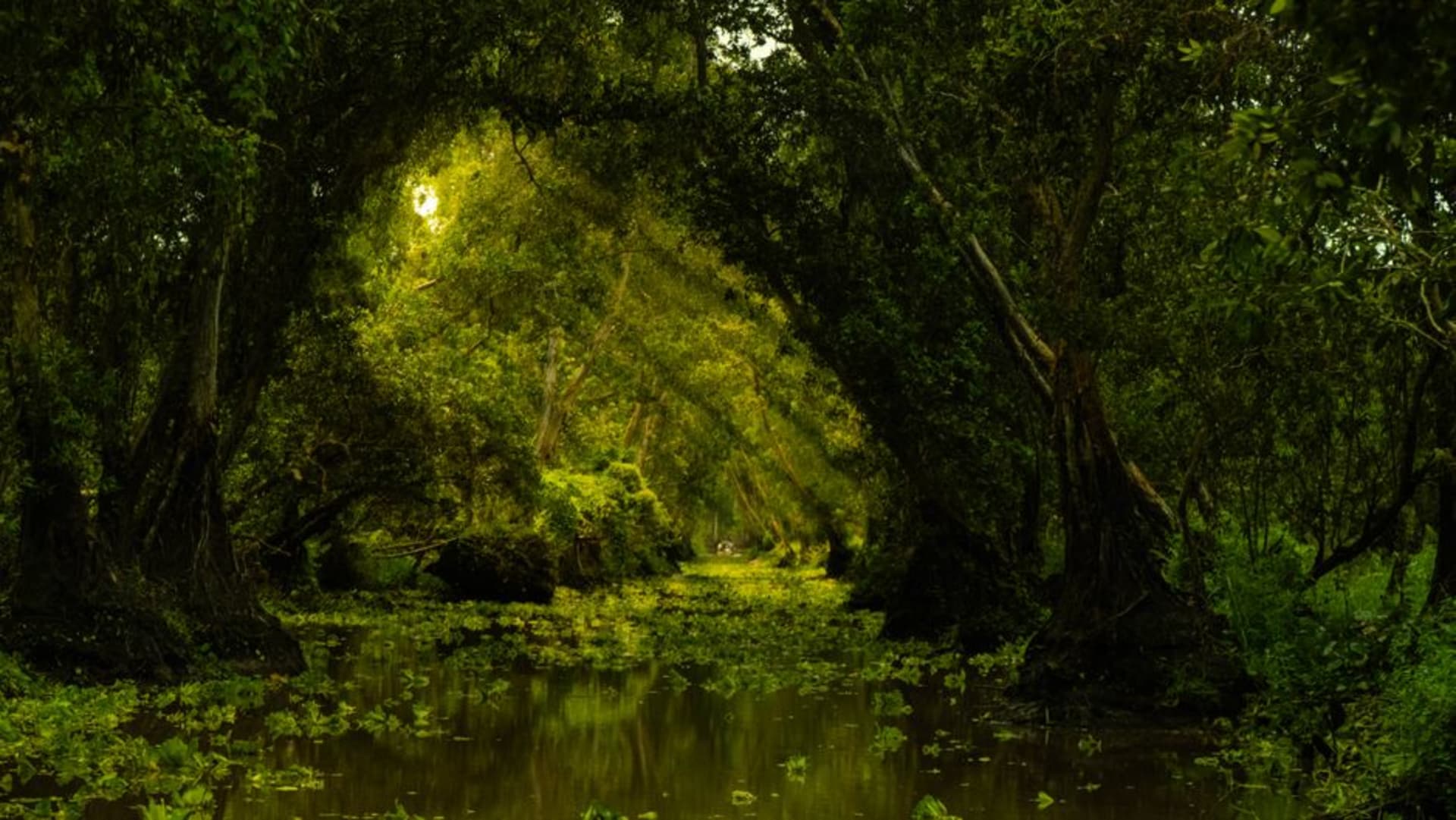
The Pantanos de Centla biosphere reserve is where the Usumacinta and Grijalva rivers dissolve into the Gulf — a vast deltaic labyrinth of channels, lagoons, and floating vegetation that ranks among the largest freshwater wetland systems in North America. Manatees surface here. River crocodiles watch from the banks. Dawn on the water is one of the quietest, strangest things I have done in this country.

I left Villahermosa before five in the morning, which is not something I do voluntarily, but my contact at the embarcadero in Frontera had been clear: the birds are out at first light and gone by eight. The drive east along the coastal plain takes about ninety minutes, the road flat and straight through sugarcane and cattle pasture. By the time I reached the dock the sky was already shifting from grey to copper, and a man named Isaías was untying a small lancha with a quiet efficiency that suggested he had done this several thousand times. I had not expected to feel so far from everything so quickly.
On the Water at Dawn
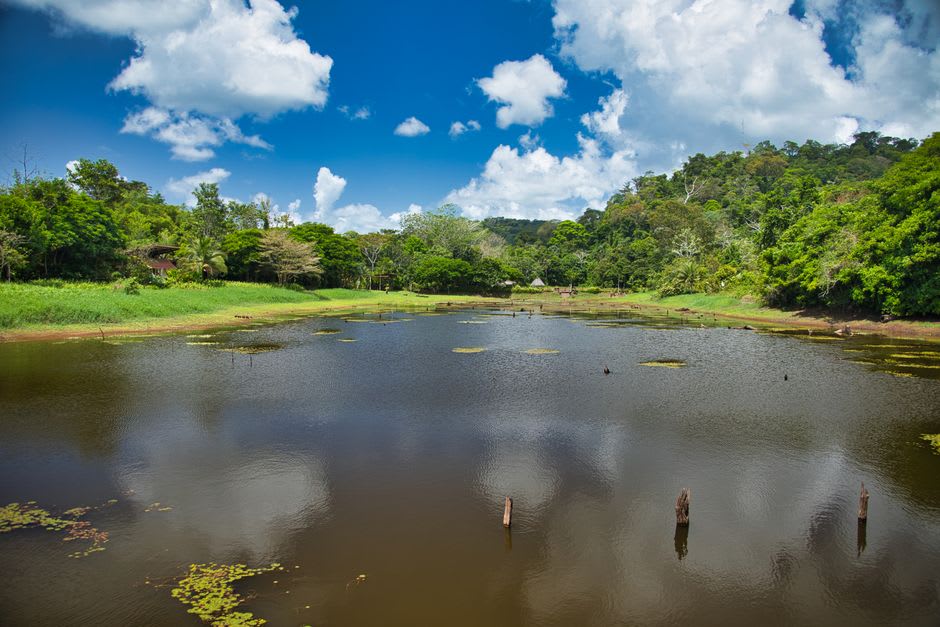
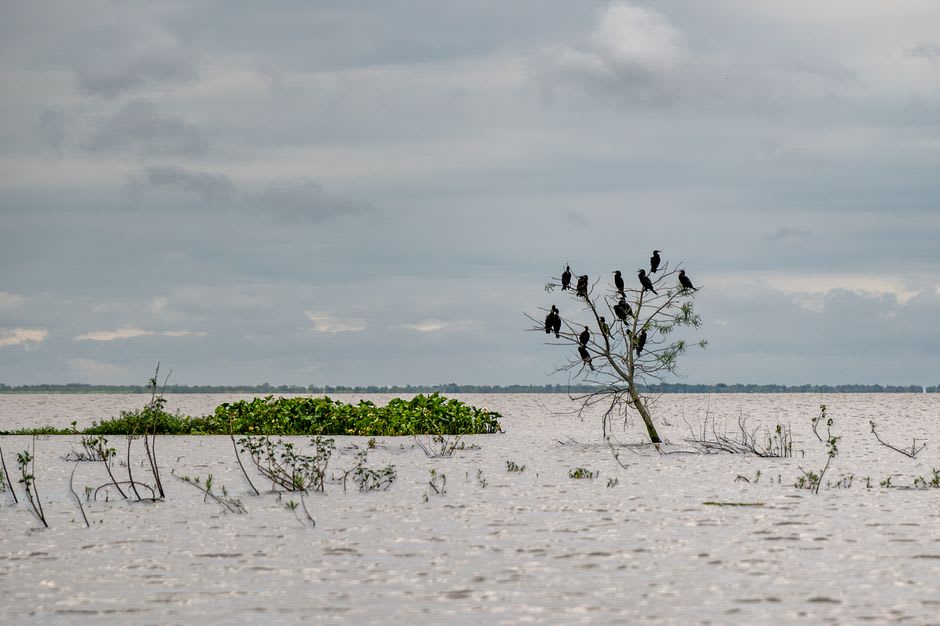
The channels of Pantanos de Centla do not look like Mexico, or at least not any version of it I had encountered before. The water is the colour of dark tea — tannins from the decomposing vegetation — and the banks are so dense with mangrove roots and water hyacinth that the sky above feels like a corridor. Isaías cut the motor early and let us drift. Within twenty minutes we had logged roseate spoonbills, anhingas spreading their wings on a dead branch, a great blue heron standing with the stillness of someone who has nowhere to be. Then the manatee appeared — a slow grey mass just below the surface, surfacing once, then again, close enough that I could hear it breathe. Isaías said it was rare. I noticed he did not look surprised. The reserve protects around 302,000 hectares and is one of the few places in Mexico where the West Indian manatee population is actually holding steady, which is not nothing given what the species has been through elsewhere.
Crocodiles and the Ordinary Business of the Reserve
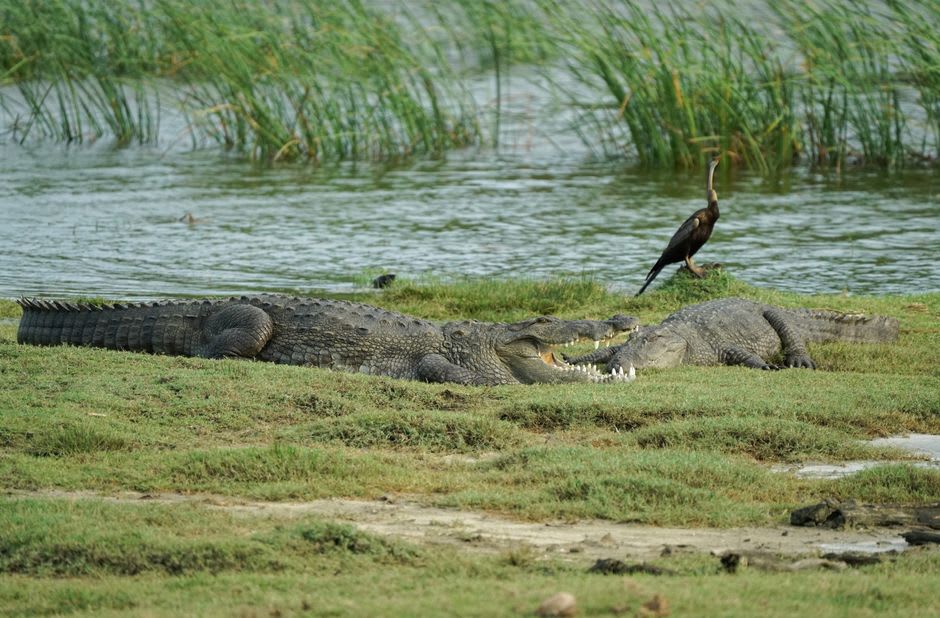
The American crocodile — cocodrilo de río locally — turns up along the banks with a casualness that takes some getting used to. Isaías pointed to three in a single stretch of channel, each completely motionless, each one looking like a log until it wasn’t. The reserve manages a monitoring program and the population here is considered stable, which I found both reassuring and somewhat relative. What struck me more than the animals themselves was the texture of ordinary life layered over all of it: fishing families in dugouts, a cattle ranch visible through a gap in the vegetation, a boy on a bank who waved at us without looking up from his phone. The wetlands are not a wilderness kept separate from people — they are a working landscape that happens to contain manatees.
After the Boat
Back in Frontera by nine, I ate at a comedor two streets from the embarcadero — no sign, just a woman with a pot of pejelagarto guisado and fresh tortillas. Pejelagarto is the armoured prehistoric fish that appears on every menu in Tabasco and tastes roughly like it sounds: rich, slightly muddy, deeply regional. I ate too much of it and drove back to Villahermosa slowly, following the line where the wetlands ended and the sugarcane began, which was harder to locate than I expected.
Getting There
Frontera is roughly 90 kilometres east of Villahermosa on Highway 180 — about an hour and a half by car. Lanchas for the reserve depart from the main embarcadero; arrange a guide in advance through the local tourism office or ask at your hotel in Villahermosa the evening before. Early morning is not optional.
Keep exploring
More of Tabasco
Keep exploring
More from Tabasco
 mexico
Comalcalco
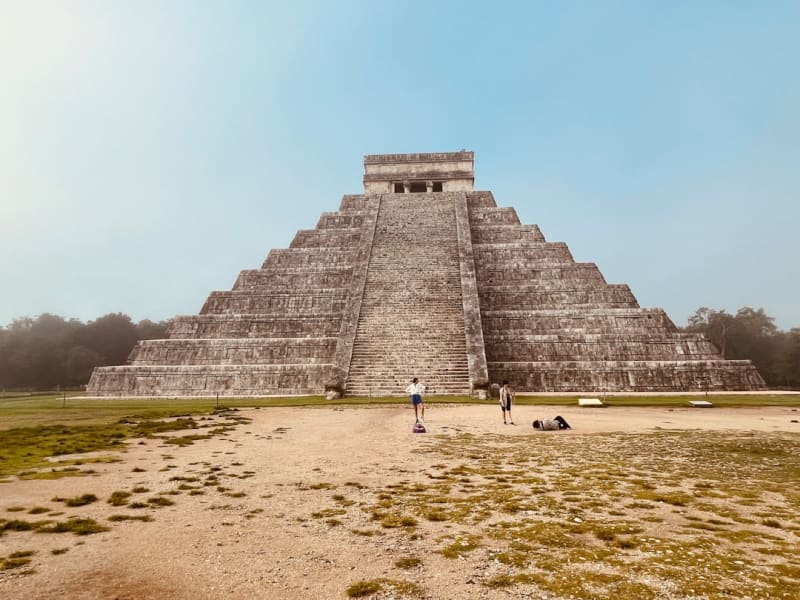
The only Maya city built from brick — the lowland Tabasco Maya who had no stone quarried clay and fired bricks instead, creating a pyramid city that looks like ancient Rome dropped into a cacao plantation.
Explore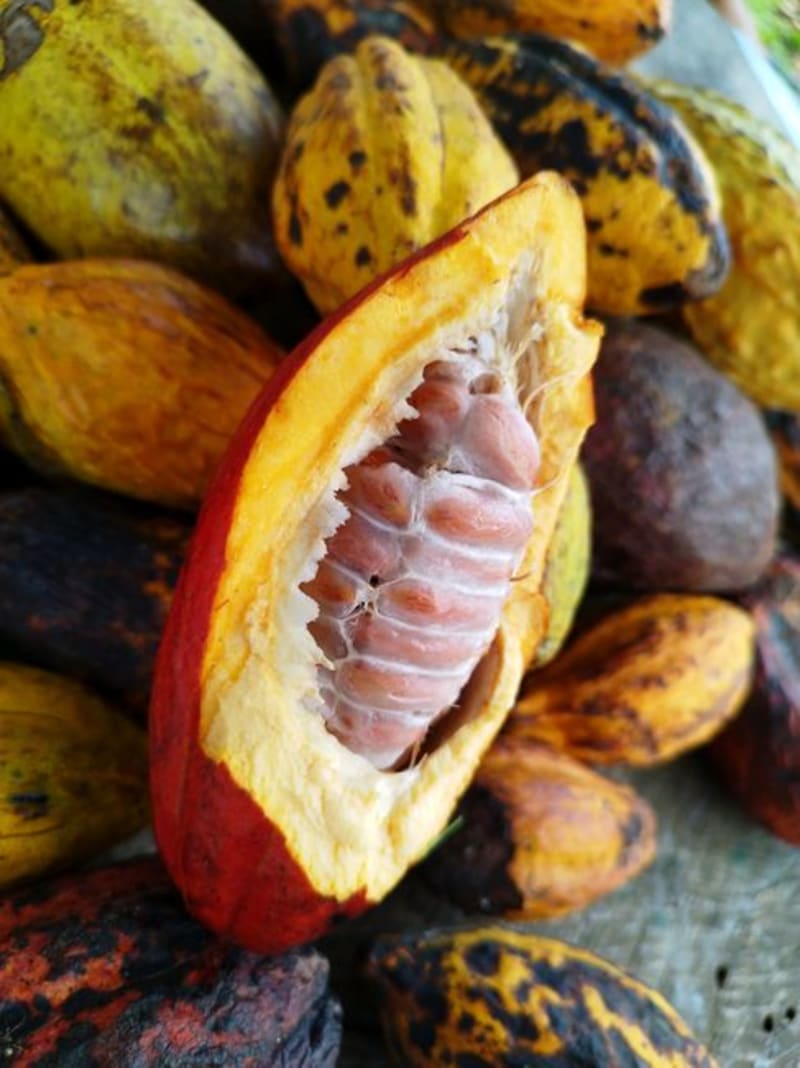 mexico
Comalcalco
Comalcalco is the westernmost Maya city, built not from carved stone but from fired brick — the flat Tabasco plain had no limestone to offer. The ruins are rarely crowded, and the surrounding farms produce some of the finest cacao in Mexico under old-growth shade canopy.
Explore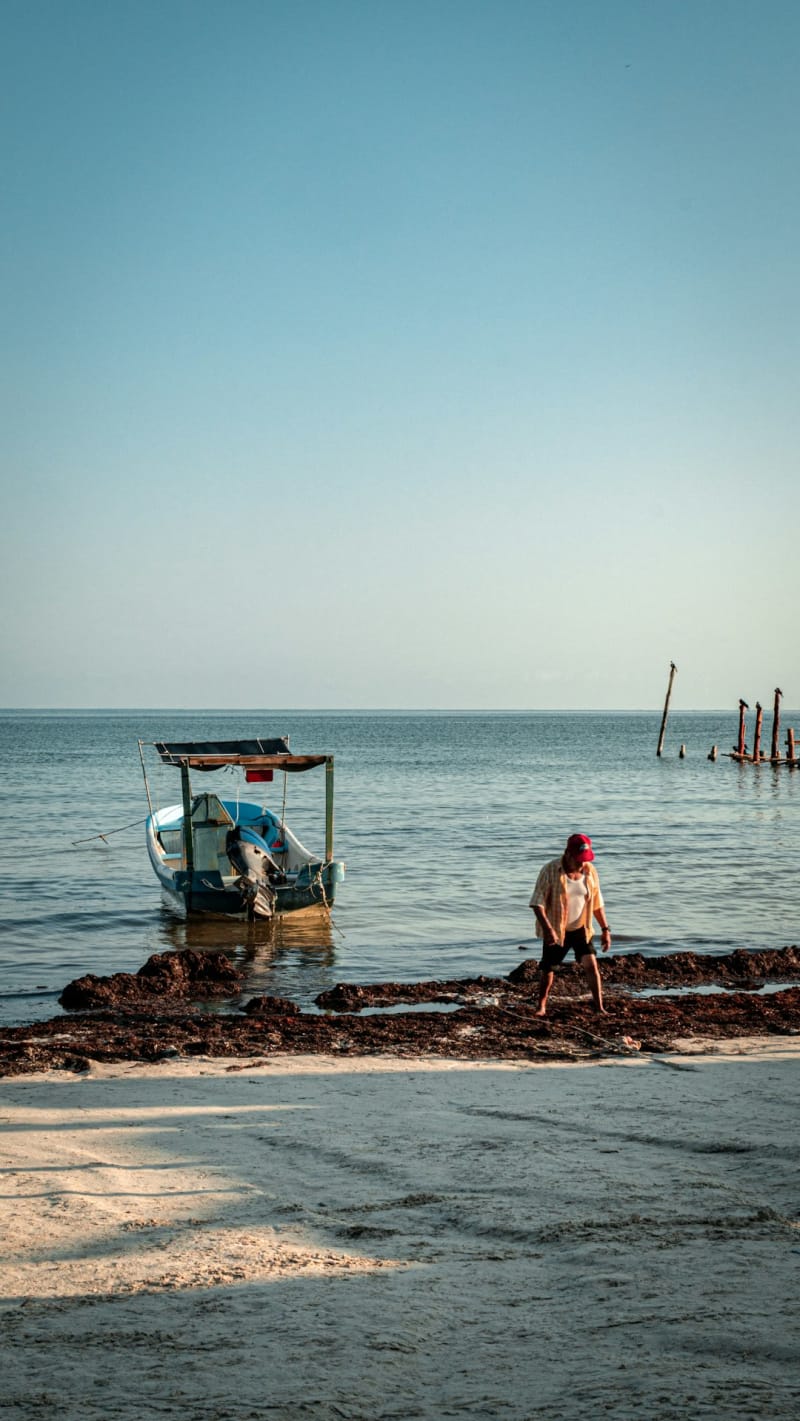 mexico
Huimanguillo
Huimanguillo anchors the western edge of Tabasco where cacao plantations give way to a network of rivers and lagoons, and the landscape begins doing interesting things with water. It is one of the better places in southern Mexico to observe waterbirds from a lancha, and one of the few where cacao culture is woven into daily market life rather than staged for visitors.
Explore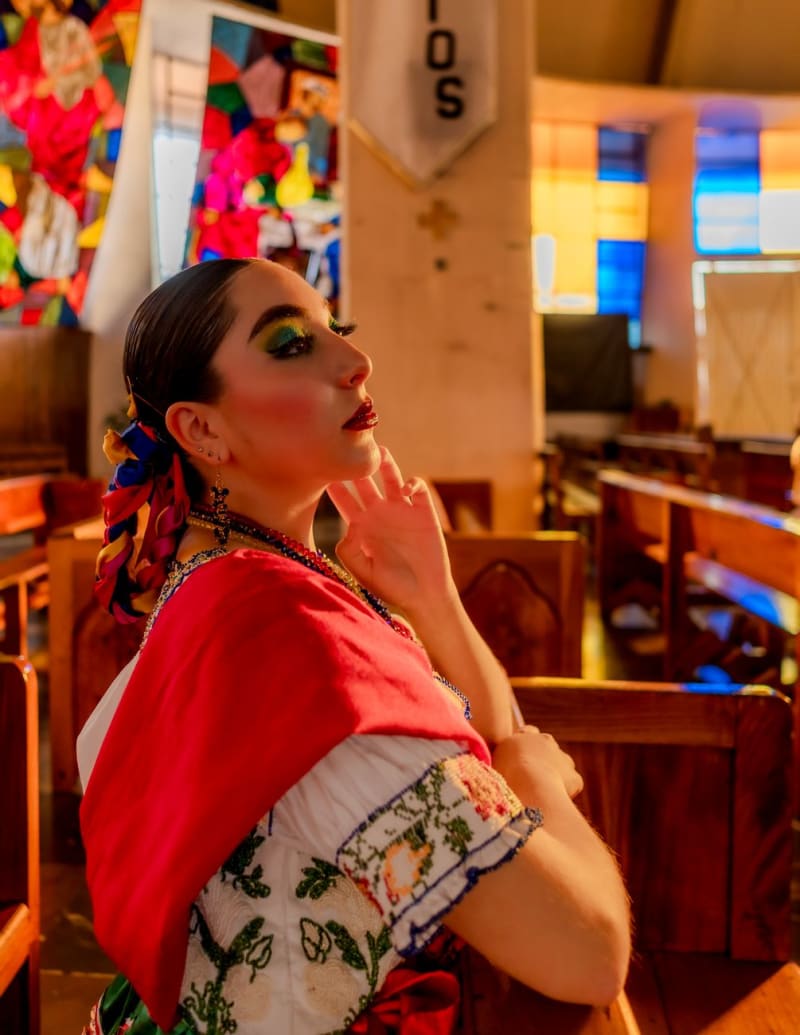 mexico
Jonuta
A small riverside town in eastern Tabasco where the Usumacinta defines everything — the economy, the clock, the cooking. Life here moves at the river's pace, which is to say: unhurried, unpredictable, and quietly extraordinary.
Explore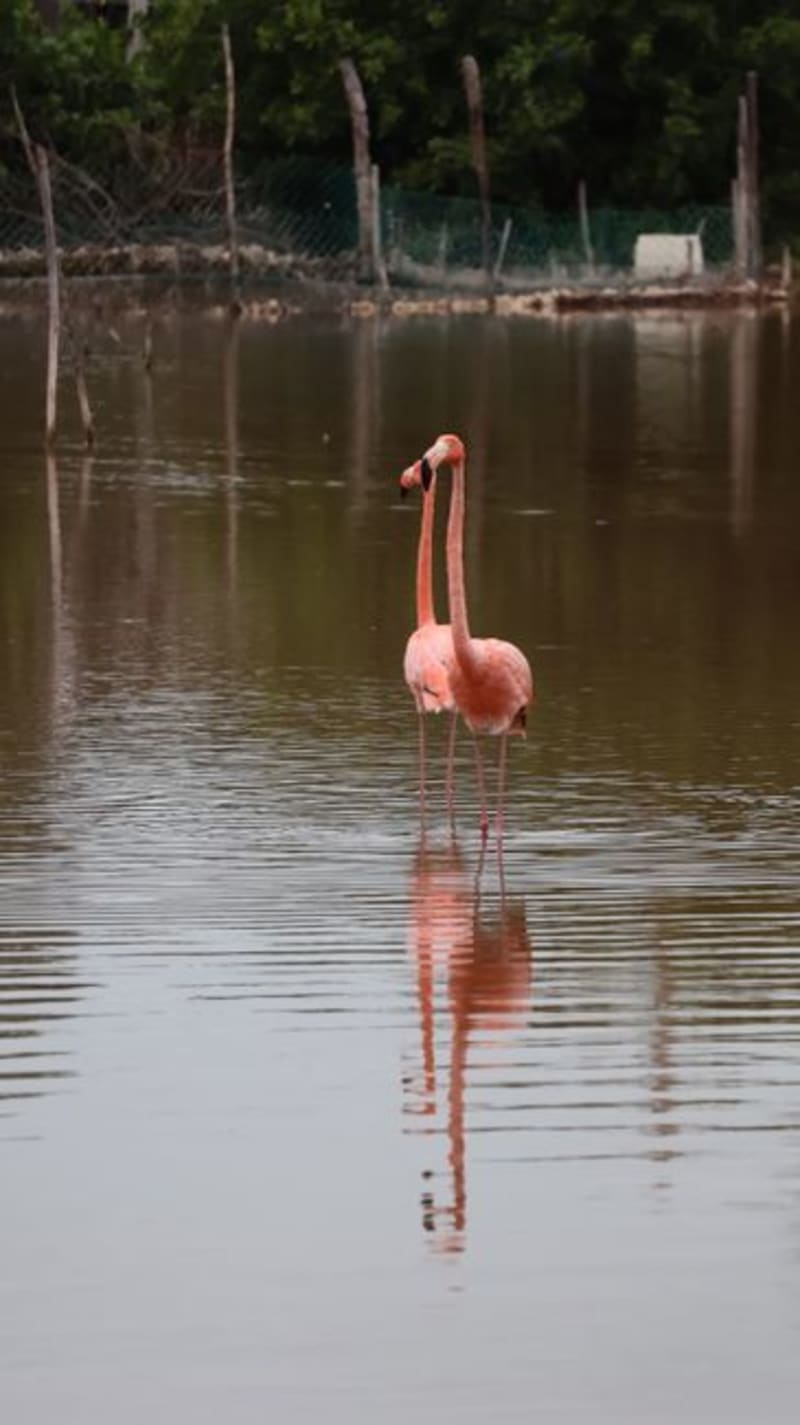 mexico
Macuspana
Macuspana sits in deep Tabasco, far from the tourist currents, anchored by the Agua Blanca lagoon system — a chain of freshwater lakes edged by rainforest where caiman surface slowly and herons hold their poses in the reeds. It is the kind of place that does not announce itself and does not need to.
Explore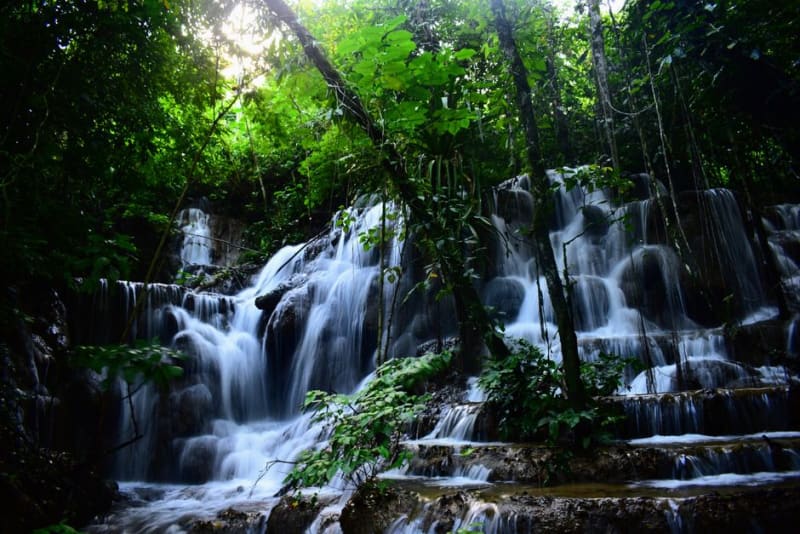 mexico
Malpasito
In the forested foothills south of Huimanguillo, these Zoque ruins sit in a kind of comfortable obscurity: a carved ball court, ceiba-crowded platforms, and petroglyphs that still stump researchers. At the base, a stream pools into a swimming hole cold enough to constitute a personal affront on a Tabasco afternoon.
Explore