Tamazunchale
"I came for the gorges and stayed for the market — the Nahua women selling zacahuiles at 6am do not care about my travel blog, which makes everything better."
Where the Sierra Madre Oriental drops suddenly into Huasteca jungle, Tamazunchale sits at the base of one of Mexico's most dramatic elevation transitions — river gorges, cloud forest, and a Nahua Sunday market that has operated the same way for generations.

The bus from Ciudad Valles drops you into Tamazunchale before you’ve had time to adjust to the altitude change — or rather the anti-altitude change, since the road from the altiplano sheds nearly a thousand meters in an hour of switchbacks, arriving in a basin of banana trees and cloud forest so sudden it feels choreographed. I stepped off onto Calle Benito Juárez on a Saturday afternoon in late October, the humidity settling on my shirt within thirty seconds, a smell of copal and diesel and something frying in lard coming from somewhere I couldn’t immediately place. I had booked one night.
The Drop Into the Huasteca
The Sierra Madre Oriental does not ease you into the Huasteca. From the high desert of San Luis Potosí’s altiplano, the mountains crack open along a dramatic escarpment, and Tamazunchale sits at the bottom of that break, pressed against the Río Moctezuma in a narrow valley that forces the town into vertical layers — streets climbing the hillsides, houses perched on ledges, the cathedral visible from angles that seem wrong until you accept the logic of the terrain.
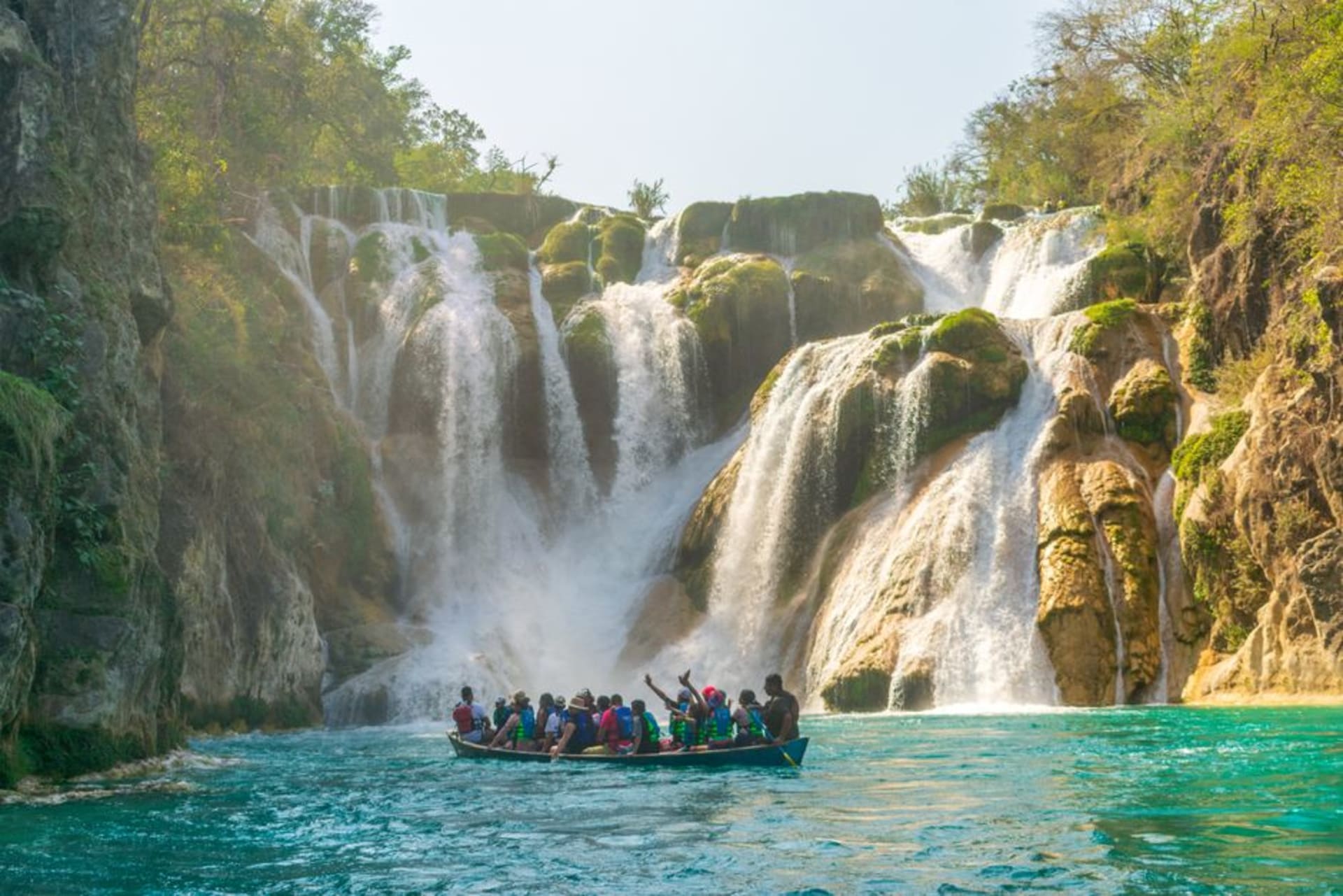
The gorges around town are the real draw if you come without the crowd that gravitates north toward Tamul and Xilitla. Barranca del Infiernillo, reached by a twenty-minute colectivo ride and a path that descends along a ridge of ferns and wild orchids, ends at a swimming hole so cold and clear it makes you doubt the tropical surroundings. I went on a Tuesday morning when the trail was empty except for a man leading two mules in the opposite direction who looked entirely unsurprised to see me. The falls above the pool drop maybe fifteen meters into what is essentially a cathedral of rock and green, and the sound at the bottom is total.

The Sunday Market Before the Light Comes Up
Tamazunchale’s tianguis on Sunday starts before sunrise. By five-thirty in the morning, Nahua women from the surrounding sierra villages have already set up along the streets radiating from the Mercado Municipal. The ground cloths hold things you will not find with any reliability north or south of here: fresh chayote alongside wild mushrooms gathered from cloud forest at elevations above 1,500 meters, dried herbs bundled in quantities that suggest a different relationship to cooking than the one I grew up with, and zacahuiles the size of a small child wrapped in banana leaves and sold by the slice.
The zacahuil is the Huasteca tamale, and Tamazunchale’s version is the best I’ve eaten anywhere — masa roughly ground and stained dark with chile ancho and chile guajillo, the pork inside properly braised rather than shredded from a bag, steamed overnight in a leaf bundle that perfumes everything within range. A slice costs twenty-five pesos. The women selling them are operating by a different set of priorities than the tourism economy, which is exactly why the market functions the way it does. I arrived at six, ate standing up with my coffee in a plastic cup, and felt entirely irrelevant in the best possible sense.

Staying, Eating, Orienting
Tamazunchale is a real working town rather than a tourism infrastructure, which means the accommodation is modest and the food is better at the market than in the restaurants. The exception is a small comedor on Calle 20 de Noviembre where a family sells enchiladas huastecas — not what you know from central Mexico, but corn tortillas folded around beans and chicken and bathed in salsa verde, topped with fresh cheese and raw onion — for lunch only, noon until they sell out, which is usually by one-thirty.
For the gorges and waterfalls, go Tuesday through Thursday when you have the trails mostly to yourself. The colectivos heading toward Xilitla leave from the corner nearest the market entrance and cost next to nothing. I stayed an extra two nights without particularly deciding to.

Getting There
From San Luis Potosí city, direct buses on Autobuses Coordinados take five to six hours, routing through Río Verde and Ciudad Valles. From Mexico City’s TAPO terminal, the route via Pachuca and Huejutla is more direct than going via Tampico. From Ciudad Valles, it is forty minutes south on Federal Highway 85. There is no airport; that is not a problem.
Keep exploring
More of San Luis Potosí
Keep exploring
More from San Luis Potosí
 mexico
 Axtla de Terrazas
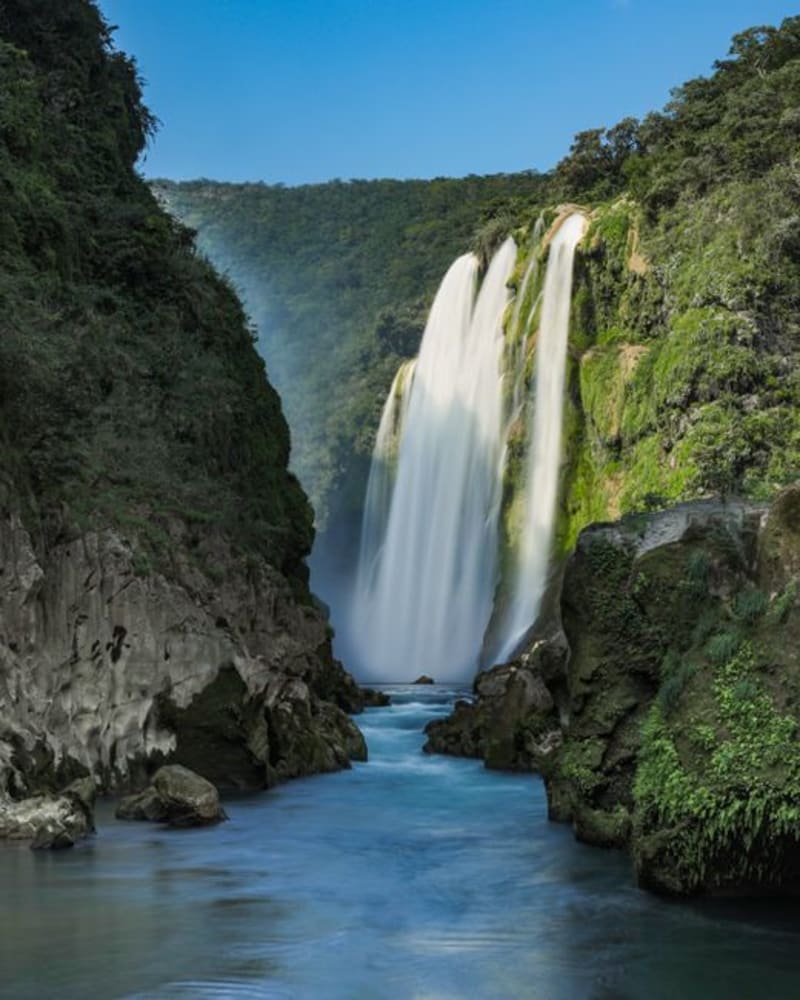
A Nahua market town tucked into the Huasteca river valley of San Luis Potosí, where the hills drop into cascades and the smell of zacahuil tamales drifts from nearly every porch on a Sunday morning.
Explore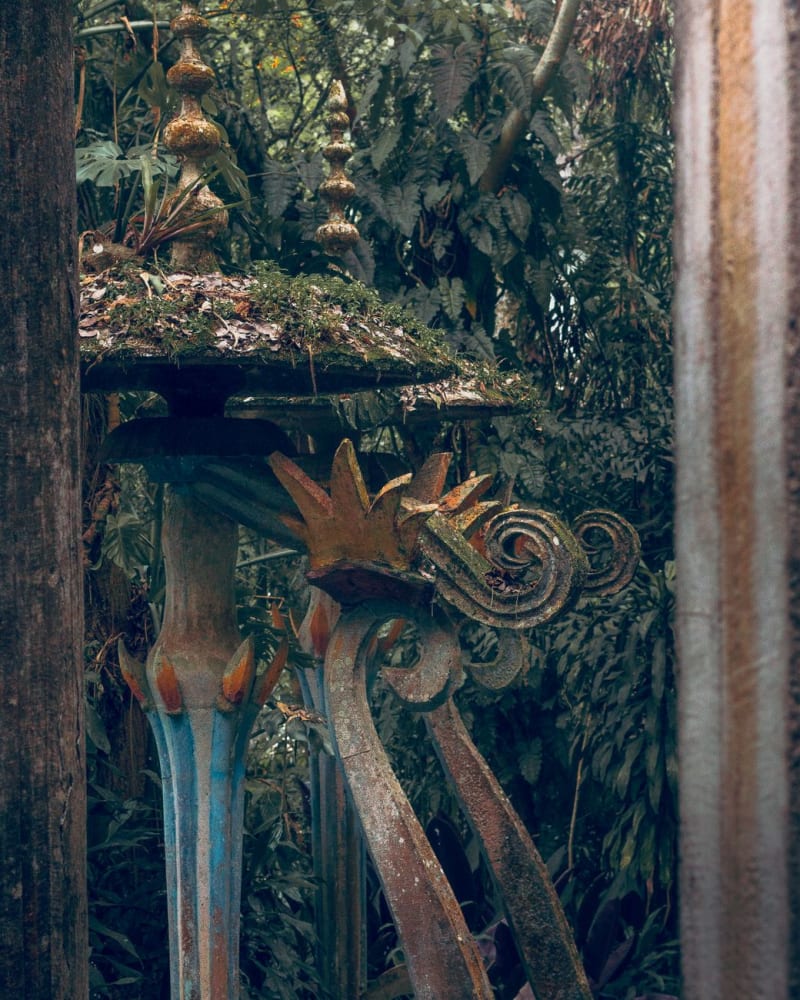 mexico
 Xilitla
A cloud forest town in the Sierra Gorda where British surrealist Edward James spent three decades building Las Pozas — a labyrinth of concrete towers, open staircases, and doorways that frame nothing but jungle. The structure defies easy categorization, and so does the town around it.
Explore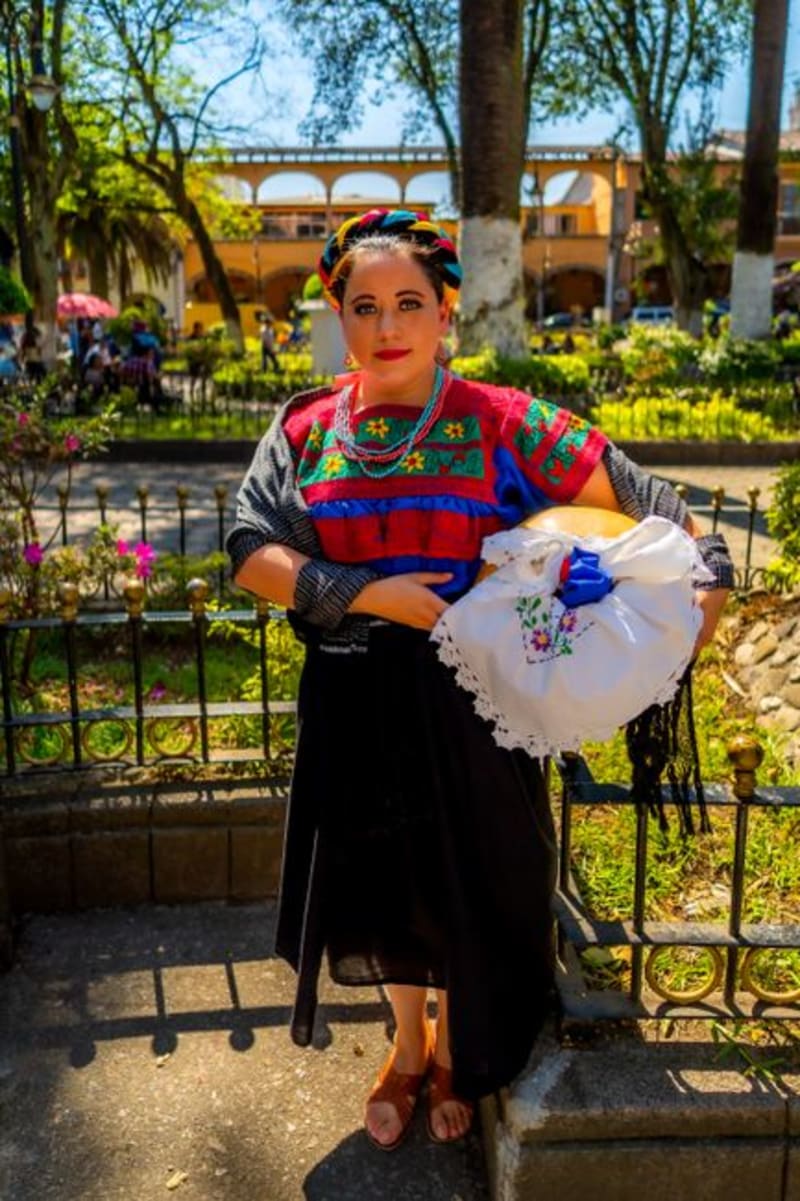 mexico
 Tancanhuitz
A small town folded into the green hills of the Huasteca Potosina, deep in Teenek and Nahua country. Coffee on the slopes, a weekly market that fills the narrow streets, rivers and waterfalls within reach, and a Day of the Dead tradition — Xantolo — that turns the whole place into something older and stranger than any calendar.
Explore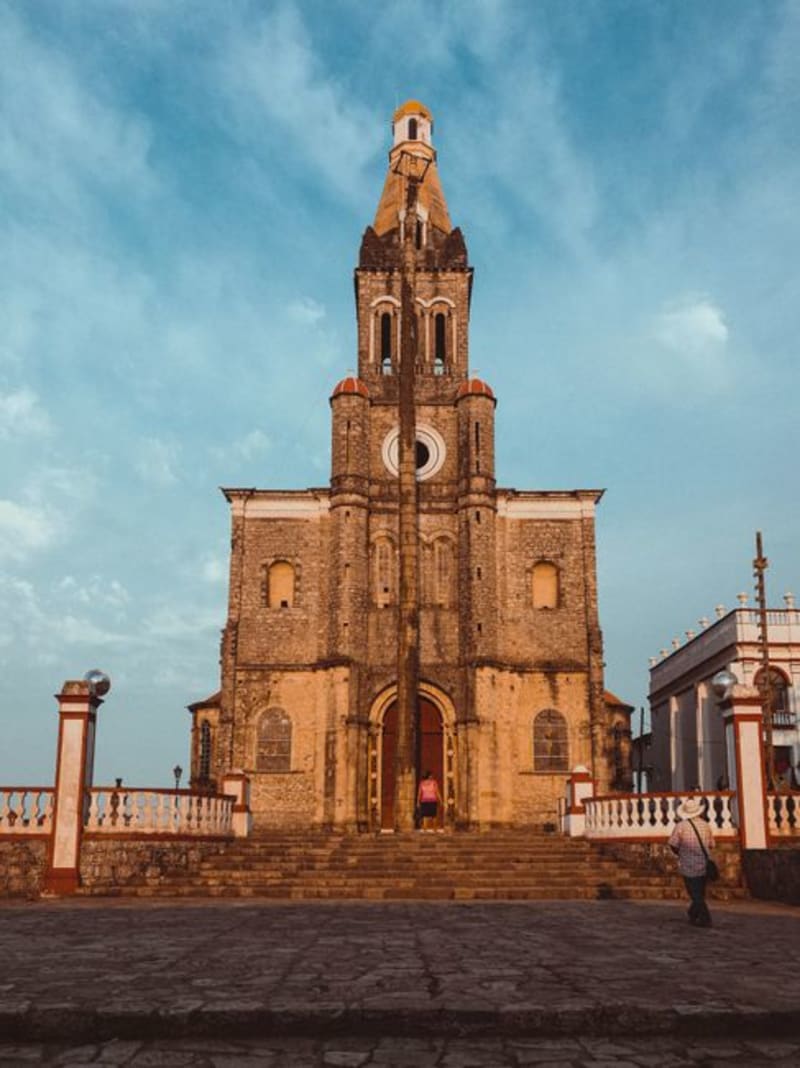 mexico
 Huejutla de Reyes
The commercial heart of the Huasteca Potosina, where Nahuatl still fills the Sunday tianguis and the road north climbs into waterfalls and canyon country within thirty minutes. Less polished than the tourist circuit above it, and more honest for it.
Explore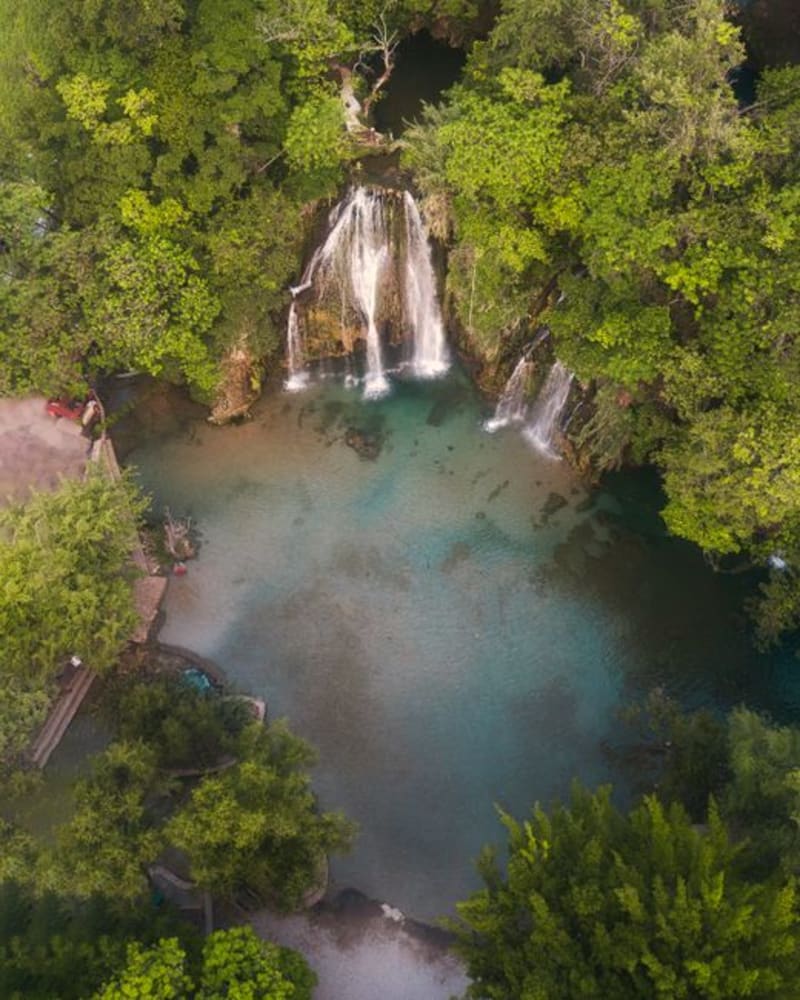 mexico
 Aquismón
Aquismón is the low-key anchor of the Huasteca Potosina, a town of painted concrete and tamarind trees where the surrounding sierra drops without warning into one of the deepest pits on earth. The Sótano de las Golondrinas alone is worth the detour — but the town has its own rhythms worth staying for.
Explore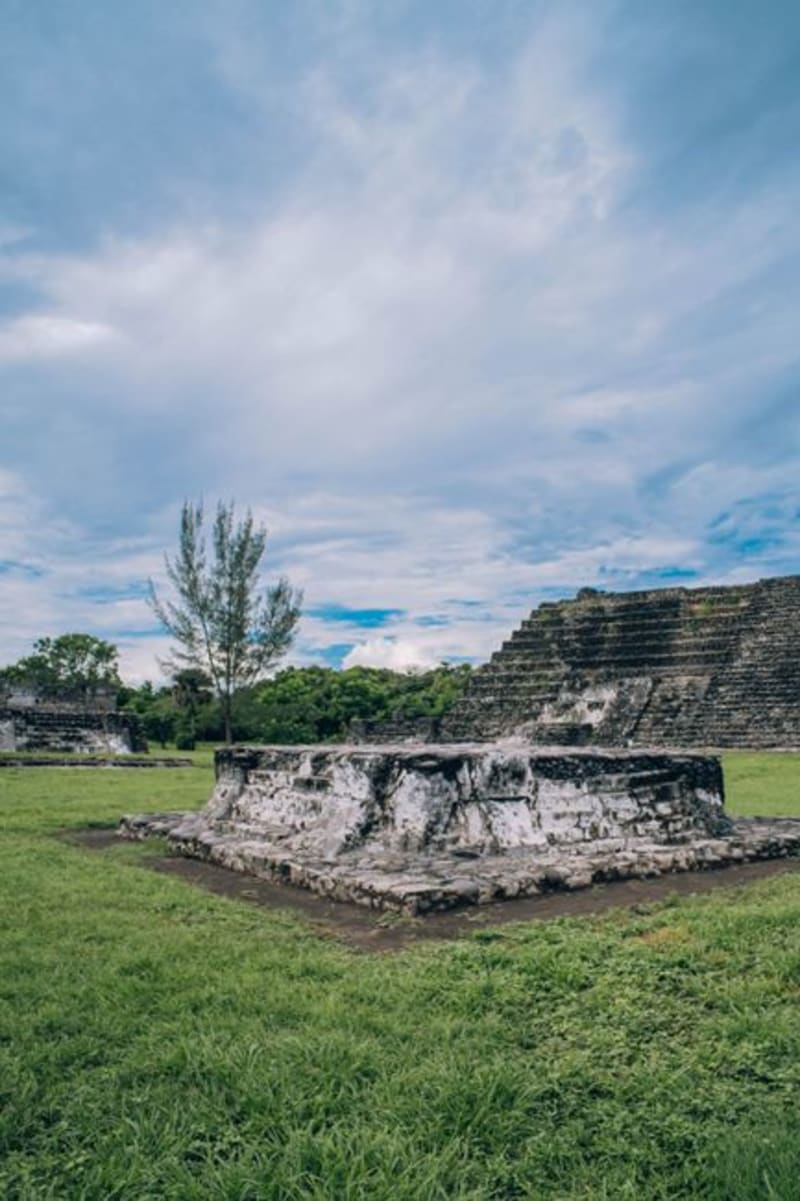 mexico
 Tamuín
Tamuín sits in the flat, river-threaded lowlands of the Huasteca potosina, and just outside it lies Tamtoc — one of the most significant and least-visited Huastec archaeological sites in Mexico, with monumental stone carvings and a ceremonial landscape that looks nothing like anything on the central plateau.
Explore