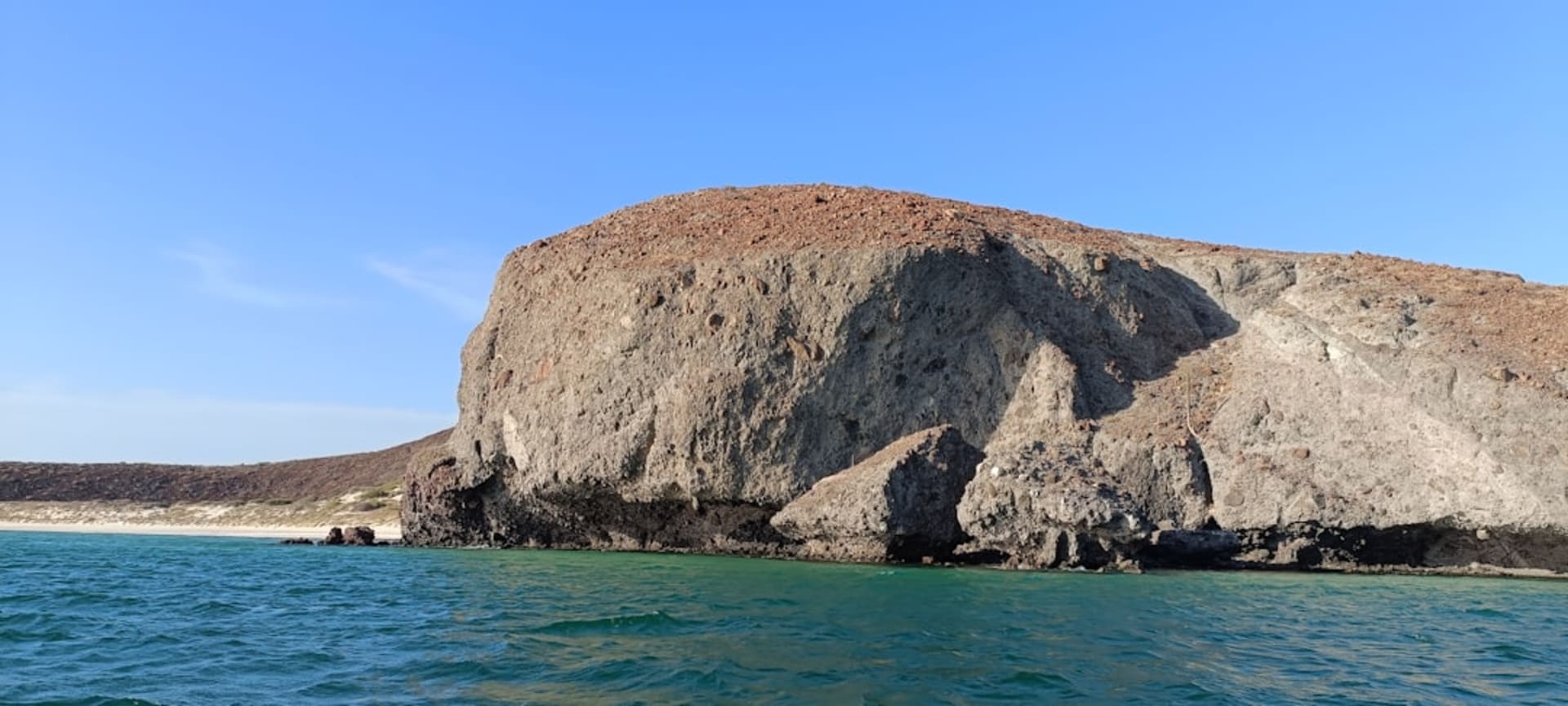
Aquismón
"Three million birds climb out of a hole in the earth every morning, and the sound is something between a roar and a whisper depending on where you're standing."
Aquismón is the low-key anchor of the Huasteca Potosina, a town of painted concrete and tamarind trees where the surrounding sierra drops without warning into one of the deepest pits on earth. The Sótano de las Golondrinas alone is worth the detour — but the town has its own rhythms worth staying for.

I got to Aquismón on a Tuesday afternoon in a colectivo that smelled of wet cardboard and citrus, coming in from Cd. Valles along a road that kept threatening to become a river. The town square was half in shade, a norteño ballad leaking out of a taquería near the corner, and three dogs were doing what dogs do in the Huasteca — absolutely nothing, with great conviction. I’d booked a room above a hardware store. The family who ran it seemed mildly surprised I’d come. That felt about right.
The Pit at Dawn
The Sótano de las Golondrinas is about twelve kilometers out of town, down a road that turns to ruts after rain, and you need to be there before six if you want to see the morning flight. What happens is this: three million white-collared swifts and green parakeets spend the night inside a shaft that drops 512 meters — deeper than the Eiffel Tower is tall — and at first light they begin to spiral upward in a column so dense it generates its own sound. Not bird calls exactly. More like the noise a stadium crowd makes when something massive happens, if you slowed it down and filtered it through 200 meters of air. The column takes eight to twelve minutes to clear the rim, depending on the day. I stayed for twenty minutes after the last bird was gone, partly because I couldn’t think of anything reasonable to do next.

The Town Below the Clouds
Back in Aquismón, the morning market on Calle Hidalgo runs until about nine before the heat chases everyone inside. I had breakfast there two days running — enchiladas huastecas with the local chile puya salsa that sits at exactly the heat level where you keep eating even though you know better, and café de olla that came in a clay cup so small I had to order three. The market women were selling nanche fruit and quelites and whole dried chiles in quantities that suggested nobody nearby was cooking for fewer than fifteen people. The thing nobody tells you about the Huasteca Potosina towns is how green everything is — not postcard green, but the saturated, slightly overwhelming green of a place that gets 1,800 millimeters of rain a year and means it.

Rivers and Limestone
The Río Gallinas runs a few kilometers east, and the swimming holes near the ejido of Tamasopo are cold enough in the morning to be unpleasant in a clarifying way. Locals come in the afternoons. I went at ten, had the flat rock above the first pool entirely to myself, and sat there eating a warm tamal I’d bought wrapped in foil from a woman near the basketball court. The limestone here does things water elsewhere doesn’t — blue-green pools, tufa formations, a softness to the light that bounces off the white rock. It’s the same geology that makes the Tamul waterfall, two hours east, so absurd. Aquismón is the quieter version of all of that.

Getting There
Aquismón is 60 km north of Ciudad Valles, the regional hub with bus connections from San Luis Potosí city (4–5 hours by ADO). Colectivos to Aquismón leave from Cd. Valles’ main market area throughout the morning for around 60 pesos. The road is paved but demanding after rain. A taxi or rental from Valles gives more flexibility for the Sótano at dawn.
Keep exploring
More of San Luis Potosí
Keep exploring
More from San Luis Potosí
 mexico
 Tancanhuitz
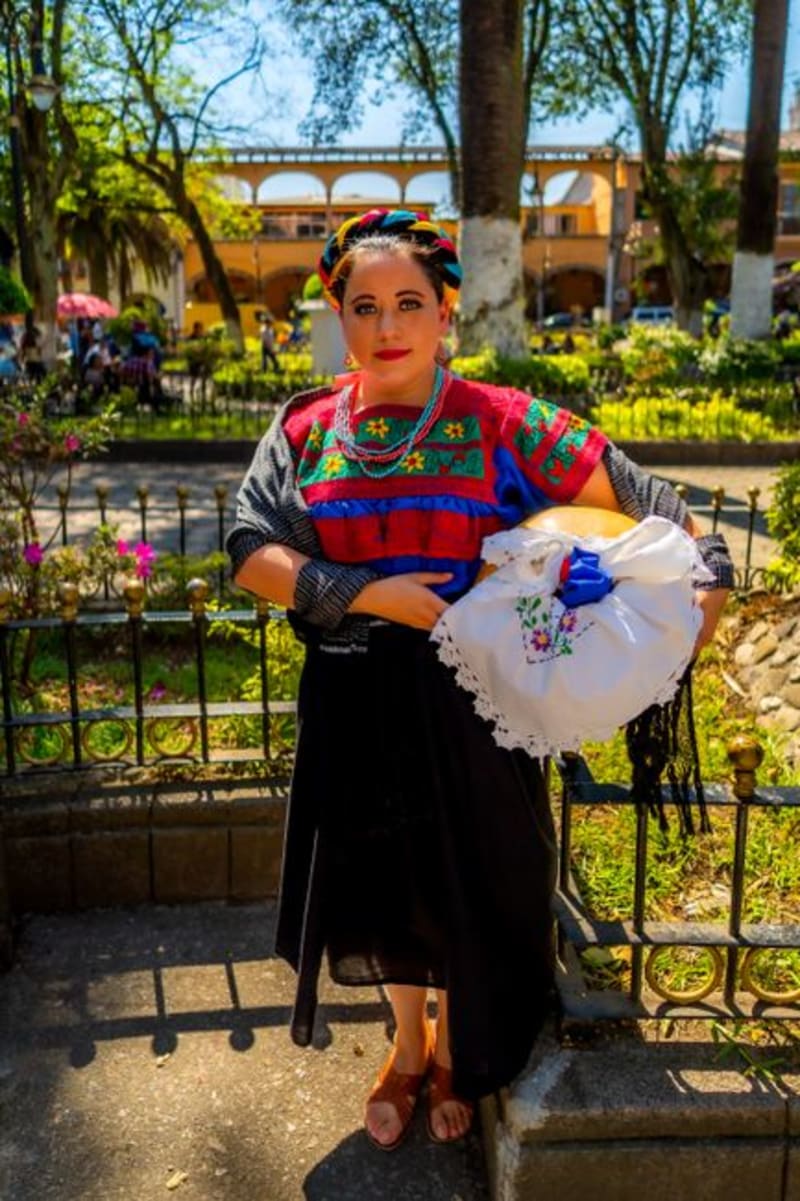
A small town folded into the green hills of the Huasteca Potosina, deep in Teenek and Nahua country. Coffee on the slopes, a weekly market that fills the narrow streets, rivers and waterfalls within reach, and a Day of the Dead tradition — Xantolo — that turns the whole place into something older and stranger than any calendar.
Explore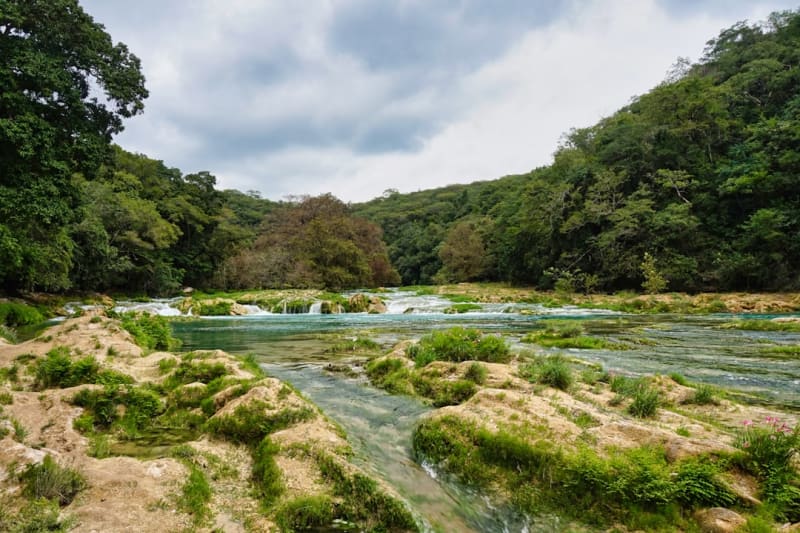 mexico
 Huasteca Potosina
A region of San Luis Potosí state where the rivers run turquoise through tropical limestone canyons, the Tamul waterfall drops 105 meters into a river you can reach by canoe, and the Huastec communities maintain a textile and ceremonial tradition distinct from any other indigenous culture in Mexico.
Explore mexico
 Ciudad Valles
Ciudad Valles is not the destination — it is the architecture around one. The city itself is a flat, busy commercial hub in the lowland Huasteca, and that is fine, because within two hours in any direction lie some of the most extraordinary natural landscapes in Mexico: towering waterfalls, vertical cave shafts, jungle pozas, and Nahua villages that most visitors never locate on a map.
Explore mexico
 Xilitla
A cloud forest town in the Sierra Gorda where British surrealist Edward James spent three decades building Las Pozas — a labyrinth of concrete towers, open staircases, and doorways that frame nothing but jungle. The structure defies easy categorization, and so does the town around it.
Explore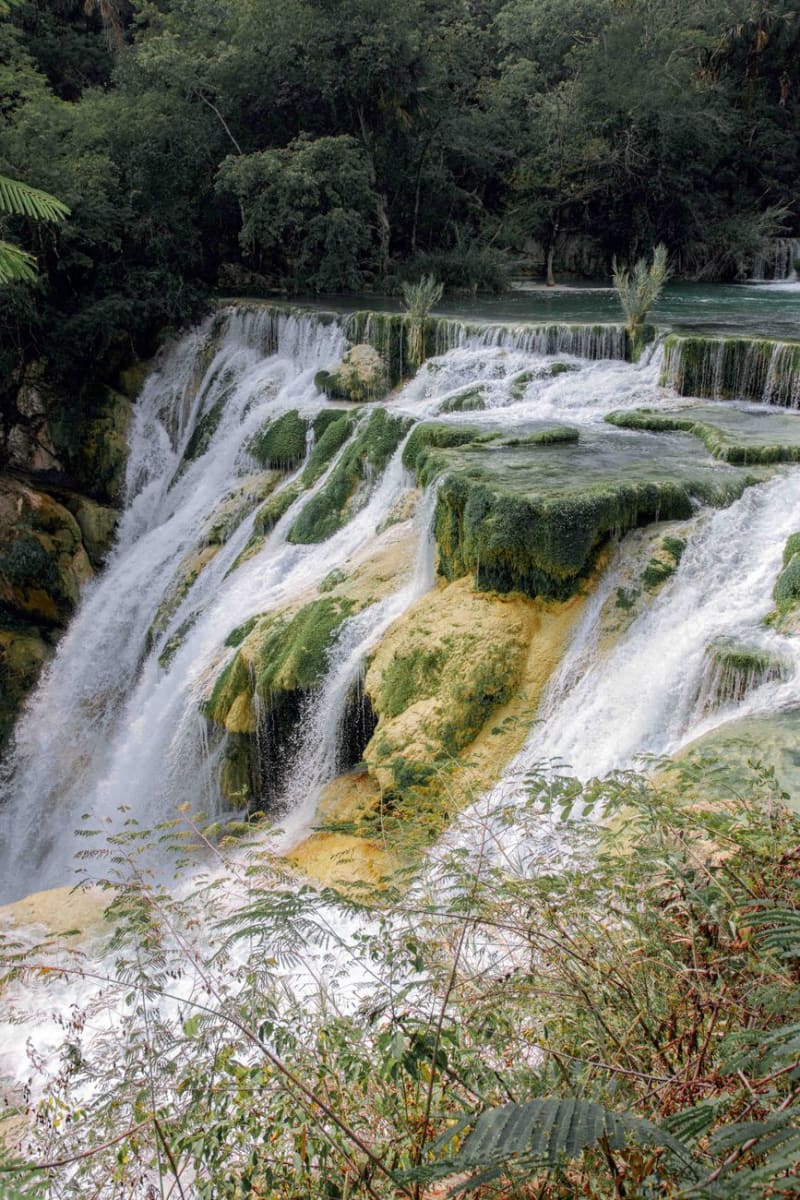 mexico
 Tamasopo
Tamasopo is a small town in the Huasteca Potosina where the Tamasopo River drops through a limestone canyon in a series of cascades, and the water is the specific Caribbean-turquoise color that calcium carbonate in spring water produces over white limestone — not a photograph filter, not a seasonal condition, just what the water looks like here all year. I swam for an hour and ate enchiladas huastecas in the afternoon and considered this a good day.
Explore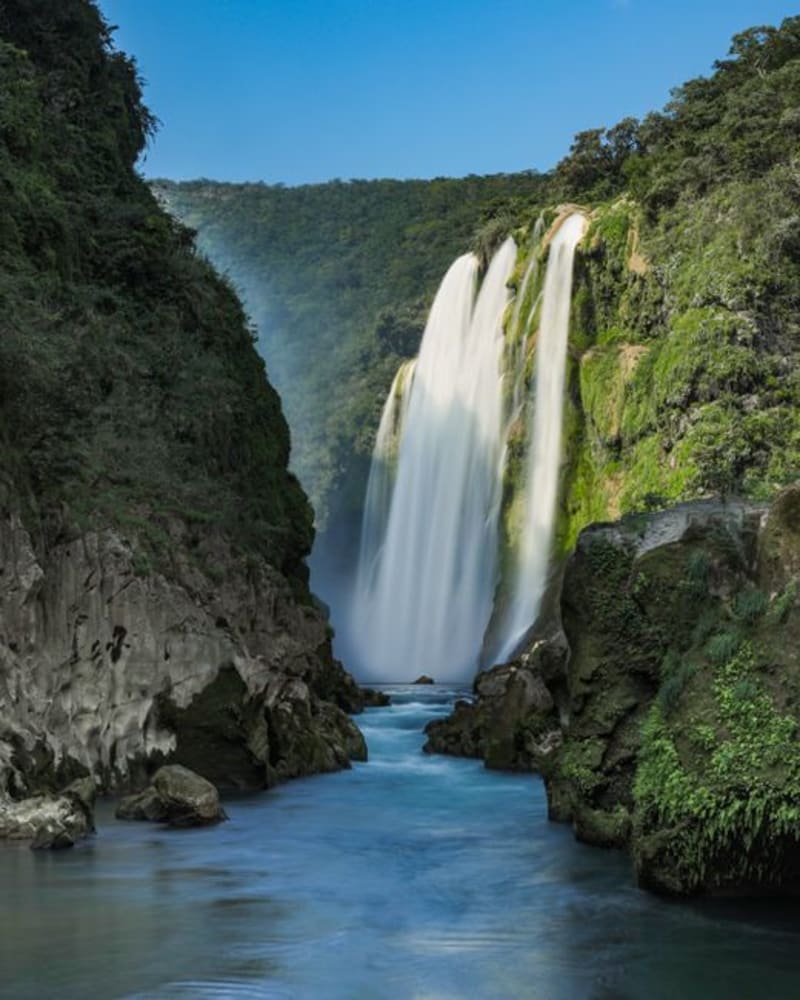 mexico
 Axtla de Terrazas
A Nahua market town tucked into the Huasteca river valley of San Luis Potosí, where the hills drop into cascades and the smell of zacahuil tamales drifts from nearly every porch on a Sunday morning.
Explore