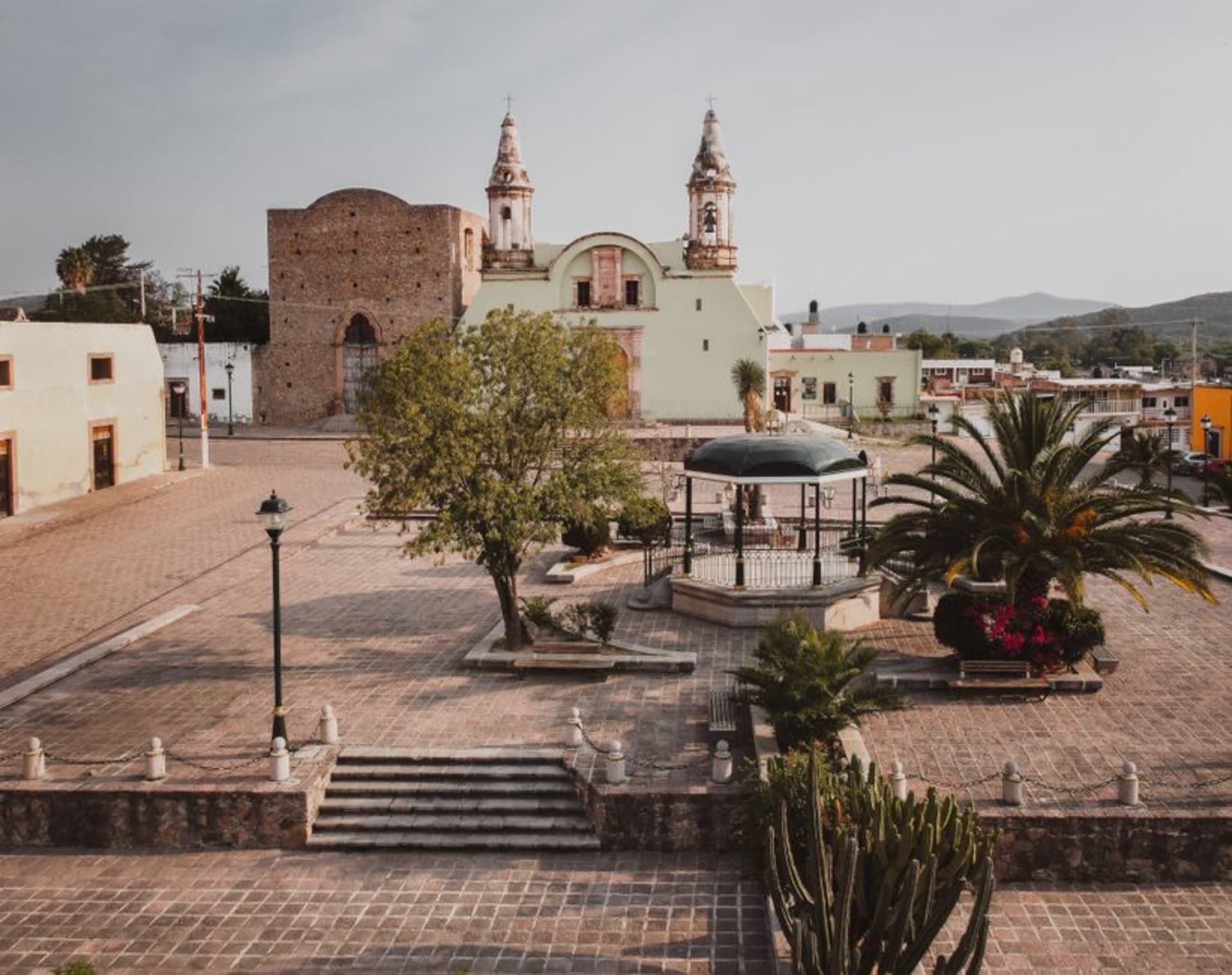
Huejutla de Reyes
"The Huasteca starts here, in a market where three languages overlap."
The commercial heart of the Huasteca Potosina, where Nahuatl still fills the Sunday tianguis and the road north climbs into waterfalls and canyon country within thirty minutes. Less polished than the tourist circuit above it, and more honest for it.

I came down from the Sierra on a second-class bus that took corners faster than seemed reasonable, and Huejutla announced itself the way lowland cities do — heat first, then noise, then the smell of frying masa coming through the window before the bus even stopped. I had planned to spend one night and move on toward the waterfalls. That was four days ago. The city is not beautiful in any obvious way, but it has the particular gravity of a place that still functions entirely for the people who live there, not for the people passing through.
The Sunday Tianguis
The market runs every Sunday and it runs wide — twelve city blocks by my rough count, maybe more depending on which direction the produce sellers decide to expand that week. Vendors from the surrounding Huastec communities set up before dawn, and by eight in the morning Calles Hidalgo and Juárez are impassable to anything with wheels. I spent two hours one morning buying almost nothing: a kilo of xoconostle, a small jar of achiote paste, two tlayudas de frijol from a woman cooking over a clay comal near the church entrance. She told me the price in Nahuatl first, then corrected herself with a laugh and repeated it in Spanish. Around her, vendors cycled through three languages — Nahuatl, Spanish, a few phrases of Teenek — depending on who was standing in front of them. That linguistic triangulation felt like the essential fact of the Huasteca, happening casually between transactions.

Zacahuil and the Huastec Table
The food here is not what you find on the coast, and that surprised me. Zacahuil is the thing to understand first: a tamal the size of a forearm, sometimes larger, wrapped in banana leaf and cooked overnight in a wood-fired pit. The masa is coarser than a standard tamal, almost grainy, and the pork inside is braised long enough that it falls apart when you touch it. A few spots near the central market sell it by the slice on Sunday mornings — you ask for a ración and the vendor cuts through the leaf with a machete. I ate mine standing at the counter of a narrow comedor on Calle Revolución, washing it down with agua de tamarindo that was cold enough to matter in the heat. The other dish worth tracking down is bocoles — thick corn patties filled with black bean paste and crisped on a comal — which appear at breakfast hours and disappear by ten.

The Road into the Sierra
Huejutla sits at around 180 meters elevation, which means it is genuinely hot from March through October. But the road north toward Tamazunchale climbs fast, and within thirty minutes you are in a different world — cooler air, canyon walls, the occasional waterfall visible from the roadside. Most travelers use Xilitla or Ciudad Valles as their base for the Huasteca Potosina circuit, but Huejutla makes a quieter entry point, especially if you are coming from Hidalgo or Veracruz. The city itself has no waterfalls to sell you, which is almost a relief.

Getting There
Direct ADO and Autobuses Oriente buses connect Huejutla to Mexico City (Norte terminal, around five hours), Pachuca (three hours), and Tampico (four hours). From Xilitla or Ciudad Valles, second-class buses run through the Sierra — slow, scenic, and cheaper than you expect. The bus station sits eight blocks from the central plaza.
Keep exploring
More of San Luis Potosí
Keep exploring
More from San Luis Potosí
 mexico
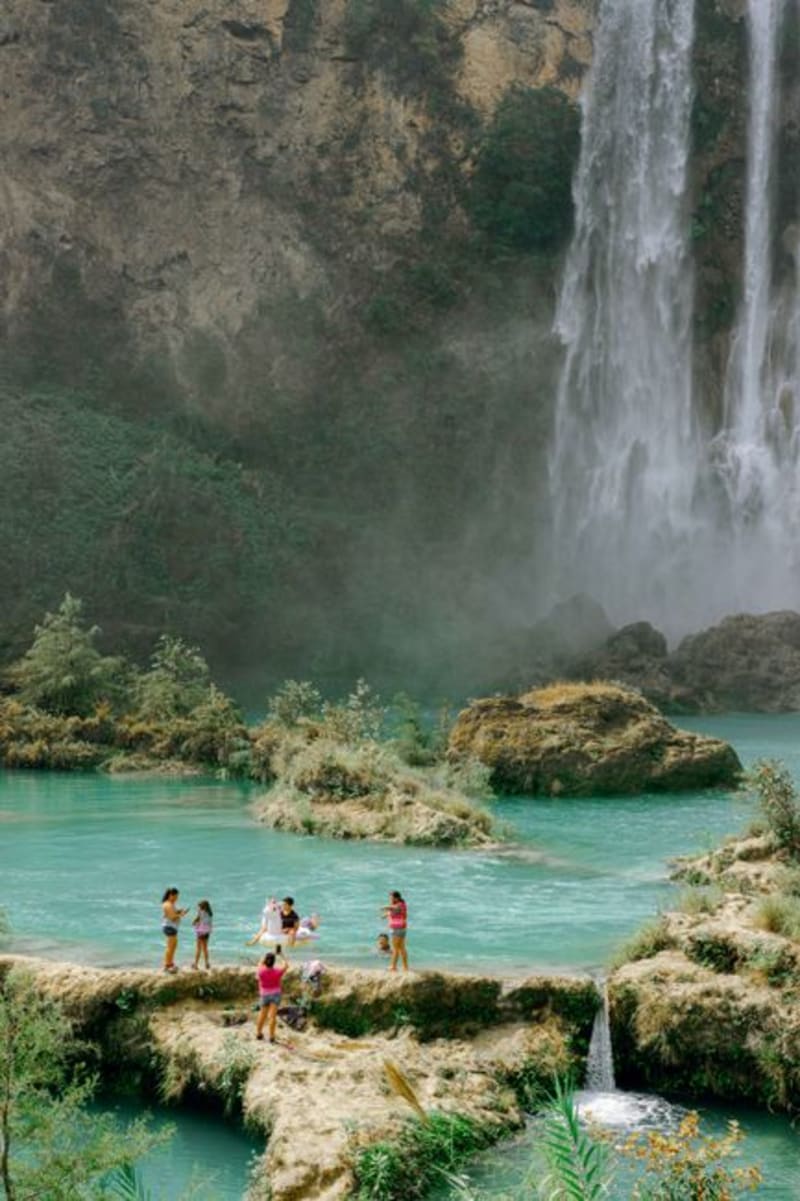
 Tamazunchale
Where the Sierra Madre Oriental drops suddenly into Huasteca jungle, Tamazunchale sits at the base of one of Mexico's most dramatic elevation transitions — river gorges, cloud forest, and a Nahua Sunday market that has operated the same way for generations.
Explore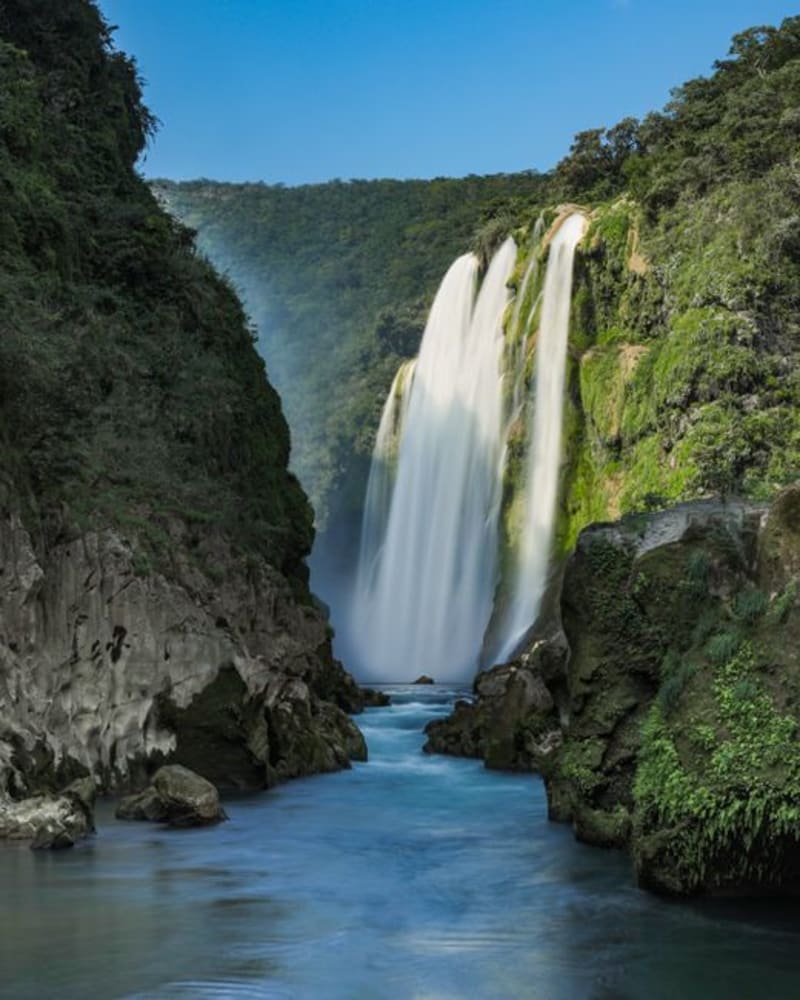 mexico
 Axtla de Terrazas
A Nahua market town tucked into the Huasteca river valley of San Luis Potosí, where the hills drop into cascades and the smell of zacahuil tamales drifts from nearly every porch on a Sunday morning.
Explore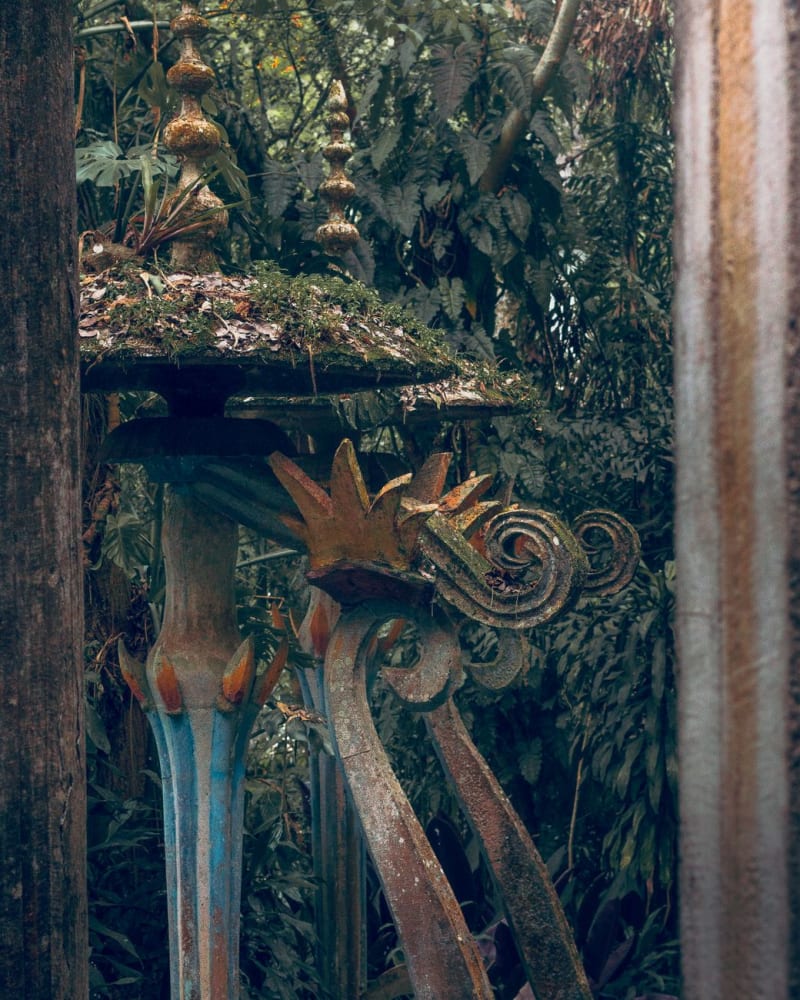 mexico
 Xilitla
A cloud forest town in the Sierra Gorda where British surrealist Edward James spent three decades building Las Pozas — a labyrinth of concrete towers, open staircases, and doorways that frame nothing but jungle. The structure defies easy categorization, and so does the town around it.
Explore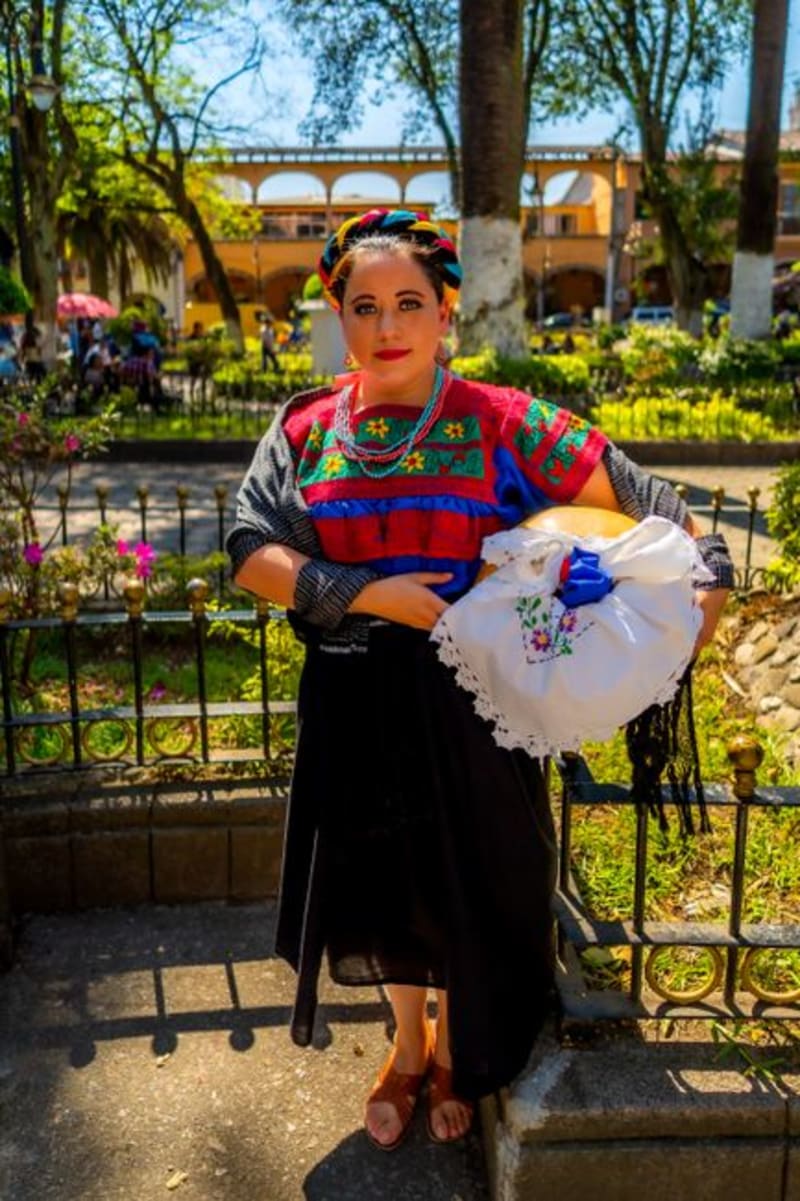 mexico
 Tancanhuitz
A small town folded into the green hills of the Huasteca Potosina, deep in Teenek and Nahua country. Coffee on the slopes, a weekly market that fills the narrow streets, rivers and waterfalls within reach, and a Day of the Dead tradition — Xantolo — that turns the whole place into something older and stranger than any calendar.
Explore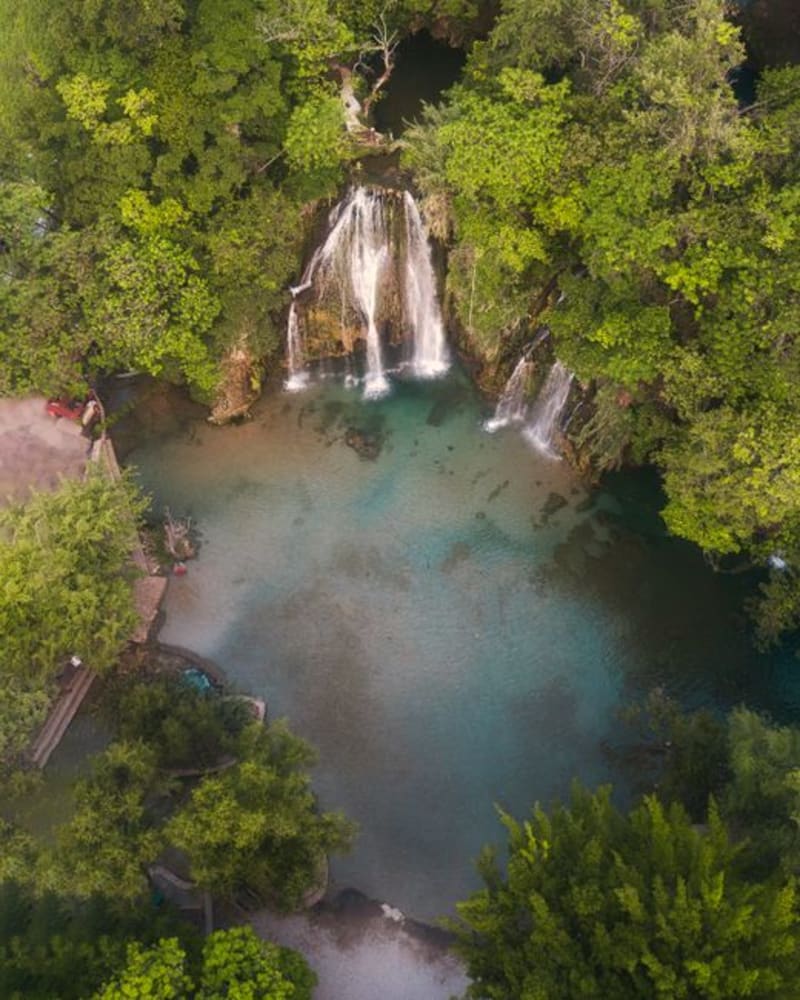 mexico
 Aquismón
Aquismón is the low-key anchor of the Huasteca Potosina, a town of painted concrete and tamarind trees where the surrounding sierra drops without warning into one of the deepest pits on earth. The Sótano de las Golondrinas alone is worth the detour — but the town has its own rhythms worth staying for.
Explore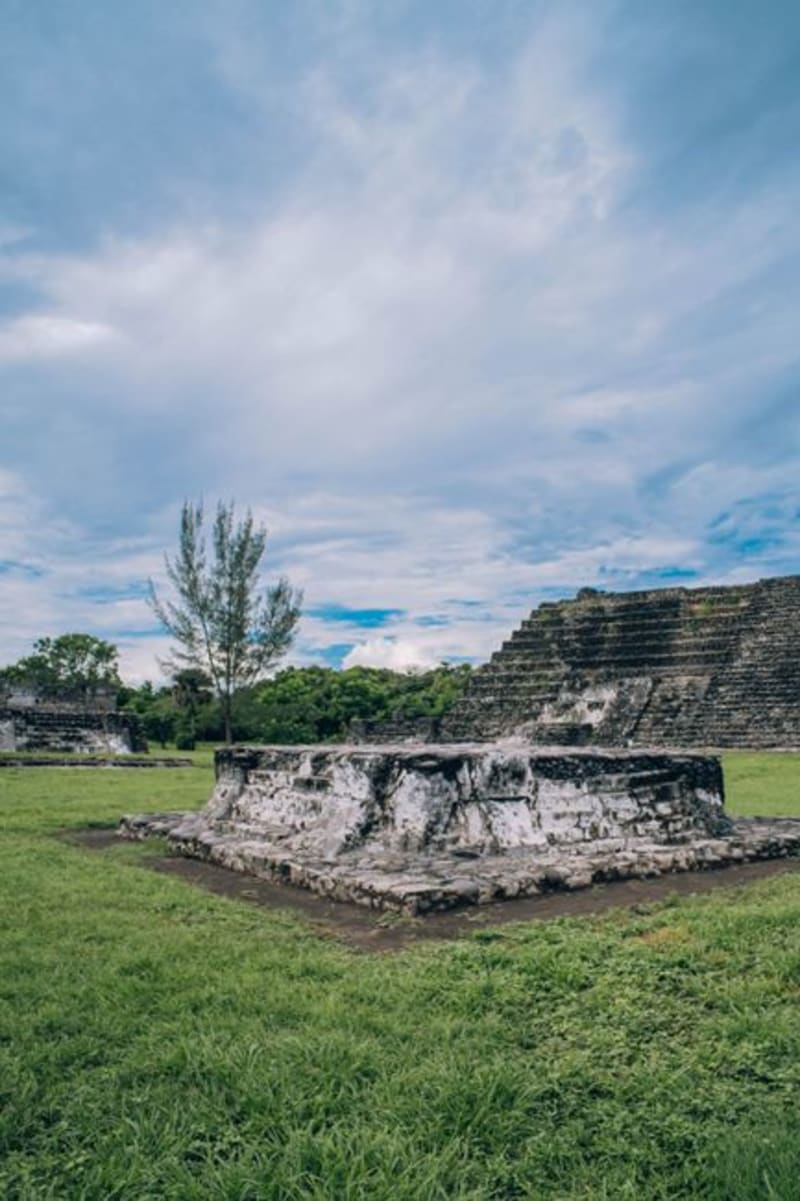 mexico
 Tamuín
Tamuín sits in the flat, river-threaded lowlands of the Huasteca potosina, and just outside it lies Tamtoc — one of the most significant and least-visited Huastec archaeological sites in Mexico, with monumental stone carvings and a ceremonial landscape that looks nothing like anything on the central plateau.
Explore