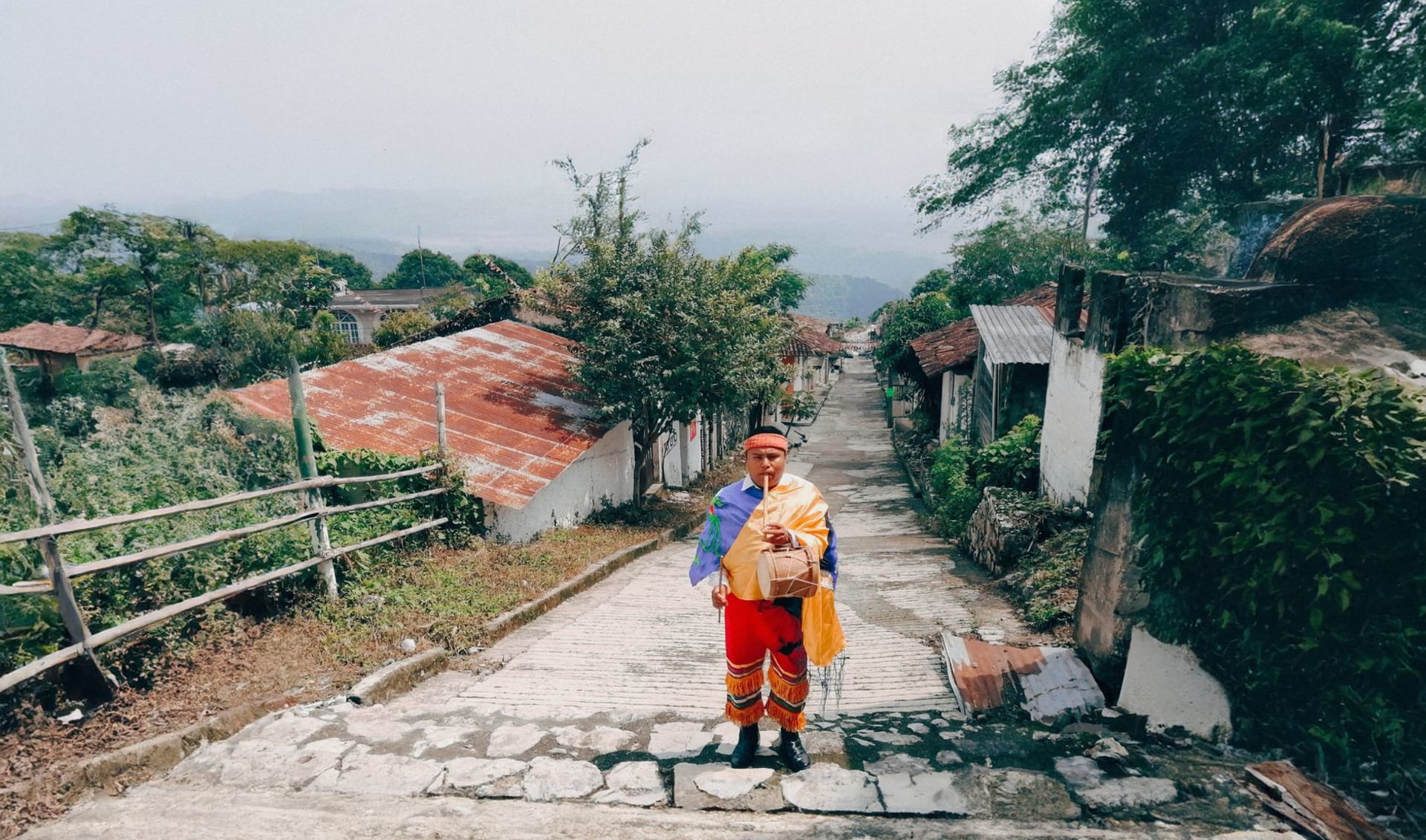
Xilitla
"A staircase that leads to the sky in a jungle in Mexico, built by an English eccentric for reasons that were never entirely clear to anyone including him."
A cloud forest town in the Sierra Gorda where British surrealist Edward James spent three decades building Las Pozas — a labyrinth of concrete towers, open staircases, and doorways that frame nothing but jungle. The structure defies easy categorization, and so does the town around it.

I drove up from Ciudad Valles on a Tuesday morning in March, the road climbing fast into fog and tree ferns, the altitude pressing into my ears. Xilitla appears abruptly — a steep colonial town clinging to a hillside, its main plaza fronted by an Augustinian church that seems to be slowly losing a negotiation with the surrounding jungle. I had coffee at a table on the plaza, ate tamales de rajas wrapped in banana leaf from a woman who set up her cart at seven sharp, and tried to calibrate what kind of place this was before walking down to Las Pozas.
The Sculpture Garden at the Edge of Sense
Las Pozas — Edward James’s life work — sits about a kilometer below the town center, tucked into a fold of cloud forest where the humidity is its own presence. James arrived in the 1940s, fell in love with the hummingbirds, and began pouring concrete. For thirty years. The result is somewhere between a ruin and a cathedral: spiral staircases that lift you forty feet into the tree canopy before depositing you nowhere in particular, doorways that open onto cliff faces, columns wound with cast concrete snakes and flowers. The pozas themselves — natural pools in the river — are still swimmable, cold and clean, and it is possible to spend an afternoon moving between the sculptural structures and the water without quite resolving what you are experiencing. I kept returning to the question of whether James knew exactly what he was doing or whether the jungle was slowly writing the project through him. I did not resolve it.

The Town Above the Garden
The thing nobody tells you about Xilitla is that the town itself rewards a slow afternoon. The market on Calle Juárez runs to dried chiles, fresh cheese, and naranjitas — small acidic oranges specific to the Sierra Gorda that turn up in agua fresca and in mole. I ate lunch at a comedor two blocks off the plaza: caldo de pollo with cilantro and green chile, followed by cecina with black beans that had been cooked down to something almost silky. The altitude here sits around 1,000 meters — cool enough by evening that the restaurants close their windows and light gas heaters. It has nothing of the self-consciousness of a tourist town. The visitors come for Las Pozas; the town continues around them without much fuss.

Mornings in the Cloud Forest
The hour before Las Pozas opens — around eight, when the mist has not yet burned off — is worth setting an alarm for. The trail along the Río Coy that connects town to the garden passes through shade plantings of vanilla and cardamom, and the bird noise at that hour is serious. I am not an ornithologist, but I spent forty minutes standing still while something small and bright moved through the canopy above me, and that felt like the right use of the time.

Getting There
Xilitla is roughly four hours from San Luis Potosí city by car via Rioverde, or three hours from Ciudad Valles. ADO and smaller regional lines serve Ciudad Valles from Mexico City’s TAPO terminal; from there, shared taxis run to Xilitla in about ninety minutes. A long day trip is possible from Valles, but a night or two makes more sense.
Keep exploring
More of San Luis Potosí
Keep exploring
More from San Luis Potosí
 mexico
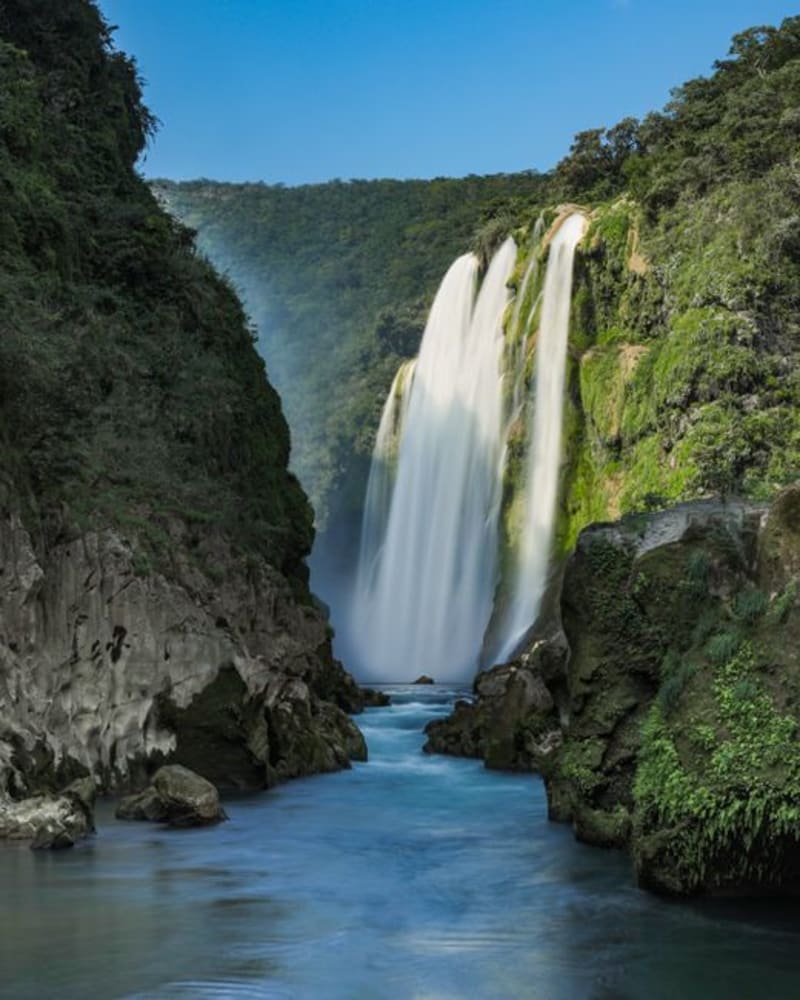
 Axtla de Terrazas
A Nahua market town tucked into the Huasteca river valley of San Luis Potosí, where the hills drop into cascades and the smell of zacahuil tamales drifts from nearly every porch on a Sunday morning.
Explore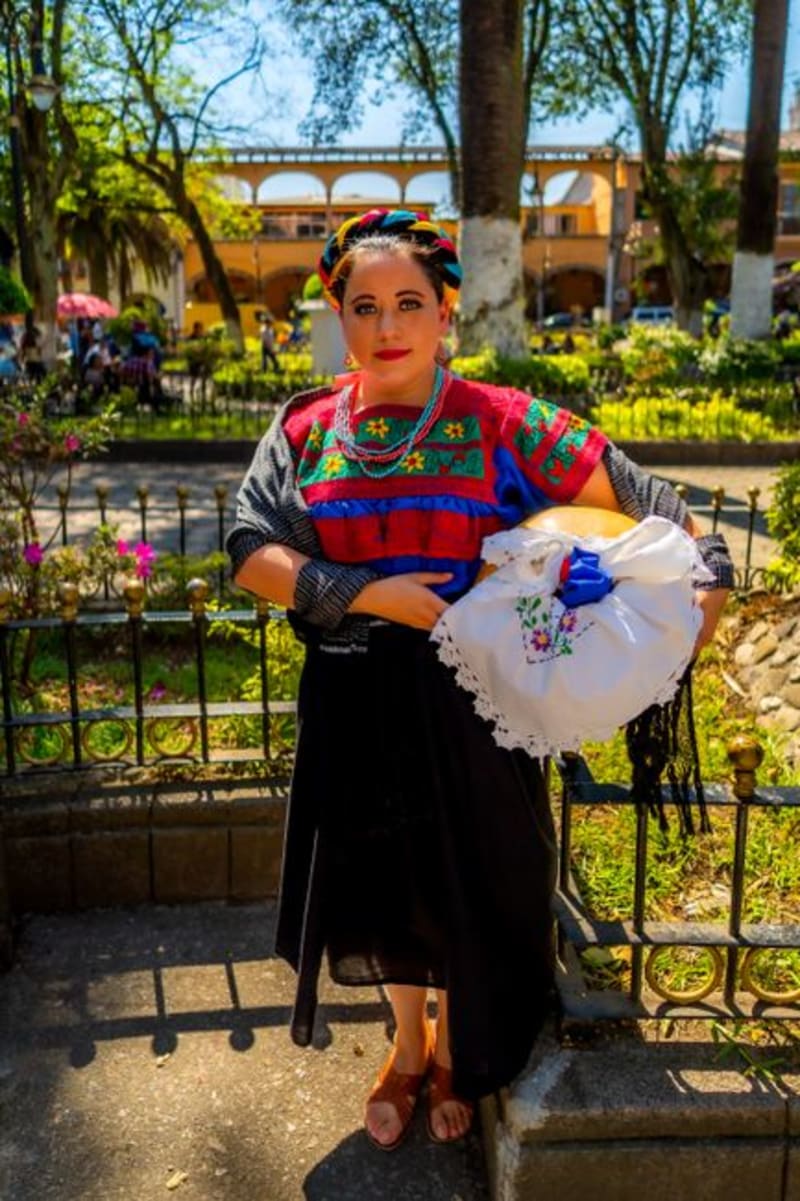 mexico
 Tancanhuitz
A small town folded into the green hills of the Huasteca Potosina, deep in Teenek and Nahua country. Coffee on the slopes, a weekly market that fills the narrow streets, rivers and waterfalls within reach, and a Day of the Dead tradition — Xantolo — that turns the whole place into something older and stranger than any calendar.
Explore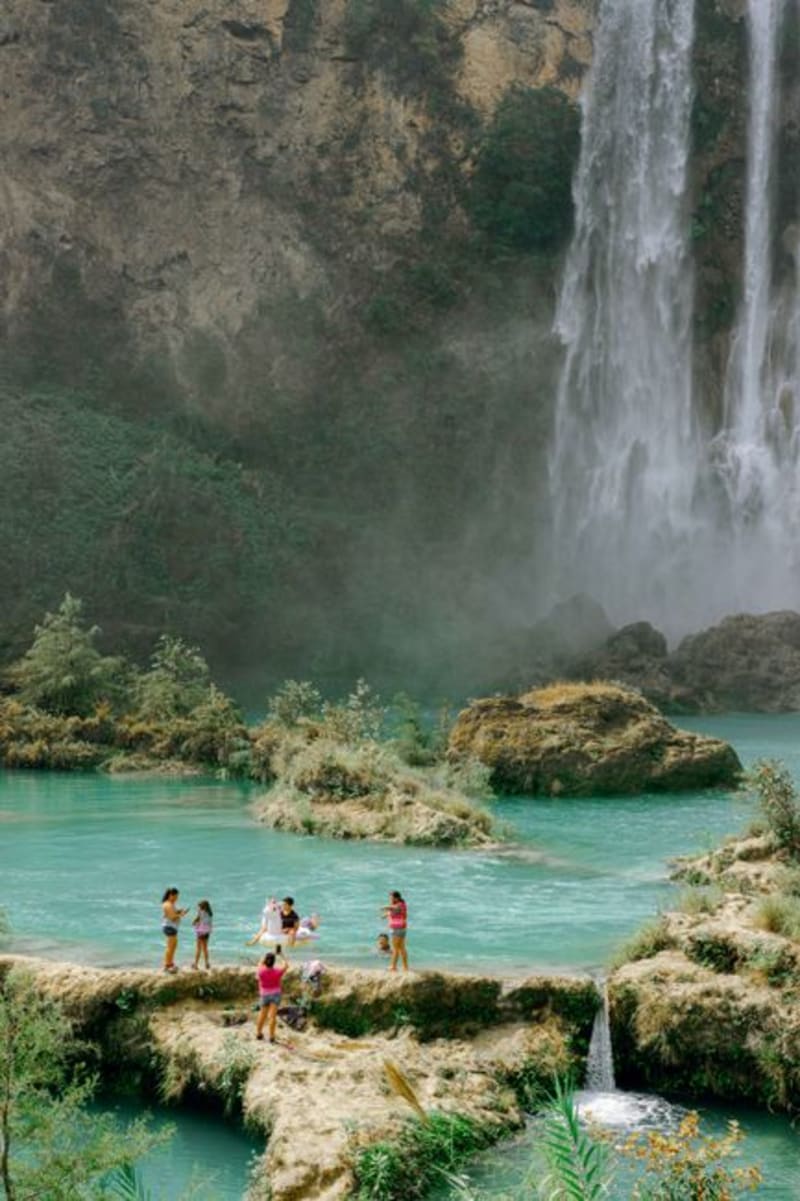 mexico
 Tamazunchale
Where the Sierra Madre Oriental drops suddenly into Huasteca jungle, Tamazunchale sits at the base of one of Mexico's most dramatic elevation transitions — river gorges, cloud forest, and a Nahua Sunday market that has operated the same way for generations.
Explore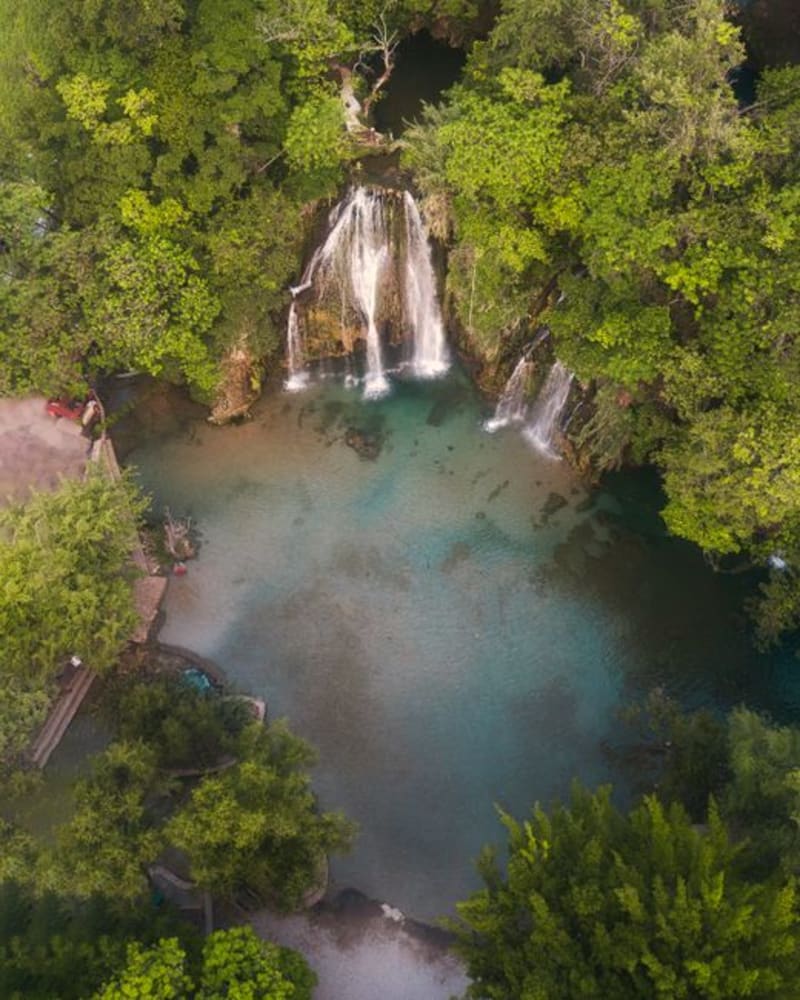 mexico
 Aquismón
Aquismón is the low-key anchor of the Huasteca Potosina, a town of painted concrete and tamarind trees where the surrounding sierra drops without warning into one of the deepest pits on earth. The Sótano de las Golondrinas alone is worth the detour — but the town has its own rhythms worth staying for.
Explore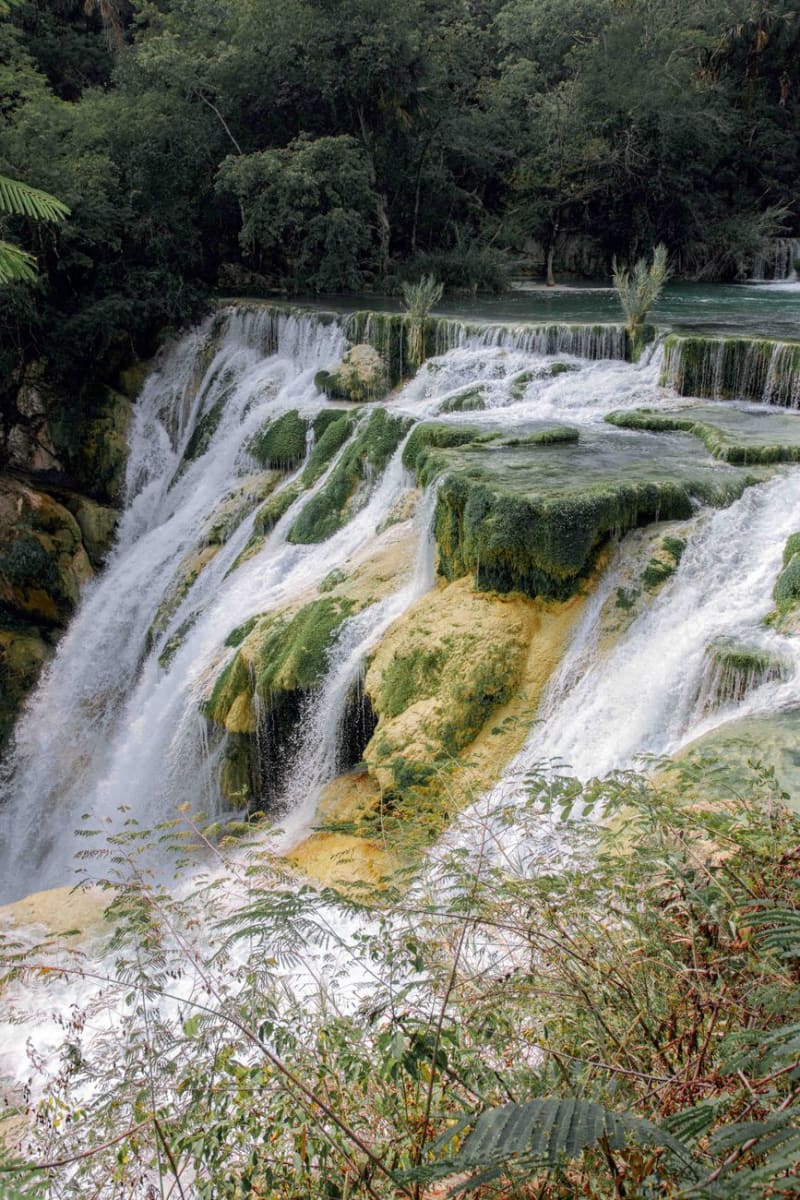 mexico
 Tamasopo
Tamasopo is a small town in the Huasteca Potosina where the Tamasopo River drops through a limestone canyon in a series of cascades, and the water is the specific Caribbean-turquoise color that calcium carbonate in spring water produces over white limestone — not a photograph filter, not a seasonal condition, just what the water looks like here all year. I swam for an hour and ate enchiladas huastecas in the afternoon and considered this a good day.
Explore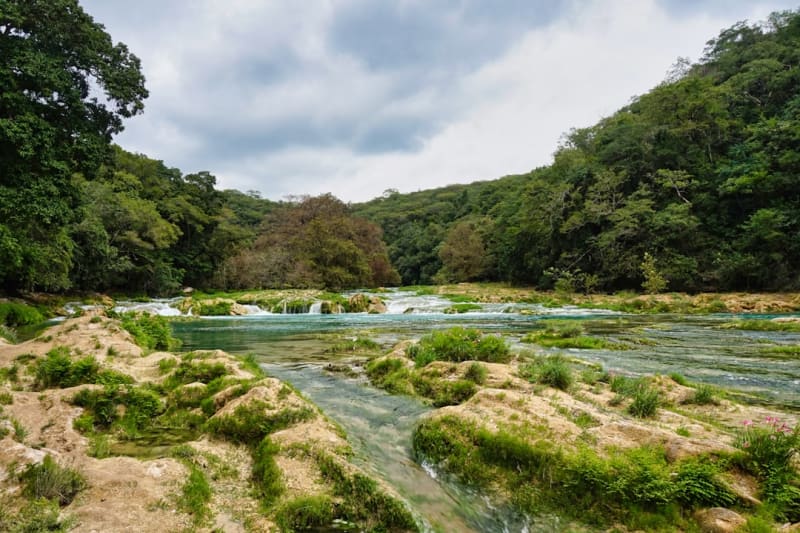 mexico
 Huasteca Potosina
A region of San Luis Potosí state where the rivers run turquoise through tropical limestone canyons, the Tamul waterfall drops 105 meters into a river you can reach by canoe, and the Huastec communities maintain a textile and ceremonial tradition distinct from any other indigenous culture in Mexico.
Explore