Axtla de Terrazas
"Axtla is the kind of place the map mostly skips over, which means arriving feels like finding something rather than visiting something."
A Nahua market town tucked into the Huasteca river valley of San Luis Potosí, where the hills drop into cascades and the smell of zacahuil tamales drifts from nearly every porch on a Sunday morning.

I arrived in Axtla de Terrazas on a second-class bus from Tamazunchale, itself a four-hour ride from Ciudad Valles. That sequence of buses — each one smaller and slower than the last — should have been a warning that I was leaving the tourist circuit behind. Instead it felt like a gradual decompression. By the time the driver announced the end of the line at the main square, I had nowhere specific to be and a vague objective involving a waterfall someone had mentioned in a hostel three towns back.
The River and the Cascade
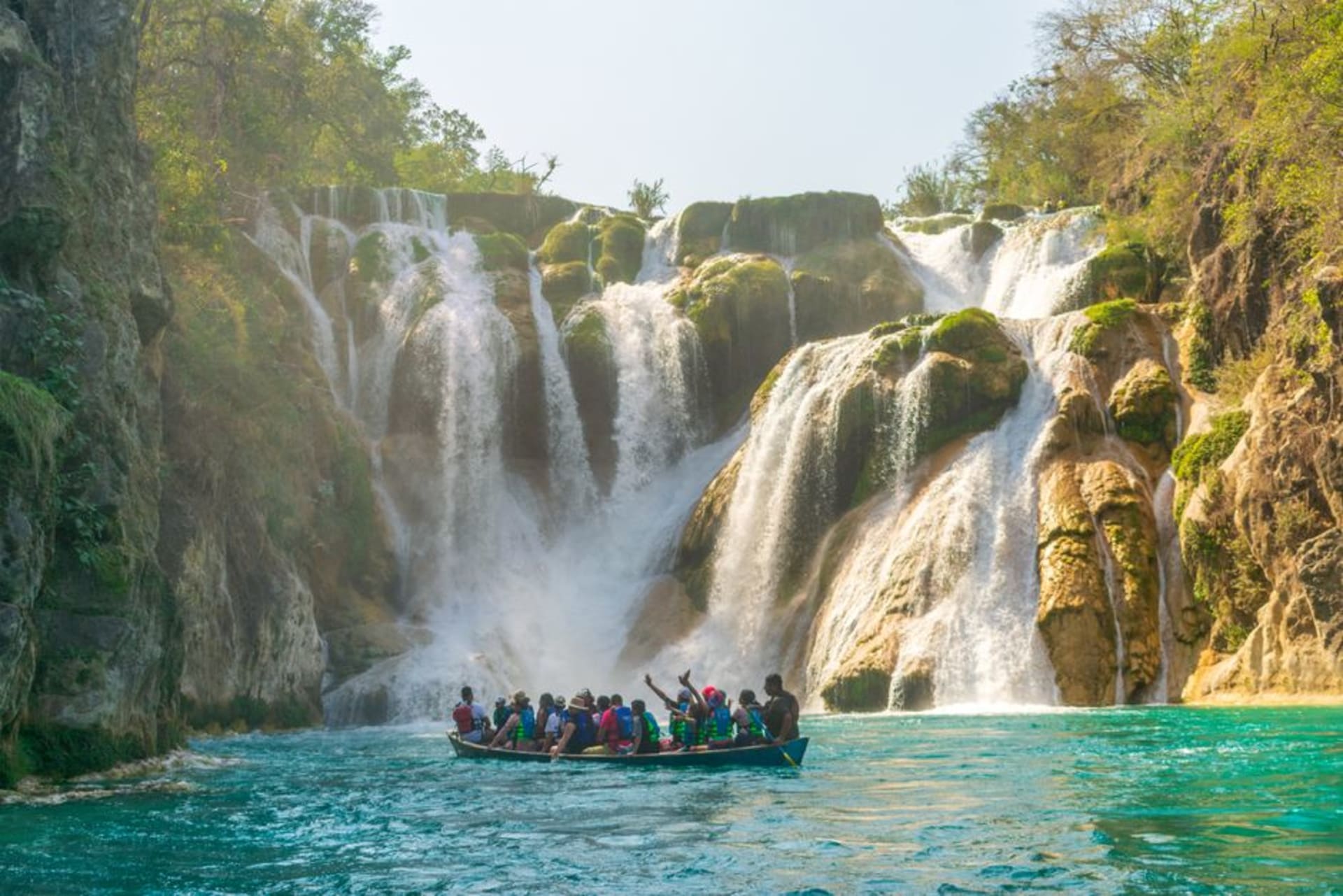
The Cascada de Axtla sits roughly three kilometers from the town center, reachable by a path that follows the Río Axtla upstream through a corridor of banana plants and wild heliconia. The walk takes forty minutes if you stop, which you will, because the vegetation becomes increasingly lush and the sound of water announces the falls well before you see them. The cascade drops about twenty meters into a pool of an unreasonable shade of green — the kind of green that looks like a filter has been applied to reality. On the Tuesday morning I went, I shared it with two local women doing laundry on flat rocks at the pool’s edge and a boy practicing backflips off the lowest shelf of stone. Nobody was treating it as a spectacle. That is usually a reliable indicator that a place is worth staying near.

Zacahuil and the Sunday Market
The weekly market is Sunday, but vendors occupy the main square most mornings regardless, arriving by motorcycle and occasionally by horse with woven baskets of produce. The Nahua presence in the surrounding villages is tangible — you hear Nahuatl spoken at the stalls where women sell xocotamates and bundles of quelites. The tamale of the Huasteca is zacahuil: a large preparation wrapped in banana leaf, cooked overnight in clay pots, each one roughly the size of a forearm and filled with masa, dried chile, and either chicken or pork. A woman named Esperanza who ran a stall just off the main plaza sold me one for thirty pesos, and when I mentioned I was trying to understand the preparation, she invited me to her porch. I ate a second tamale there with her family in the afternoon shade. I did not leave Axtla until the following morning.

Where to Sleep, What to Eat in the Evening
Axtla has two or three posadas of the functional variety — clean, run by families who will be mildly surprised but entirely welcoming. I stayed at a place on Calle Hidalgo whose name I never learned because it was painted on a wall in letters that had mostly faded. Breakfast was included: scrambled eggs with epazote, black beans, tortillas made by hand while I waited. For dinner, walk toward the sound of cooking. In practice this means following wood smoke in the early evening, when the streets near the market fill with women selling caldos and quesadillas off griddles set up on folding tables. Nothing costs very much. Nothing needs to.

Getting There
The nearest hub is Ciudad Valles, about two hours north. From there, second-class buses toward Tamazunchale pass through Axtla — confirm the stop with the driver before boarding. From Mexico City’s Terminal Oriente (TAPO), several Huasteca-bound lines cover the route directly. The bus drops you a block from the main plaza. There is no taxi rank, but the town is small enough not to need one.
Keep exploring
More of San Luis Potosí
Keep exploring
More from San Luis Potosí
 mexico
 Xilitla
A cloud forest town in the Sierra Gorda where British surrealist Edward James spent three decades building Las Pozas — a labyrinth of concrete towers, open staircases, and doorways that frame nothing but jungle. The structure defies easy categorization, and so does the town around it.
Explore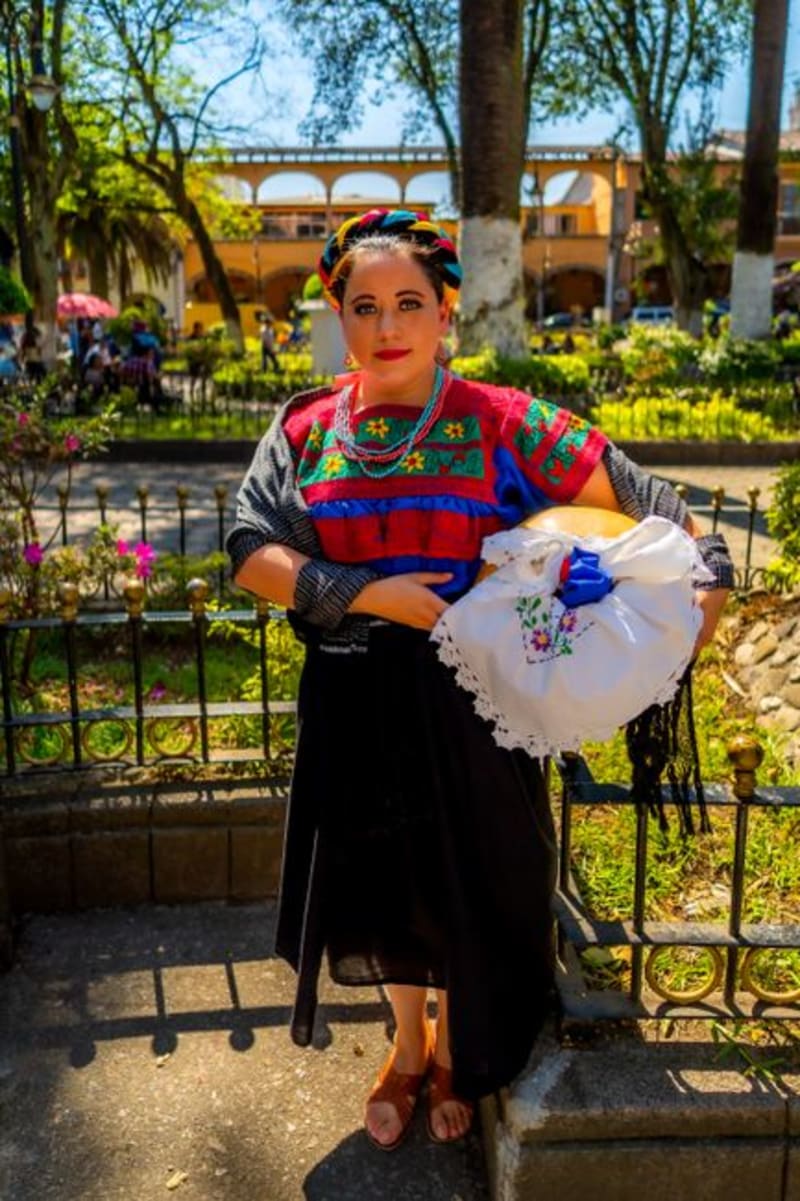 mexico
 Tancanhuitz
A small town folded into the green hills of the Huasteca Potosina, deep in Teenek and Nahua country. Coffee on the slopes, a weekly market that fills the narrow streets, rivers and waterfalls within reach, and a Day of the Dead tradition — Xantolo — that turns the whole place into something older and stranger than any calendar.
Explore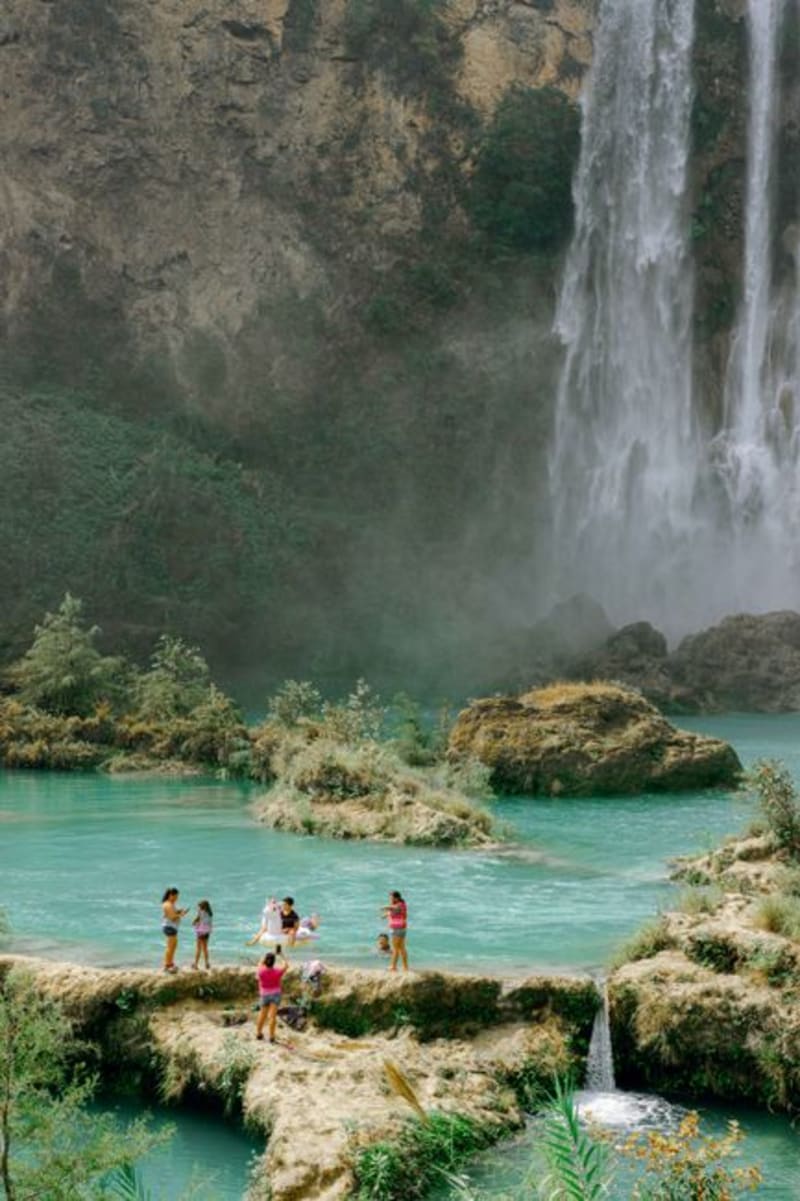 mexico
 Tamazunchale
Where the Sierra Madre Oriental drops suddenly into Huasteca jungle, Tamazunchale sits at the base of one of Mexico's most dramatic elevation transitions — river gorges, cloud forest, and a Nahua Sunday market that has operated the same way for generations.
Explore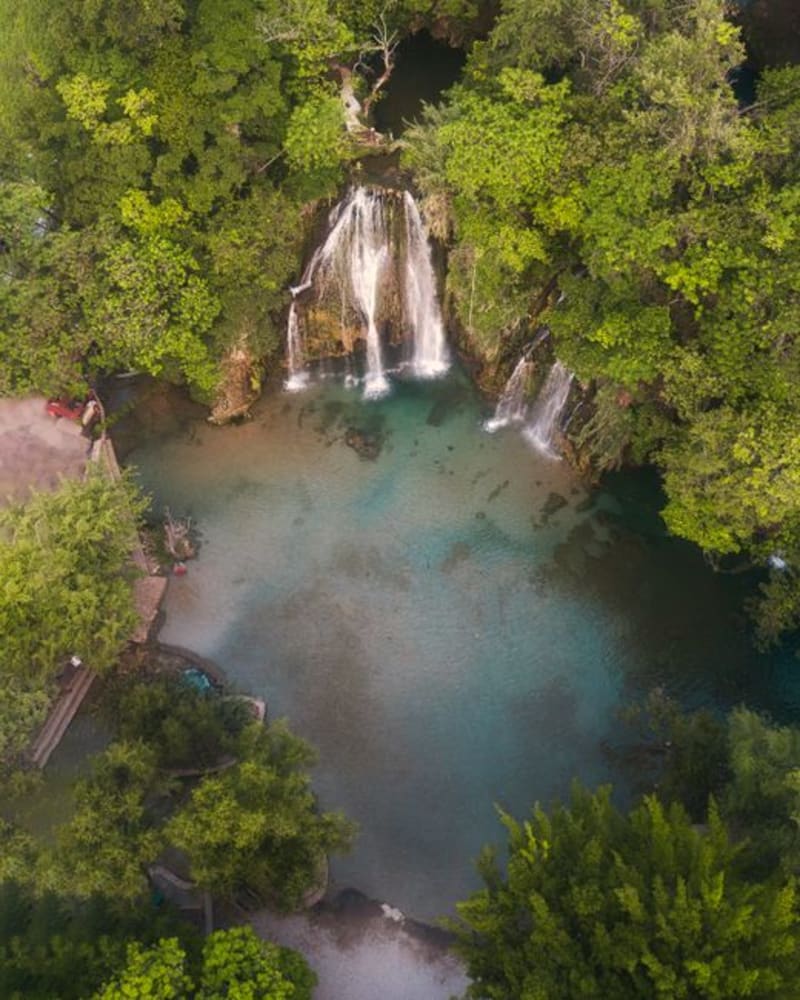 mexico
 Aquismón
Aquismón is the low-key anchor of the Huasteca Potosina, a town of painted concrete and tamarind trees where the surrounding sierra drops without warning into one of the deepest pits on earth. The Sótano de las Golondrinas alone is worth the detour — but the town has its own rhythms worth staying for.
Explore mexico
 Huejutla de Reyes
The commercial heart of the Huasteca Potosina, where Nahuatl still fills the Sunday tianguis and the road north climbs into waterfalls and canyon country within thirty minutes. Less polished than the tourist circuit above it, and more honest for it.
Explore mexico
 Ciudad Valles
Ciudad Valles is not the destination — it is the architecture around one. The city itself is a flat, busy commercial hub in the lowland Huasteca, and that is fine, because within two hours in any direction lie some of the most extraordinary natural landscapes in Mexico: towering waterfalls, vertical cave shafts, jungle pozas, and Nahua villages that most visitors never locate on a map.
Explore