Ciudad Valles
"Ciudad Valles is the kind of place that is entirely about what surrounds it, and what surrounds it is embarrassingly good for how little attention this region gets."
Ciudad Valles is not the destination — it is the architecture around one. The city itself is a flat, busy commercial hub in the lowland Huasteca, and that is fine, because within two hours in any direction lie some of the most extraordinary natural landscapes in Mexico: towering waterfalls, vertical cave shafts, jungle pozas, and Nahua villages that most visitors never locate on a map.

I arrived on a second-class bus from San Luis Potosí city at around five in the afternoon, already travel-worn and scanning the terminal for a cab. The city that revealed itself through the taxi window was not inspiring — hardware stores, taco stands, a concrete market shed, a plaza that had seen more optimistic decades. I had four days booked. My list involved waterfalls I had seen in a single photograph, a cave full of birds, and a surrealist garden built by an eccentric Englishman somewhere in the jungle beyond Xilitla. Ciudad Valles, I understood within the first twenty minutes, was not the point. That was going to be perfectly fine.
The Huasteca Potosina
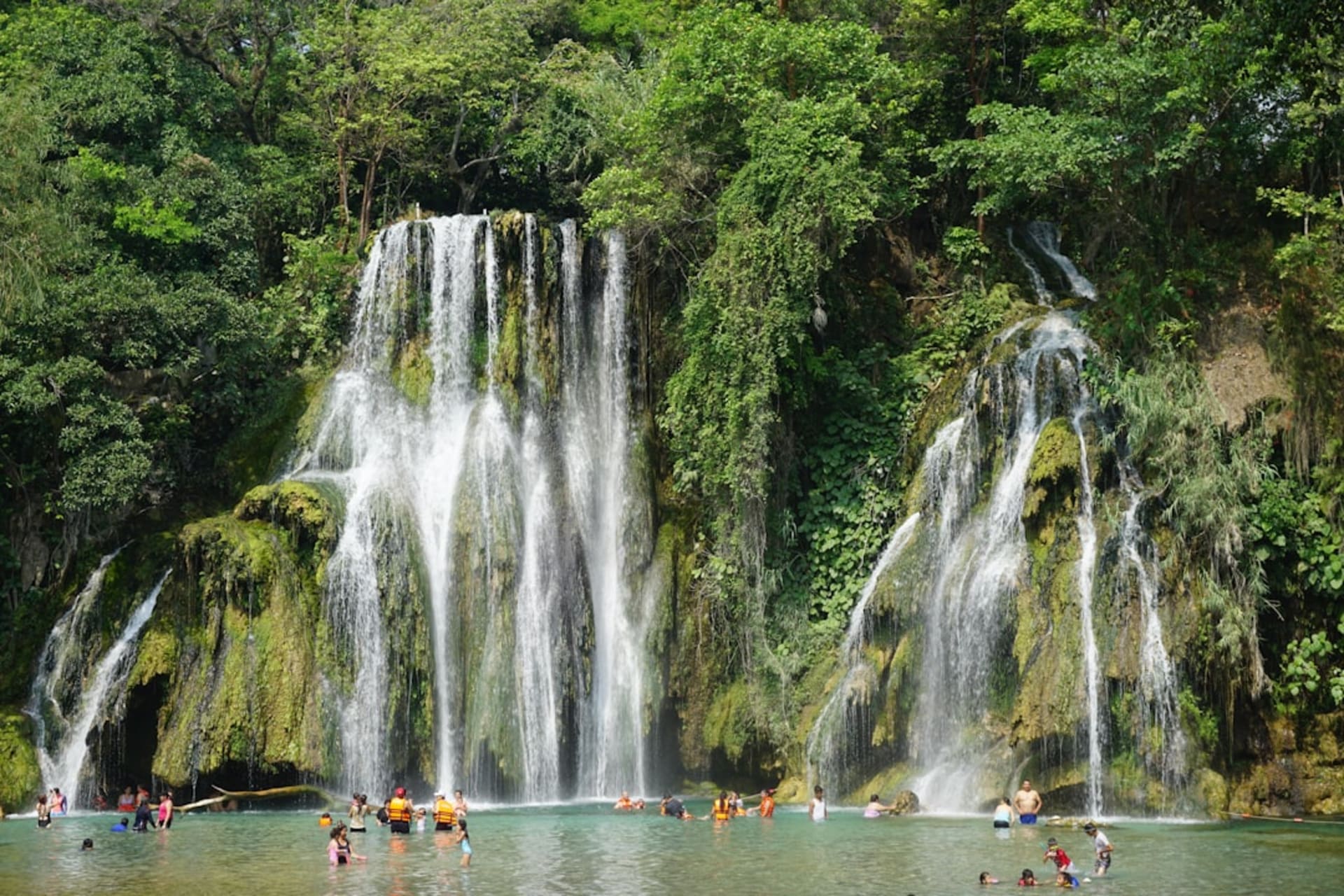
The region surrounding Ciudad Valles is called the Huasteca Potosina, and it operates at a scale that is difficult to process without a car, some advance planning, and a willingness to arrive early. The centerpiece for most visitors is Tamul — a waterfall of improbable volume that you approach by dugout canoe up the Río Tampaón, and still feel unprepared when it appears. At roughly 105 meters, it is the tallest waterfall in San Luis Potosí, and in the wet season it turns the pool below a color somewhere between turquoise and jade that photographs do not quite manage to reproduce.
But Tamul is one thing. The Sótano de las Golondrinas near Aquismón — a vertical cave shaft 376 meters deep where millions of swifts spiral upward at dawn in a column that takes ten full minutes to empty — is another category of experience entirely. Then there is Las Pozas at Xilitla, the jungle garden of Edward James, where surrealist concrete structures erupt from the canopy and you half-expect a Dalí to step through a doorway. I covered three of these in four days, each in a different direction out of Valles, each consuming the better part of a full day.

Eating in the Huasteca
The food of the Huasteca Potosina deserves its own trip, and not enough visitors arrive knowing this. The zacahuil is the first thing to understand: an enormous tamal, sometimes nearly a meter long, made with coarser masa and wrapped in banana leaves, slow-cooked overnight and sold by the chunk on weekend mornings at the Mercado Juárez. It is pork, chile, masa — heavy, ancient, eaten standing up with a plastic spoon. Alongside it: bocoles, thick corn patties stuffed with beans or requesón, eaten with café de olla dark enough to stain the cup.
In the evenings, the streets around the central plaza fill with enchiladas huastecas — smaller and more tightly rolled than what Mexico City calls by the same name, brightly sauced with a chile that leaves warmth rather than heat. I ate at a spot on Calle Constitución whose name I never caught, run by a woman who worked the comal without looking up. That is always a reliable sign.

Making the Base Work
Ciudad Valles functions as a base only if you treat it like one — book in advance, since the decent hotels fill during Semana Santa and summer holiday weekends, and arrange transport the night before rather than the morning of. Secondary roads leading to Tamul or Xilitla are longer than the map suggests, and some are seasonal.
I hired a driver named Aurelio for two of my days, fixed through the hotel front desk, and it was one of the better decisions I made in the Huasteca. He knew the dry-season access road to Tamul, which parador near Aquismón opens before eight, and where to park at Xilitla without paying someone to watch the car. The city has everything you need logistically — pharmacy, functioning ATMs, reliable mobile signal, a market that opens at six. That is the case for it. It is enough.

Getting There
Ciudad Valles sits on the main bus corridor between San Luis Potosí city — about three to three-and-a-half hours north — and Tampico on the Gulf coast. ETN and Primera Plus run comfortable first-class service; second-class buses leave more frequently from the same terminal. From Mexico City, TAPO has direct overnight routes. Renting a car from San Luis Potosí city simplifies logistics for the surrounding sites considerably.
Keep exploring
More of San Luis Potosí
Keep exploring
More from San Luis Potosí
 mexico
 Huasteca Potosina
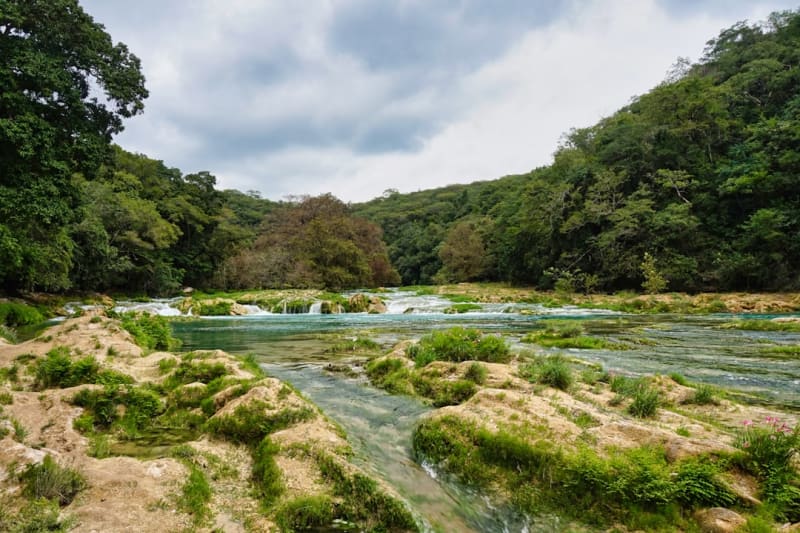
A region of San Luis Potosí state where the rivers run turquoise through tropical limestone canyons, the Tamul waterfall drops 105 meters into a river you can reach by canoe, and the Huastec communities maintain a textile and ceremonial tradition distinct from any other indigenous culture in Mexico.
Explore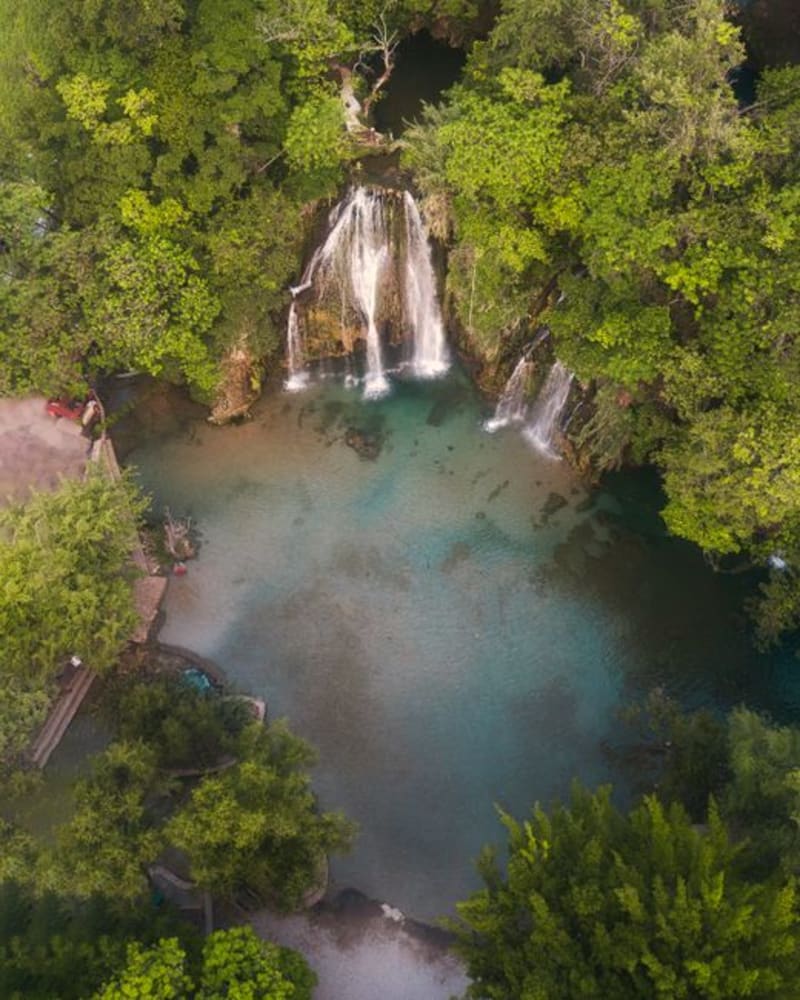 mexico
 Aquismón
Aquismón is the low-key anchor of the Huasteca Potosina, a town of painted concrete and tamarind trees where the surrounding sierra drops without warning into one of the deepest pits on earth. The Sótano de las Golondrinas alone is worth the detour — but the town has its own rhythms worth staying for.
Explore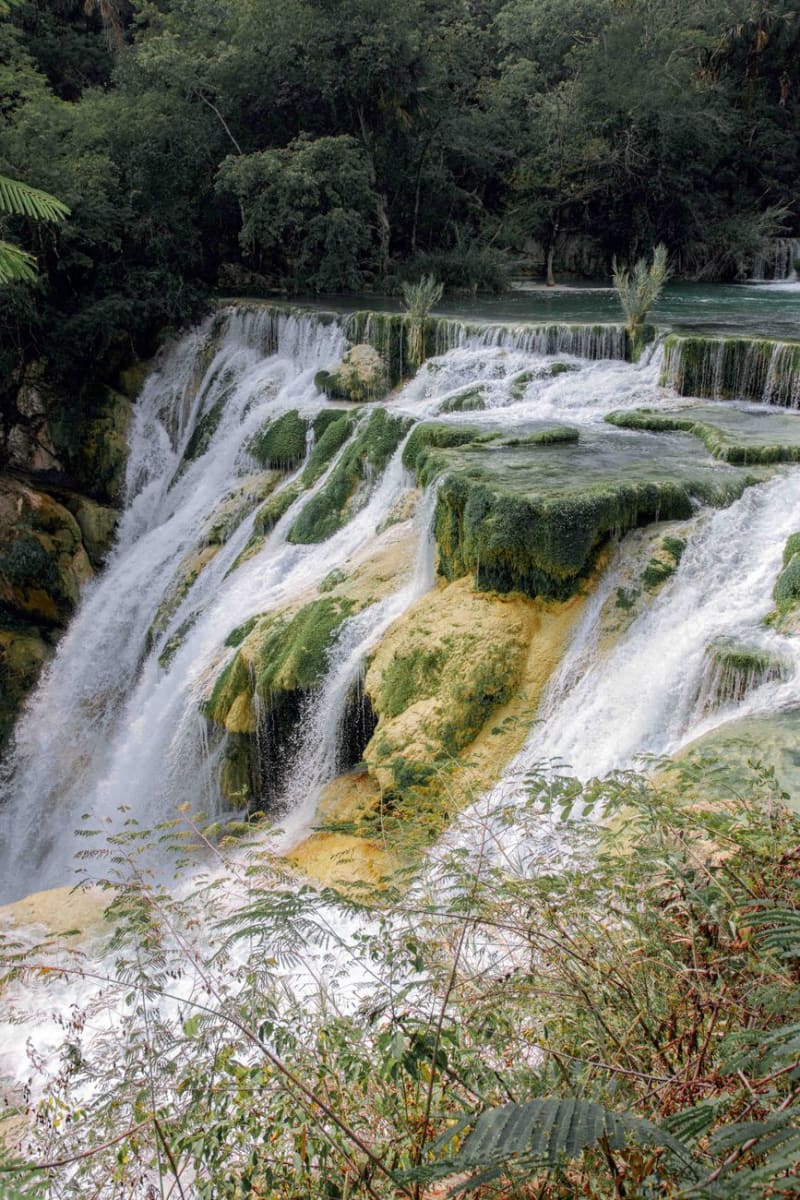 mexico
 Tamasopo
Tamasopo is a small town in the Huasteca Potosina where the Tamasopo River drops through a limestone canyon in a series of cascades, and the water is the specific Caribbean-turquoise color that calcium carbonate in spring water produces over white limestone — not a photograph filter, not a seasonal condition, just what the water looks like here all year. I swam for an hour and ate enchiladas huastecas in the afternoon and considered this a good day.
Explore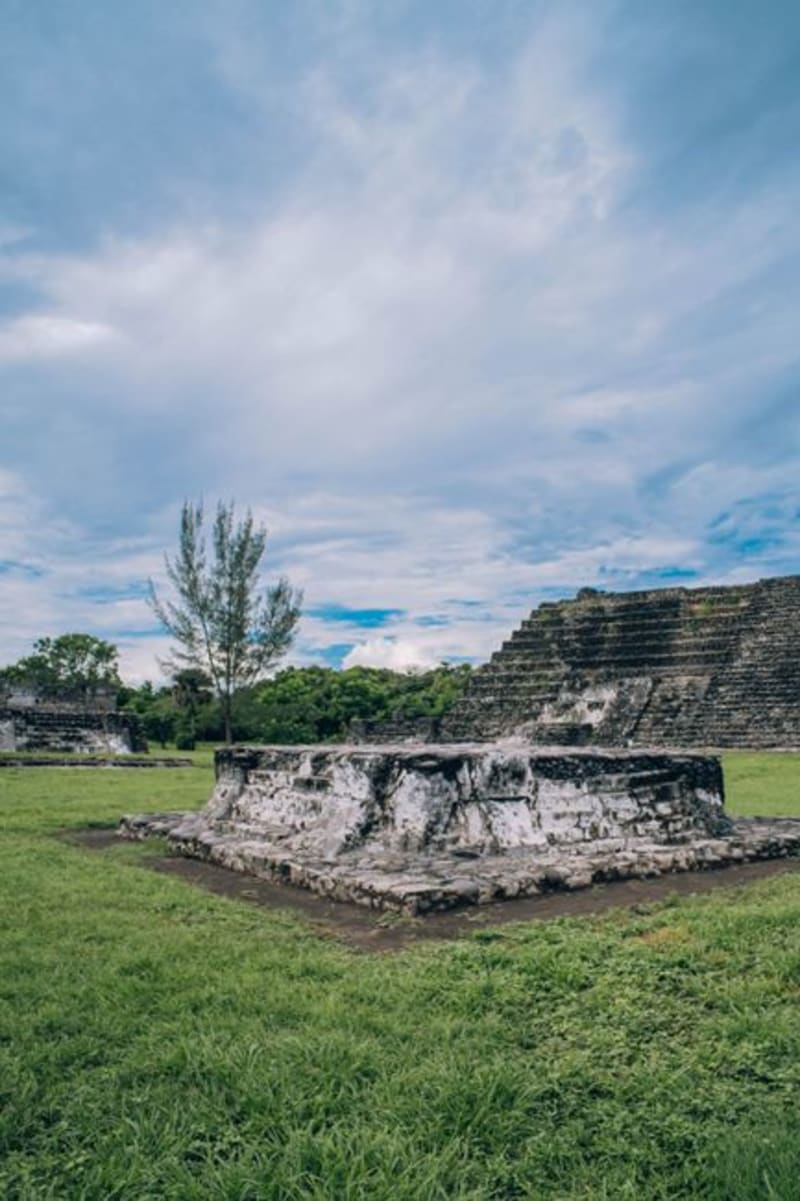 mexico
 Tamuín
Tamuín sits in the flat, river-threaded lowlands of the Huasteca potosina, and just outside it lies Tamtoc — one of the most significant and least-visited Huastec archaeological sites in Mexico, with monumental stone carvings and a ceremonial landscape that looks nothing like anything on the central plateau.
Explore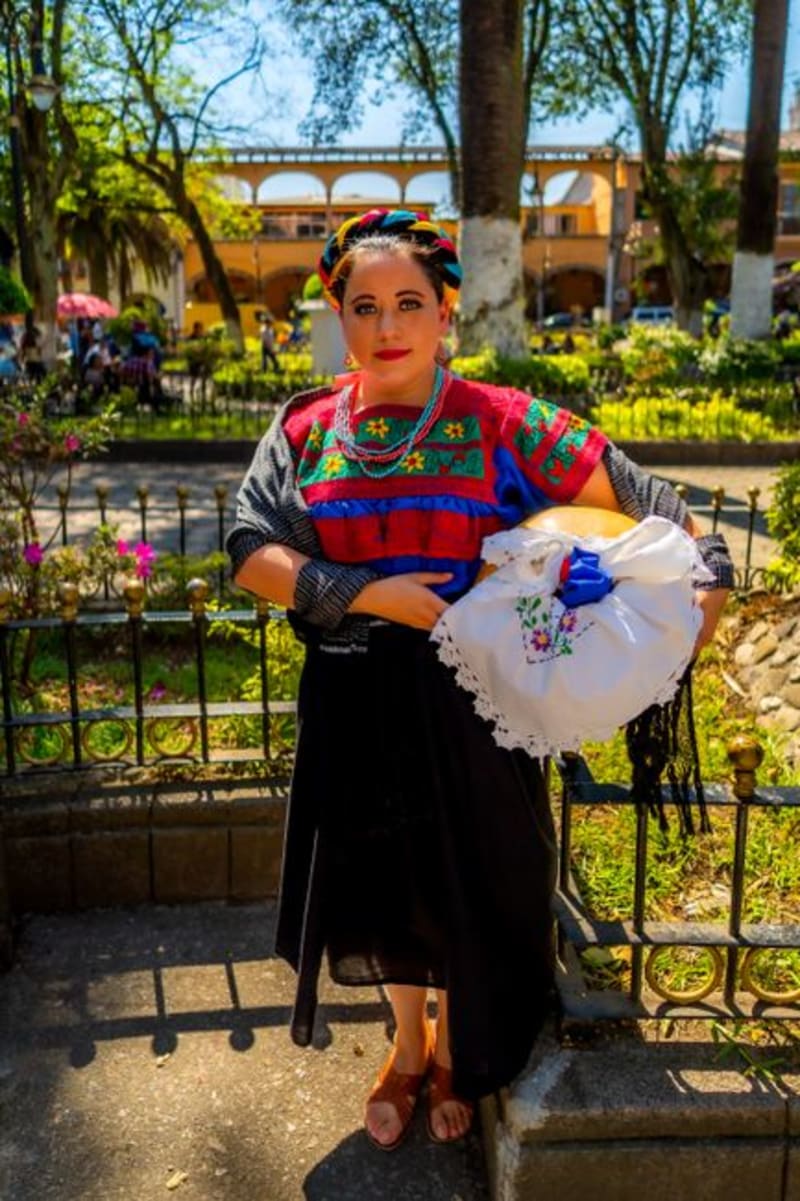 mexico
 Tancanhuitz
A small town folded into the green hills of the Huasteca Potosina, deep in Teenek and Nahua country. Coffee on the slopes, a weekly market that fills the narrow streets, rivers and waterfalls within reach, and a Day of the Dead tradition — Xantolo — that turns the whole place into something older and stranger than any calendar.
Explore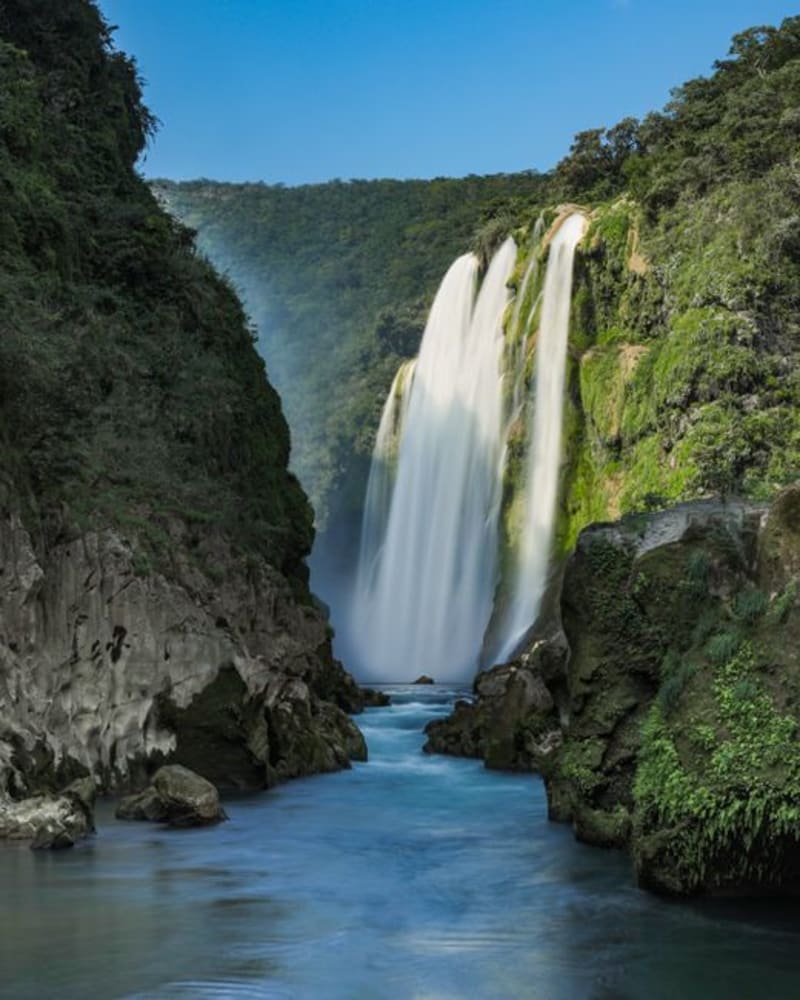 mexico
 Axtla de Terrazas
A Nahua market town tucked into the Huasteca river valley of San Luis Potosí, where the hills drop into cascades and the smell of zacahuil tamales drifts from nearly every porch on a Sunday morning.
Explore