
Mahahual
"On a Tuesday without cruise ships, Mahahual belongs to the reef, the pelicans, and whoever figured out to come on a Tuesday."
Mahahual stretches along the longest wooden boardwalk on the Mexican Caribbean, a reef town that still belongs to the pelicans on days the cruise ships stay away. The water over the coral starts clear at snorkeling depth and stays that way. This is the Caribbean the Riviera Maya promised before it ran out of coast to sell.

I came on a Wednesday, which was close enough. The colectivo from Bacalar dropped me at the junction and a taxi took the last stretch into town along a road lined with nothing but palms and the occasional taco stand. When I stepped onto the malecon I stopped walking. The boardwalk runs nearly a kilometer in both directions, all dark wood and salt air, and beyond the railing the water was the specific shade of green-blue that used to make me suspicious — the kind that looks retouched in photographs but turns out to be accurate.
The Malecon and the Reef
The boardwalk is the town’s main fact. On cruise ship days — Tuesdays and Thursdays mostly, though the schedule shifts by season — the restaurants along the malecon fill before ten in the morning and the water taxis do a brisk trade. On the other days, you have the thing almost to yourself. The reef begins at snorkeling depth, close enough that you can wade in from shore and be over coral in minutes. I rented a mask and fins from a shop near Calle Huachinango for eighty pesos and spent two hours drifting over sea fans and parrotfish without seeing more than a handful of other people. The water temperature sits around 27 degrees year-round, the visibility on a calm day runs to fifteen meters. Mahahual is not hiding any of this — it just hasn’t been found by enough people at the wrong scale yet.

Eating and Slowing Down
The restaurant strip along the malecon runs toward the cheerful and overpriced when the ships are in. Come back at sunset. I ate most of my meals at a palapa place two blocks inland on Calle Sierra where the owner, a woman from Veracruz, made a pescado al mojo de ajo that came out sizzling in a clay dish with hand-pressed tortillas and a salsa I kept asking to refill. Forty-five pesos for the fish. The kind of lunch that takes an hour and a half because there is no particular reason to leave. In the evenings the malecon quiets to a few couples, some kids on bikes, a pelican or three working the shallows. I sat at a plastic table with a Montejo and watched the sky go coral, which felt like the appropriate color for the location.

Bacalar as a Base
Most people pair Mahahual with Bacalar — the lagoon town sits about an hour and forty minutes north by colectivo via Felipe Carrillo Puerto, and the two places complement each other in a way that feels almost planned. Bacalar is the lake; Mahahual is the sea. I spent three nights at each. If you want to stay in Mahahual itself, the town has a handful of small posadas along and just behind the malecon. Avoid the large resort complex on the north end and you will be fine.

Getting There
From Cancun, the fastest option is a bus to Chetumal followed by a colectivo toward the coast — count on four to five hours total. From Bacalar, a colectivo to Felipe Carrillo Puerto and another south gets you there in under two hours. There are no direct ADO buses into Mahahual from Cancun; the junction town of Cafetal is where you transfer.
Keep exploring
More of Quintana Roo
Keep exploring
More from Quintana Roo
 mexico
Banco Chinchorro
Two hours of open Caribbean separates Banco Chinchorro from the coast at Xcalak — long enough that the mainland disappears entirely before the atoll comes into view. Mexico's largest coral reef system is also a biosphere reserve, a seasonal home to lobster fishermen in wooden palafitos, and a resting place for 18th-century shipwrecks that surface at low tide.
Explore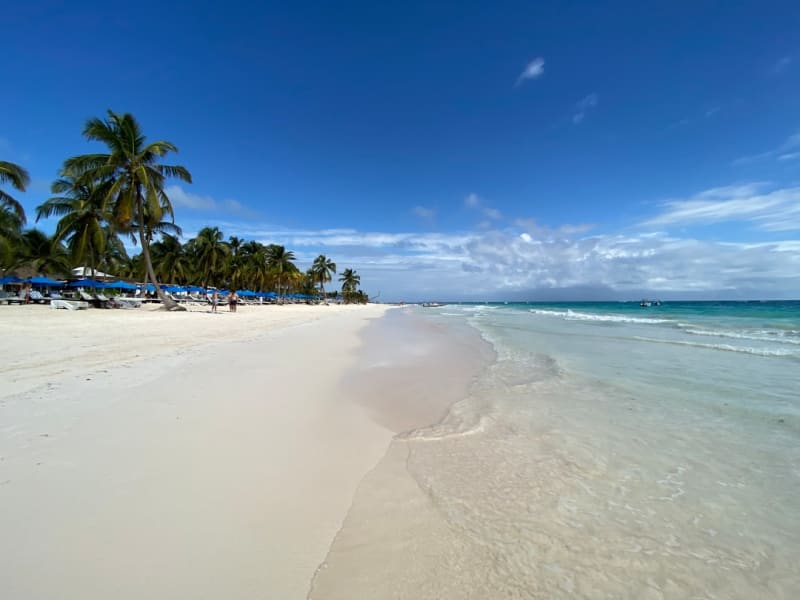 mexico
Xcalak
The last village on the Quintana Roo coast before Belize, 60 kilometers of unpaved road from the nearest town, a living coral reef starting 20 meters from the beach, and a population of 350 people who chose to be here when they could have been anywhere else.
Explore mexico
Chetumal
The Belizean-border capital of Quintana Roo is everything the Riviera Maya is not: unhurried, Caribbean in architecture and logic, with a Maya museum of genuine world-class quality that almost no one visits. Manatees surface in the bay in the early morning.
Explore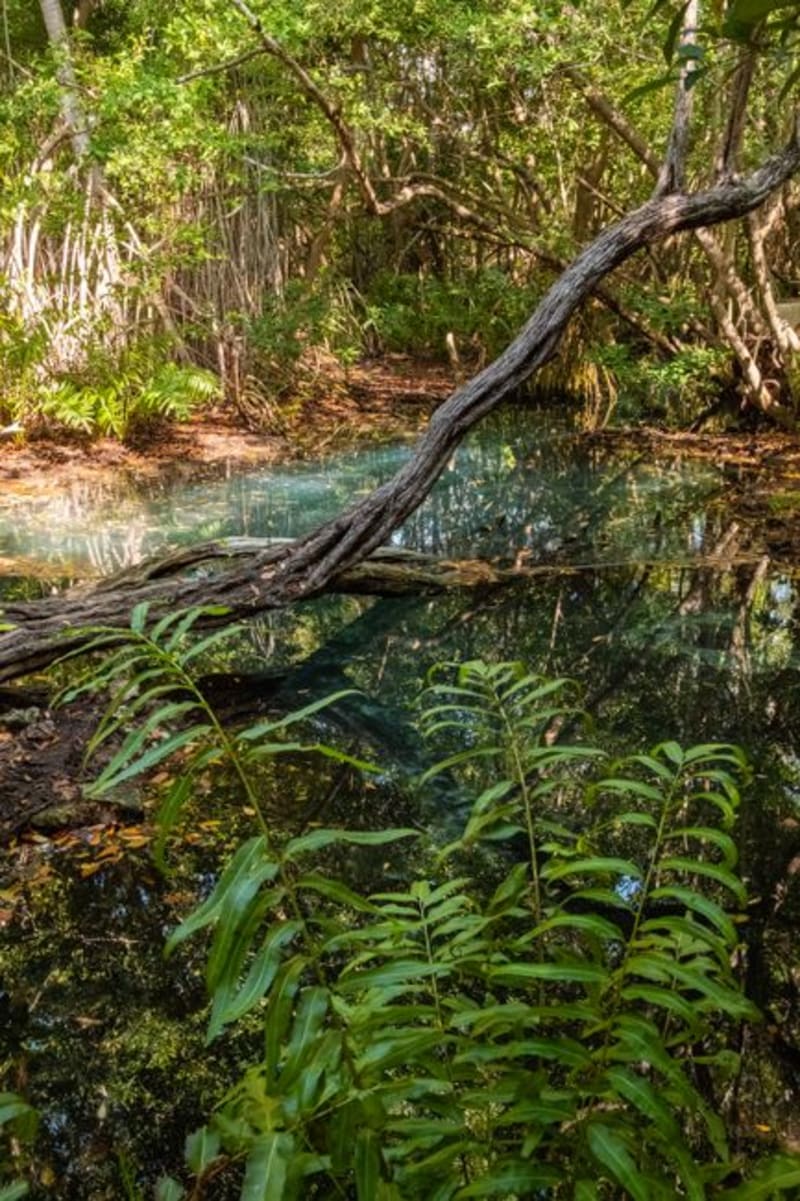 mexico
Sian Ka'an
Sian Ka'an is a UNESCO biosphere reserve of more than a million hectares — rainforest, mangrove, reef, and ancient Maya canals that still carry you through the wetlands as they did centuries ago. Most people drive as far as Punta Allen and call it done. That is a reasonable start, but it is not the place.
Explore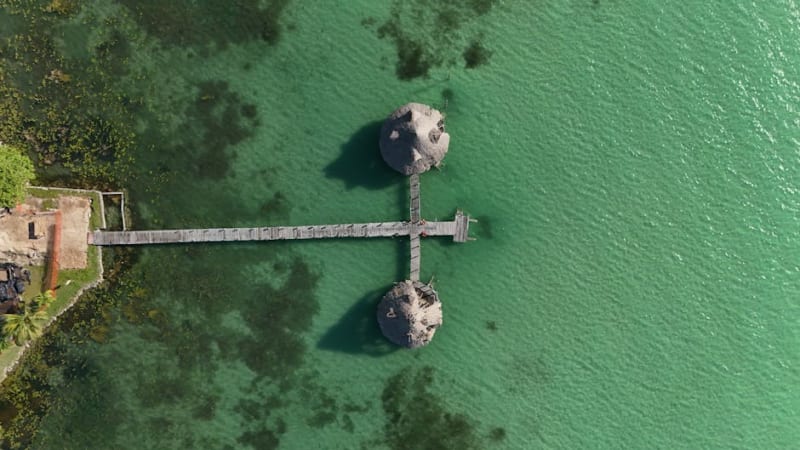 mexico
Bacalar
The Lagoon of Seven Colours — a freshwater lake in southern Quintana Roo that makes the Caribbean look ordinary.
Explore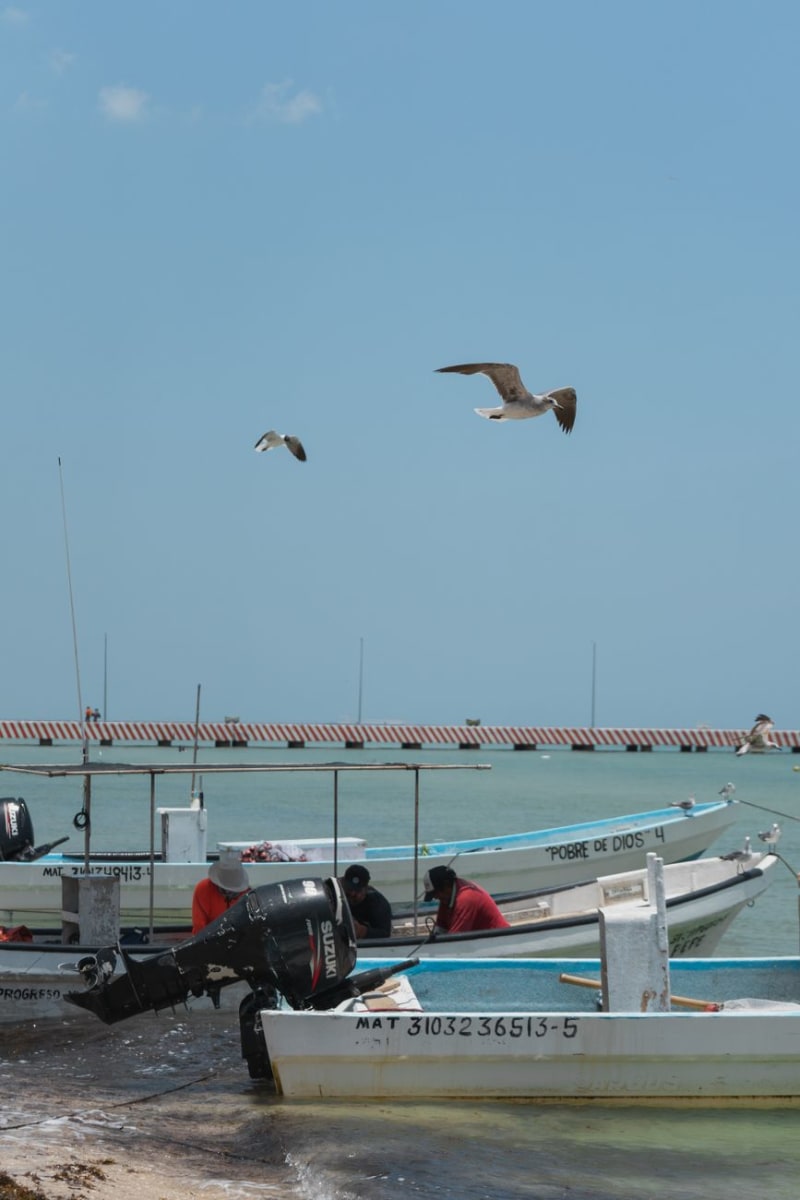 mexico
Felipe Carrillo Puerto
The historic capital of the Chan Santa Cruz Maya, Felipe Carrillo Puerto is where a nineteenth-century resistance movement built a civilization around a talking cross and held off Mexican federal forces for half a century. Inland Quintana Roo at its most unfiltered.
Explore