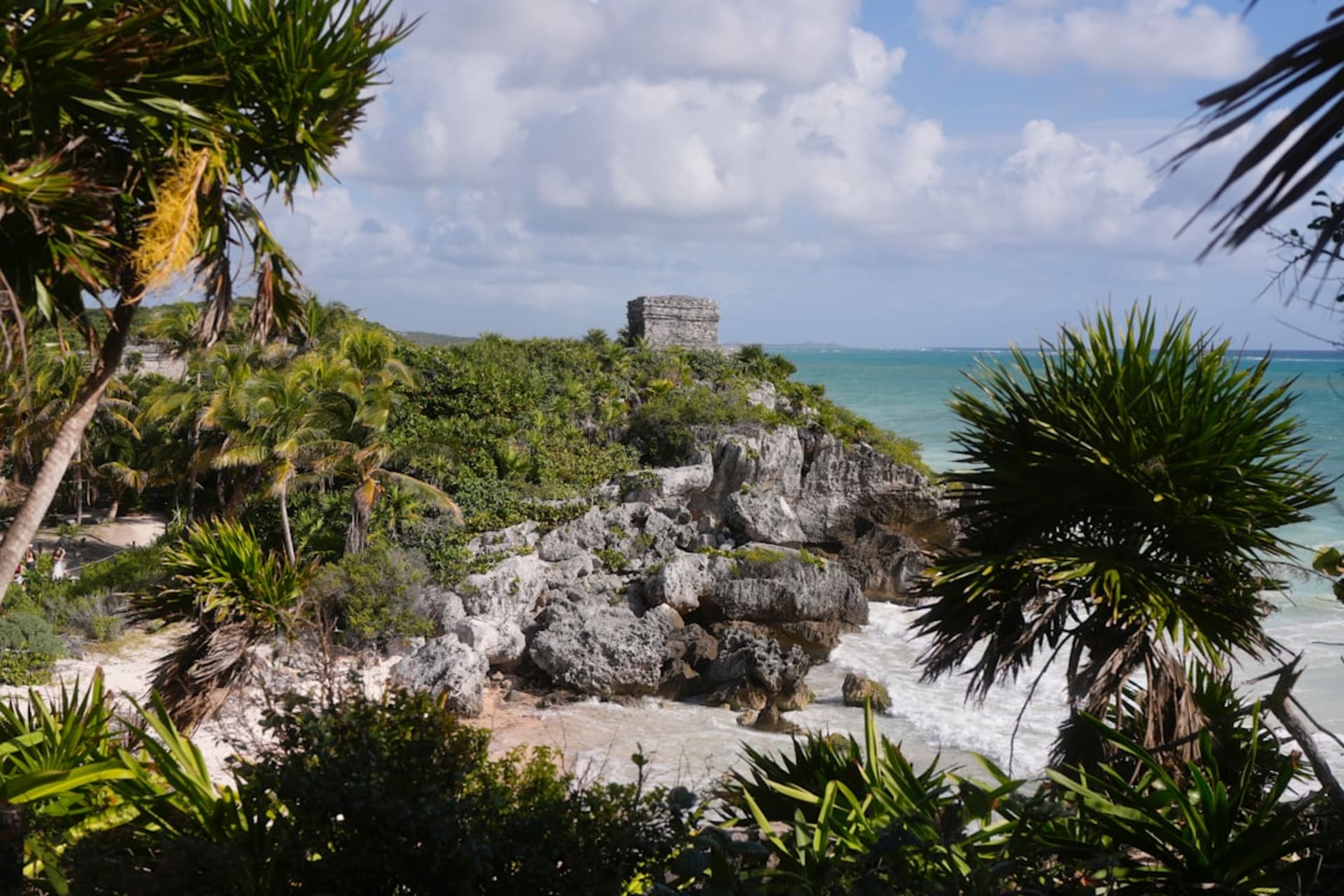
Kantunilkin
"The Quintana Roo the brochures never show — and the locals like it that way."
The municipal capital of Lázaro Cárdenas sits in the northern lowlands of Quintana Roo, where cattle pastures stretch toward a coastline that tour operators never mention. This is the town Mexicans pass through and rarely stop in — which is exactly why I stopped.

I came through Kantunilkin on a Wednesday in March, halfway between Cancún and the Biosphere Reserve, because my combi broke down outside of town and the mechanic turned out to be a philosopher. We spent two hours under a mango tree while he diagnosed the problem and I drank a tamarindo agua fresca from the tianguis across the road. By the time the van was fixed, I had already decided not to leave. There is a particular kind of Mexican town — self-sufficient, unperformed, indifferent to the tourism economy one hour down the highway — and Kantunilkin is a good one.
The Cenotes Nobody Has Roped Off Yet
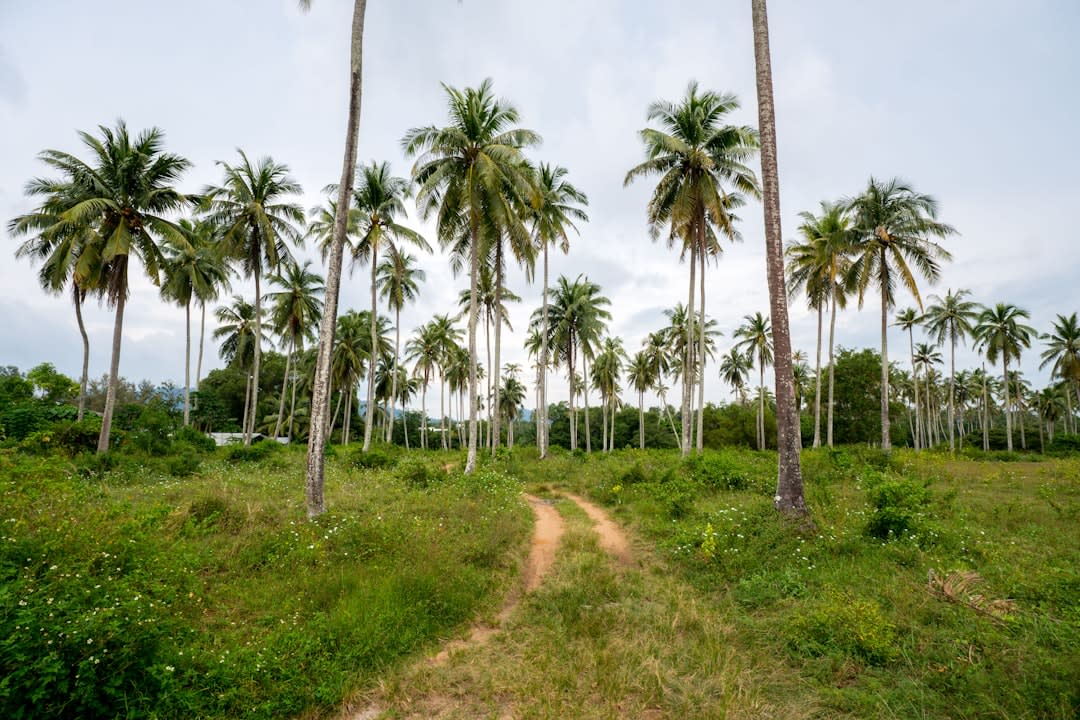
The lowlands around Lázaro Cárdenas are riddled with cenotes that have no Instagram page, no entrance fee, and no name on Google Maps. A man named Guadalupe, who sells hardware on Calle Benito Juárez, took me to one on his property on my second morning. We drove fifteen minutes down a dirt track, parked beside a cattle gate, and waded in through chest-high grass. The water was cold, black-green in the shade of the palms overhead, and completely still. I swam for forty minutes and saw nobody else. Not every cenote out here is accessible to strangers — you need an introduction, or at least a reason to ask — but asking is the whole point. The town’s Palacio Municipal can sometimes connect visitors with local landowners who run informal visits. Bring a towel, bring something to share, and do not expect a changing room.

Eating on the Parque Principal
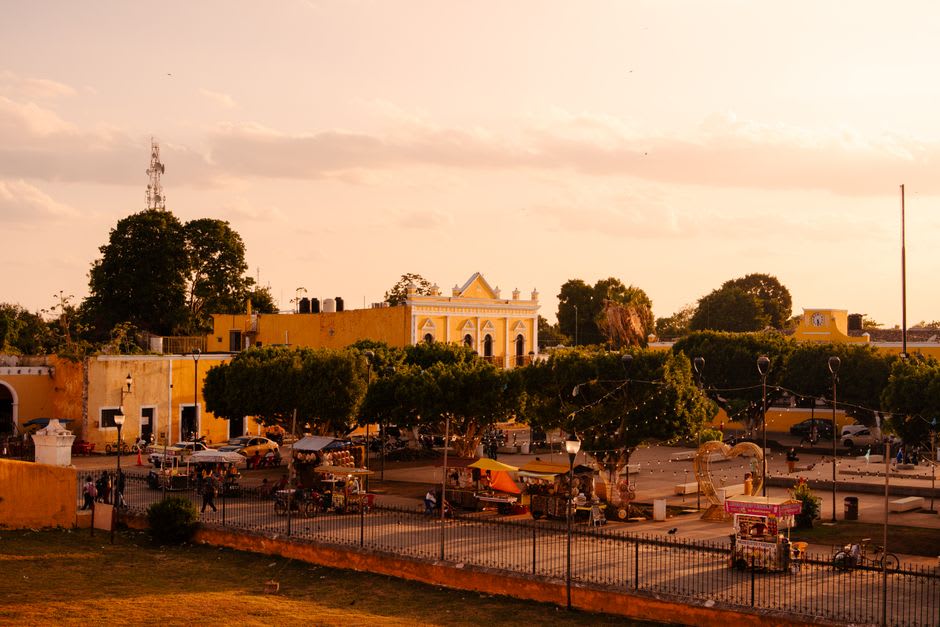
The mercado municipal, half a block from the central plaza, runs its full life before nine in the morning. By seven, the cocineras have tortillas going and a pot of frijoles negros on the back flame. I ate poc chuc one morning — the flat, orange-achiote pork that is Yucatán Peninsula shorthand for a proper meal — served with a stack of handmade tortillas and a small bowl of pickled habanero that I used with more enthusiasm than was strictly wise. On Thursday and Sunday the tianguis spreads down the main street: dried chile, tropical fruit, cheap clothing, and at least one woman selling tamales de elote wrapped in banana leaf. Lunch is the main event. Find wherever has the longest queue of workers in work boots and sit there.
The Coast at the End of the Road
From Kantunilkin, the road east runs roughly forty kilometres to the Caribbean coast — past ejido land, a handful of ranches, and almost nothing else. The beach, when you reach it, is flat, wide, and absolutely empty in the way that Tulum beaches were in photographs from fifteen years ago. No palapas, no day beds, no sound except the wind and whatever is happening in the surf. I spent an afternoon there and drove back before dark. That is the correct amount of time.
Getting There
Kantunilkin is roughly 115 kilometres southwest of Cancún along Federal Highway 180. ADO buses connect Cancún to Kantunilkin several times daily; the ride takes around two hours. Shared combis also run from Valladolid. There are no rental car agencies in town, so arrive with your own transport or plan to rely on mototaxis and the goodwill of the people you meet.
Keep exploring
More of Quintana Roo
Keep exploring
More from Quintana Roo
 mexico
Puerto Morelos
Wedged between Cancún and Playa del Carmen, Puerto Morelos resisted the all-inclusive tide and stayed a fishing village — central square, tilted lighthouse, and a reef so protected it still has coral. The pace here is slow on purpose, not by accident.
Explore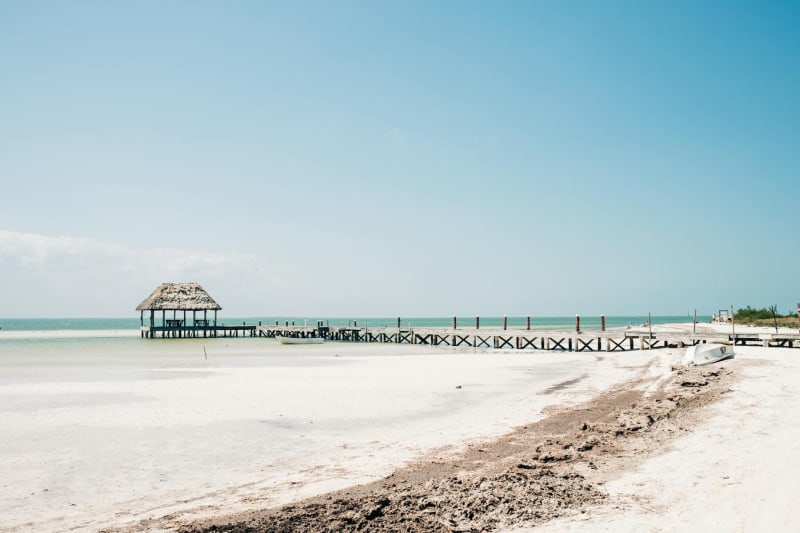 mexico
Holbox Island
No cars, no crowds — just sand streets, bioluminescent waters, and whale sharks passing offshore.
Explore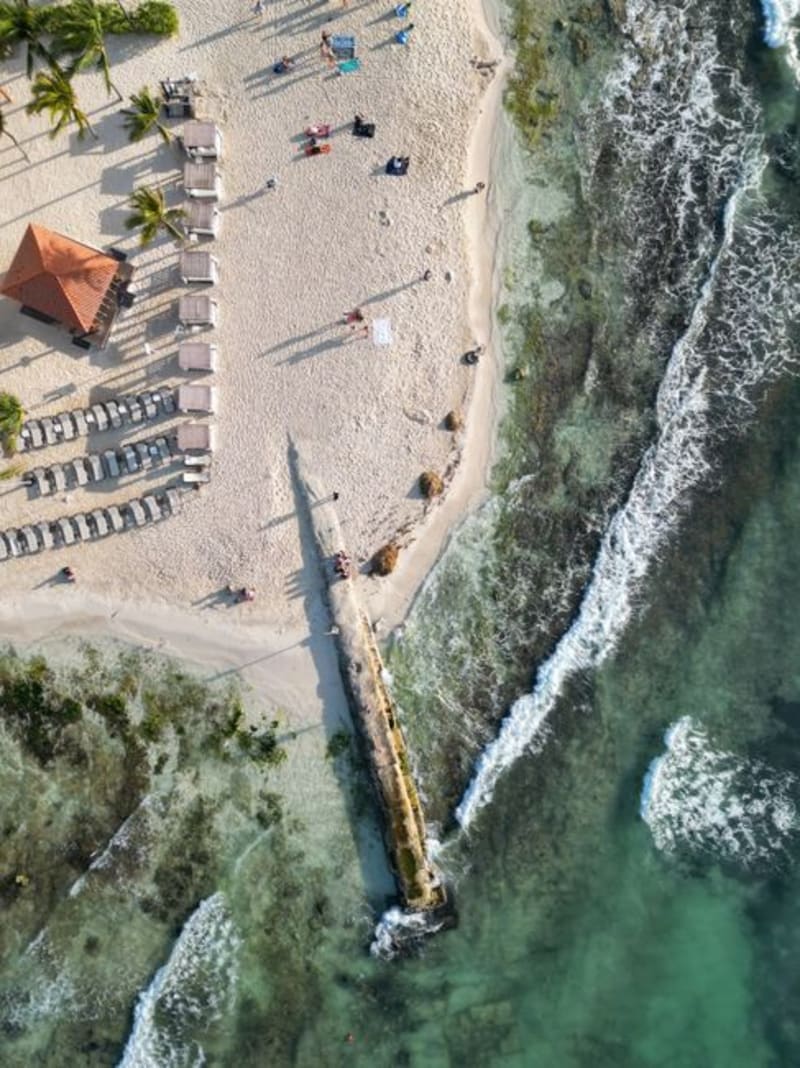 mexico
Playa del Carmen
Everyone passes through Playa del Carmen on the way to Tulum or Cozumel, and almost everyone misses it. Behind La Quinta Avenida's parade of souvenir shops is a real city — one where ferry workers eat breakfast next to digital nomads, where the cenote roads begin twenty minutes inland, and where the pier at six in the morning belongs entirely to you.
Explore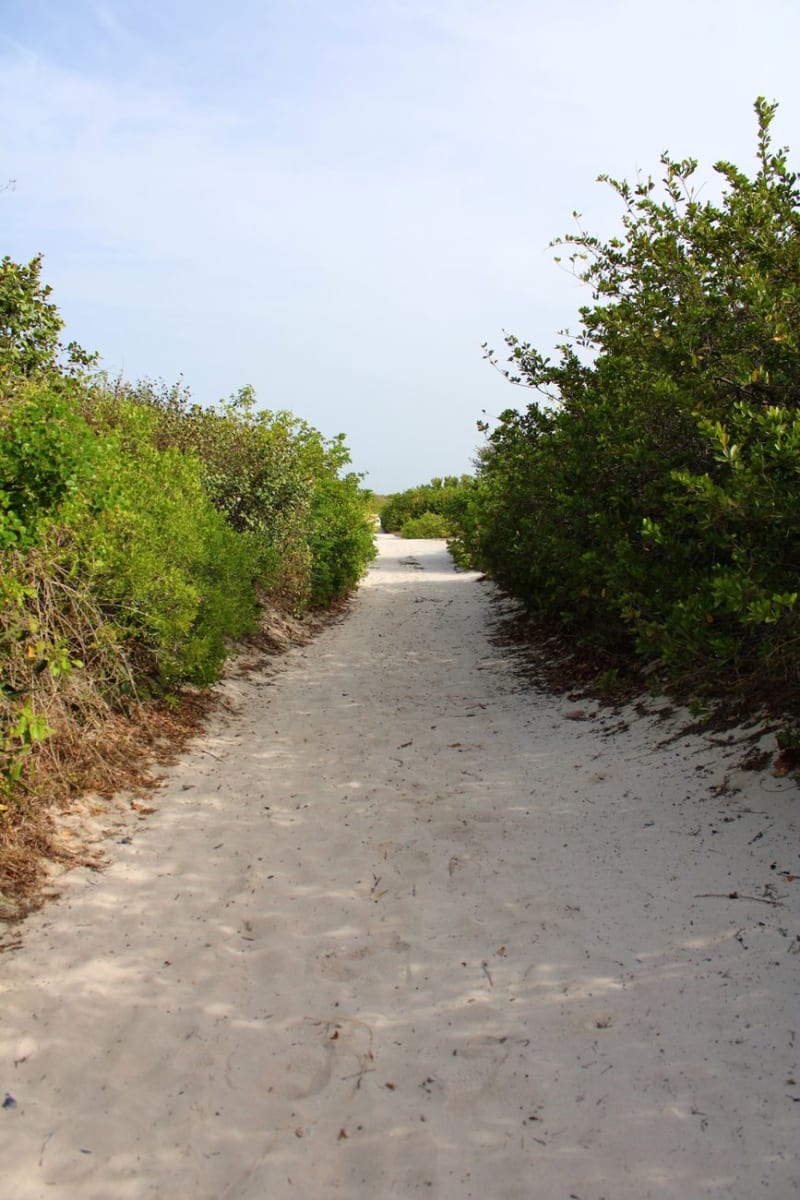 mexico
Muyil
A small Maya archaeological site on the edge of the Sian Ka'an Biosphere Reserve, connected by ancient canal to a lagoon where you float downstream through jungle on a current that does the work. The site at dawn, before anyone else arrives, is among the most atmospheric in the Yucatán Peninsula.
Explore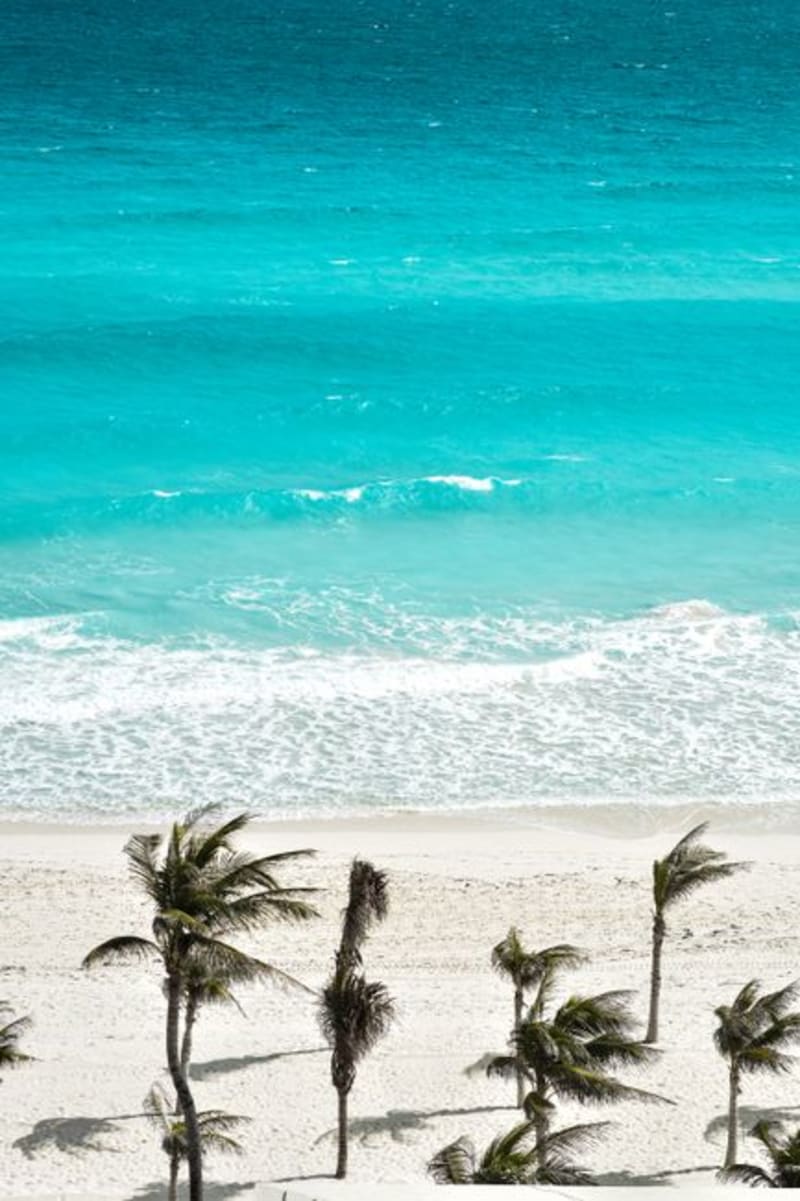 mexico
Cancun
Cancun is a government experiment that succeeded too spectacularly to be taken seriously. Built from jungle in 1974, it has since grown into a Mexican metropolis of a million people — most of whom have never set foot in the hotel zone and have no intention of doing so. The centro is where Cancun actually lives.
Explore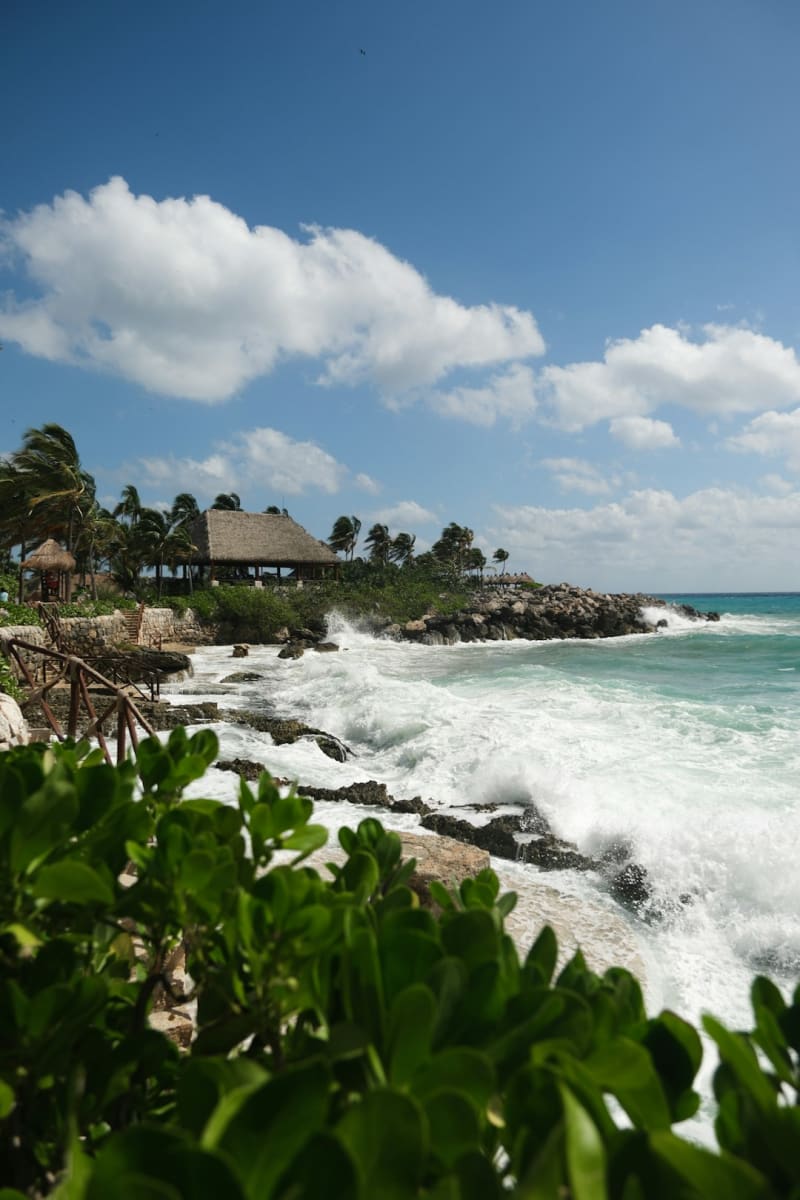 mexico
Puerto Aventuras
Puerto Aventuras is a gated marina enclave on the Riviera Maya — manicured, quiet, slightly surreal — but it sits minutes from Dos Ojos, one of the largest flooded cave systems on earth. Most people drive through without stopping. That is a mistake.
Explore