
Holbox Island
"Holbox teaches you that paradise is mostly about what you leave behind."
No cars, no crowds — just sand streets, bioluminescent waters, and whale sharks passing offshore.

The ferry from Chiquila takes twenty minutes, and somewhere in that crossing the mainland logic releases its grip. By the time I stepped onto the Holbox dock — sand underfoot, a golf cart idling where a taxi should be — I’d already begun to forget what urgency felt like.
Sand Streets and the Weight of Nothing
Holbox has no paved roads. The main drag, Avenida Tiburón Ballena, is a wide channel of pale sand flanked by low palms and pastel storefronts. Barefoot is not an aesthetic choice here — it’s the only sensible one. Lia and I walked the whole length of it the first evening, eating longaniza tacos from a cart near the central square, the fat rendered and smoky, the tortillas pressed so thin they went translucent at the edges. The smell of charcoal and salt air mixed into something I still can’t fully describe except to say it made me feel like I’d arrived somewhere I hadn’t been looking for.
The light on Holbox does something strange at dusk. The Gulf of Mexico lies to the north and the lagoon to the south, and the island is so narrow that you can watch the sun drop into open water from almost anywhere. It turns the sand streets amber, then pink, then a color I have no name for — somewhere between violet and the inside of a conch shell.
Whale Sharks and the Scale of Things
From June through September, the whale sharks gather in the waters northeast of the island, feeding on tuna spawn near Cabo Catoche. I was prepared to be impressed from a distance. What I was not prepared for was the creature passing directly beneath me — six meters of spotted grey cartilage moving with the slow indifference of something that has never learned to hurry. I surfaced gasping, not from exertion but from something closer to reverence. It recalibrated me. The rest of the day felt appropriately small.
Bioluminescence After Dark
The unexpected discovery came on our third night. A local took us out by kayak into the lagoon at midnight, no lights. The paddles stirred green fire with every stroke — true bioluminescence, dense enough to read by in brief flashes. I dragged my hand through the water and watched it trail light. There are things that sound like exaggeration until they’re happening to you.
When to go: June through September for whale shark season; November through February for dry, cooler weather with fewer insects and the clearest water of the year.
Keep exploring
More of Quintana Roo
Keep exploring
More from Quintana Roo
 mexico
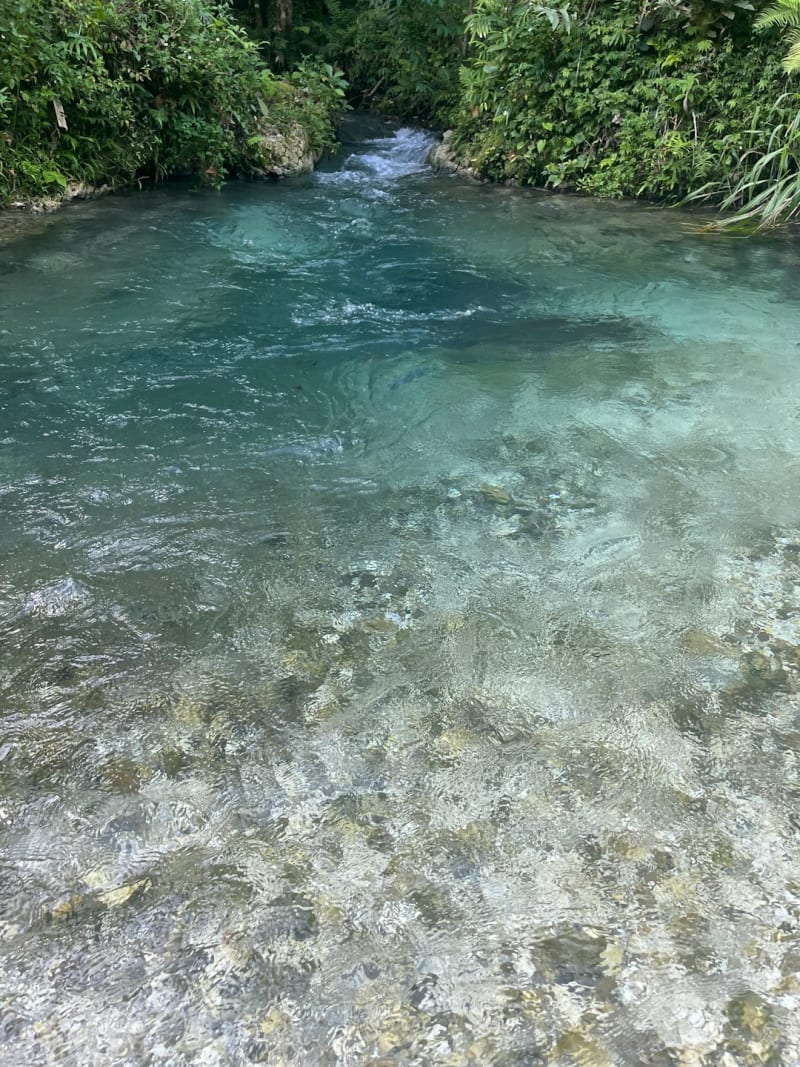
Kantunilkin
The municipal capital of Lázaro Cárdenas sits in the northern lowlands of Quintana Roo, where cattle pastures stretch toward a coastline that tour operators never mention. This is the town Mexicans pass through and rarely stop in — which is exactly why I stopped.
Explore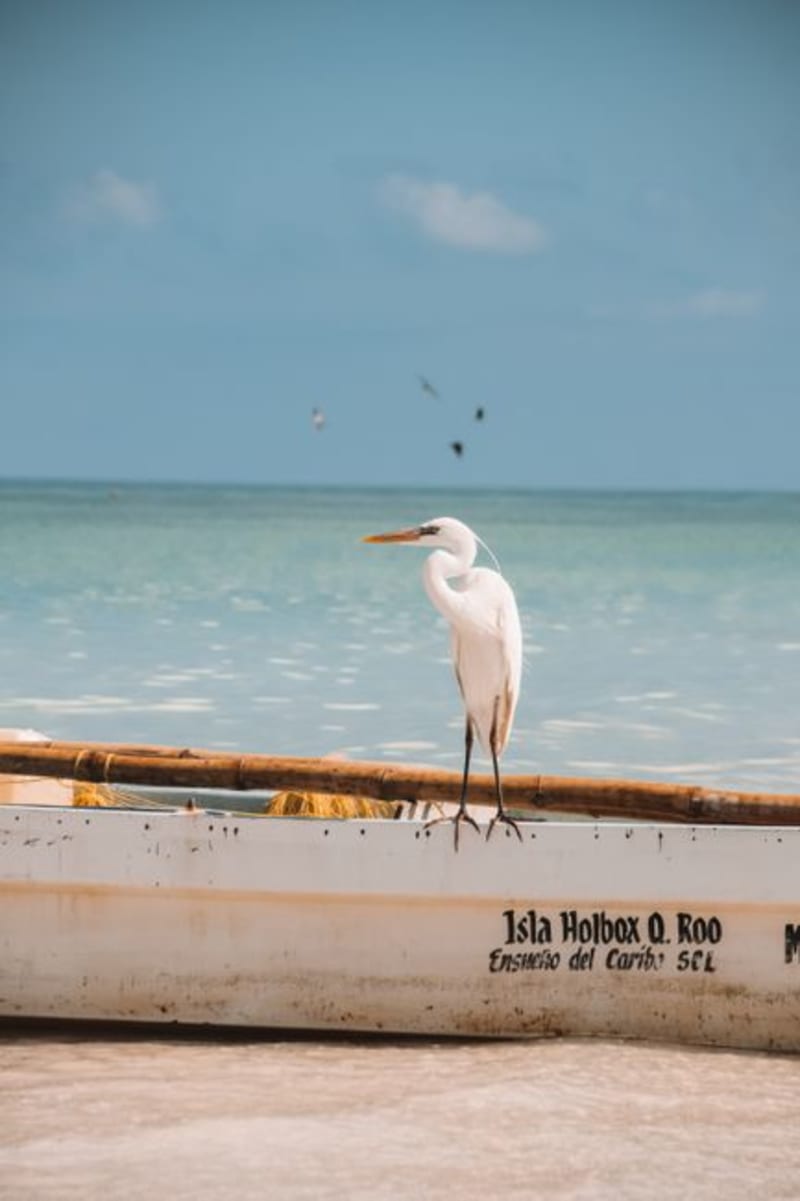 mexico
Isla Contoy
A protected seabird sanctuary off the northern tip of Quintana Roo, Isla Contoy admits only two hundred visitors a day and zero hotels — which means the frigatebirds nesting here in the thousands have never learned to be afraid of you. Access is by boat from Isla Mujeres, and the open Caribbean crossing is very much part of the deal.
Explore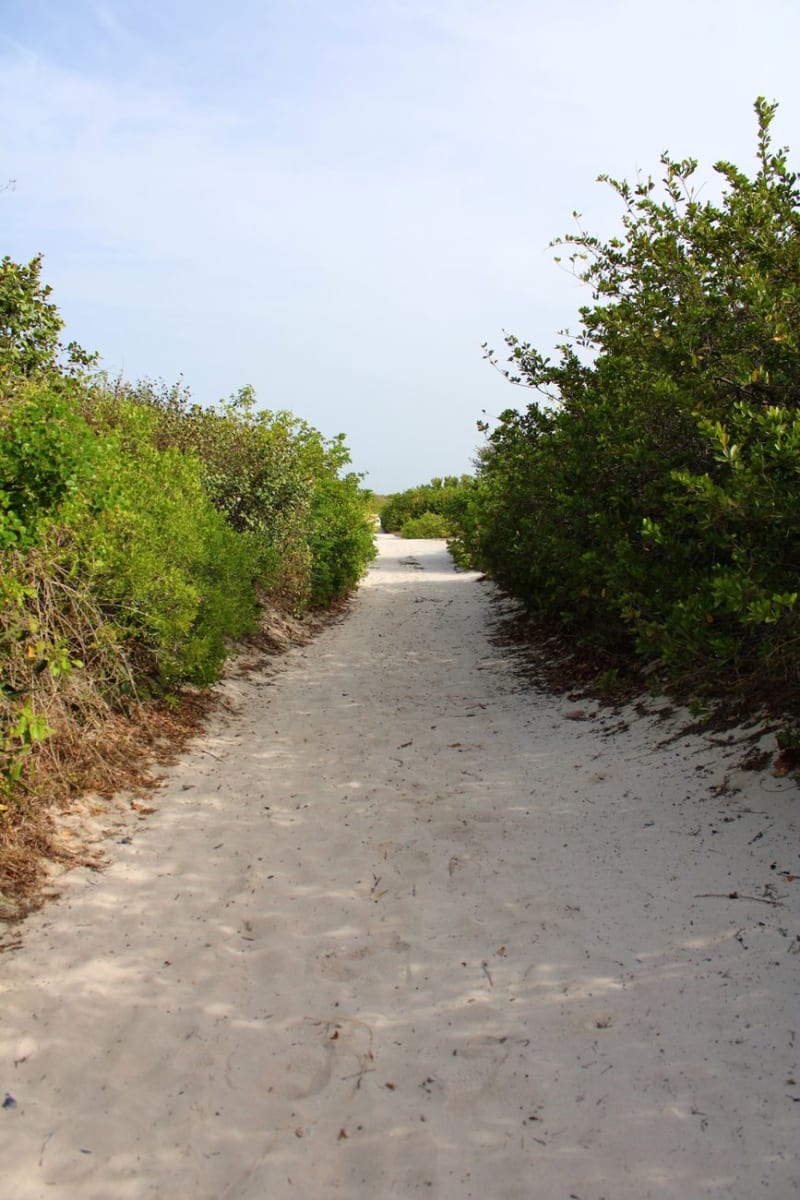 mexico
Muyil
A small Maya archaeological site on the edge of the Sian Ka'an Biosphere Reserve, connected by ancient canal to a lagoon where you float downstream through jungle on a current that does the work. The site at dawn, before anyone else arrives, is among the most atmospheric in the Yucatán Peninsula.
Explore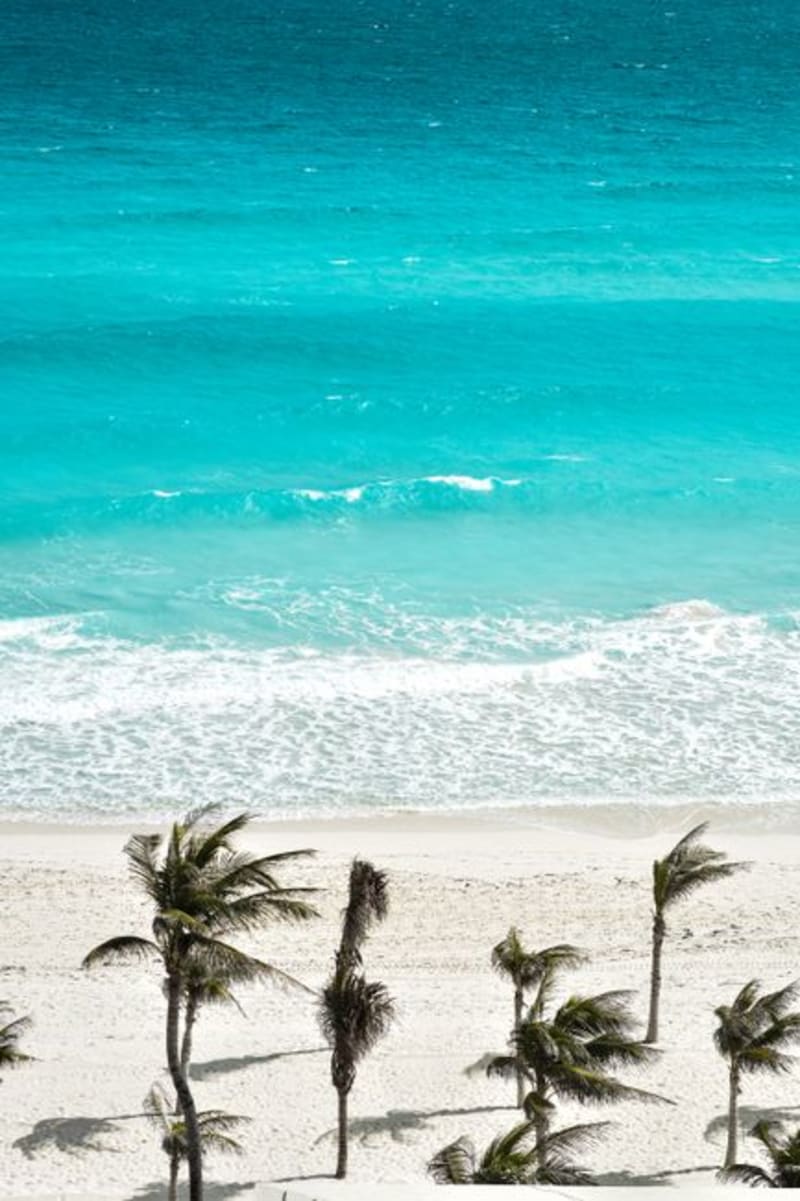 mexico
Cancun
Cancun is a government experiment that succeeded too spectacularly to be taken seriously. Built from jungle in 1974, it has since grown into a Mexican metropolis of a million people — most of whom have never set foot in the hotel zone and have no intention of doing so. The centro is where Cancun actually lives.
Explore mexico
Puerto Morelos
Wedged between Cancún and Playa del Carmen, Puerto Morelos resisted the all-inclusive tide and stayed a fishing village — central square, tilted lighthouse, and a reef so protected it still has coral. The pace here is slow on purpose, not by accident.
Explore mexico
Isla Mujeres
The Caribbean island that Cancún was before it became Cancún — a strip of white coral sand and turquoise water, small enough to bike in an afternoon, still slow enough to stay a week.
Explore