Villa Victoria
"The water here leaves for Mexico City. The cold, the mist, the Mazahua patience — those stay."
A cold Mazahua highland municipality west of Toluca, where a great reservoir that helps supply Mexico City sits among pine forests and high-altitude farmland. Misty mornings, a modest town, and an indigenous identity that has held on through the mountain cold.

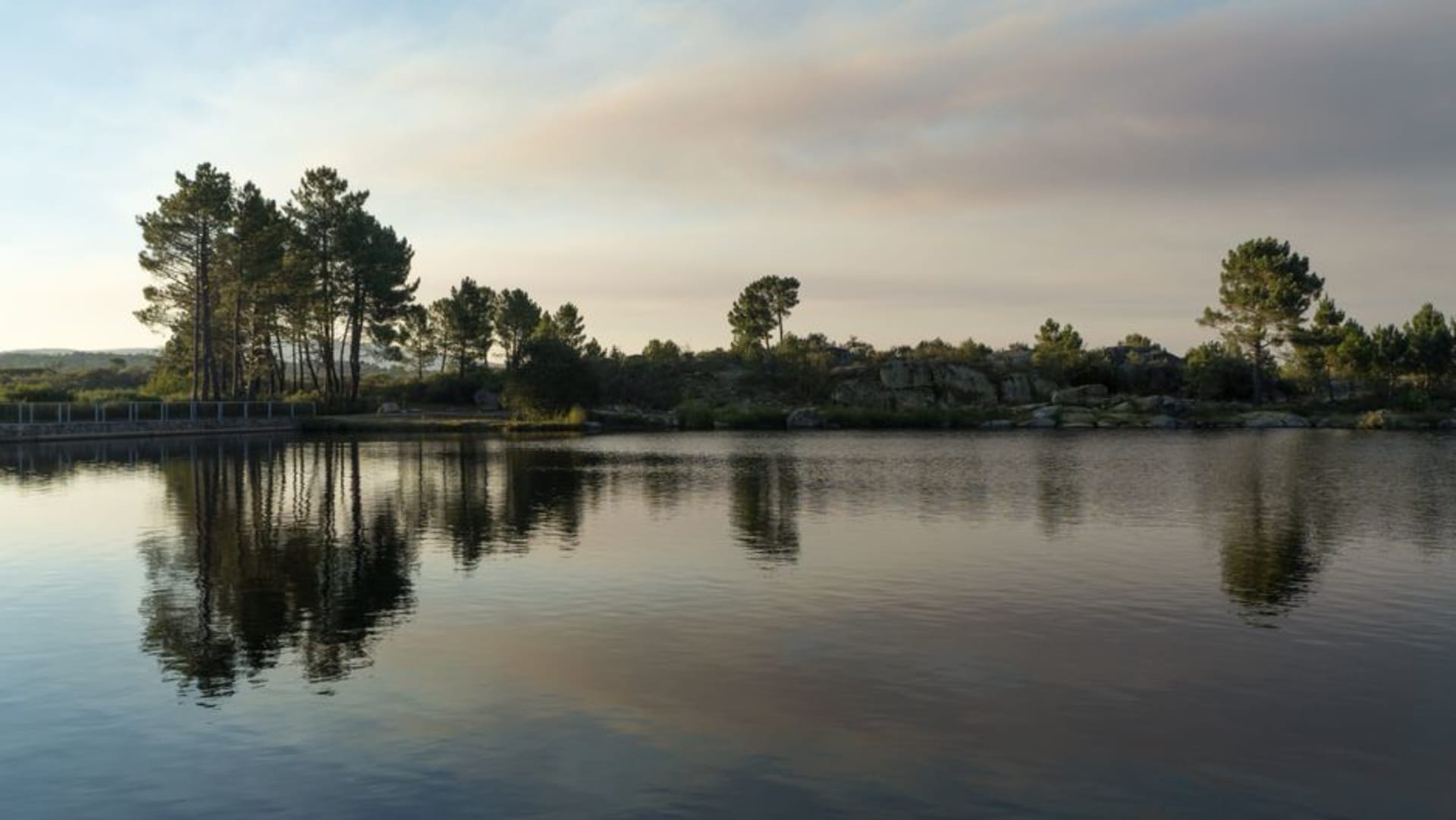
The first time I drove to Villa Victoria the fog was so thick I nearly turned back. It was early, and the road west of Toluca climbed into pine forest where the mist hung between the trunks and the temperature reading in my car kept dropping. Then the trees opened and there was the reservoir — a great sheet of still grey water lying in the highlands, its far shore lost in the mist. I pulled over, got out into air cold enough to sting, and stood there with a thermos of coffee watching the fog slowly lift off the water. I hadn’t expected the scale of it, or the silence.
The Reservoir
The Presa Villa Victoria is a large reservoir, and part of what makes it quietly remarkable is where its water goes: this is one of the sources that helps supply distant Mexico City, pumped and channeled down out of these highlands toward the enormous thirst of the capital. Standing on its shore I found that fact strangely moving — that the water in front of me, ringed by pine and Mazahua farmland, would end up in taps in a megacity two hours and a whole world away.
The reservoir itself is beautiful in an austere, high-country way. No resorts, no jet skis — just the still water, the dark pine forest on the slopes, fishermen in small boats, and the mist that seems to be the region’s default weather. I walked a stretch of the shore that morning and met a man mending a net who told me the fishing had changed over the years with the water levels, which rise and fall with the rains and with how much the city takes. He said it without bitterness, the way you talk about weather.

The Cold Highland and Its Farms
This is high, cold country — pine forest and high-altitude farmland laid across the mountains west of Toluca, some of the chilliest inhabited land in central Mexico. The mornings I’ve spent here have all started the same way: mist in the low fields, frost in the shadows, woodsmoke rising from farmhouse chimneys, everyone moving a little slowly against the cold. The farms grow what will tolerate the altitude and the chill — maize, oats, potatoes, grazing land for sheep.
I love this landscape precisely because it asks something of you. It’s not the warm, easy Mexico of the postcards; it’s a hard-weather highland where people have farmed cold ground for generations. Driving the back roads between hamlets, I passed fields being worked by hand, women in the doorways of modest houses, the pine forest always close on the ridges above. There’s a toughness and a beauty to it that I’ve come to associate with the whole Mazahua sierra.

The Mazahua Town
Villa Victoria is Mazahua country, and the indigenous identity here is strong and lived-in rather than displayed. The town itself is modest — a plaza, a church, a market that’s busiest on its trading day, women in the traditional layered Mazahua dress selling produce and textiles. On my second visit I timed it for the market and spent the morning among the stalls, buying a heavy wool garment against a cold I was completely unprepared for.
I got talking, over a bowl of something hot, to a Mazahua woman who wove the sashes she was selling. She spoke to her daughter in Mazahua and to me in Spanish, switching without thinking, and I asked her about the cold. She laughed and said you get used to it, or you leave. Many do leave — for Toluca, for the capital, for work — and she was proud that her family had stayed on the mountain. The town isn’t pretty in the touristic sense. It’s something better: real, cold, and holding on.

Getting There
From Toluca: about 1 to 1.5 hours by car heading west into the highlands; local buses also run from Toluca toward Villa Victoria. From Mexico City: roughly 2.5 hours by car via Toluca, or a bus to Toluca and a regional connection onward. A car is the most practical way to reach the reservoir shore and the surrounding farm hamlets, which are spread out and not served frequently by transit. Dress seriously for cold — this is one of the chilliest parts of central Mexico, and the mist and wind make it feel colder still. Early mornings by the water, fog and all, are the reason to come.
Keep exploring
More of Estado de México
Keep exploring
More from Estado de México
 mexico
 Almoloya de Juarez
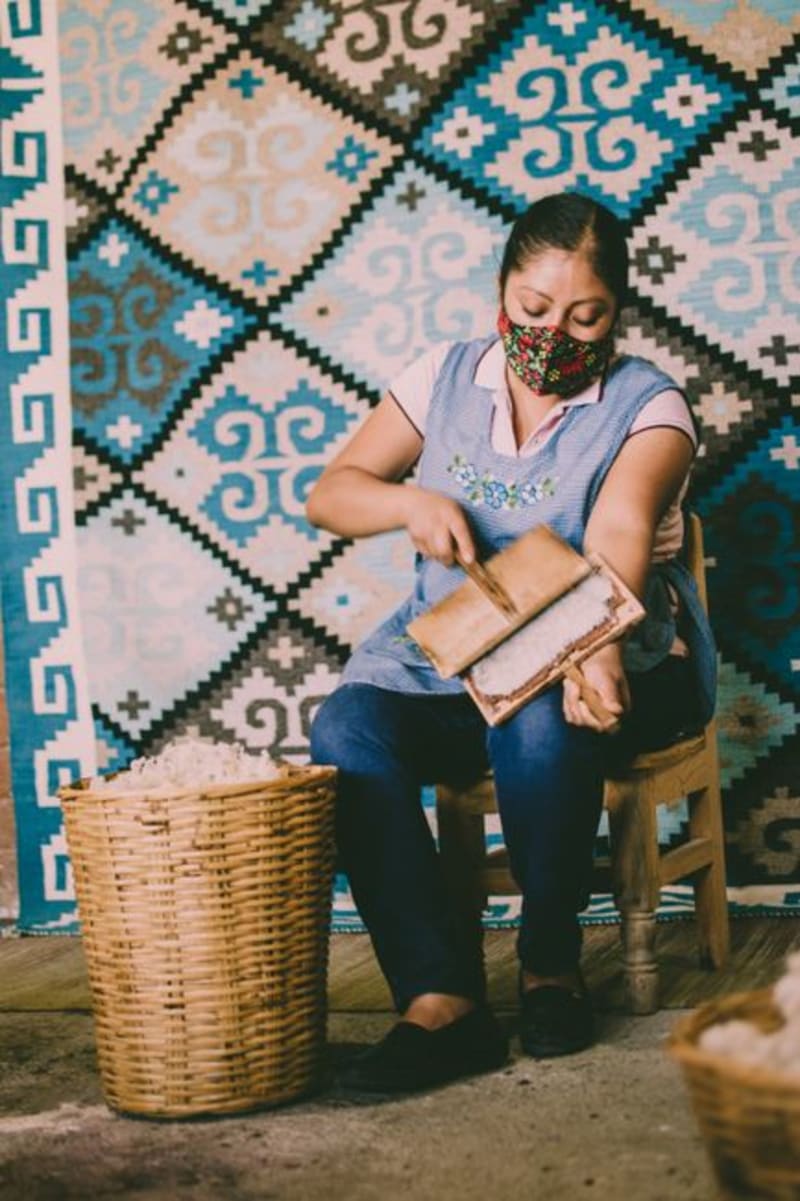
Almoloya de Juarez is Mazahua country at its most intact — highland meadows at 2,600 meters where the indigenous language still carries across the weekly market and naturally-dyed wool textiles tell a story the Spanish alphabet never quite captured. The sprawl of greater Toluca has not reached here yet, and the unhurried quality of the place feels less like a gap in development than a deliberate refusal.
Explore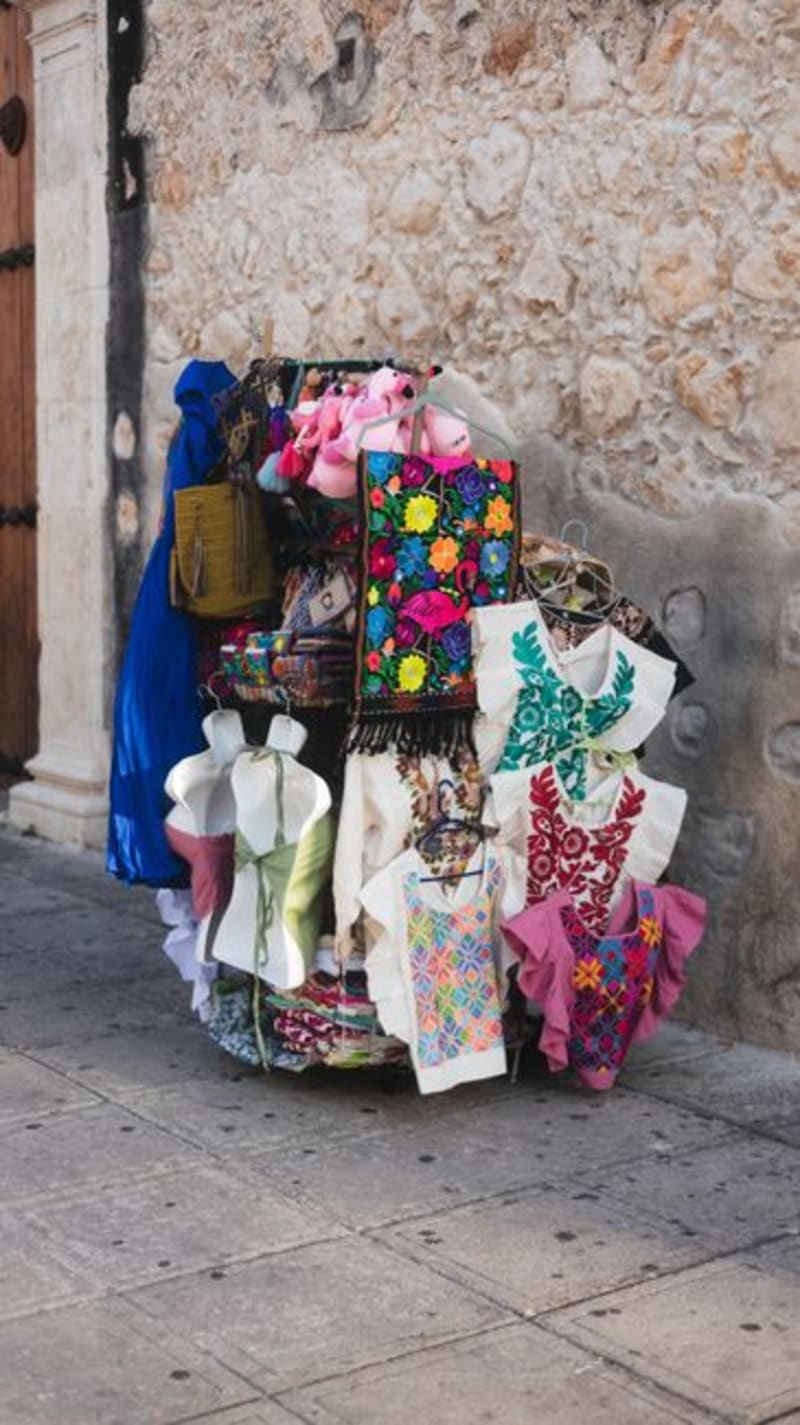 mexico
 Ixtlahuaca
Ixtlahuaca comes alive on Sundays when Mazahua and Otomi communities descend on the town for a tianguis that sprawls through every street around the colonial church. It is one of the most honest market experiences left in central Mexico — livestock, hand-embroidered textiles, medicinal herbs, and food that exists nowhere else.
Explore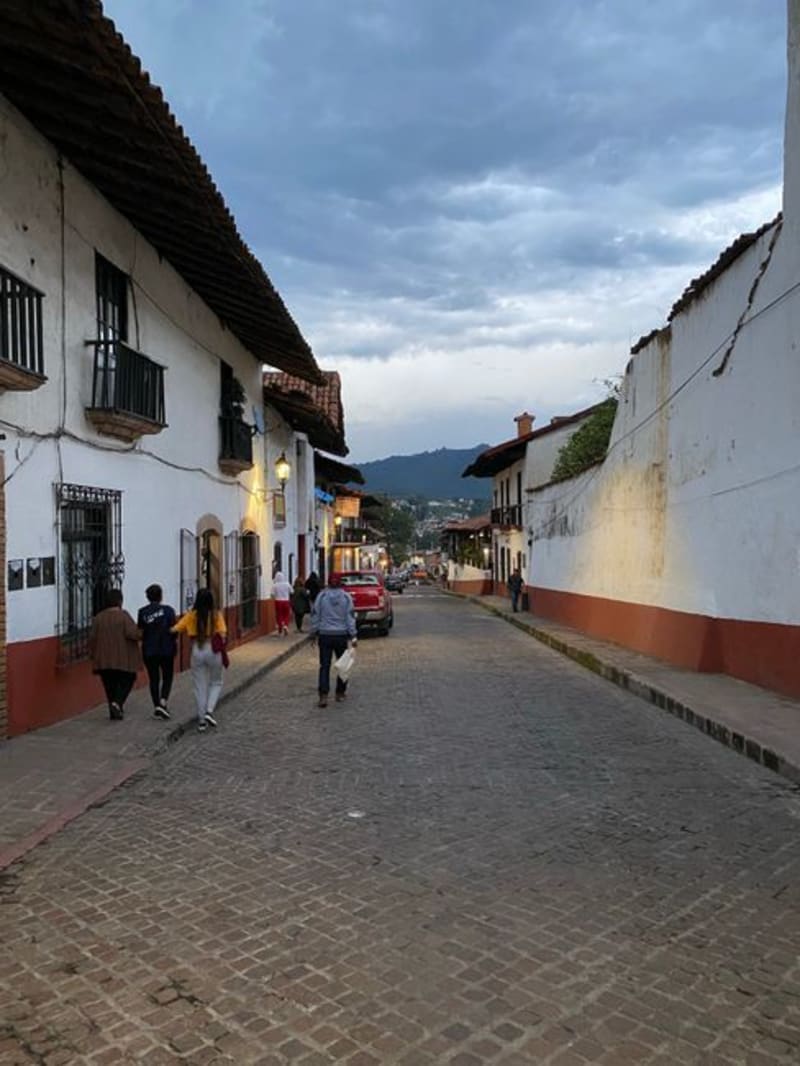 mexico
 Valle de Bravo
A colonial lakeside town two hours west of Mexico City, where a reservoir built in the 1940s gave birth to one of the country's most unlikely sailing cultures. Paragliders drift off the pine-covered ridges above a whitewashed church while weekend sailors tack back and forth below. The valley is long gone. Nobody seems to miss it.
Explore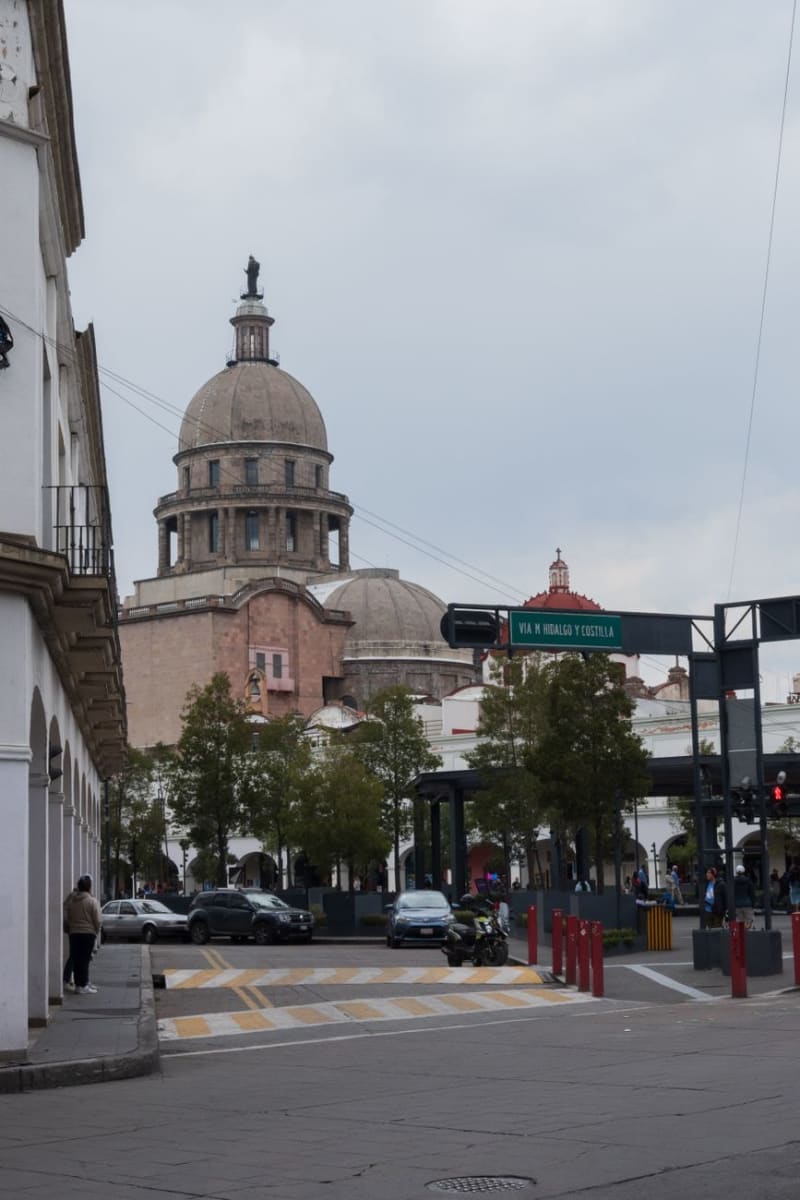 mexico
 Toluca
Toluca is the highest major city in Mexico — 2,680 meters on a plateau under the massive Nevado de Toluca volcano — and the state capital that Mexico City residents drive past without stopping, which is their loss. The Cosmovitral is a 1909 iron-and-glass market hall converted into a botanical garden wrapped in 3,000 square meters of Leopoldo Flores stained-glass panels, and it is one of the most remarkable interior spaces I have encountered in this country. The red chorizo of Toluca tastes nothing like chorizo anywhere else, and I spent an embarrassing portion of a single morning trying to understand why.
Explore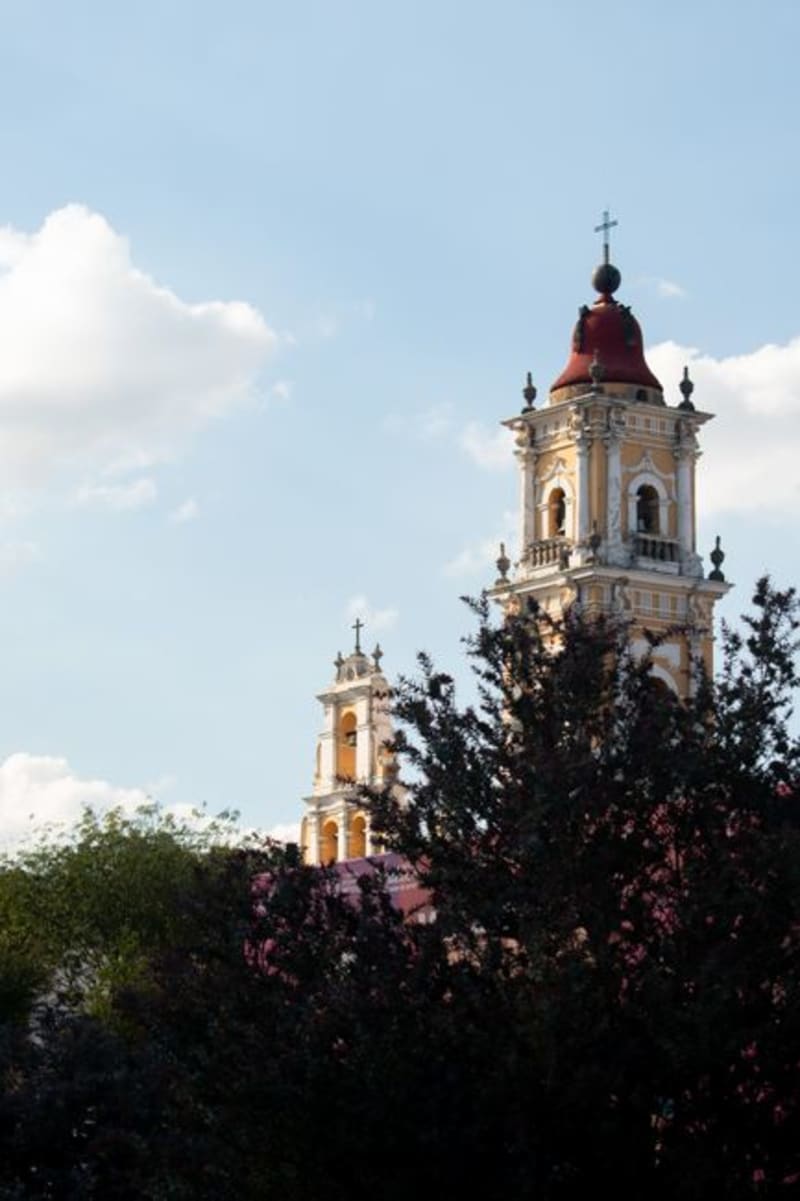 mexico
 Jocotitlan
Jocotitlan is a quiet Mazahua town in Estado de México, defined by the dormant volcano that rises directly above it — intimate and climbable in a way that Popocatépetl never quite is. Market day fills the plaza with embroidered blouses and woven baskets that most visitors to the region will never see.
Explore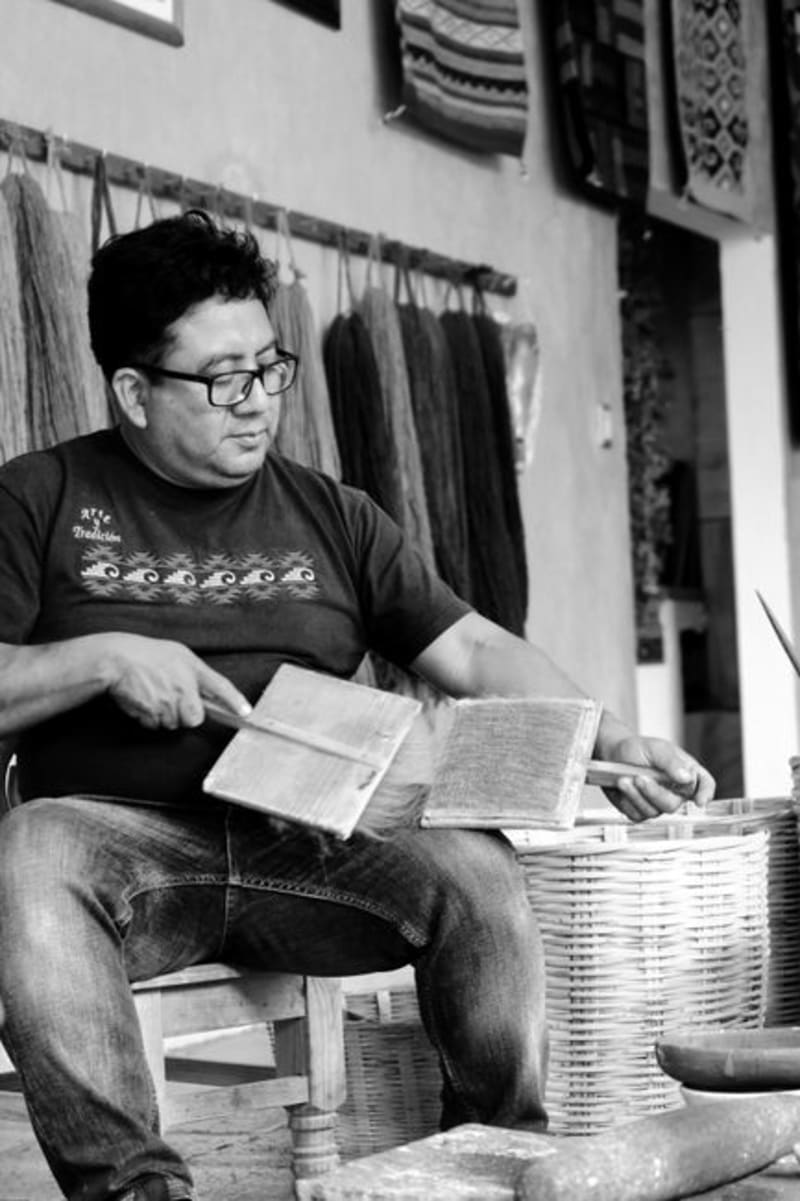 mexico
 Temoaya
A Mazahua and Otomi weaving town in the pine-covered hills north of Toluca, home to the surrealist Centro Ceremonial Otomi and some of the richest wool tapestry traditions in central Mexico. The women here still work backstrap and floor looms, producing textiles that carry centuries of symbolic language in every knot.
Explore