Almoloya de Juarez
"A Mazahua grandmother at the Almoloya market showed me how to read the geometric symbols in her weaving — each one a word in a visual language her grandchildren are learning alongside Spanish and occasionally TikTok."
Almoloya de Juarez is Mazahua country at its most intact — highland meadows at 2,600 meters where the indigenous language still carries across the weekly market and naturally-dyed wool textiles tell a story the Spanish alphabet never quite captured. The sprawl of greater Toluca has not reached here yet, and the unhurried quality of the place feels less like a gap in development than a deliberate refusal.

I came on a Thursday, which turned out to be wrong — the main tianguis runs on Sundays, and I pieced that together only after parking near a half-empty plaza and wandering until a woman selling atole from a clay pot took pity and told me. I went back on Sunday. The drive from Toluca takes maybe thirty minutes on the road toward Valle de Bravo, climbing past fields of corn and agave until the landscape opens into something that feels genuinely highland — wide, pale green, the air thin enough to notice.
The Market and the Weavers
The Sunday tianguis in the center of Almoloya de Juarez is not organized for visitors, which is precisely what makes it interesting. Stalls run along the Calle Independencia side streets and spill into the area behind the presidencia municipal — vegetables, dried chiles, plastic goods, cooked food — and then, if you walk toward the back sections, the weavers. The Mazahua textile tradition here uses naturally-dyed wool, and the palette is not what you expect from central Mexican craft: deep ochres, muted blues, a particular earthy burgundy that comes from combinations of plants I could not identify by sight. A woman named Petra, who looked to be in her seventies and was accompanied by a granddaughter furiously scrolling a phone, explained the geometric border on a serape she had brought to sell. Each diamond-and-zigzag sequence corresponds to a concept in the Mazahua visual lexicon — family lineage, directional symbols, markers of the agricultural calendar. She spoke in a mixture of Spanish and Mazahua, the granddaughter occasionally translating the parts I missed. The serape cost 850 pesos. I bought it.

The Landscape Above Town
What I had not expected was how much the landscape itself would hold my attention. The municipality sits in a broad highland valley between forested ridges, and if you drive fifteen minutes north of the town center toward the smaller communities of San Miguel Almoloyan or Santa Juana, you enter a world of open meadows interrupted by stone walls and the occasional ruined hacienda foundation — thick walls returning slowly to the earth, which given the labor history of those places feels more like resolution than loss. I pulled over near a cattle gate and ate a quesillo and epazote quesadilla I had bought at the market wrapped in paper, watching a pair of horses cross the field at no particular pace. The altitude gives everything a clarity that Toluca’s valley floor does not have.

Food at the Market
Sunday breakfast near the market runs to tamales de rajas, carnitas by the kilo wrapped in paper, and atole de guayaba from portable clay stoves. I ate at a small comedora on Calle Hidalgo where the menu was handwritten on cardboard: caldo de res, enfrijoladas, arroz. The caldo arrived with a tlacoyo on the side, unprompted. Nobody brought me a menu in English. I did not need one.

Getting There
From Toluca’s centro, take Paseo Tollocan west and follow signs toward Almoloya de Juarez — roughly 28 kilometers, around thirty minutes by car. Combis also run from the Terminal Zinacantepec area in Toluca. Come on a Sunday if you want the full tianguis. The plaza fills by 8 a.m. and winds down by early afternoon.
Keep exploring
More of Estado de México
Keep exploring
More from Estado de México
 mexico
 Villa Victoria
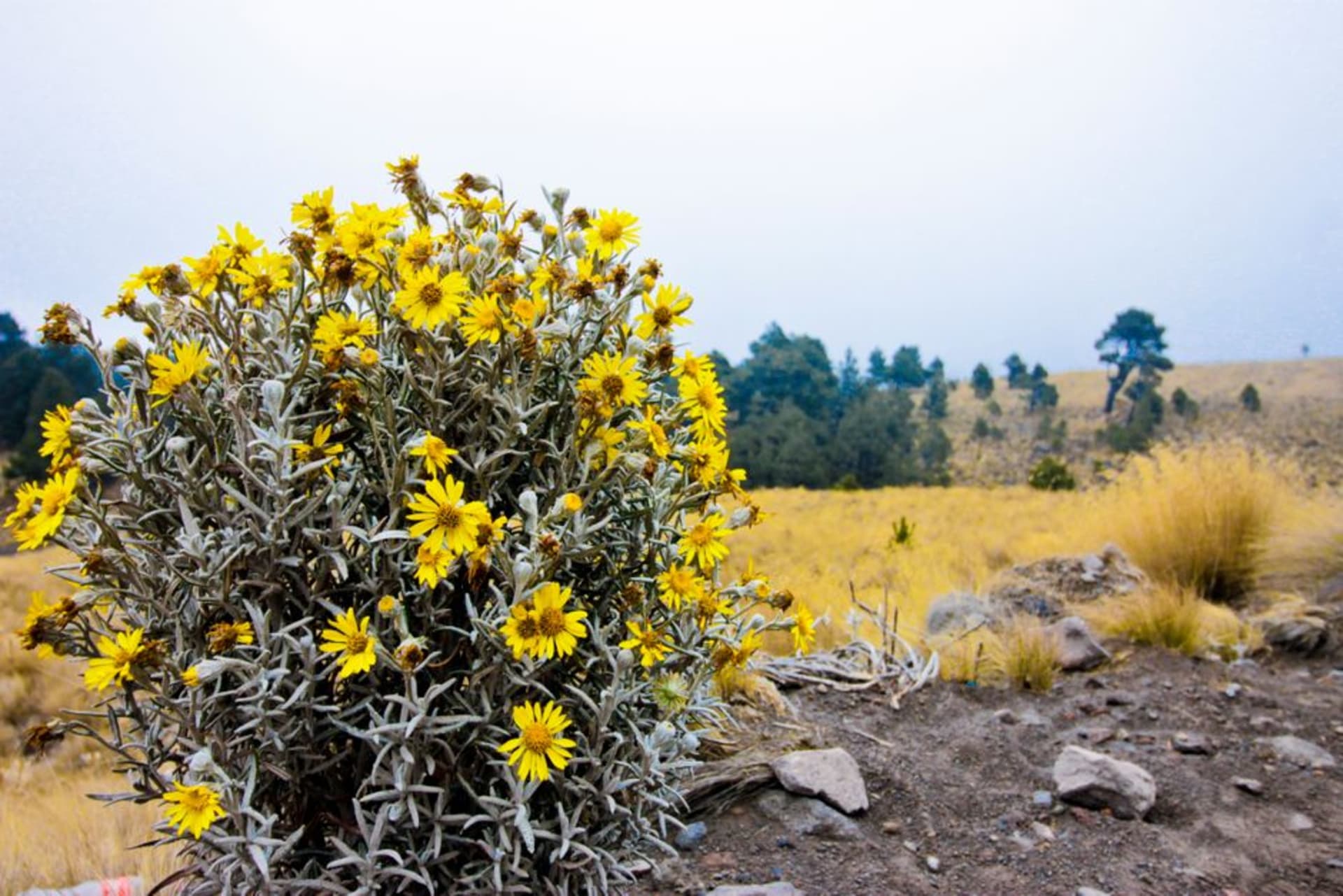
A cold Mazahua highland municipality west of Toluca, where a great reservoir that helps supply Mexico City sits among pine forests and high-altitude farmland. Misty mornings, a modest town, and an indigenous identity that has held on through the mountain cold.
Explore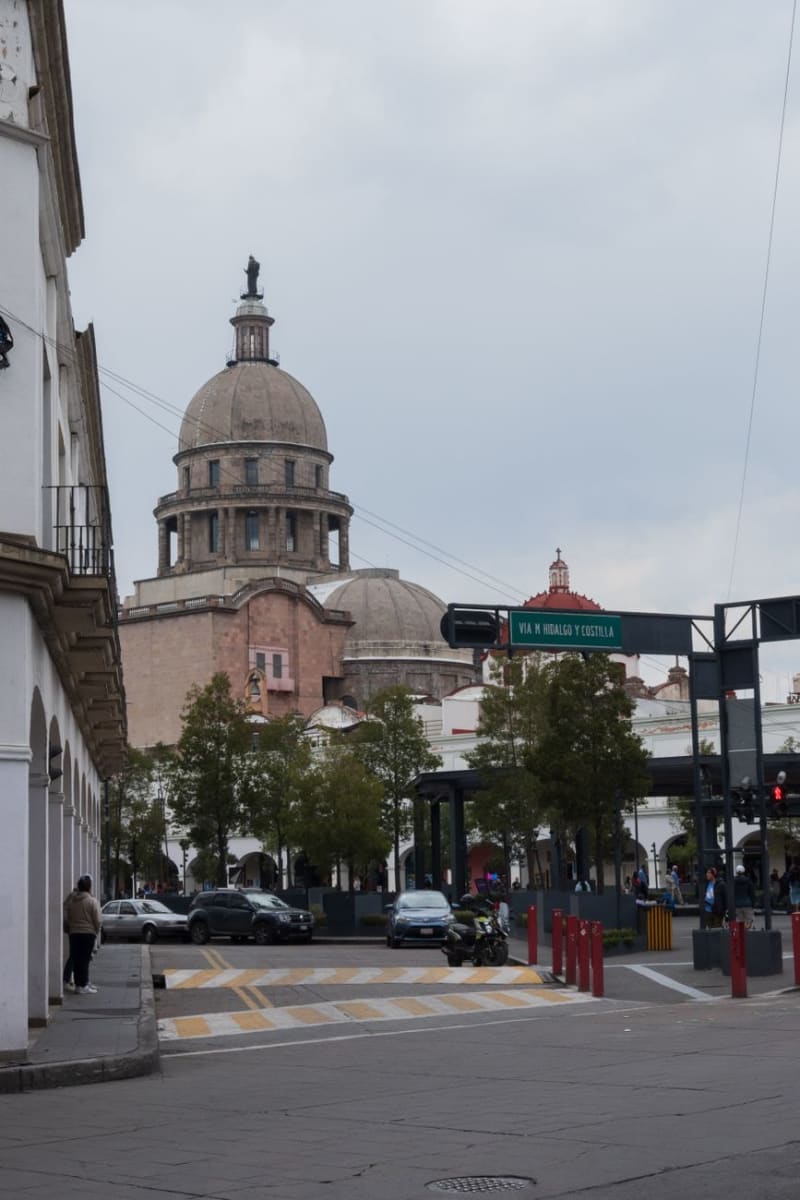 mexico
 Toluca
Toluca is the highest major city in Mexico — 2,680 meters on a plateau under the massive Nevado de Toluca volcano — and the state capital that Mexico City residents drive past without stopping, which is their loss. The Cosmovitral is a 1909 iron-and-glass market hall converted into a botanical garden wrapped in 3,000 square meters of Leopoldo Flores stained-glass panels, and it is one of the most remarkable interior spaces I have encountered in this country. The red chorizo of Toluca tastes nothing like chorizo anywhere else, and I spent an embarrassing portion of a single morning trying to understand why.
Explore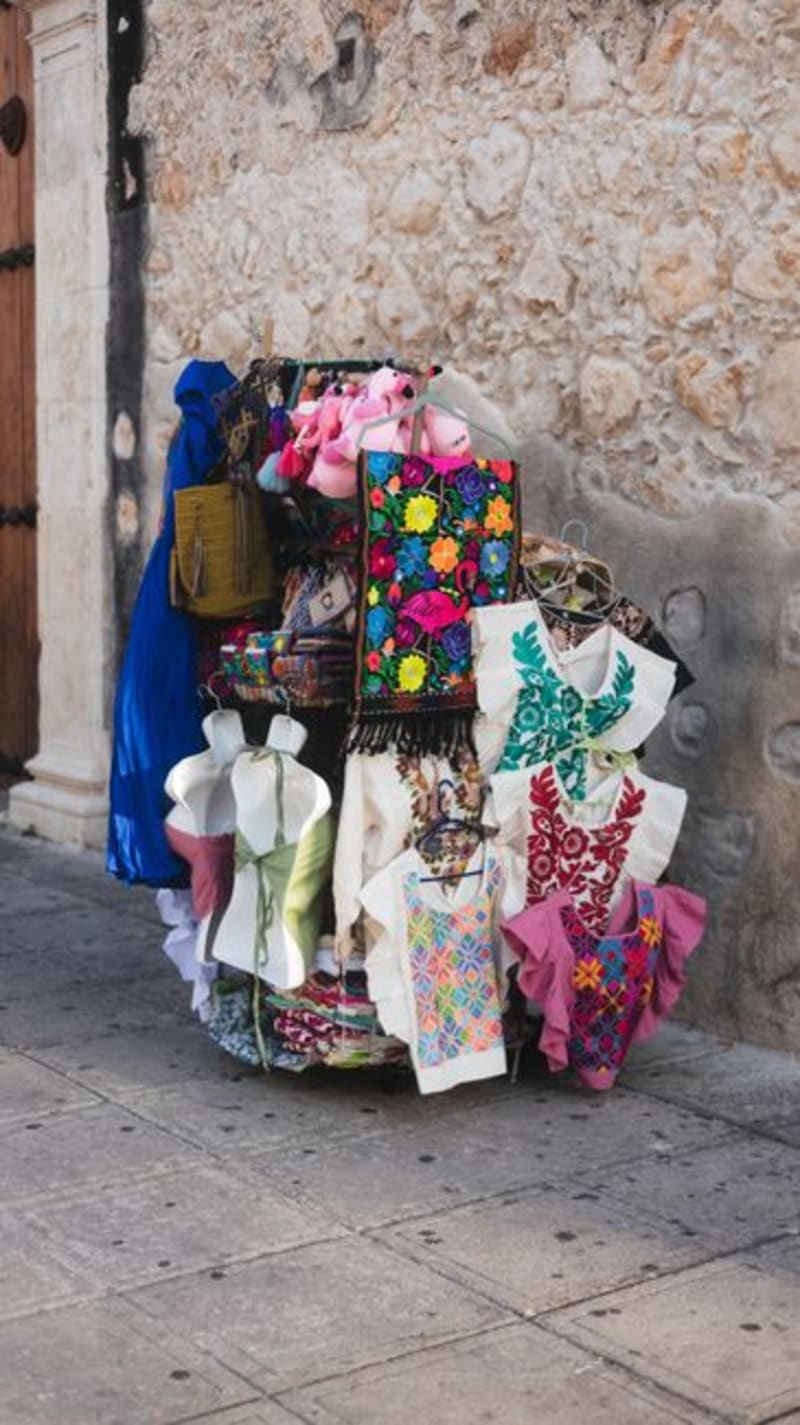 mexico
 Ixtlahuaca
Ixtlahuaca comes alive on Sundays when Mazahua and Otomi communities descend on the town for a tianguis that sprawls through every street around the colonial church. It is one of the most honest market experiences left in central Mexico — livestock, hand-embroidered textiles, medicinal herbs, and food that exists nowhere else.
Explore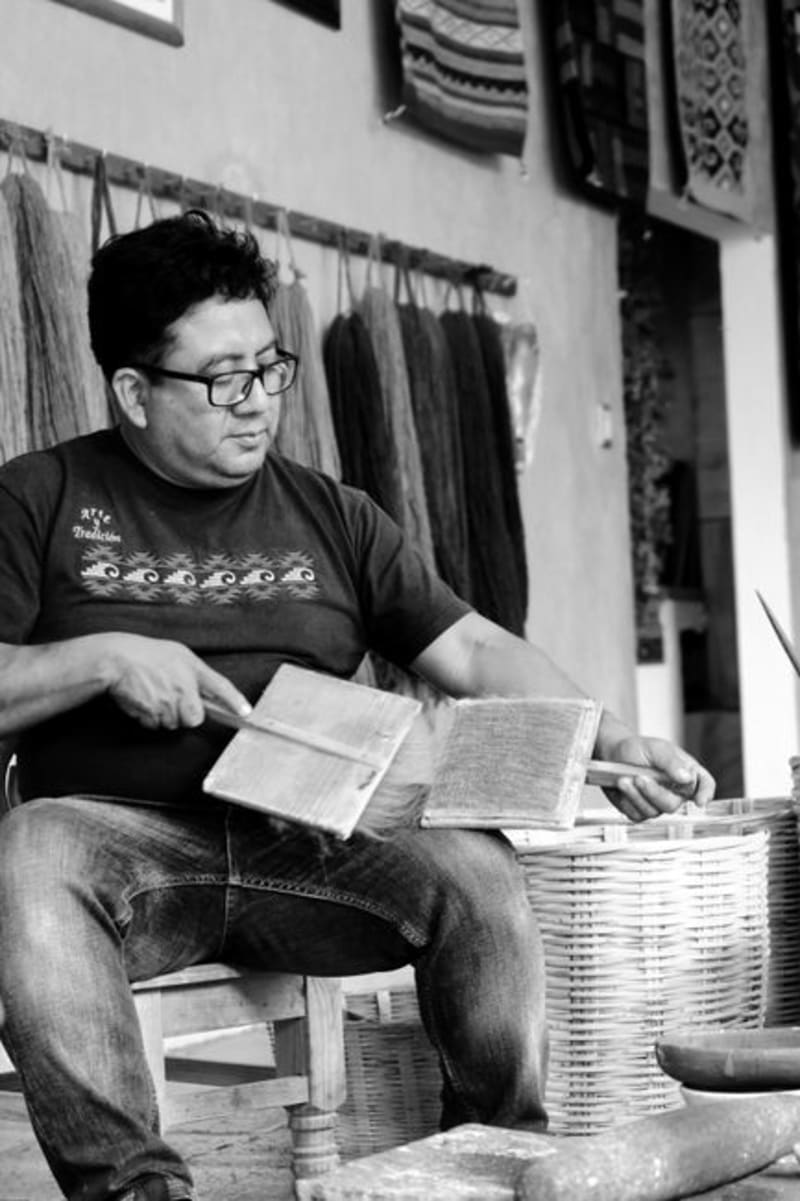 mexico
 Temoaya
A Mazahua and Otomi weaving town in the pine-covered hills north of Toluca, home to the surrealist Centro Ceremonial Otomi and some of the richest wool tapestry traditions in central Mexico. The women here still work backstrap and floor looms, producing textiles that carry centuries of symbolic language in every knot.
Explore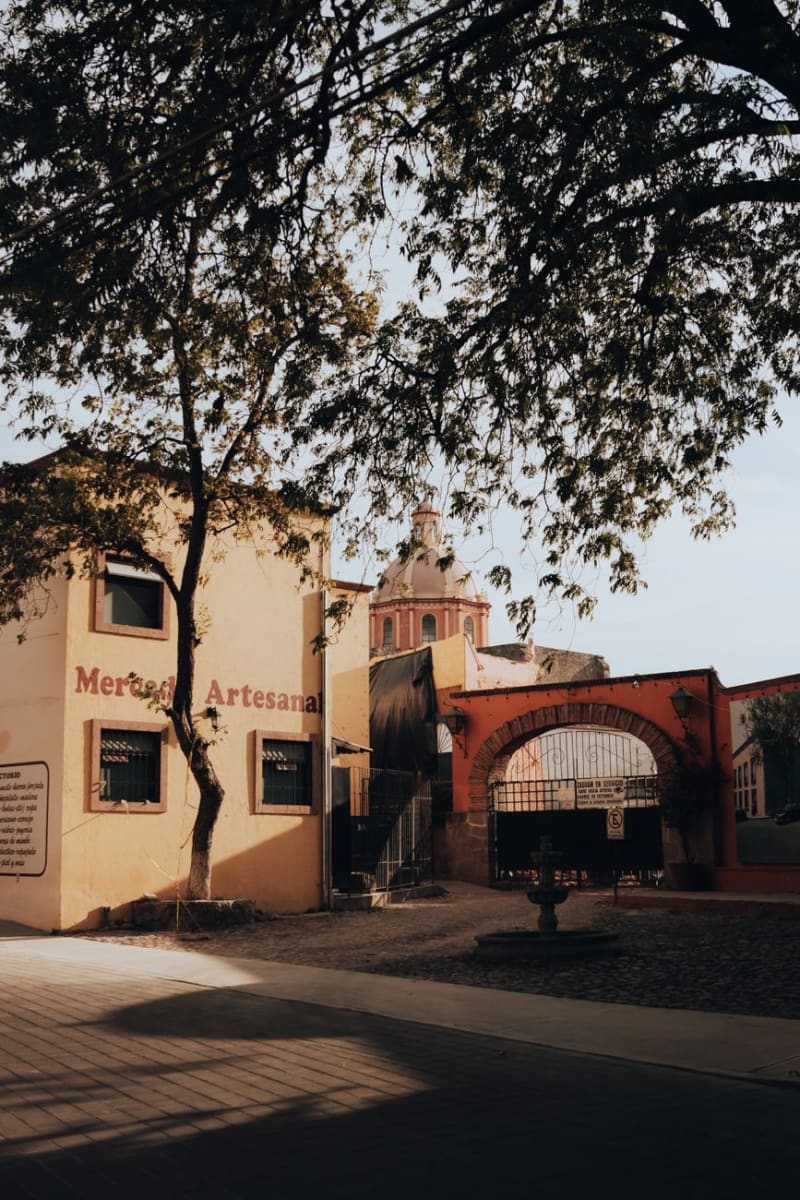 mexico
 Metepec
A craftsmen's town immediately west of Toluca where multi-generational family workshops have been producing Árboles de la Vida — towering terracotta Tree of Life sculptures — since before the colonial period, in a living ceramic tradition that shows no signs of becoming a museum piece.
Explore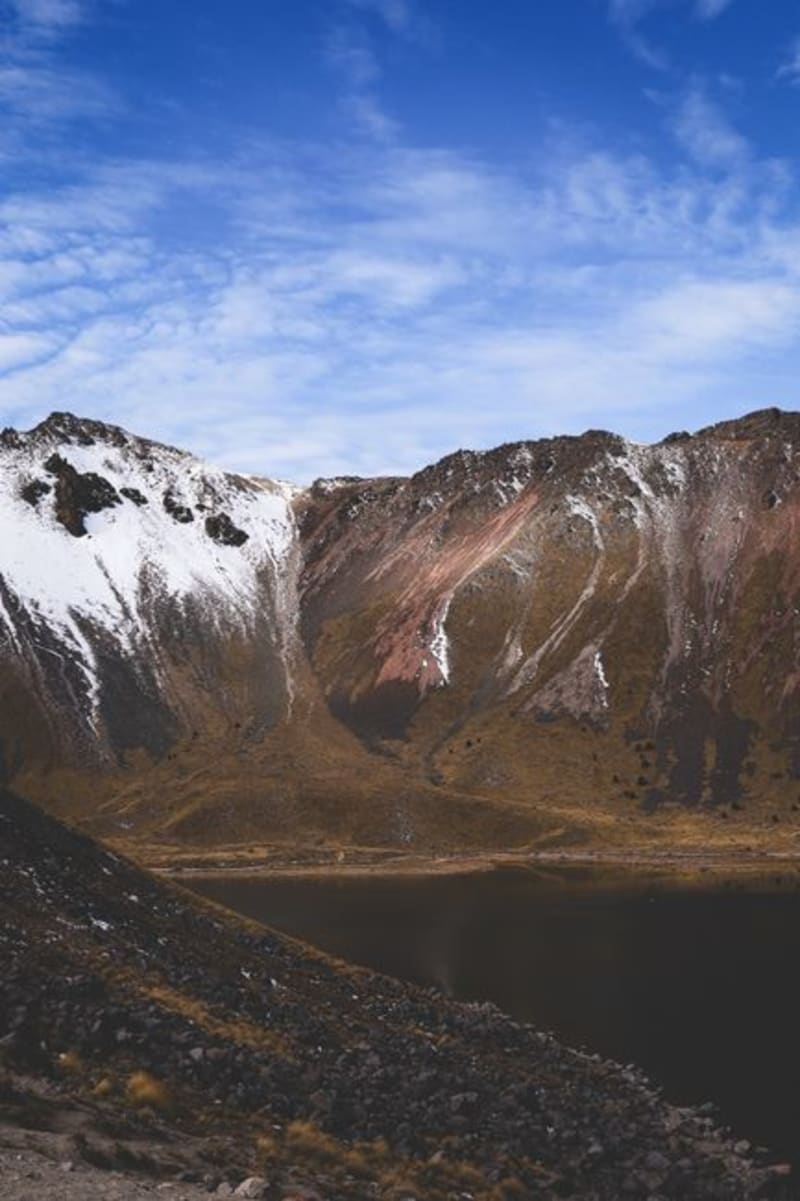 mexico
 Nevado de Toluca
A dormant volcano two hours from Mexico City where the trail drops into the collapsed caldera and finds two cold lakes — Lago del Sol and Lago de la Luna — sitting at 4,580 metres inside bare grey volcanic rock. The air bites. The water is an improbable turquoise-green, and people actually swim.
Explore