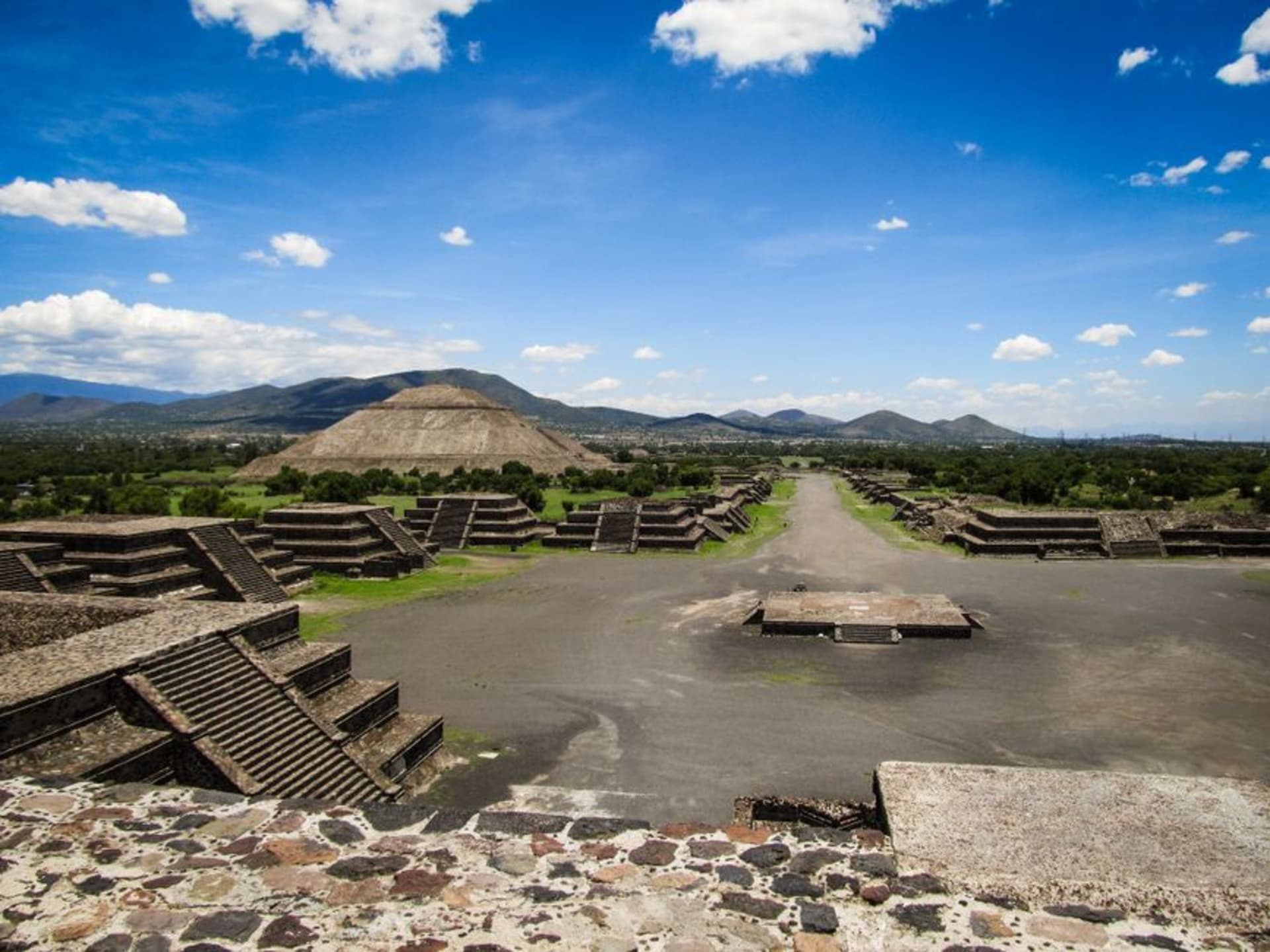
Temoaya
"The Centro Ceremonial looks like something out of a Tarkovsky film. The weavings inside look like something out of a dream."
A Mazahua and Otomi weaving town in the pine-covered hills north of Toluca, home to the surrealist Centro Ceremonial Otomi and some of the richest wool tapestry traditions in central Mexico. The women here still work backstrap and floor looms, producing textiles that carry centuries of symbolic language in every knot.

I drove up from Toluca on a Tuesday morning, the road narrowing as the pines closed in around the valley edge. I had expected a folklore-museum kind of place — the sort of site that earns a paragraph in a guidebook and disappoints on arrival. What I found instead was a concrete monument dissolving into fog on a ridge above the valley, and a market where a woman in an embroidered blouse was haggling over wool prices with what I can only describe as absolute authority. Temoaya does not perform for visitors. It simply is.
The Centro Ceremonial Otomi
The Centro Ceremonial sits at 2,700 meters on a forested escarpment about three kilometers from the town center. Inaugurated in 1980, it was designed by Pedro Ramírez Vázquez — the same architect behind the Anthropology Museum in Mexico City — and the aesthetic is unmistakable: massive angled concrete planes, ceremonial plazas open to the sky, staircases that lead somewhere ineffable. On the morning I visited, low cloud was threading through the pines and the whole structure felt genuinely dislocating, like a set from a film that never got made. The thing nobody tells you is how quiet it is up there. The city noise from Toluca doesn’t carry. There is only wind and the sound of your own footsteps on stone. Inside the main hall, a permanent collection of Otomi tapestries lines the walls — geometric cosmologies in cochineal red, indigo, and undyed cream wool. A guide named Lucía spent twenty minutes explaining a single panel to me. I left knowing I had understood perhaps a third of it.

The Weavings
The tapestry tradition in Temoaya draws on both Otomi and Mazahua lineages, and the results are not decorative in any passive sense — they are cosmographic documents rendered in wool. The main market near the municipal palacio has a cluster of stalls where weavers sell directly. Prices are real prices, not tourist prices, and the women running the stalls will tell you exactly how many weeks a given piece took, if you ask. I bought a small wall panel, roughly 40 by 60 centimeters, in rust and black and a color that sits somewhere between turquoise and teal. The weaver told me the central motif represented rain. It had taken her eleven days. The weight of that information stayed with me the whole drive back.
The technique is specific: the tapices de Temoaya use a knotted pile method more similar to Persian carpet weaving than to the flat-weave textiles common elsewhere in Oaxaca and Chiapas. The pile gives the finished piece a raised, almost sculptural texture, and the colors — traditionally dyed with cochineal, indigo, and plants gathered from the surrounding hills — hold their depth in a way that synthetic dyes never replicate.

Eating in Town
Temoaya is not a restaurant town. There are a handful of fondas around the market that open for comida corrida from noon. I ate at one with no name visible from the street — just a hand-painted sign advertising caldo de res — and had a bowl of that broth with a stack of tortillas made by the daughter of the woman running the stove. The tortillas were thick and slightly smoky from the comal. There is also a bakery two blocks north of the plaza that sells pan dulce and conchas in the morning, and the walk there, past the embroidery cooperative on Calle Hidalgo, is reason enough to arrive early.

Getting There
Temoaya is 25 kilometers north of Toluca. From the Toluca bus terminal, combis to Temoaya leave from the local section roughly every thirty minutes and take about 45 minutes. From Mexico City, take a direct bus to Toluca first — these run frequently from Terminal Poniente — and transfer at the local terminal. A taxi from central Toluca runs around 200 pesos and is worth it if you want to go directly to the Centro Ceremonial rather than the town market.
Keep exploring
More of Estado de México
Keep exploring
More from Estado de México
 mexico
 Toluca
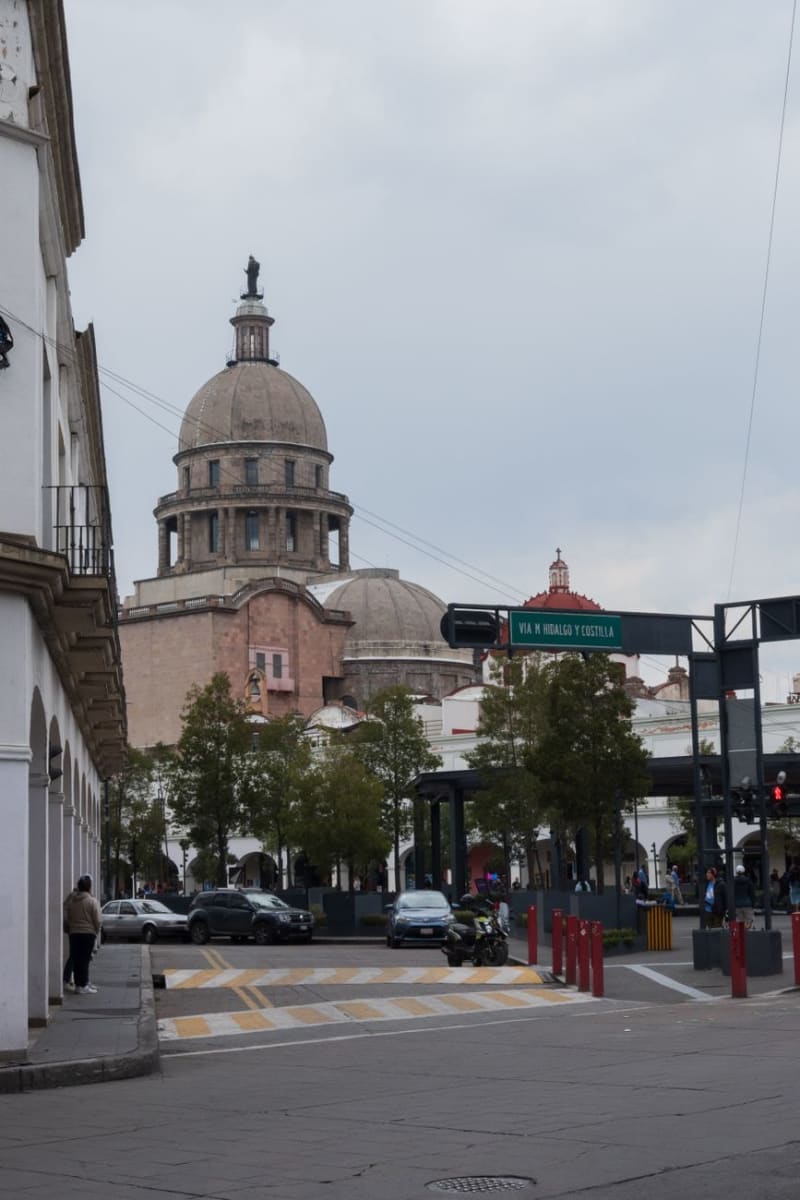
Toluca is the highest major city in Mexico — 2,680 meters on a plateau under the massive Nevado de Toluca volcano — and the state capital that Mexico City residents drive past without stopping, which is their loss. The Cosmovitral is a 1909 iron-and-glass market hall converted into a botanical garden wrapped in 3,000 square meters of Leopoldo Flores stained-glass panels, and it is one of the most remarkable interior spaces I have encountered in this country. The red chorizo of Toluca tastes nothing like chorizo anywhere else, and I spent an embarrassing portion of a single morning trying to understand why.
Explore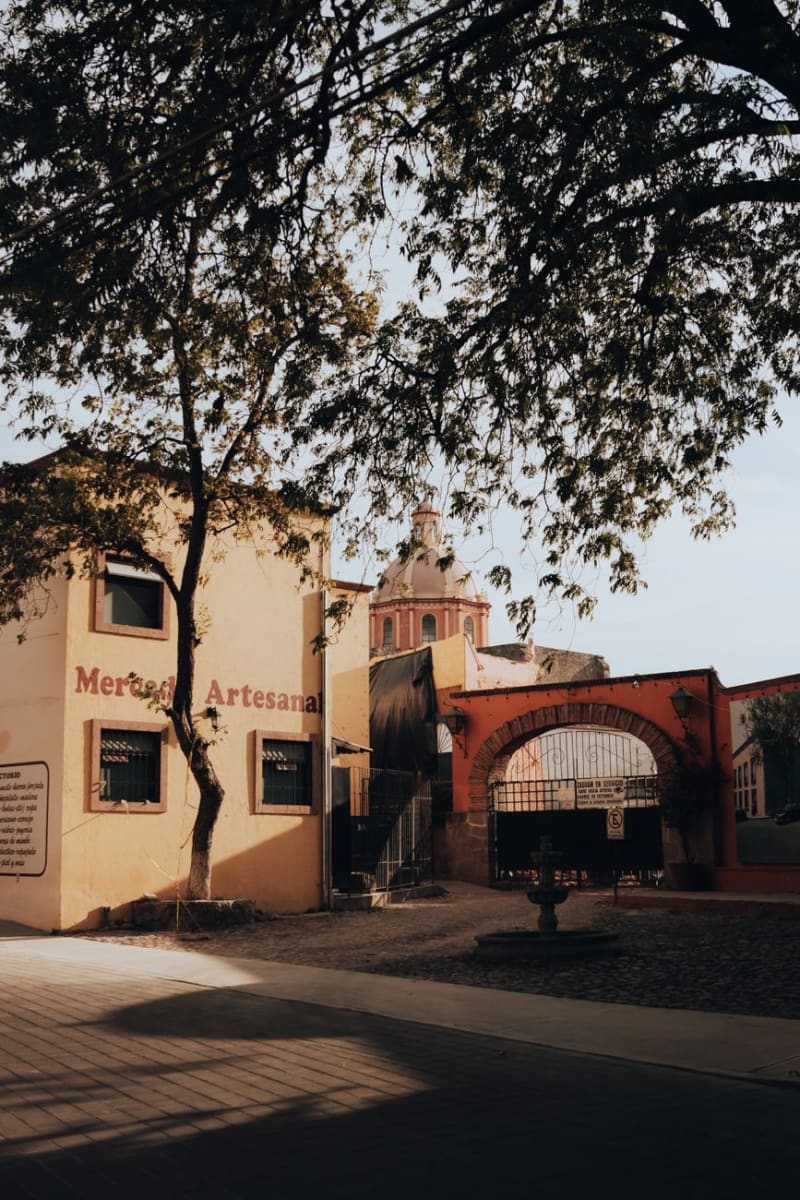 mexico
 Metepec
A craftsmen's town immediately west of Toluca where multi-generational family workshops have been producing Árboles de la Vida — towering terracotta Tree of Life sculptures — since before the colonial period, in a living ceramic tradition that shows no signs of becoming a museum piece.
Explore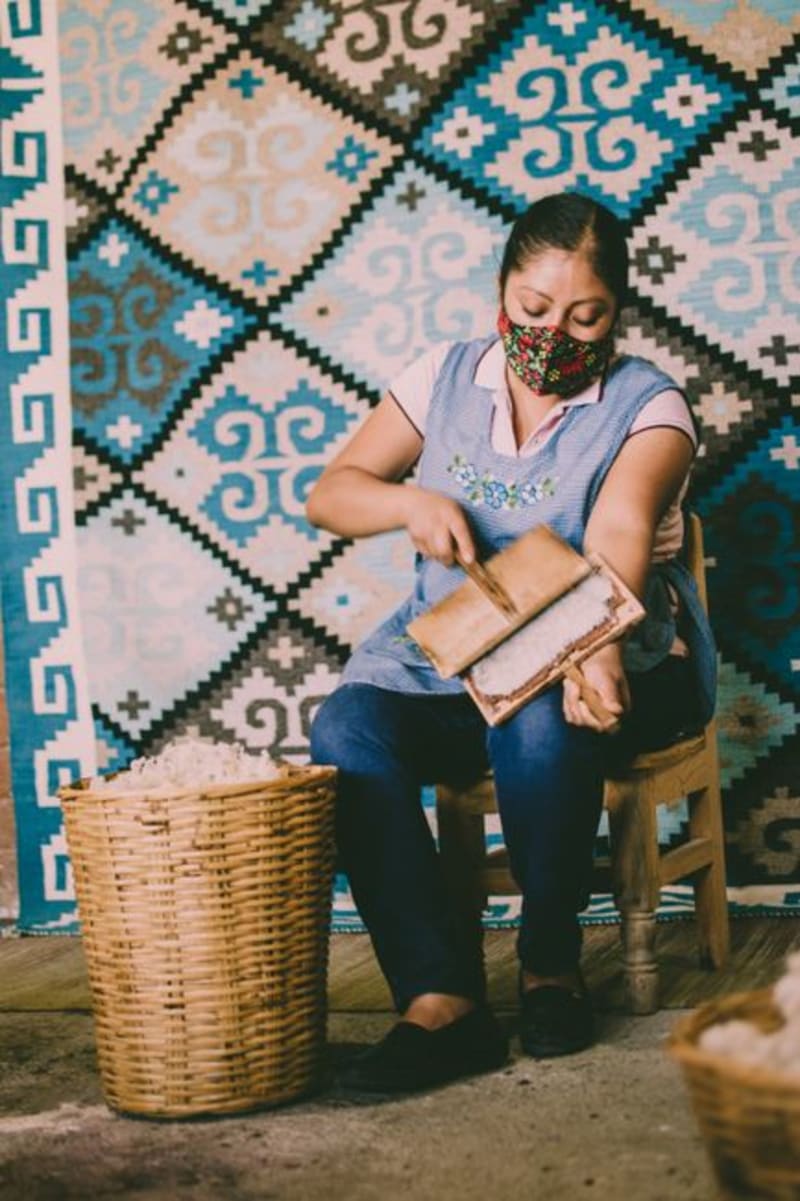 mexico
 Almoloya de Juarez
Almoloya de Juarez is Mazahua country at its most intact — highland meadows at 2,600 meters where the indigenous language still carries across the weekly market and naturally-dyed wool textiles tell a story the Spanish alphabet never quite captured. The sprawl of greater Toluca has not reached here yet, and the unhurried quality of the place feels less like a gap in development than a deliberate refusal.
Explore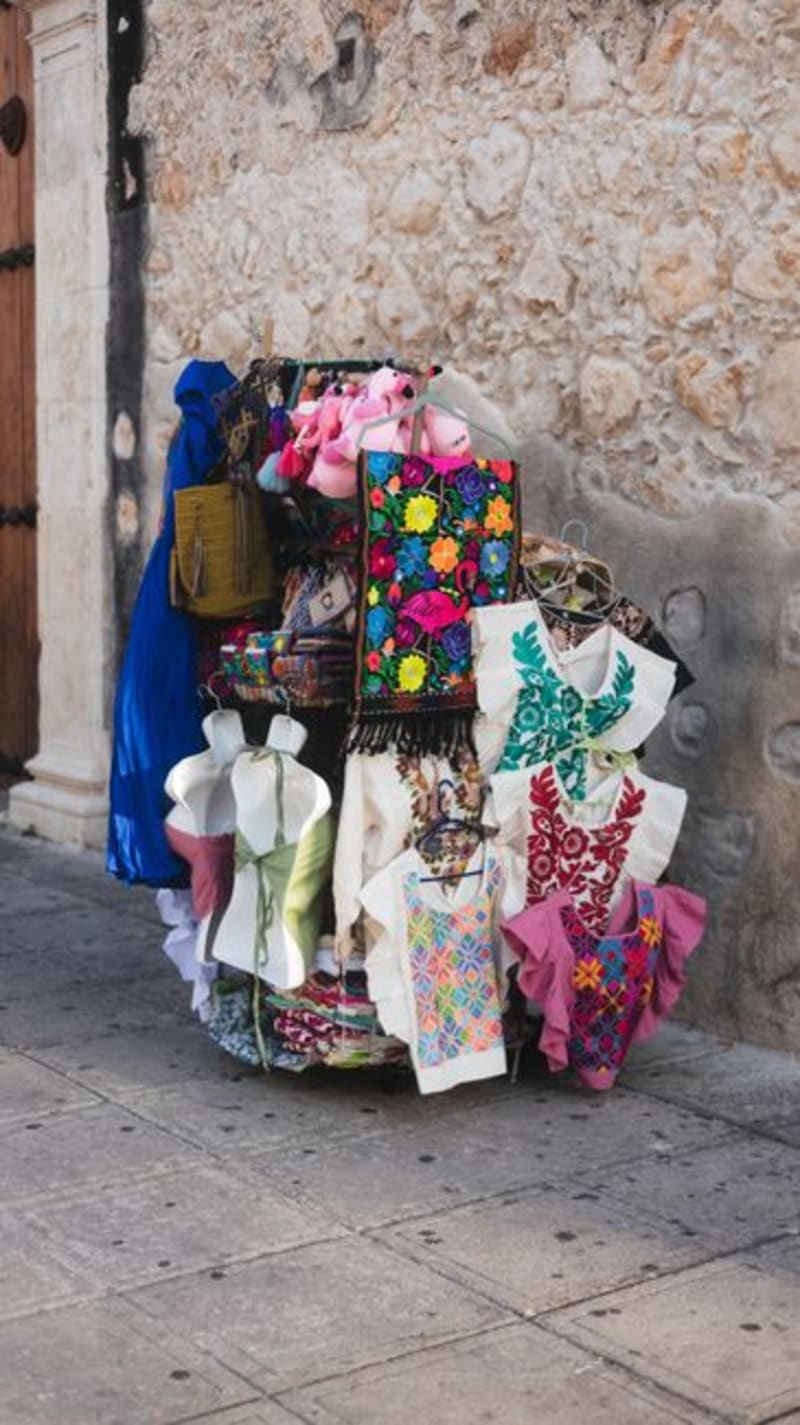 mexico
 Ixtlahuaca
Ixtlahuaca comes alive on Sundays when Mazahua and Otomi communities descend on the town for a tianguis that sprawls through every street around the colonial church. It is one of the most honest market experiences left in central Mexico — livestock, hand-embroidered textiles, medicinal herbs, and food that exists nowhere else.
Explore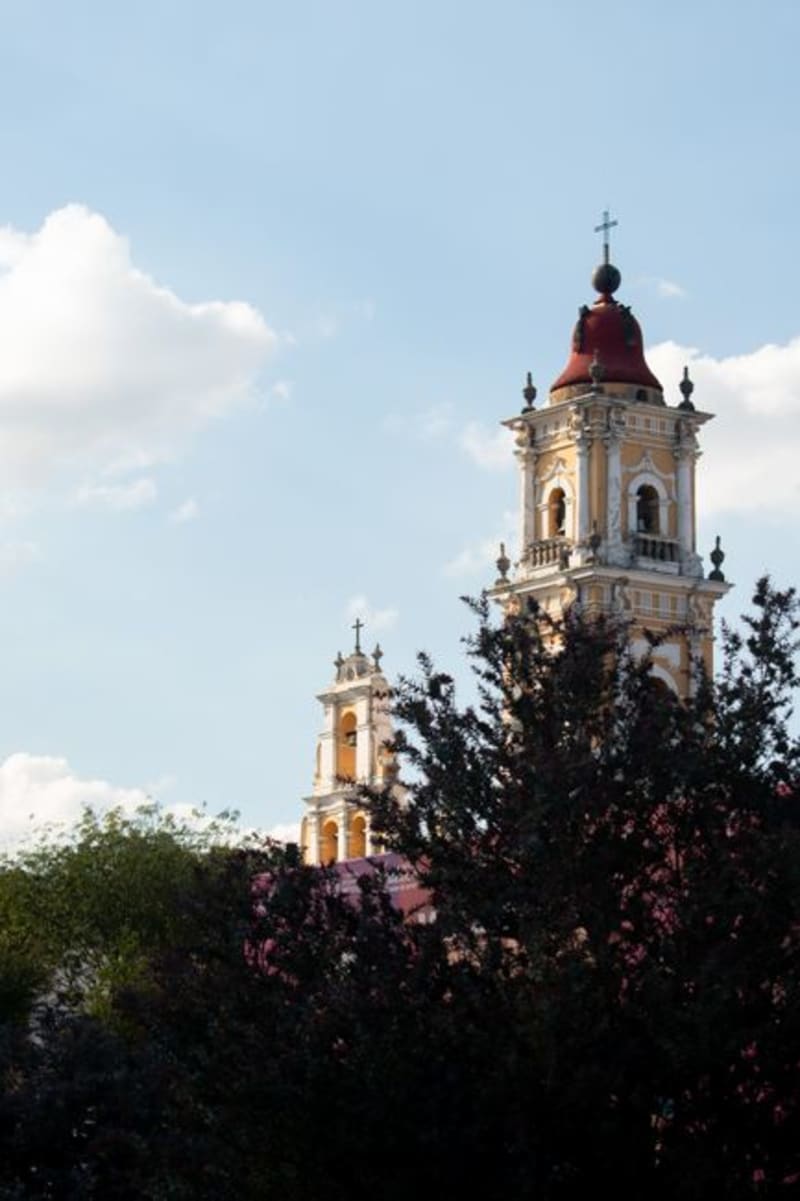 mexico
 Jocotitlan
Jocotitlan is a quiet Mazahua town in Estado de México, defined by the dormant volcano that rises directly above it — intimate and climbable in a way that Popocatépetl never quite is. Market day fills the plaza with embroidered blouses and woven baskets that most visitors to the region will never see.
Explore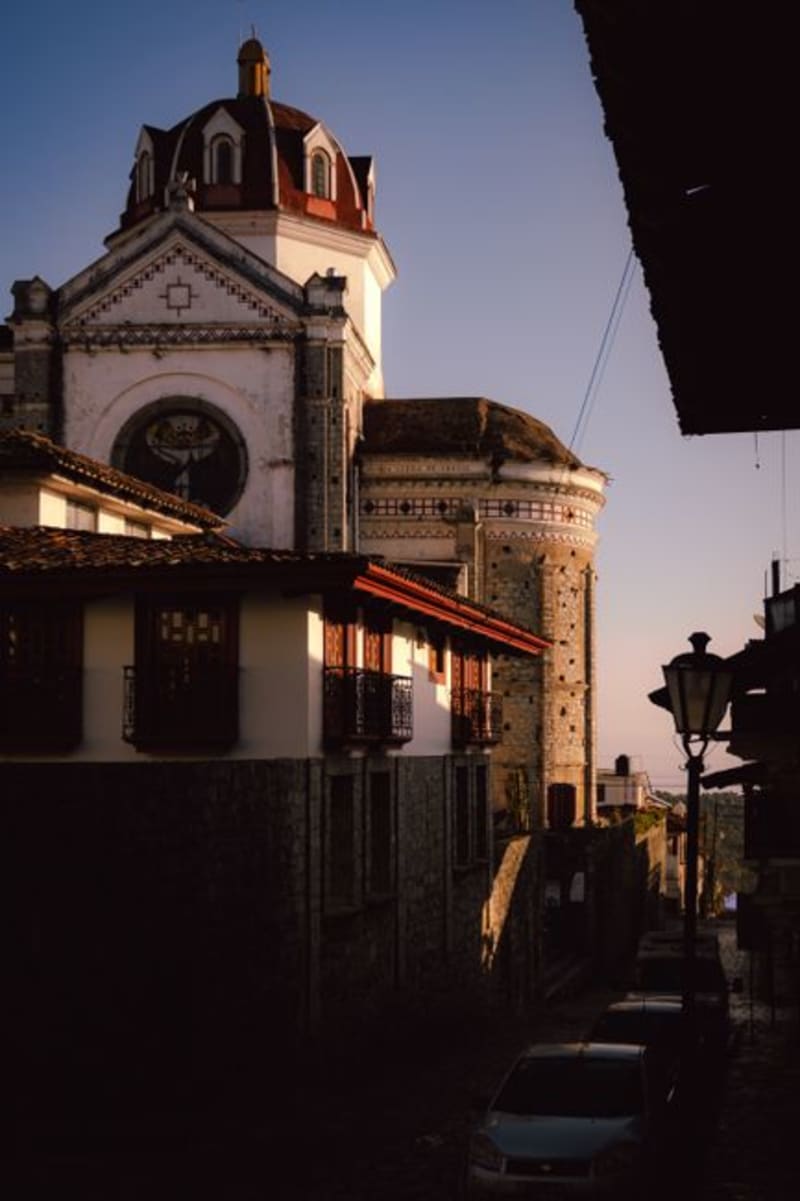 mexico
 Villa del Carbón
An hour north of Mexico City in the pine-forested mountains of Estado de México, Villa del Carbón operates at a pace that feels almost remedial after the capital. The Pueblo Mágico draws weekenders for its renowned cheese and chorizo market, its sixteenth-century Augustinian monastery, and the straightforward luxury of breathing cold air in forests that smell of pine resin and wet earth.
Explore