Ixtlahuaca
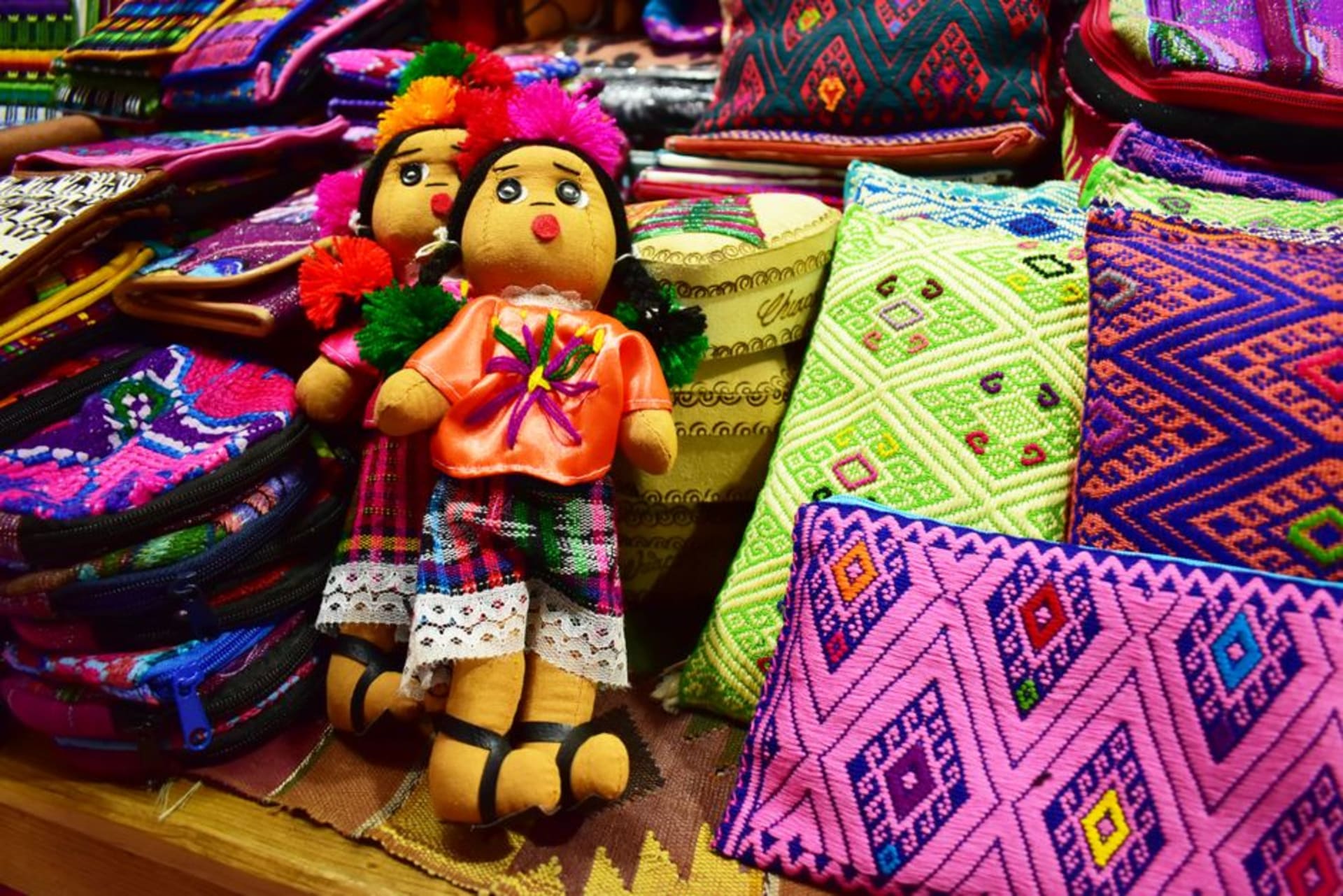
"I bought a hand-embroidered Mazahua blouse for my sister and watched the vendor add a border detail while we negotiated — that is the kind of transaction that still happens in Ixtlahuaca."
Ixtlahuaca comes alive on Sundays when Mazahua and Otomi communities descend on the town for a tianguis that sprawls through every street around the colonial church. It is one of the most honest market experiences left in central Mexico — livestock, hand-embroidered textiles, medicinal herbs, and food that exists nowhere else.

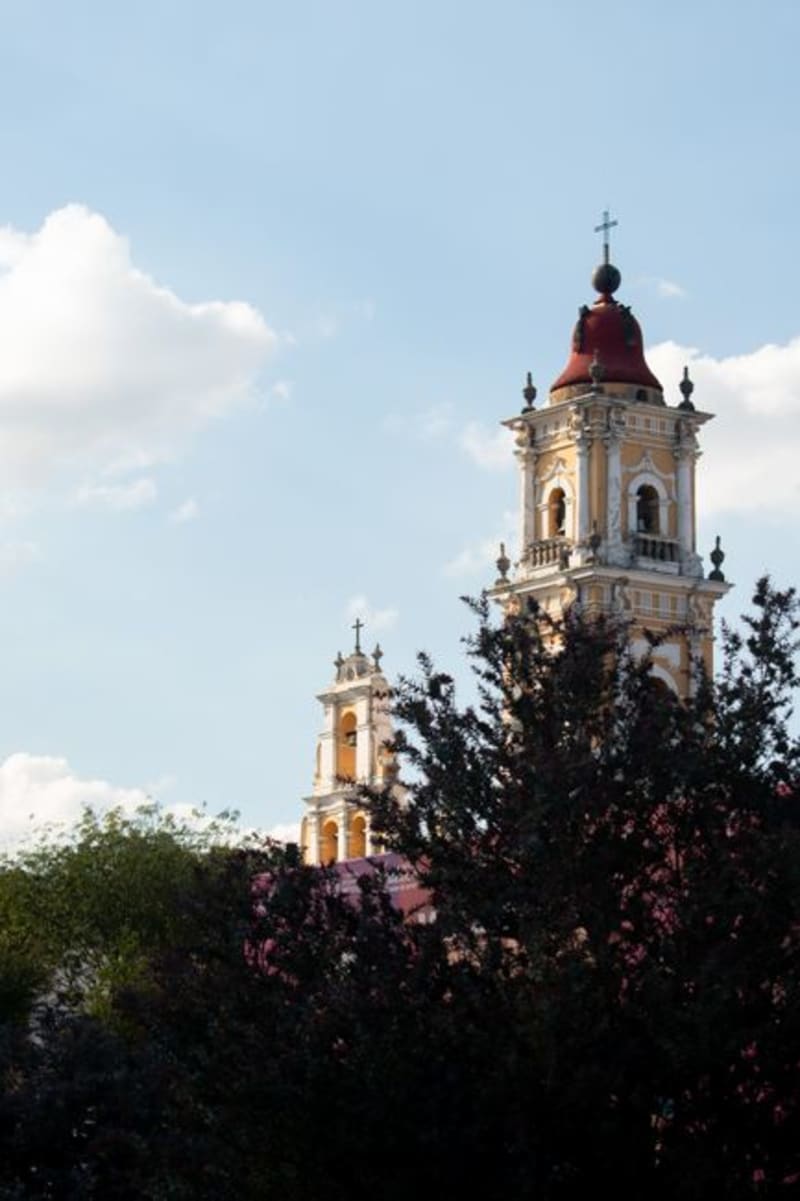
I arrived on a Sunday by accident. I was heading somewhere else, the bus stopped, I looked out the window at the crowd filling the street and got off without thinking. By nine in the morning, every block surrounding the Parroquia de San Pedro Apóstol was already packed — vendors calling out, a slow current of people moving through stalls that pressed against each other with no visible logic and yet worked perfectly. I stayed until the afternoon light turned the church facade orange and most of the Mazahua families had packed up and left. I missed my original destination entirely and did not mind.
The Sunday Tianguis
The market does not have a boundary you can point to on a map. It begins somewhere on Calle Hidalgo and it ends when the town ends, and in between it covers the zócalo, the side streets, the lanes behind the church, and eventually the edge of the livestock section where goats and turkeys conduct their own noisy commerce. The Mazahua and Otomi vendors arrive before dawn and set up on the same patches of ground their families have used for generations. I watched one woman arrange stacks of hand-embroidered huipiles by color with the concentration of someone hanging a gallery show. Another had a basket of curative herbs — cihuapatli, árnica, gordolobo — and explained each one to me with patience I had not earned. The food stalls along the church wall do things I cannot name in Spanish or French: one woman was serving a broth with something floating in it that tasted of smoke and dried chile and made me want a second bowl immediately.

The Church and the Rhythm of the Town
The Parroquia de San Pedro Apóstol has proportions that do not quite resolve — the tower sits slightly off from where you expect it, the facade is wider than it is tall, and the whole thing feels more massive than a town this size should have. Inside, it is cool and dark and serious, and on Sunday mornings mass runs concurrently with the market outside, which means you can hear hymns through the open doors while a man argues the price of a turkey thirty meters away. The town itself moves slowly outside of market day. The restaurants on the square serve straightforward comida corrida — sopa de fideos, guisados, agua de jamaica — and close by three in the afternoon. Ixtlahuaca on a Wednesday is a different place: quiet, slightly sleepy, the streets wide and unhurried in a way that makes Sunday feel like something you may have imagined.

The Textiles
If you are going to buy anything, buy it here. The embroidery work coming out of the Mazahua communities around Ixtlahuaca — particularly from San Felipe del Progreso to the west — is some of the most intricate I have seen in Mexico. The designs are not decorative in the tourist-market sense; they carry specific meanings, and vendors will tell you what they are if you ask directly rather than performing curiosity. Prices are honest. Bargaining exists but does not require theater.

Getting There
Ixtlahuaca is roughly 70 kilometers northwest of Mexico City. From the Terminal Poniente (Observatorio), take a bus toward Atlacomulco or Toluca and ask to be let off at Ixtlahuaca — journey time is around ninety minutes. Come on a Sunday. There is no compelling reason to arrive on any other day.
Keep exploring
More of Estado de México
Keep exploring
More from Estado de México
 mexico
 Jocotitlan
Jocotitlan is a quiet Mazahua town in Estado de México, defined by the dormant volcano that rises directly above it — intimate and climbable in a way that Popocatépetl never quite is. Market day fills the plaza with embroidered blouses and woven baskets that most visitors to the region will never see.
Explore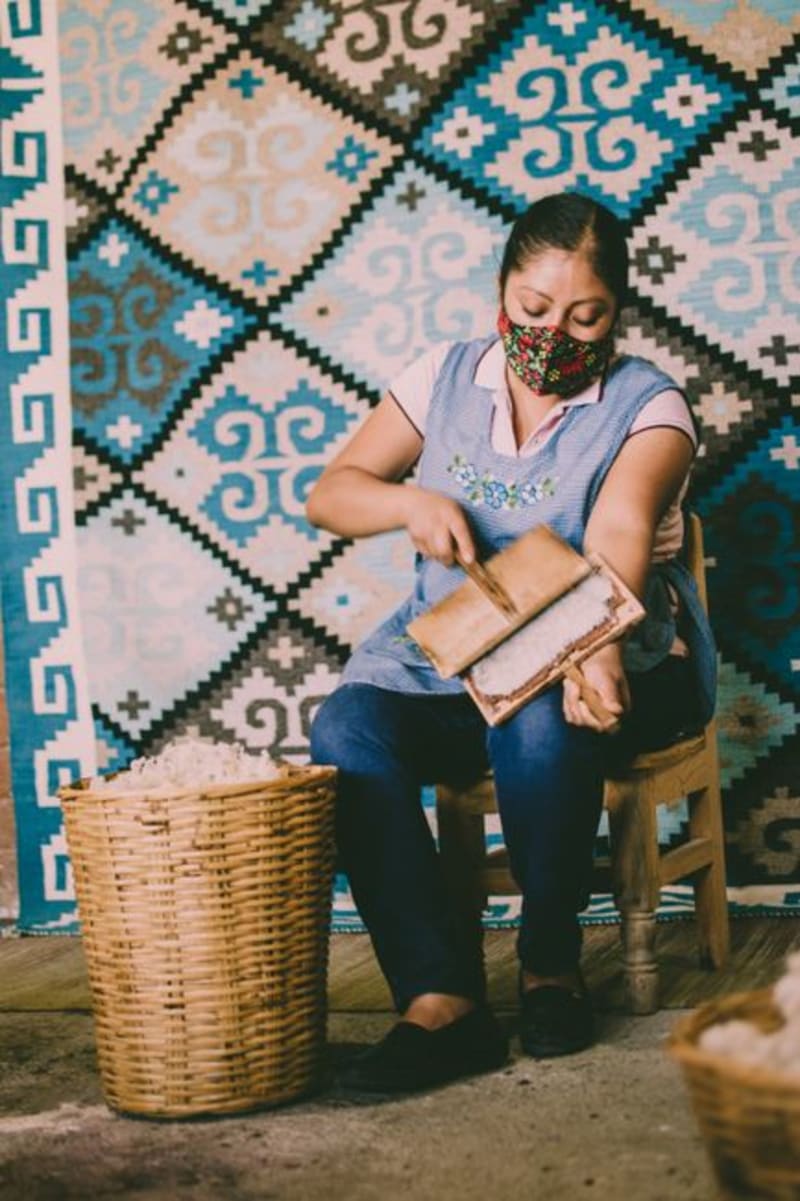 mexico
 Almoloya de Juarez
Almoloya de Juarez is Mazahua country at its most intact — highland meadows at 2,600 meters where the indigenous language still carries across the weekly market and naturally-dyed wool textiles tell a story the Spanish alphabet never quite captured. The sprawl of greater Toluca has not reached here yet, and the unhurried quality of the place feels less like a gap in development than a deliberate refusal.
Explore mexico
 Villa Victoria
A cold Mazahua highland municipality west of Toluca, where a great reservoir that helps supply Mexico City sits among pine forests and high-altitude farmland. Misty mornings, a modest town, and an indigenous identity that has held on through the mountain cold.
Explore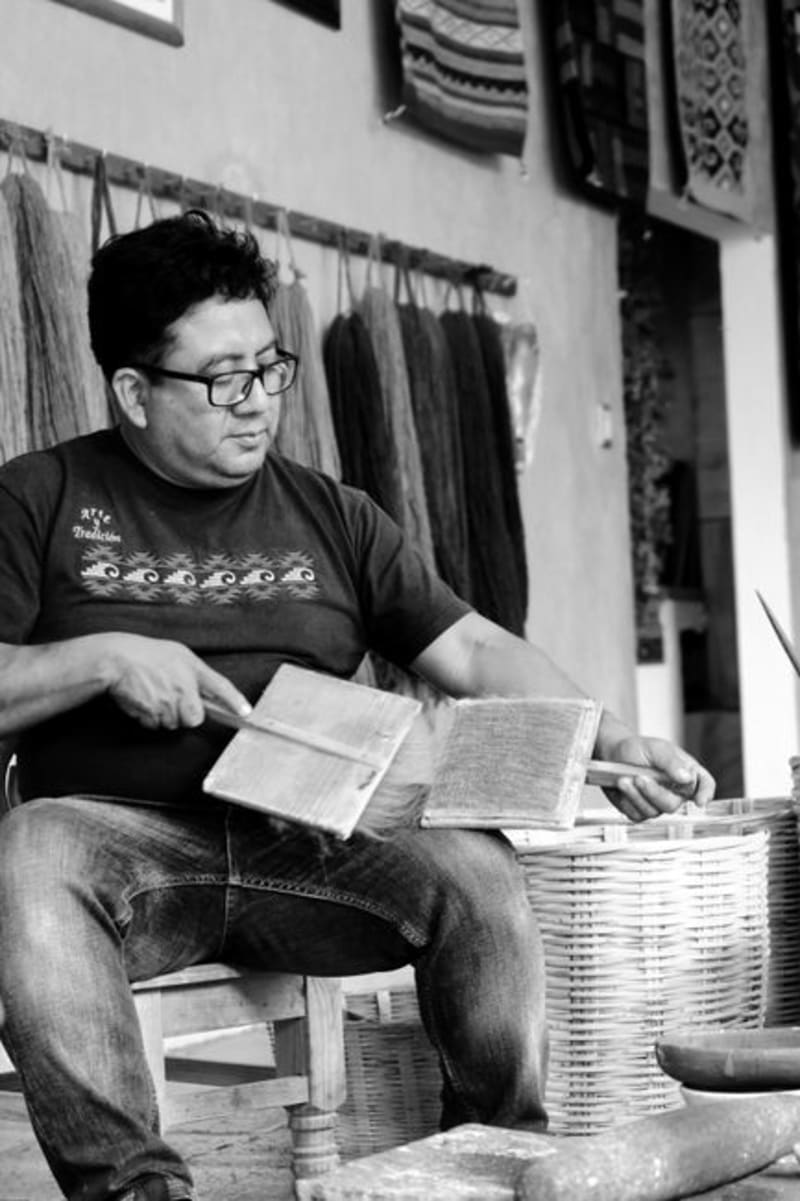 mexico
 Temoaya
A Mazahua and Otomi weaving town in the pine-covered hills north of Toluca, home to the surrealist Centro Ceremonial Otomi and some of the richest wool tapestry traditions in central Mexico. The women here still work backstrap and floor looms, producing textiles that carry centuries of symbolic language in every knot.
Explore mexico
 El Oro
A former gold and silver mining town at 2,700 meters in the Estado de México highlands, where a magnificent 1909 Art Nouveau theatre sits stranded in a nearly empty mountain town — one of the most architecturally improbable buildings in Mexico.
Explore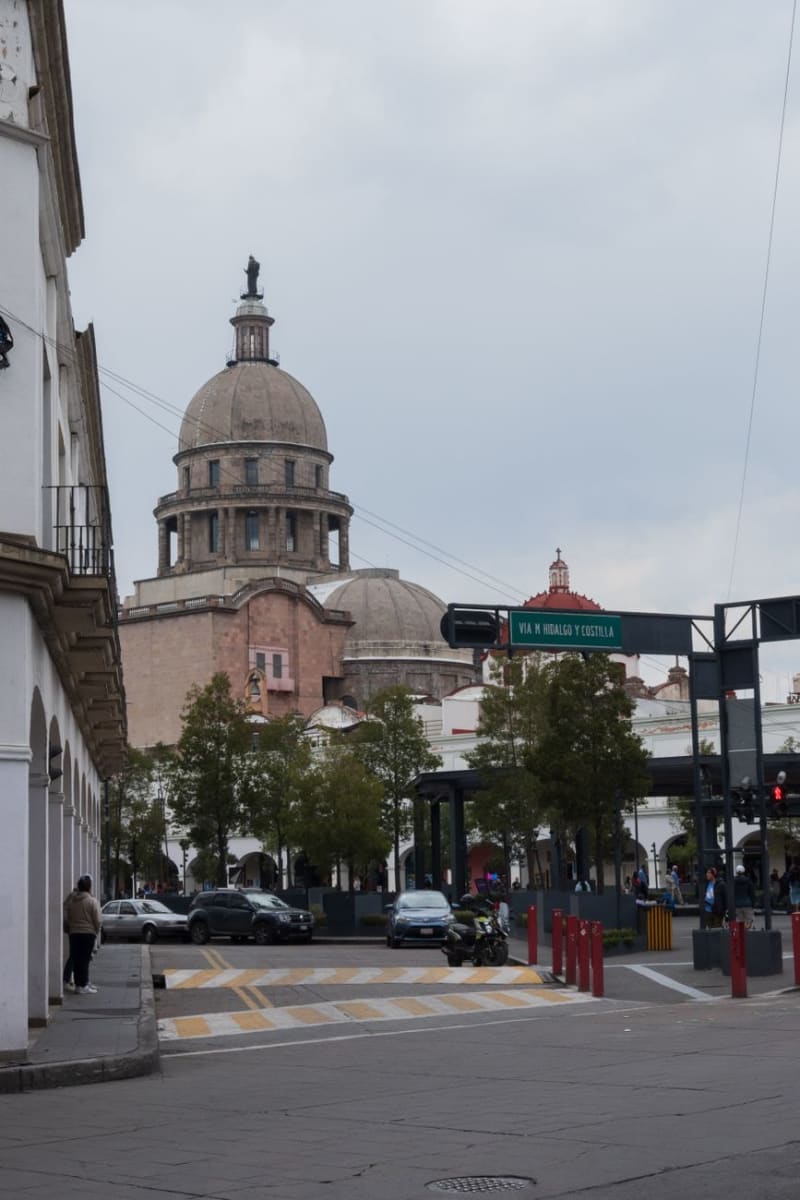 mexico
 Toluca
Toluca is the highest major city in Mexico — 2,680 meters on a plateau under the massive Nevado de Toluca volcano — and the state capital that Mexico City residents drive past without stopping, which is their loss. The Cosmovitral is a 1909 iron-and-glass market hall converted into a botanical garden wrapped in 3,000 square meters of Leopoldo Flores stained-glass panels, and it is one of the most remarkable interior spaces I have encountered in this country. The red chorizo of Toluca tastes nothing like chorizo anywhere else, and I spent an embarrassing portion of a single morning trying to understand why.
Explore