Toluca
"I went to the Cosmovitral thinking I would look at some plants. I stood in one spot for forty-five minutes and forgot about the plants entirely."
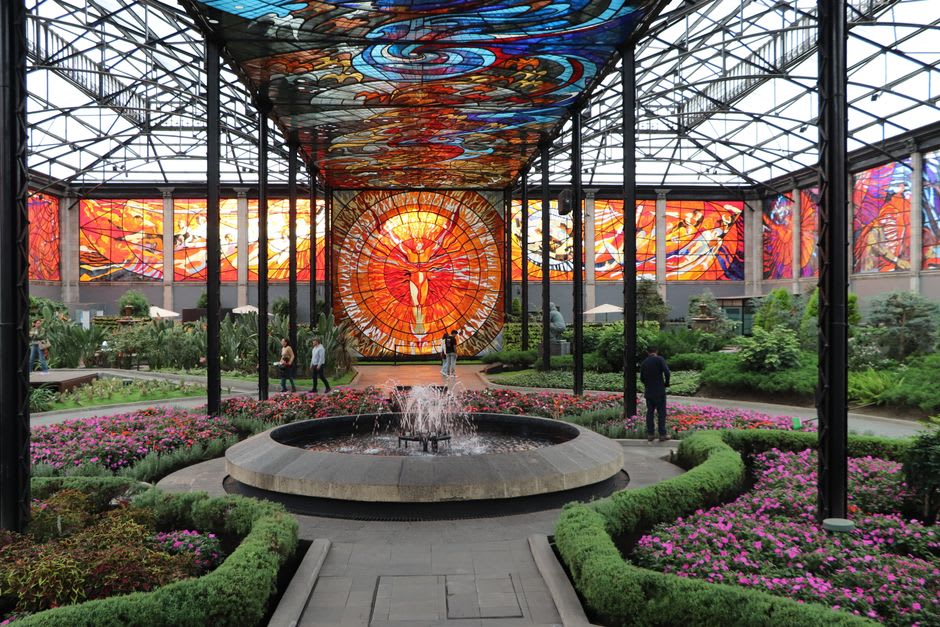
Toluca is the highest major city in Mexico — 2,680 meters on a plateau under the massive Nevado de Toluca volcano — and the state capital that Mexico City residents drive past without stopping, which is their loss. The Cosmovitral is a 1909 iron-and-glass market hall converted into a botanical garden wrapped in 3,000 square meters of Leopoldo Flores stained-glass panels, and it is one of the most remarkable interior spaces I have encountered in this country. The red chorizo of Toluca tastes nothing like chorizo anywhere else, and I spent an embarrassing portion of a single morning trying to understand why.

I had been to Toluca twice before and not stayed — it is the city you pass through when driving from Mexico City toward Morelia or the Pacific coast, an industrial state capital that does not market itself with the intensity of the colonial towns 90 minutes in any direction. The third time I arrived intending to spend two nights. The Cosmovitral was the reason.
The building was originally the Mercado 16 de Septiembre, a covered market built between 1909 and 1933 in a French-inspired iron-and-glass structure. Toluca in the early twentieth century was doing what Mexican cities of that era tended to do with their civic architecture: looking toward Paris. The market served the city’s commercial life for decades until it was closed, and in 1980 the artist Leopoldo Flores was commissioned to cover the entire interior — walls, ceiling, every pane of glass in the structure — with stained-glass panels of his design.
What the Light Does Inside
The panels cover 3,000 square meters. They depict a cosmological program — the sun, the earth, cosmic time, human life — in a visual language that is neither colonial religious iconography nor purely abstract, but somewhere between them. Large figures, dense symbolic imagery, colors that shift depending on the time of day and the position of the sun outside.
What no photograph captures is what happens to the interior. You enter from a bright Toluca street and the space reorganizes itself. The plants inside — there is a genuine botanical garden under the glass, palms and ferns and flowering tropical species incongruous with the altitude outside — are lit in colored light. Blue from one panel, amber from the next, a section near the south wall where the light in the early afternoon is so saturated with red that the air inside it seems a different substance.
I stood in that red section for a long time. I was nominally looking at the plants. I was watching the light move across the floor as the sun shifted incrementally outside. A school group came through with a teacher explaining the iconographic program to children who were visibly more interested in the floor and the colored shadows they were making with their hands. This seemed correct.
Chorizo Rojo and the Mercado
Toluca’s red chorizo is specific to the city and surrounding region, and it differs from Mexican chorizo of other areas in ways that are difficult to explain without eating them side by side. The color is brighter — almost orange-red — because of a higher proportion of certain dried chiles in the seasoning. The texture is slightly coarser. The flavor has a sweetness underneath the spice that other regional chorizos do not quite replicate.
I ate it on a Friday morning in the Mercado Juárez, which expands into the surrounding streets on market days into one of the larger tianguis in the region. The market on an ordinary day is already substantial — produce, dried chiles, herbs, stalls selling prepared food — and on market day the neighboring blocks fill with vendors selling clothing, hardware, plants, and everything else. It is not a picturesque artesanías market for tourists. It is a market where people buy things.
The comedor where I found the chorizo served it in a quesadilla alongside nopales with a slightly acidic dressing. The combination made sense in the way that combinations which have been serving people well for decades tend to make sense: without fanfare and without needing justification.
The Rest of Toluca
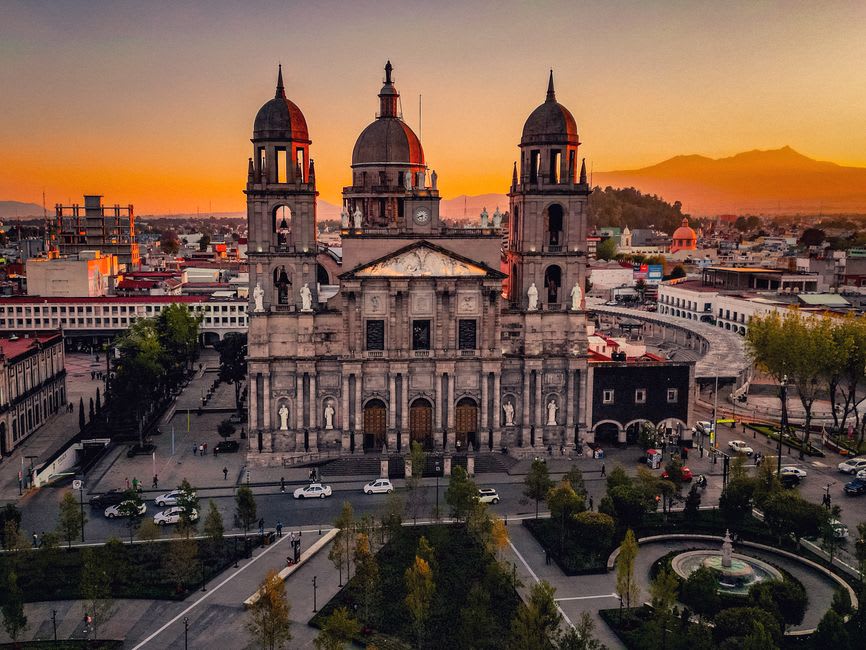
The historic center has a pleasant pedestrian corridor, a cathedral, and the Portal Madero — a covered arcade of government buildings running one side of the central square. The Museo de Bellas Artes in a former Carmelite convent has a collection of colonial religious art that rewards a patient hour.
The Nevado de Toluca, the extinct volcano whose crater holds two high-altitude lakes, is accessible as a day trip and is a separate story entirely. At 4,680 meters the crater sits above the treeline, the air is thin and cold even in summer, and the lakes inside are a color that has no name in the color vocabulary of lowland Mexico. It requires a vehicle and an early start and ideally some acclimatization.
Getting to Toluca from Mexico City is straightforward — direct bus from Observatorio or Poniente in about 70 minutes, or roughly an hour by car on the tolled highway. The altitude catches some people; if you have come from sea level the first day can feel effortful. This is an argument for arriving early and spending the afternoon sitting in colored light, which requires no physical exertion at all.
Keep exploring
More of Estado de México
Keep exploring
More from Estado de México
 mexico
 Metepec
A craftsmen's town immediately west of Toluca where multi-generational family workshops have been producing Árboles de la Vida — towering terracotta Tree of Life sculptures — since before the colonial period, in a living ceramic tradition that shows no signs of becoming a museum piece.
Explore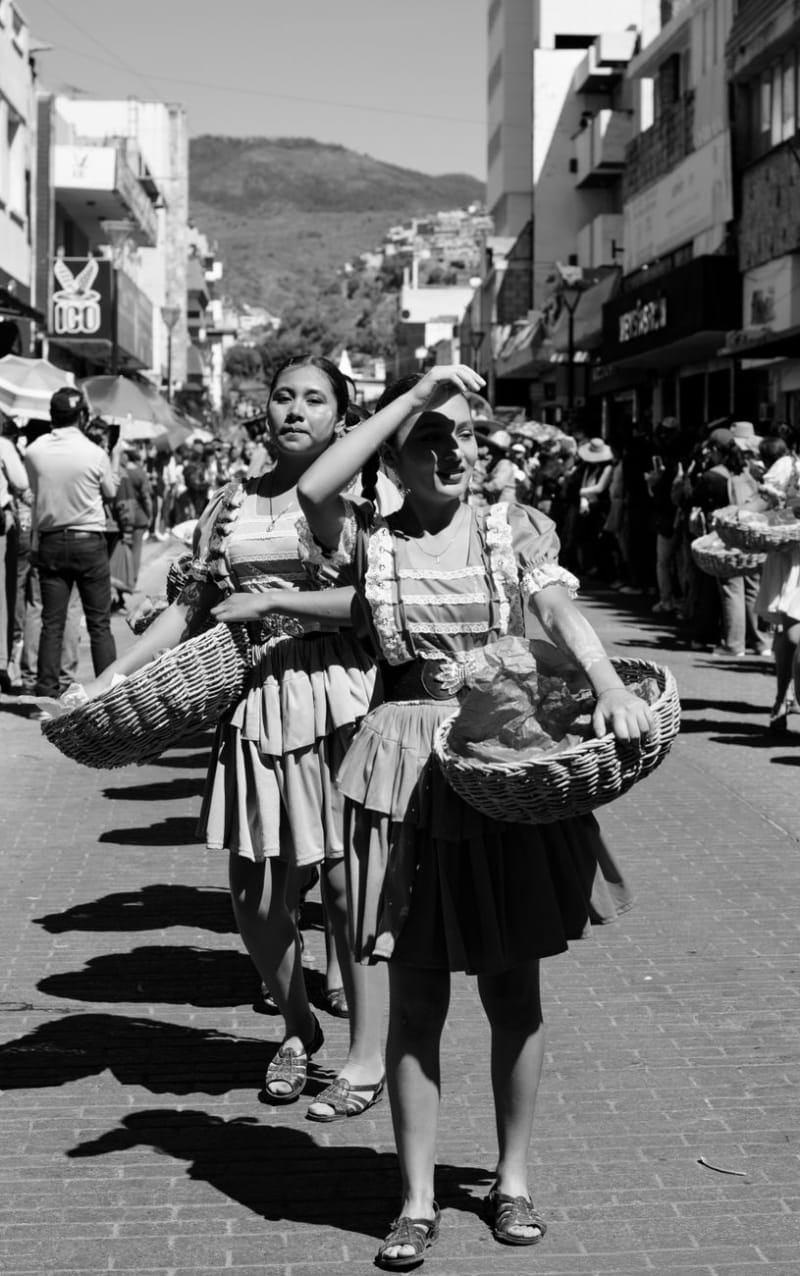 mexico
 Teotenango
Teotenango is a pre-Columbian city built by the Matlatzinca on a volcanic hilltop above the Toluca Valley — seven plazas, multiple pyramid platforms, a ballcourt, and views across the plateau to the Nevado de Toluca. It receives a fraction of the visitors of Teotihuacán, 60km northeast, which is a reason to come rather than a reason to doubt it. On a weekday morning at 2,600 meters, with the clean cold air of the plateau and almost no one else there, it was the best two hours I spent in the Estado de México.
Explore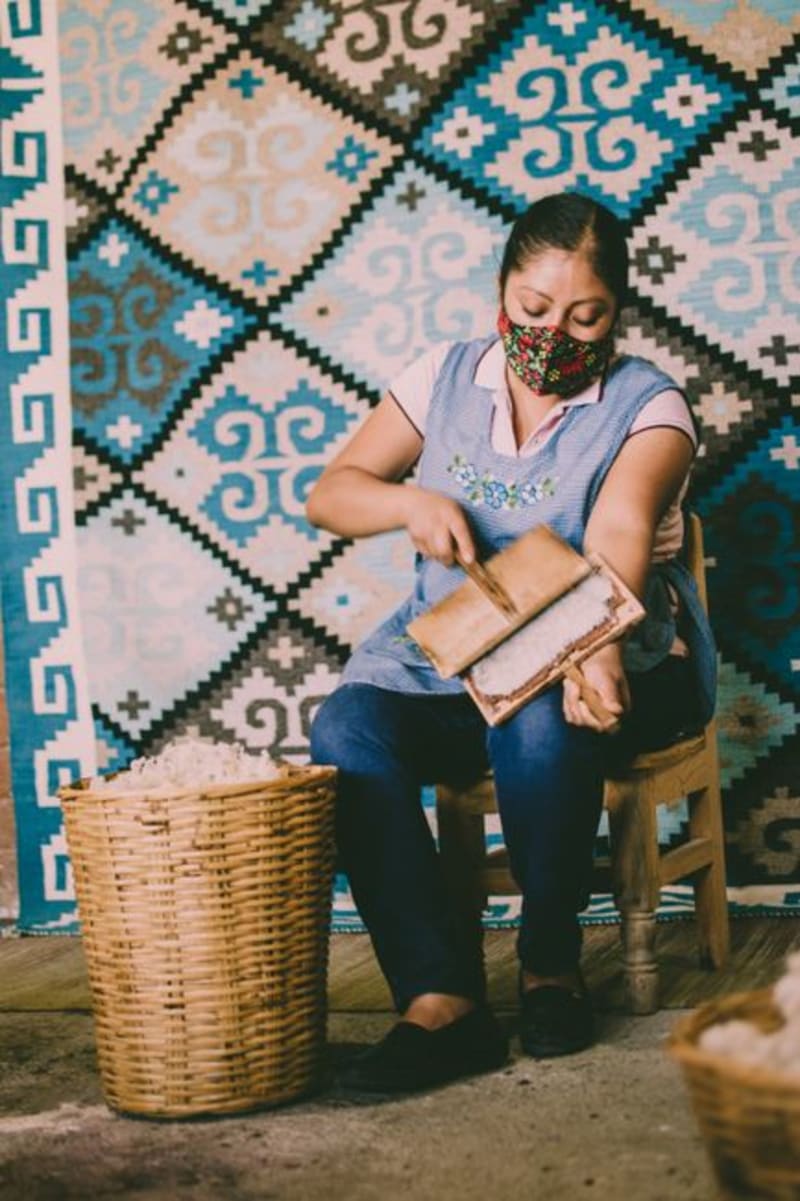 mexico
 Almoloya de Juarez
Almoloya de Juarez is Mazahua country at its most intact — highland meadows at 2,600 meters where the indigenous language still carries across the weekly market and naturally-dyed wool textiles tell a story the Spanish alphabet never quite captured. The sprawl of greater Toluca has not reached here yet, and the unhurried quality of the place feels less like a gap in development than a deliberate refusal.
Explore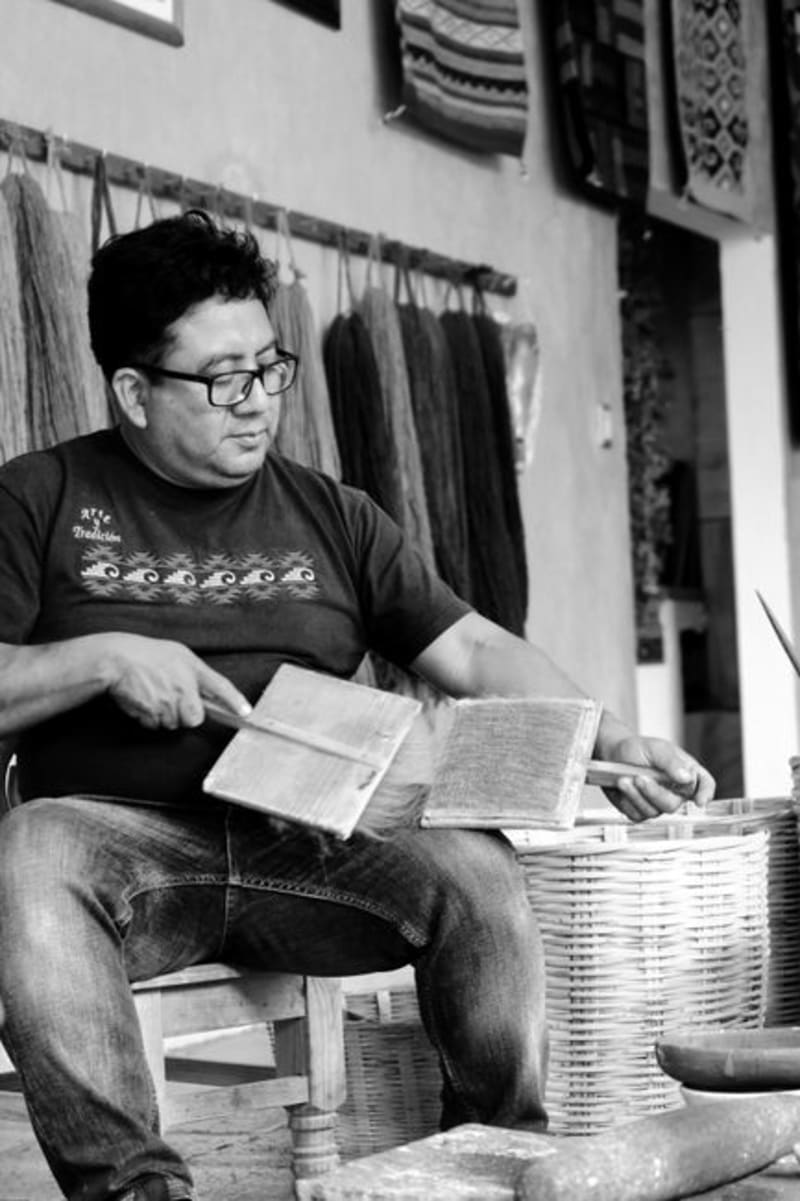 mexico
 Temoaya
A Mazahua and Otomi weaving town in the pine-covered hills north of Toluca, home to the surrealist Centro Ceremonial Otomi and some of the richest wool tapestry traditions in central Mexico. The women here still work backstrap and floor looms, producing textiles that carry centuries of symbolic language in every knot.
Explore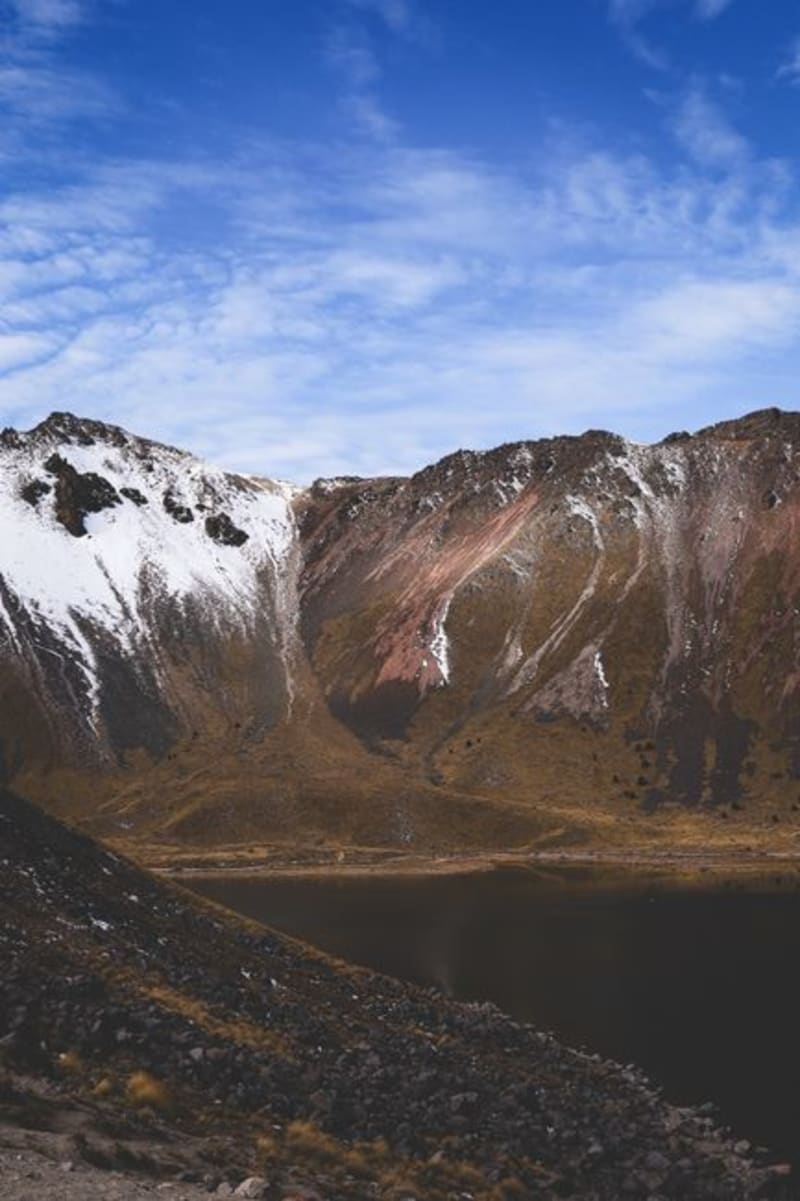 mexico
 Nevado de Toluca
A dormant volcano two hours from Mexico City where the trail drops into the collapsed caldera and finds two cold lakes — Lago del Sol and Lago de la Luna — sitting at 4,580 metres inside bare grey volcanic rock. The air bites. The water is an improbable turquoise-green, and people actually swim.
Explore mexico
 Villa Victoria
A cold Mazahua highland municipality west of Toluca, where a great reservoir that helps supply Mexico City sits among pine forests and high-altitude farmland. Misty mornings, a modest town, and an indigenous identity that has held on through the mountain cold.
Explore