Jocotitlan
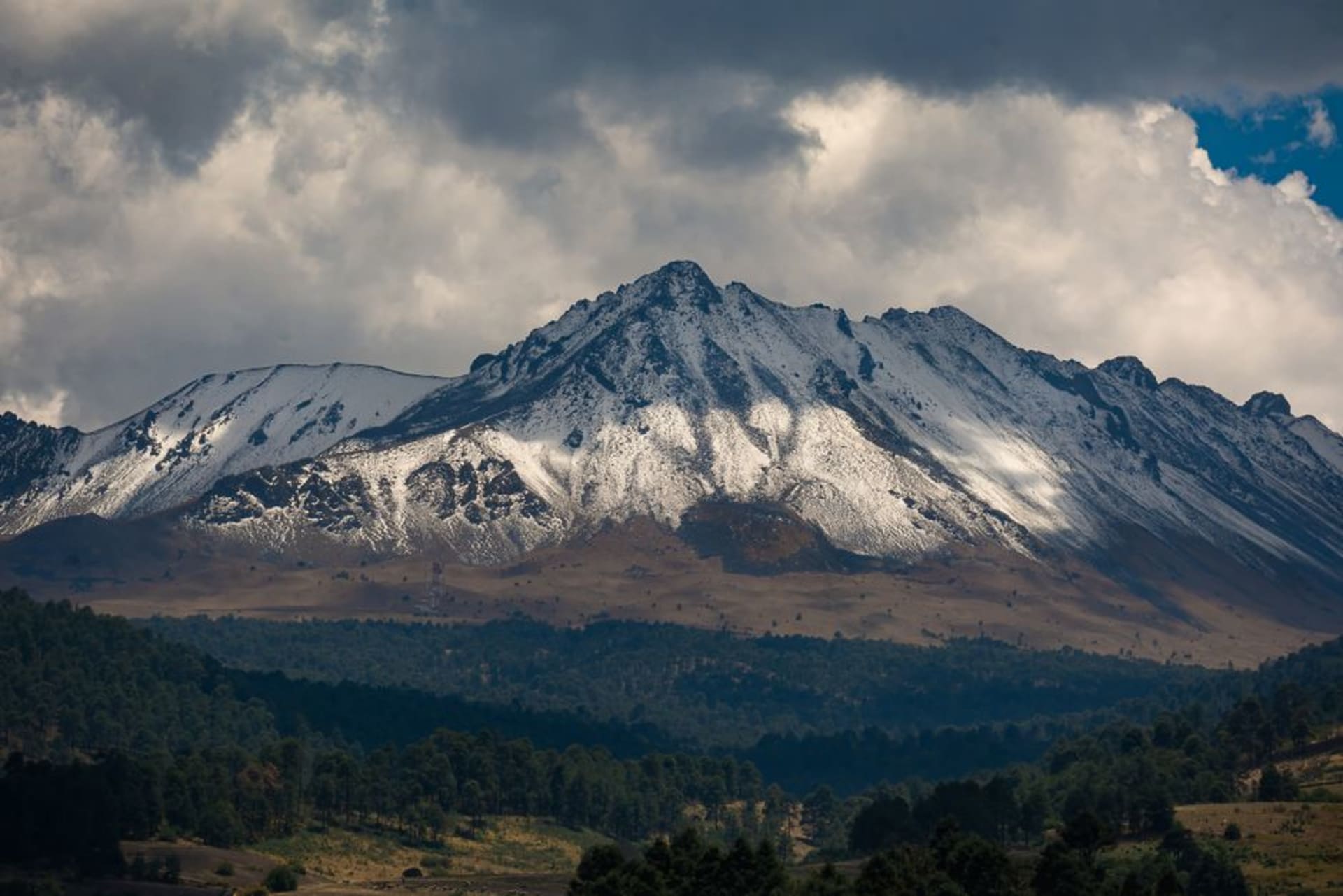
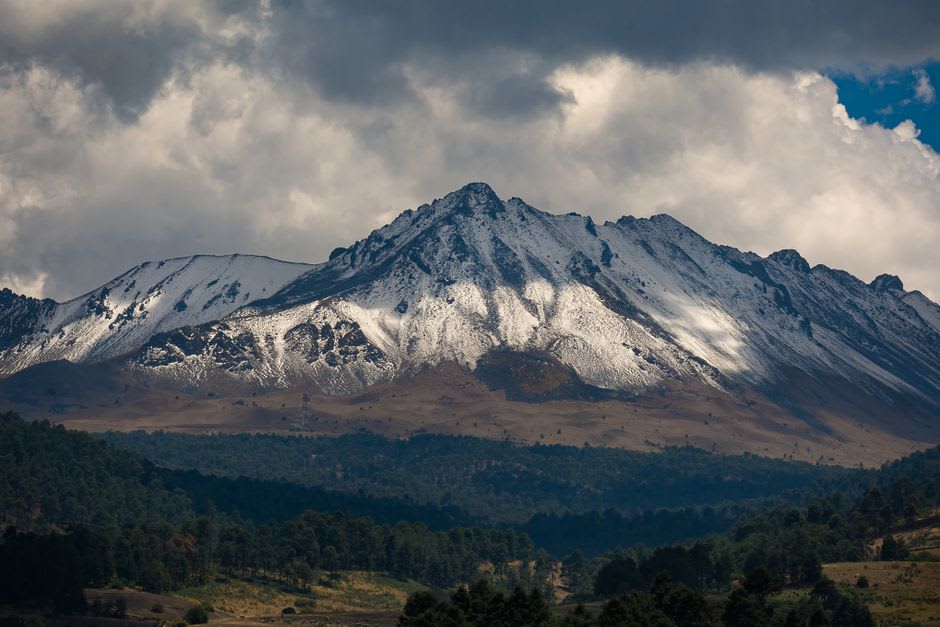
"I climbed about halfway up the volcano before a mist rolled in and made the whole enterprise feel appropriately mysterious — Jocotitlan keeps its summit private most days."
Jocotitlan is a quiet Mazahua town in Estado de México, defined by the dormant volcano that rises directly above it — intimate and climbable in a way that Popocatépetl never quite is. Market day fills the plaza with embroidered blouses and woven baskets that most visitors to the region will never see.

I came to Jocotitlan on a Tuesday, which was either the best or worst day depending on what I wanted. The market was not happening — that’s Thursday — so the town was unhurried in a way that suited me fine. What struck me first was the volcano. Not because it announced itself loudly, but because it was simply there, directly above the street I was walking on, rising at an angle that felt more personal than monumental. Not Popocatépetl’s distant theatre. Something quieter, more local — a volcano that belongs specifically to this valley.
The Climb, and What the Mist Decides
The ascent of the Volcán de Jocotitlan starts from the edge of town along a dirt path that moves quickly through pine forest before opening onto scrubland and exposed rock. I was moving well by nine in the morning, cool air, good visibility. Around the halfway point — somewhere past 3,000 meters — the cloud that had been sitting innocuously to the west decided to relocate, and within twenty minutes I was climbing inside it. The path remained findable but the summit was not. I sat on a rock and ate the torta I had bought at a small comedor on Calle Hidalgo, filled with quelites and requesón, and decided this was a reasonable place to turn around. The volcano has a way of making that decision feel earned rather than defeated. Locals I spoke with afterward said the summit clears best in October and November, early morning, before ten.
Market Thursday and the Mazahua Weavers
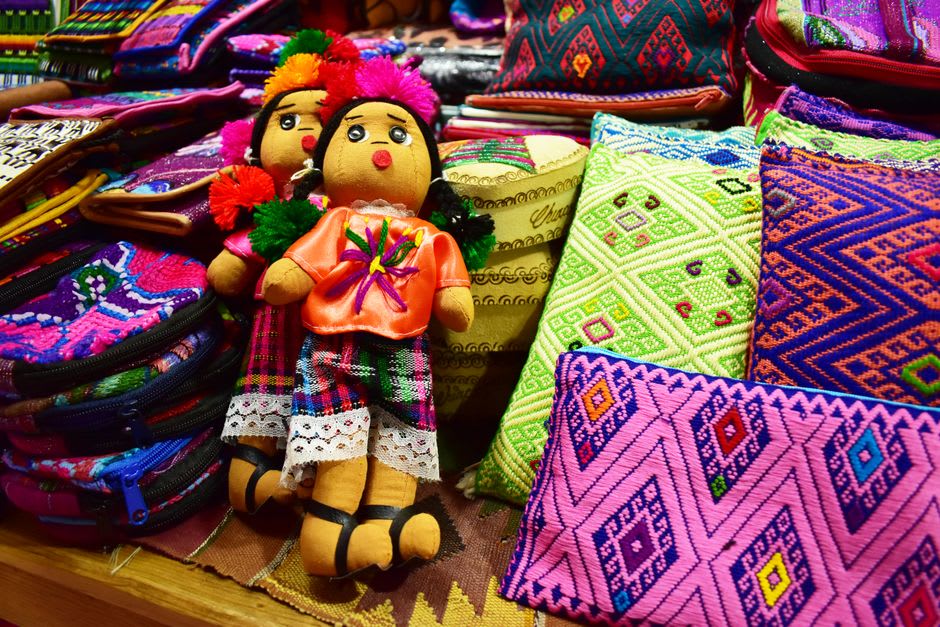
The Thursday tianguis is the reason to time a visit deliberately. Mazahua women set up along the north side of the Jardín Municipal and on the side streets off 16 de Septiembre, selling embroidered blouses — the kind with geometric hand-stitching in red and dark blue on white cotton — alongside woven palm baskets and small woolen bags. Prices are honest and nobody is performing. I watched one woman finish a border stitch on a cloth she then folded and placed under her stall without showing it to anyone. I asked if it was for sale; she said not yet. I appreciated the precision of that. The food section of the market runs deeper into the block, where you can find atole de guayaba in styrofoam cups and tamales wrapped in banana leaf rather than corn husk — a Mazahua variation I had not encountered elsewhere in the state.
The Town Between Days
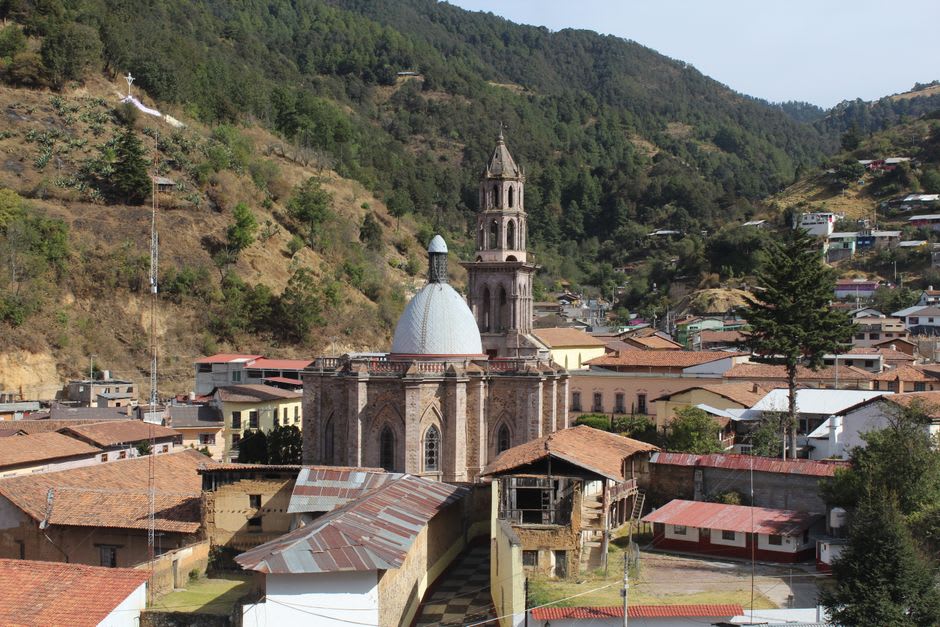
Outside of market Thursday and the volcano, Jocotitlan is simply a town that goes about its business. The parish church on the main plaza dates from the colonial period and sits with a certain stolid confidence. There is a small museo comunitario near the presidencia that documents Mazahua history and textile traditions — it keeps irregular hours but was open when I arrived around eleven on a Wednesday. Worth thirty minutes if you find it unlocked.
Getting There
From Toluca, take a second-class bus from the Terminal Toluca toward Atlacomulco — the journey runs about an hour and fifteen minutes. Buses drop passengers in the center of Jocotitlan. From Mexico City’s Terminal Poniente, direct services to Atlacomulco also pass through. A car makes the volcano approach easier but is not essential.
Keep exploring
More of Estado de México
Keep exploring
More from Estado de México
 mexico
 Ixtlahuaca
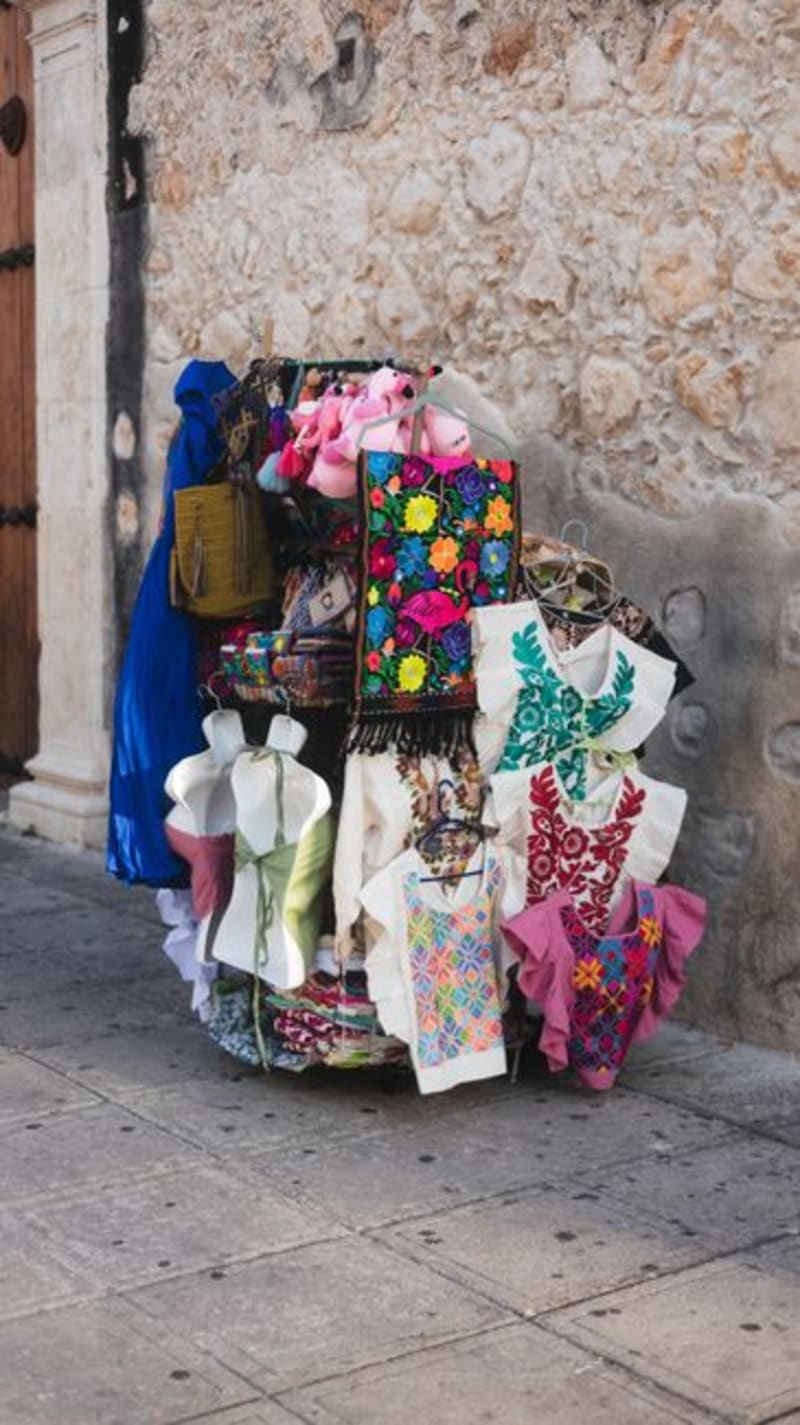
Ixtlahuaca comes alive on Sundays when Mazahua and Otomi communities descend on the town for a tianguis that sprawls through every street around the colonial church. It is one of the most honest market experiences left in central Mexico — livestock, hand-embroidered textiles, medicinal herbs, and food that exists nowhere else.
Explore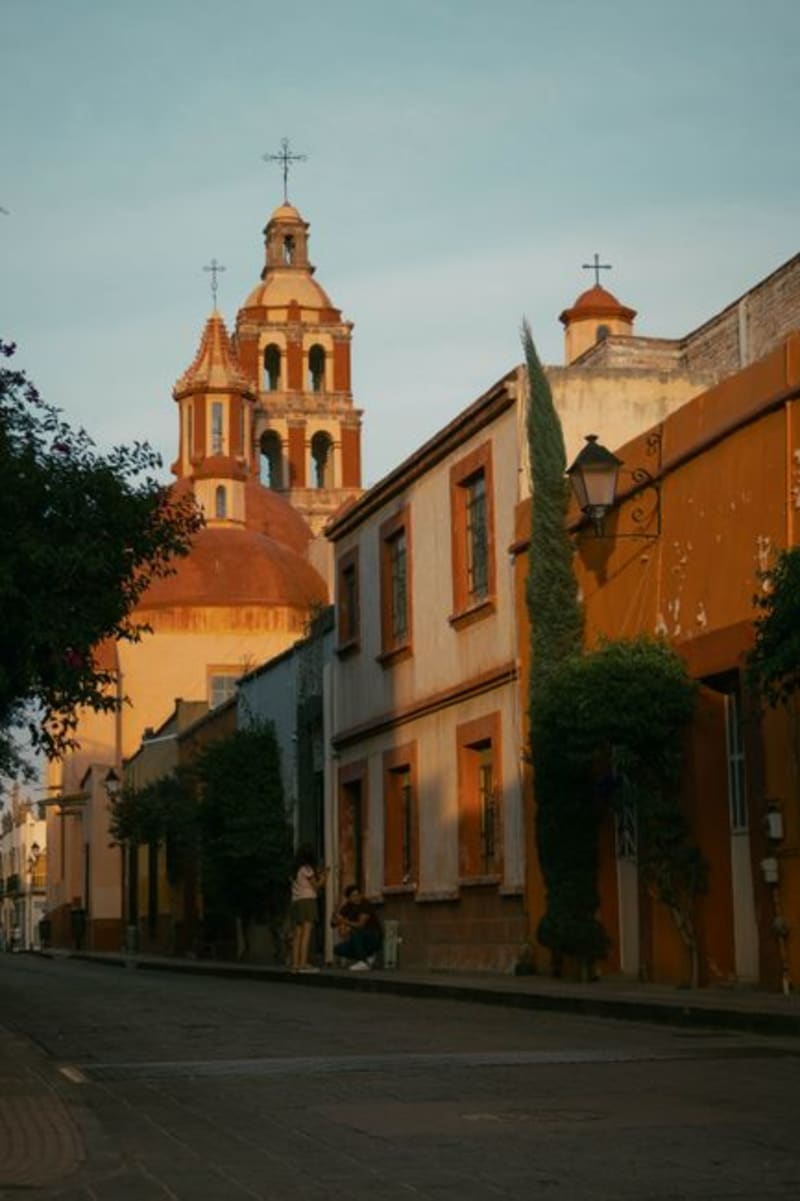 mexico
 Chapa de Mota
A forested highland town north of Toluca where the air turns cool and damp and smells of pine resin. Otomí country of springs and waterfalls and mist that sits in the treetops past noon. A green escape almost nobody makes, an hour from the city and a world away from it.
Explore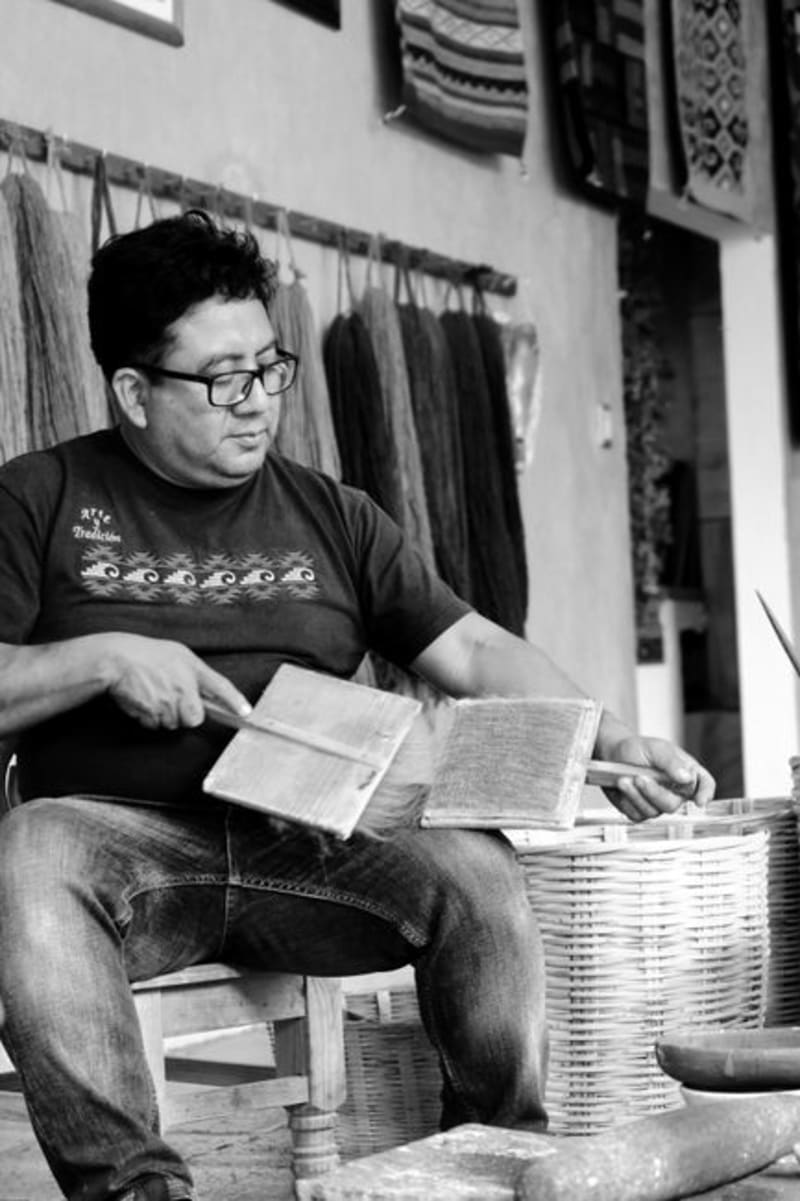 mexico
 Temoaya
A Mazahua and Otomi weaving town in the pine-covered hills north of Toluca, home to the surrealist Centro Ceremonial Otomi and some of the richest wool tapestry traditions in central Mexico. The women here still work backstrap and floor looms, producing textiles that carry centuries of symbolic language in every knot.
Explore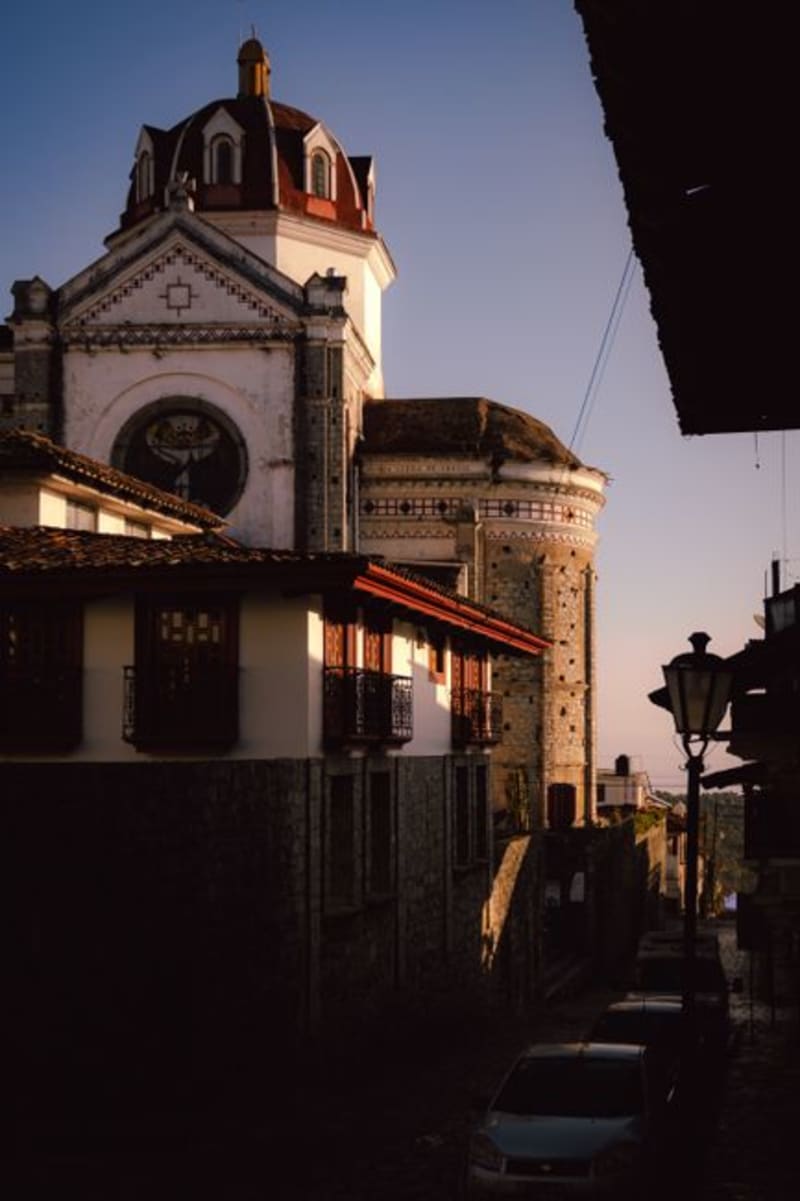 mexico
 Villa del Carbón
An hour north of Mexico City in the pine-forested mountains of Estado de México, Villa del Carbón operates at a pace that feels almost remedial after the capital. The Pueblo Mágico draws weekenders for its renowned cheese and chorizo market, its sixteenth-century Augustinian monastery, and the straightforward luxury of breathing cold air in forests that smell of pine resin and wet earth.
Explore mexico
 El Oro
A former gold and silver mining town at 2,700 meters in the Estado de México highlands, where a magnificent 1909 Art Nouveau theatre sits stranded in a nearly empty mountain town — one of the most architecturally improbable buildings in Mexico.
Explore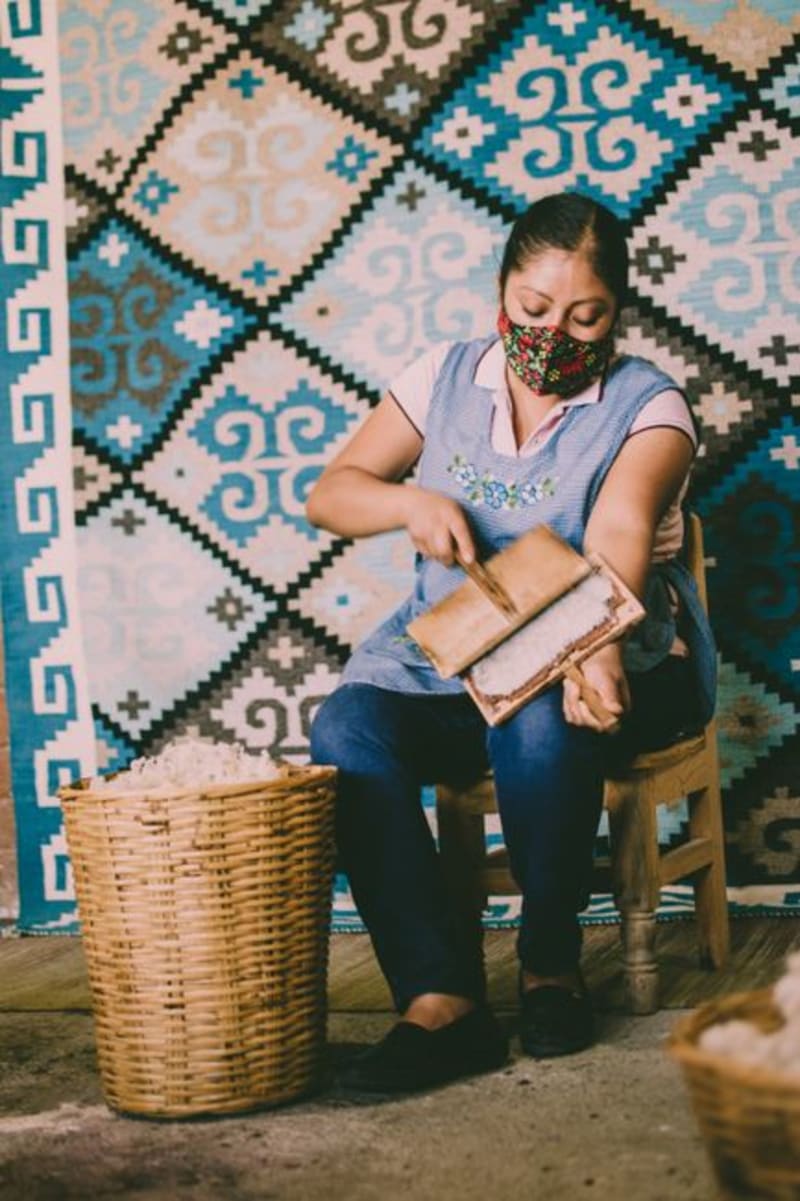 mexico
 Almoloya de Juarez
Almoloya de Juarez is Mazahua country at its most intact — highland meadows at 2,600 meters where the indigenous language still carries across the weekly market and naturally-dyed wool textiles tell a story the Spanish alphabet never quite captured. The sprawl of greater Toluca has not reached here yet, and the unhurried quality of the place feels less like a gap in development than a deliberate refusal.
Explore