Africa
Kenya
"The only place where I stopped photographing and just sat there watching."
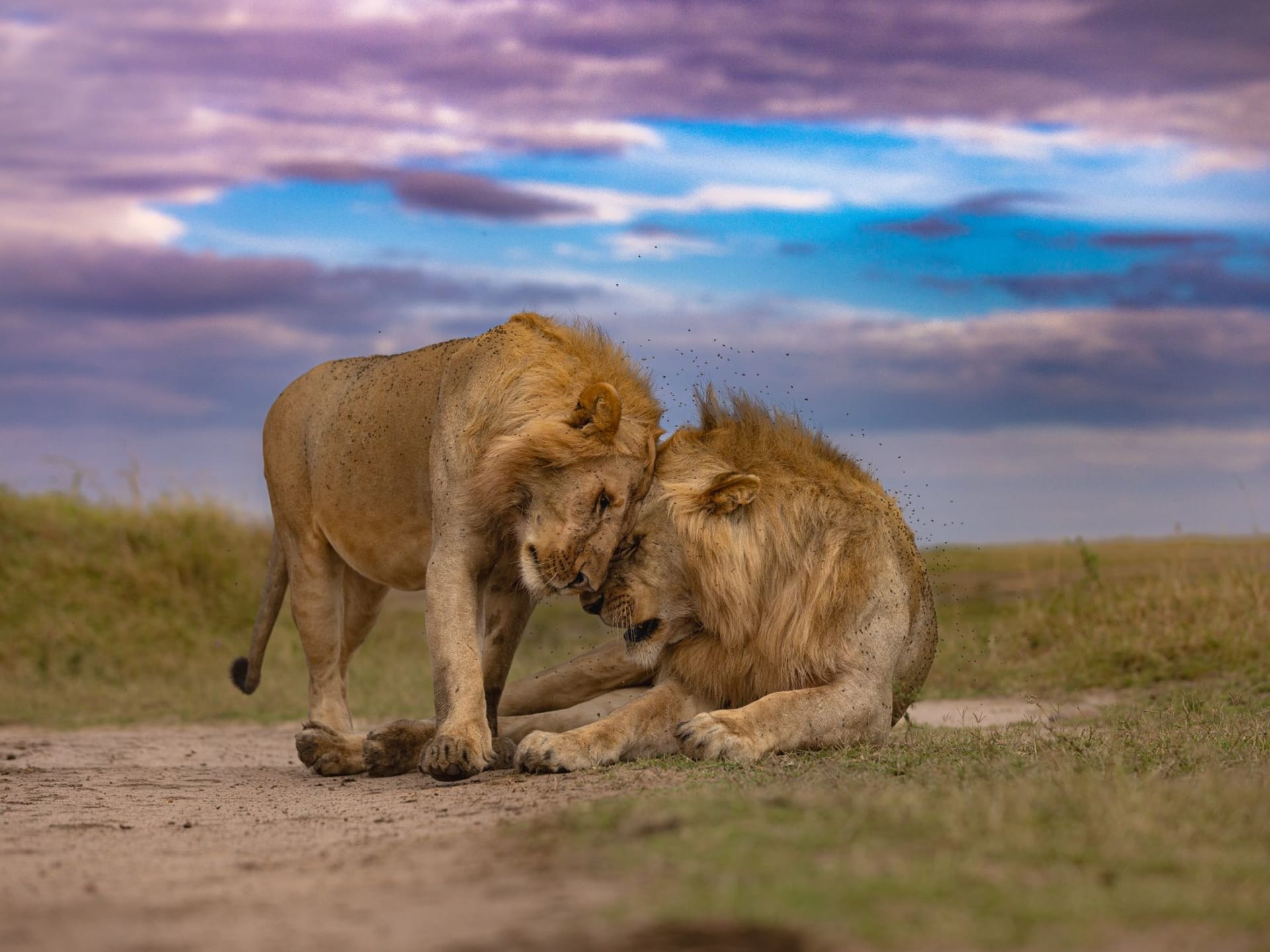
Where the Maasai Mara's predator theatre plays out under skies so enormous they make everything you thought you knew about scale feel provisional.
I landed in Nairobi at midnight and was on a dirt track in the Mara by five the following afternoon. The guide, a Maasai man named Joseph who had been reading this particular patch of grass since childhood, stopped the vehicle without a word, cut the engine, and pointed. Fifty meters away, a cheetah was teaching her two cubs how to stalk a Thomson’s gazelle. We watched for forty minutes. Nobody spoke. The gazelle eventually wandered off, oblivious. The cubs looked confused. The mother looked tired in a way that felt entirely relatable. That’s Kenya — not the postcard image of effortless wilderness, but the real, grinding, extraordinary business of animals trying to stay alive.
The Maasai Mara is the obvious starting point, and despite what the crowds might suggest during the July to October peak, it earns every superlative. The great migration crossing — wildebeest launching themselves into the Mara River where crocodiles wait with geological patience — is one of those natural spectacles that genuinely cannot be overstated. But Kenya beyond the Mara is where it gets interesting. Amboseli gives you elephants against the backdrop of Kilimanjaro on the Tanzanian border, the mountain appearing and disappearing in cloud depending on its mood. Samburu in the north is drier, stranger, less visited — here you find the grevy’s zebra with its dinner-plate ears, the reticulated giraffe, the gerenuk standing on its hind legs to reach acacia branches. The wildlife in Samburu acts as if the twentieth century hasn’t reached it yet, which feels like both a tragedy and a gift.
Nairobi itself is underrated. Most people treat it as a transit city, which is their loss. The food scene around Westlands and Karen has quietly become one of East Africa’s most interesting — proper nyama choma grilled over open coals, pilau rice that carries the influence of centuries of Indian Ocean trade, Ethiopian restaurants where the injera is made fresh that morning. Spend two nights, eat badly at the tourist spots, then ask your hotel where the locals actually go. That’s where Kenya begins.
When to go: July to October for the wildebeest migration crossing in the Maasai Mara — peak season, higher prices, worth it. January to February offers drier weather with far fewer tourists and very good predator activity (animals concentrate around water). March to June is the long rains — some camps close, roads get rough, but prices drop significantly and the light is extraordinary for photography.
What most guides get wrong: They sell Kenya as a single experience — the migration, the Big Five, tick the boxes. The country is actually a collection of radically different ecosystems and cultures within a few hours’ drive of each other. The coast around Lamu and Watamu is Swahili Africa, ancient and unhurried, with mangrove channels and reef fish and Arabic-influenced architecture that has nothing to do with safari. The Rift Valley lakes — Nakuru, Bogoria, Elementaita — hold flamingos by the hundred thousand and are almost entirely overlooked. Kenya rewards the traveler who treats it as a country rather than a theme park.
Explore
Places in Kenya
 kenya
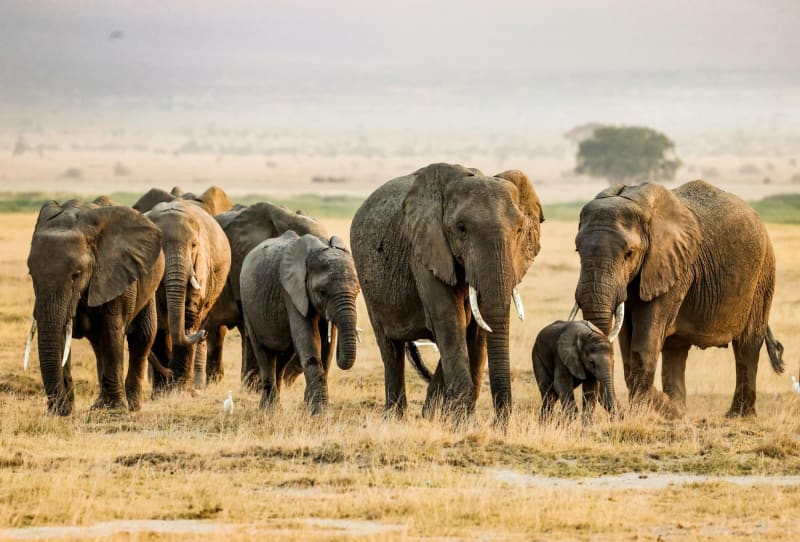
kenya Amboseli
Elephants parade before Kilimanjaro's snow-capped peak in Kenya's most cinematic national park.
Explore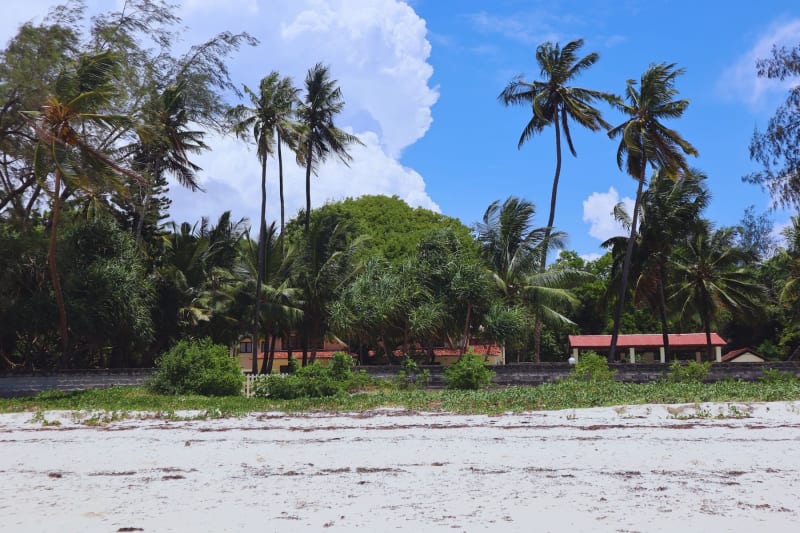 kenya
kenya Diani Beach
Powder-white sand, Indian Ocean reefs, and colobus monkeys swinging through coastal forest canopy.
Explore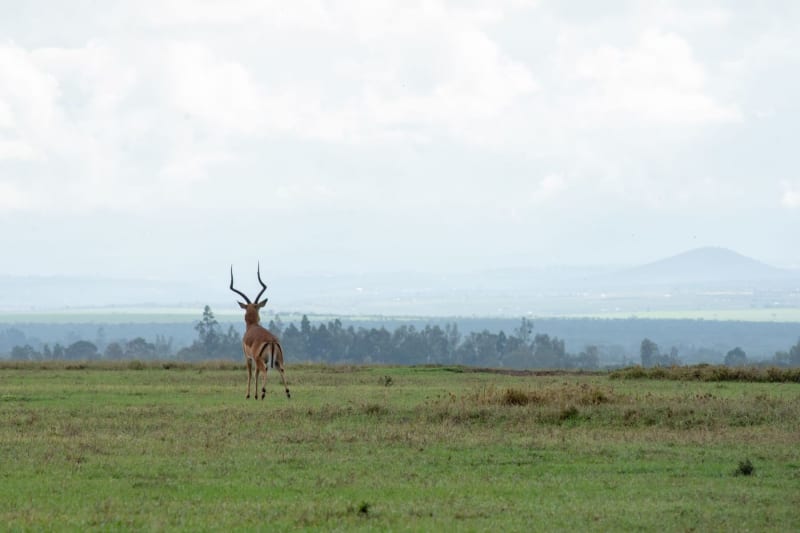 kenya
kenya Laikipia Plateau
A community conservancy plateau north of Mount Kenya where black rhinos roam private ranches alongside Maasai cattle.
Explore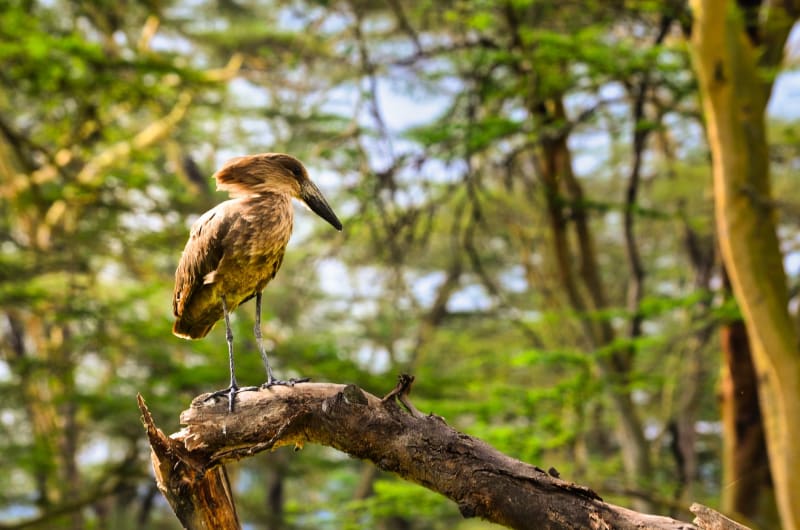 kenya
kenya Lake Nakuru
A soda lake in the Rift Valley that turns pink with flamingos and holds some of Africa's last healthy rhino populations within a single fenced sanctuary.
Explore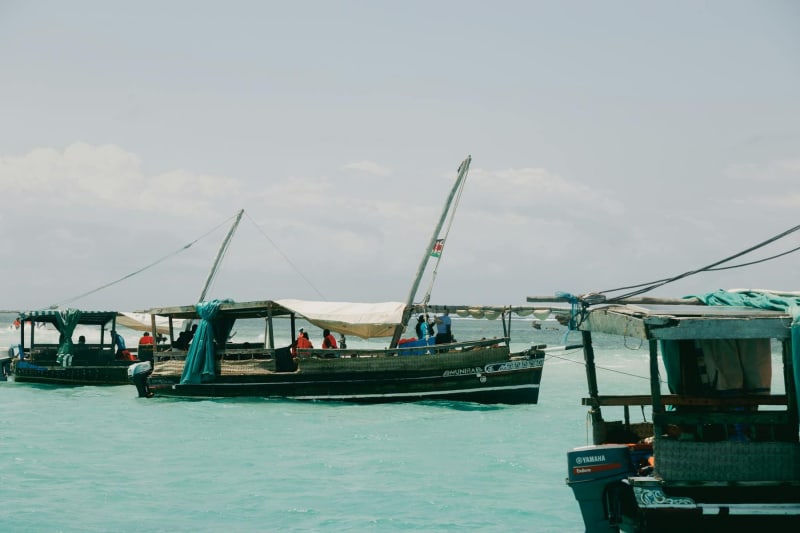 kenya
kenya Lamu Old Town
East Africa's oldest Swahili settlement on an island accessible only by boat, where donkeys outnumber cars by a thousand to none.
Explore kenya
kenya Lamu Island
East Africa's oldest living town — no cars, only donkeys, dhows, and a Swahili culture unchanged by centuries.
Explore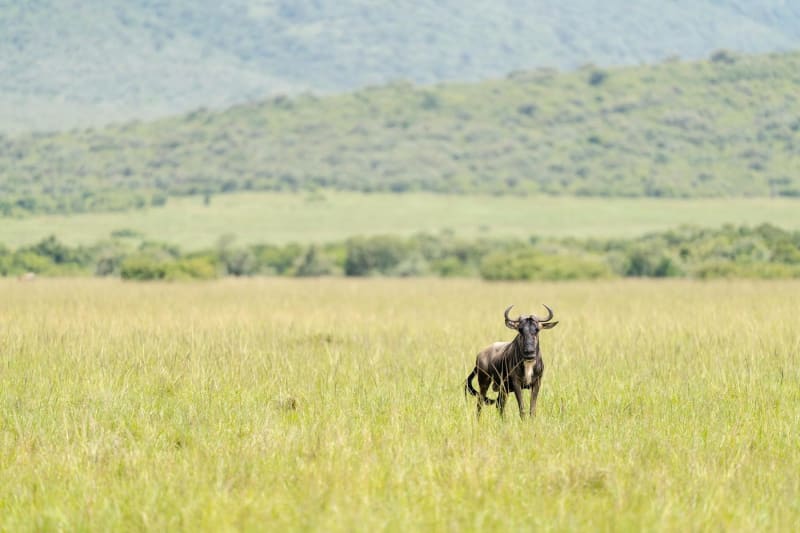 kenya
kenya Masai Mara
Kenya's most iconic game reserve — endless golden plains, the Big Five, and the world's greatest wildlife show.
Explore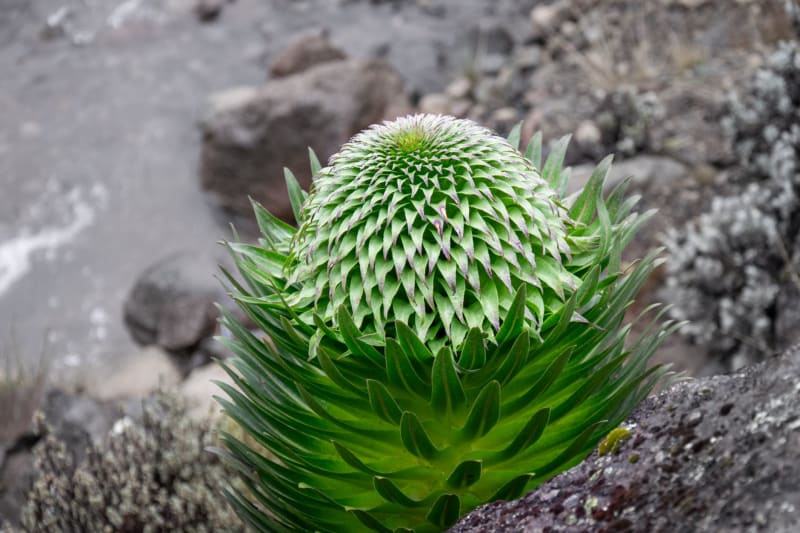 kenya
kenya Mount Kenya
Africa's second-highest mountain, an equatorial volcano of glaciers, giant lobelias, and a trekking summit that asks more of you than it lets on.
Explore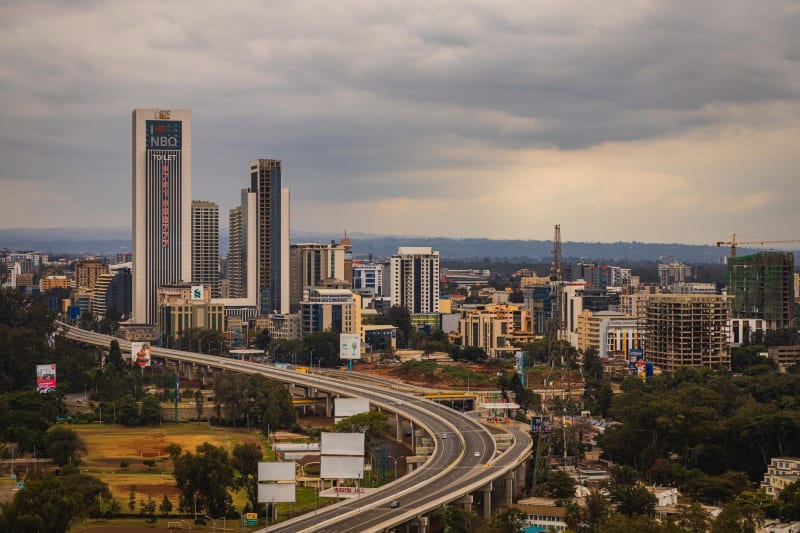 kenya
kenya Nairobi
Africa's most electric capital — where giraffes peer over national park fences at the CBD at rush hour.
Explore kenya
kenya Samburu
A harsher, drier north where the animals wear stranger names and the Ewaso Ng'iro river keeps everything alive against the odds.
Explore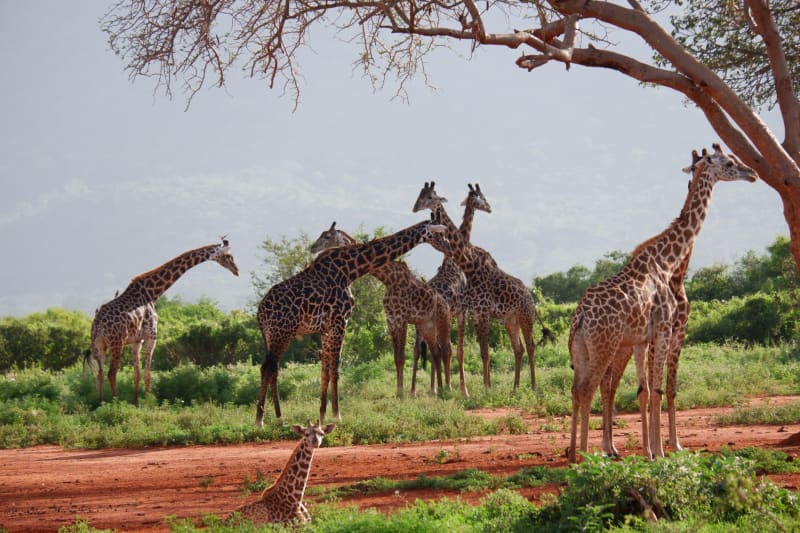 kenya
kenya Tsavo
Kenya's largest and least-groomed national park, where red-dusted elephants move through commiphora scrubland and the silence is big enough to feel like a physical thing.
Explore