Kenya's most iconic game reserve — endless golden plains, the Big Five, and the world's greatest wildlife show.
There is a specific quality of light in the Mara that I had not anticipated. Not the dramatic amber of safari brochures — something quieter than that. At six in the morning, crossing the Talek Gate into the reserve, the grass was still silver with dew and the acacia trees threw long horizontal shadows across the track. I had expected spectacle. What hit me first was silence.
The Plains Don’t End, They Accelerate
The Masai Mara is part of a continuous ecosystem that bleeds south into Tanzania’s Serengeti — no fence, no border, just the same endless sea of red oat grass following the same ancient logic. Driving west toward the Mara River on the first day, Lia pressed her face to the window and said nothing for forty minutes. That felt like the right response.
The density of wildlife here is genuinely disorienting. A tower of giraffes moves through the tree line near Musiara Marsh. A hyena trots alongside the track with something in its mouth, indifferent to the vehicle entirely. By the third game drive I stopped reaching for my phone every thirty seconds — not from boredom, but from something closer to reverence. You learn to sit inside the landscape instead of documenting it from a distance.
The River Crossing No One Warns You About
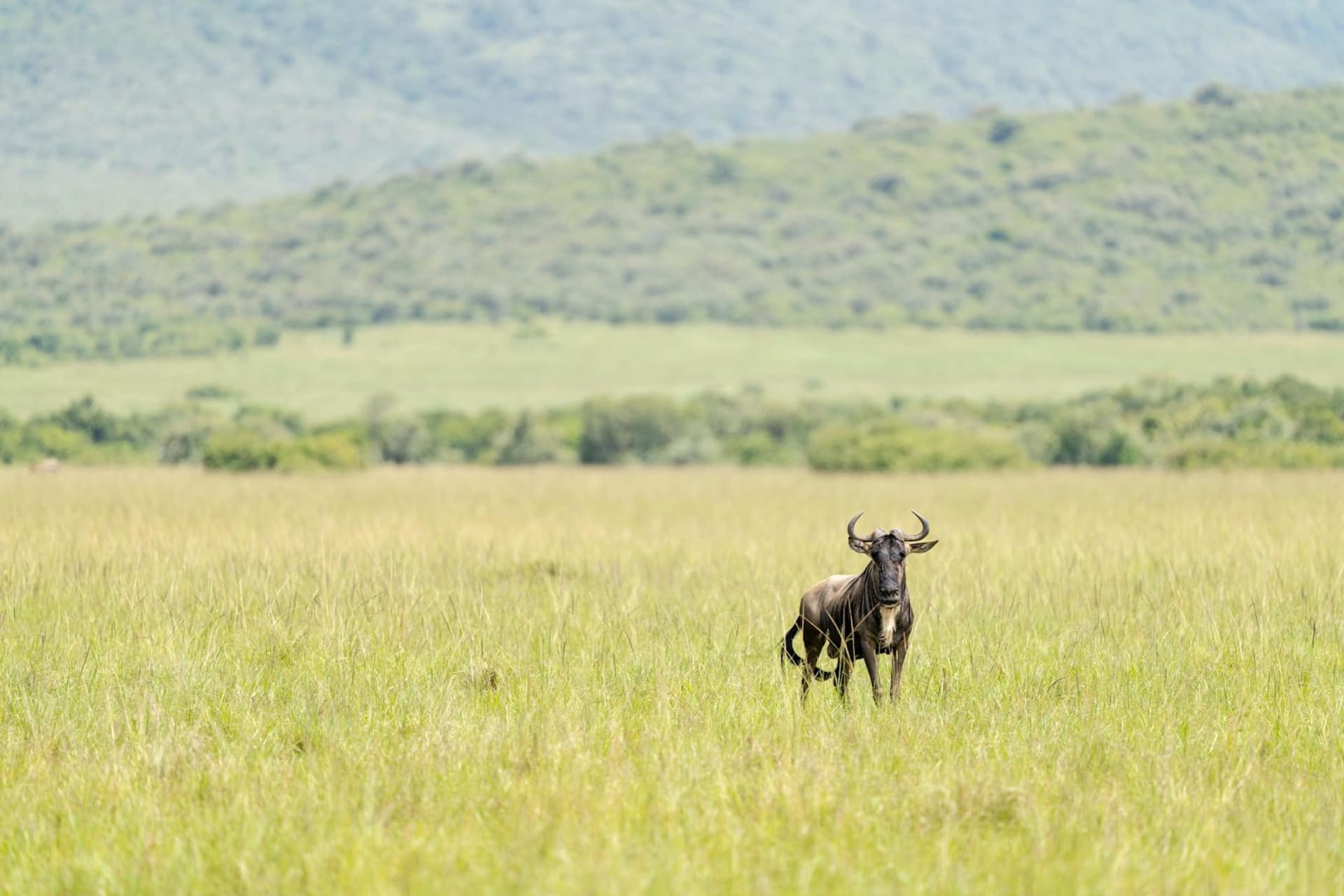
I had read about the Great Migration. I thought I understood it. What I had not grasped was the waiting — hours on the bank of the Mara River, engines off, watching a column of wildebeest build at the edge, the whole herd pressing forward and then retreating, pressing and retreating, driven by some collective calculation of crocodile versus current. When they finally broke and ran, the sound was extraordinary: hooves on mud, bodies hitting water, the low grunting that passed through fifty thousand animals at once like a current. The crossing lasted maybe twelve minutes. I felt altered afterward in a way I couldn’t immediately explain.
The unexpected thing: the smell. No one mentions the smell of the Mara River during migration season — iron and mud and something organic and ancient that I will associate with that moment for the rest of my life.
Camp, Sundowners, and the Stars
The camps along the Ol Kiombo and Sekenani areas sit outside the reserve’s official boundaries, and at night the bush presses right up to the canvas walls. You hear things. Hyenas, mostly — that descending whoop that sounds like laughter pitched wrong. Once, something heavier moved through camp around two in the morning and no one investigated.
Sundowners in the Mara mean a folding table somewhere improbable, a drink in hand while a giraffe moves through the middle distance. It is as good as it sounds.
When to go: July through October for the Great Migration and river crossings; the short dry season from January to February offers thinner crowds and excellent predator activity on the plains.