Asia
Indonesia
"The archipelago that taught me to stop planning and start following."
Indonesia is not a country you visit. It is a country you begin. Seventeen thousand islands stretching across five thousand kilometers of ocean, home to more than three hundred ethnic groups, each with its own language, cuisine, textile tradition, and relationship to the sacred. You could spend a lifetime here and still meet someone from an island you have never heard of who describes a landscape that sounds like it belongs in a different century.
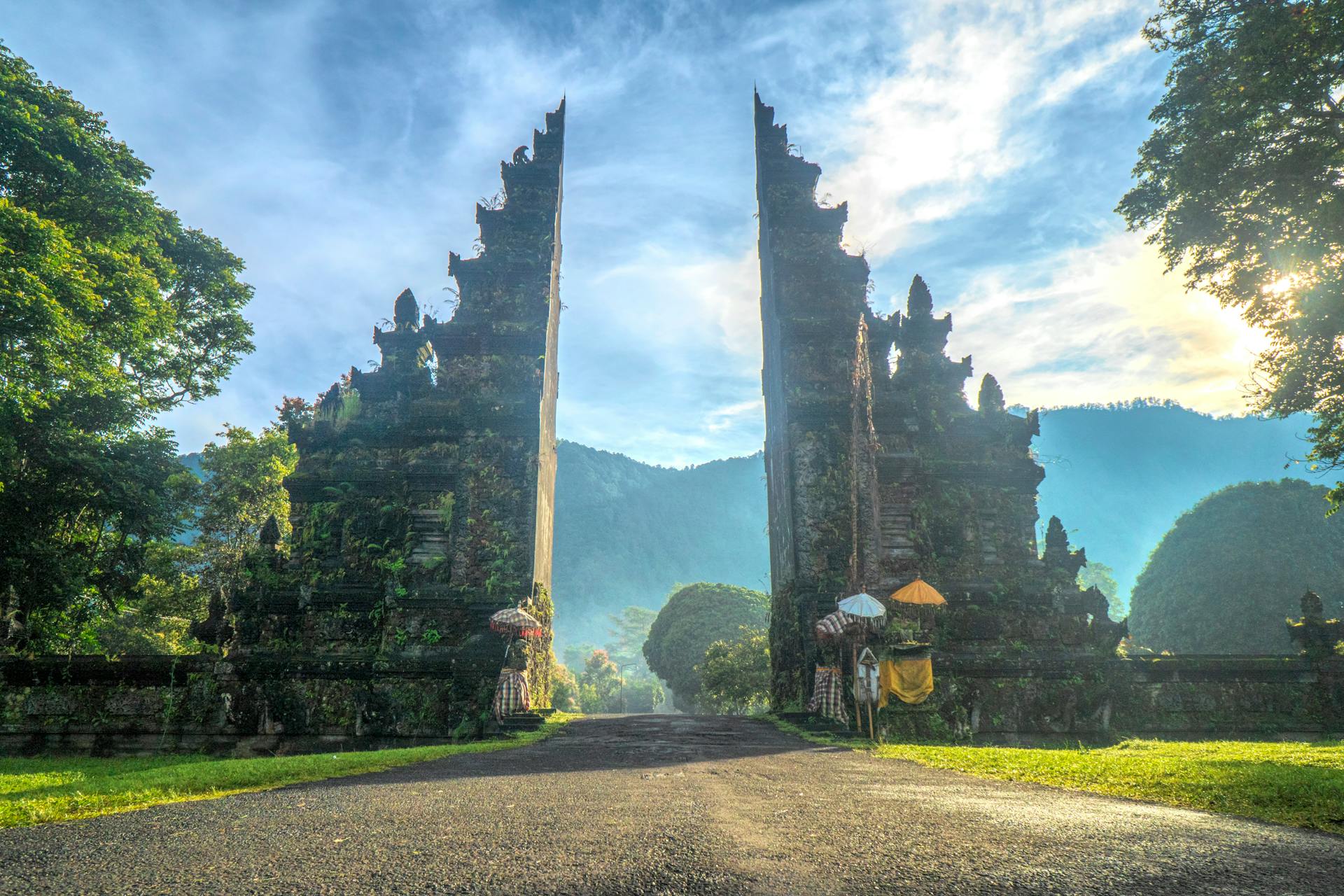
Most travelers start — and many end — with Bali. This is understandable. Bali is one of the most aesthetically perfect places on earth, a Hindu island in a Muslim archipelago where every compound has a temple, every rice field has an offering, and the line between the spiritual and the quotidian is so thin it may not exist. But the Bali that lives in the Instagram feed — Seminyak beach clubs, Ubud smoothie bowls — is a shadow of the real thing. The real Bali is in the villages of the east coast, the ceremonies at Besakih when the mist rolls in, the silent morning at a water temple in Tirta Empul before the tour buses arrive.
Beyond Bali, the country opens into something immense. Java has Yogyakarta, the cultural heart of the archipelago, where Borobudur at dawn is one of the great archaeological experiences on the planet and the court traditions of the sultan’s palace continue as they have for centuries. Komodo and Flores offer landscapes so otherworldly they feel computer-generated — volcanic lakes in three colors, pink-sand beaches, and yes, the dragons. Sulawesi’s Tana Toraja is a place where funerals are celebrations lasting days and the dead are kept in the family home until the ceremony can be afforded. Raja Ampat, at the eastern edge of the archipelago, has the highest marine biodiversity on earth — more species of coral and fish in a single dive site than in the entire Caribbean.
When to go: April to October is dry season across most of the archipelago. July and August are peak but still manageable outside Bali. For Raja Ampat, October to April offers the calmest seas and best visibility.
What most guides get wrong: They treat Indonesia as Bali plus an optional volcano hike. The country is effectively a continent. Internal flights are cheap and plentiful. Give yourself at least three weeks and at least two islands beyond Bali. The reward for pushing past the obvious is disproportionately large.
Explore
Places in Indonesia
Flores Bajawa
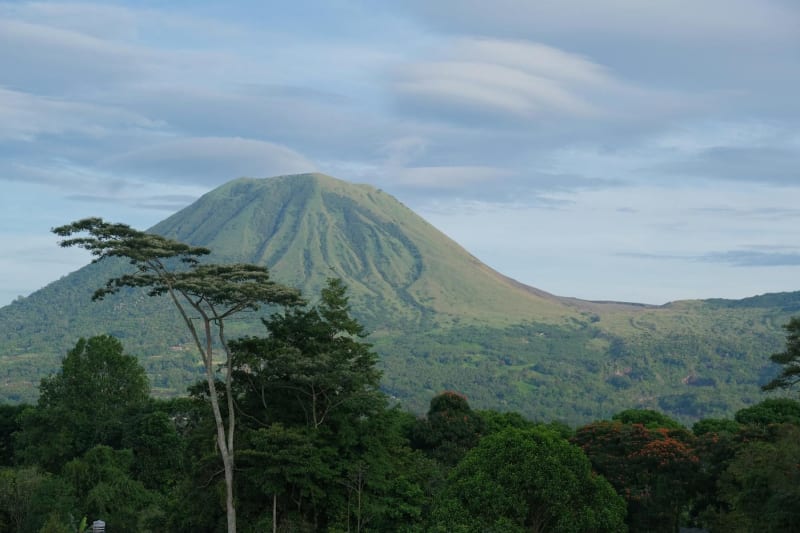
A cool highland town on Flores with traditional Ngada villages of thatched ancestor shrines still used for daily ritual.
Bali
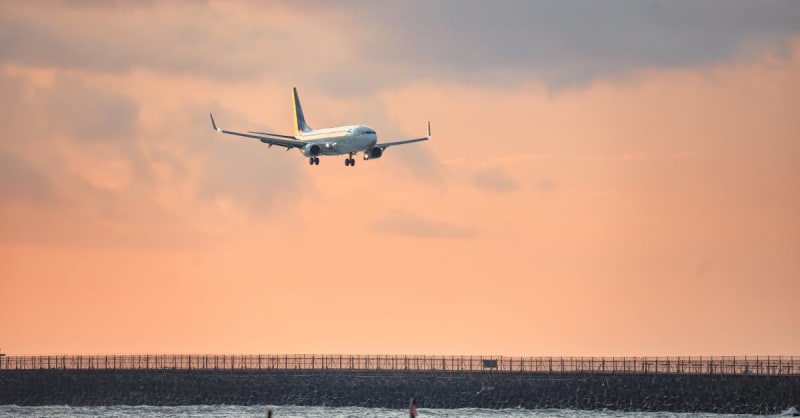
Hindu temples, terraced rice fields, and a spiritual pulse that survives even the Instagram hordes — if you know where to look.
Bromo Tengger
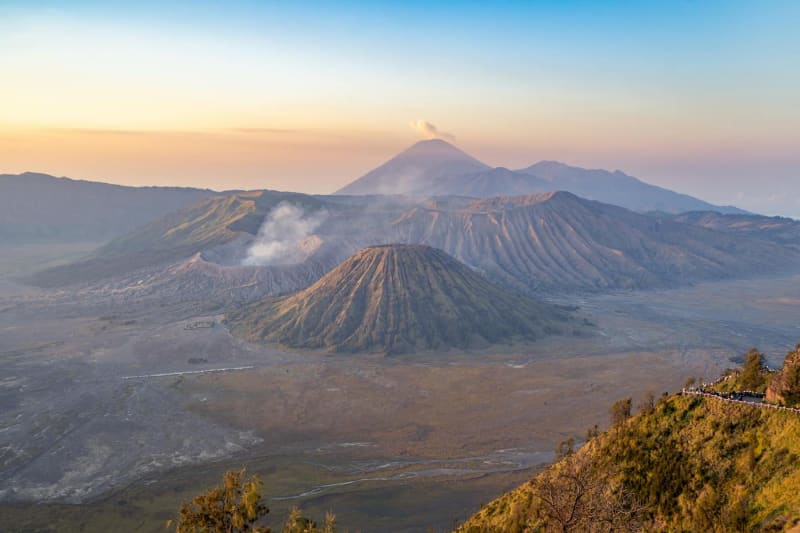
A smouldering caldera rising from a sea of volcanic sand, most dramatic at pre-dawn.
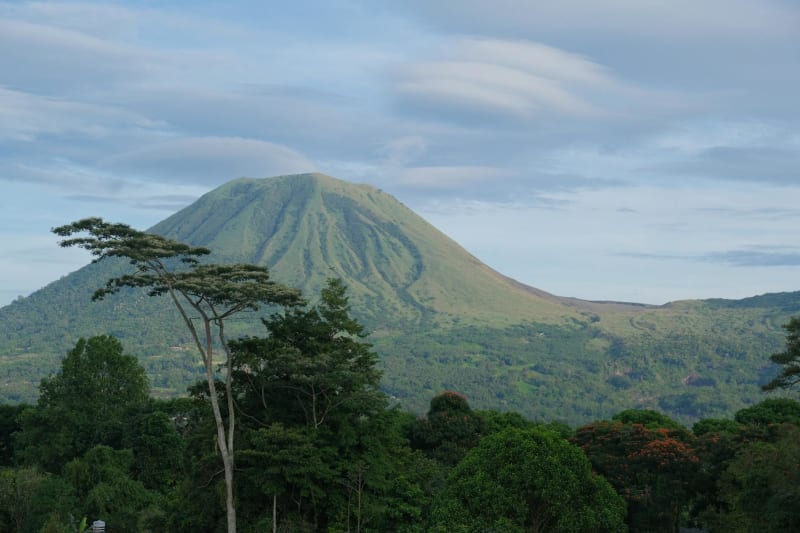
Flores
Tri-colored crater lakes, traditional villages, and a rugged beauty that feels like the edge of the known world.

Gili Islands
Three car-free coral islets off Lombok where the only transport is horse cart or bicycle.
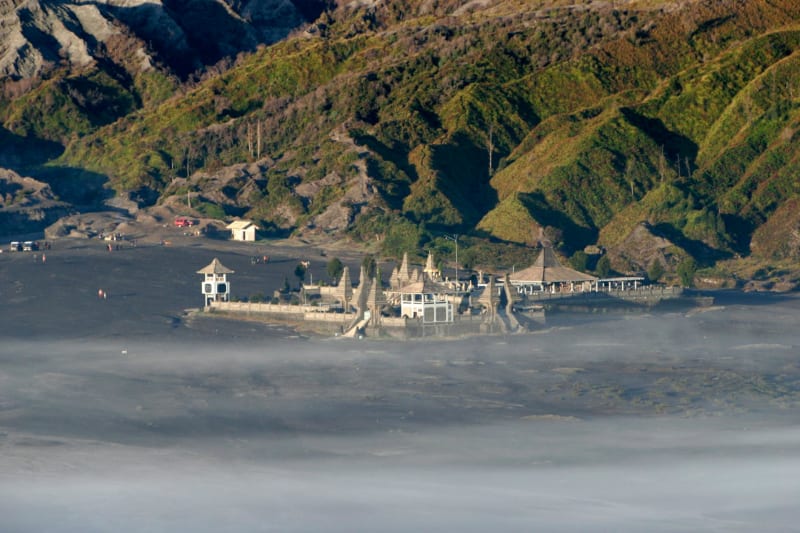
Java
The most populated island on Earth — volcanoes, megacities, ancient temples, and a cultural complexity that demands weeks, not days.
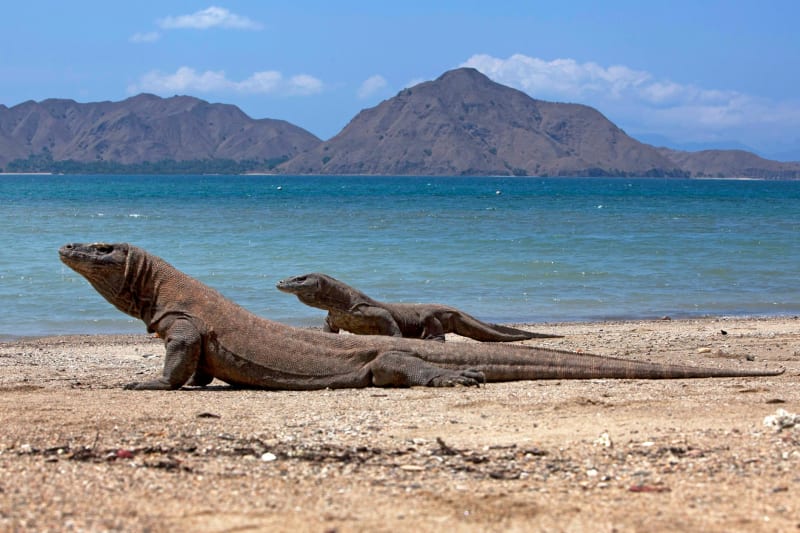
Komodo
Dragons, pink beaches, and underwater worlds — a national park where the prehistoric and the pristine coexist.
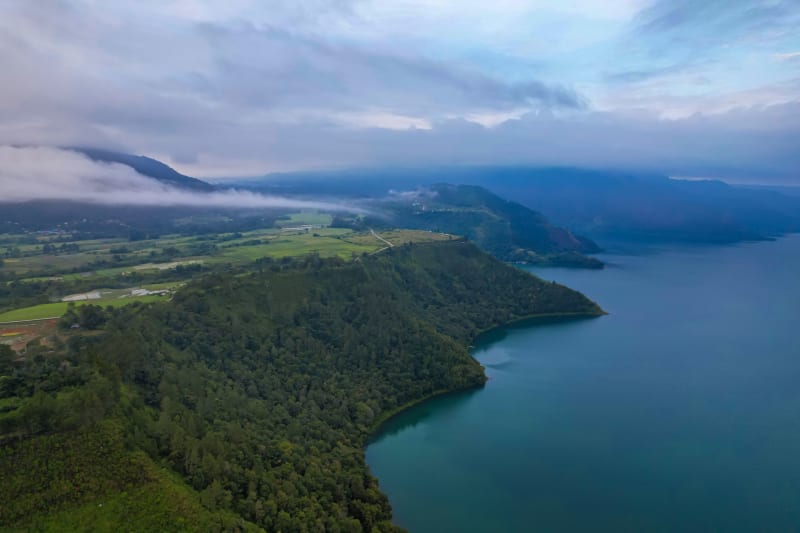
Lake Toba
The vast crater lake of a supervolcano in North Sumatra, with the Batak island of Samosir floating at its heart and a calm that feels almost prehistoric.
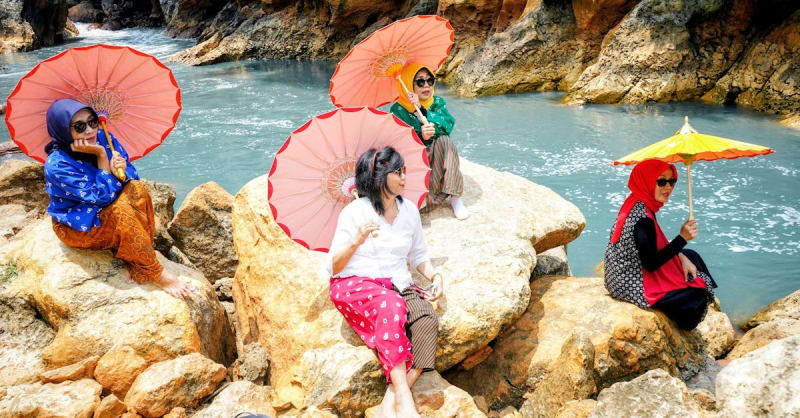
Lombok
Bali's quieter neighbour — bigger waves, fewer crowds, a volcanic summit, and the Gili Islands just offshore.
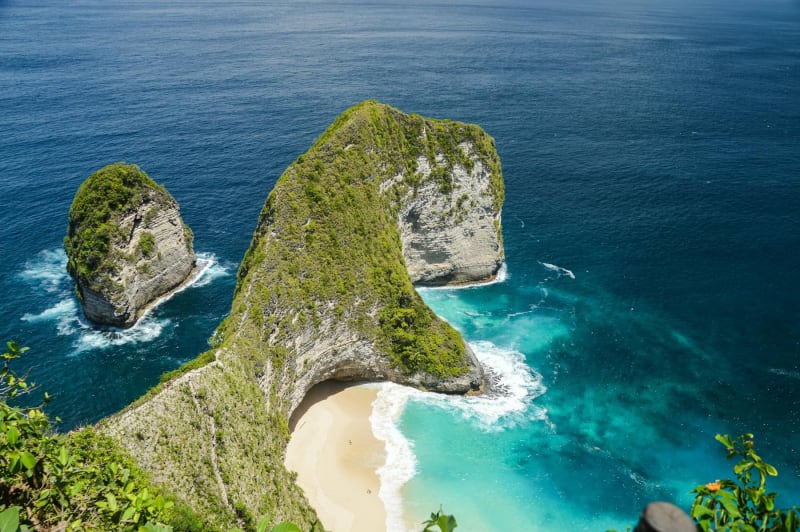
Nusa Penida West
A limestone island south of Bali with dinosaur-shaped cliffs, manta ray cleaning stations, and roads that dissolve in the rain.
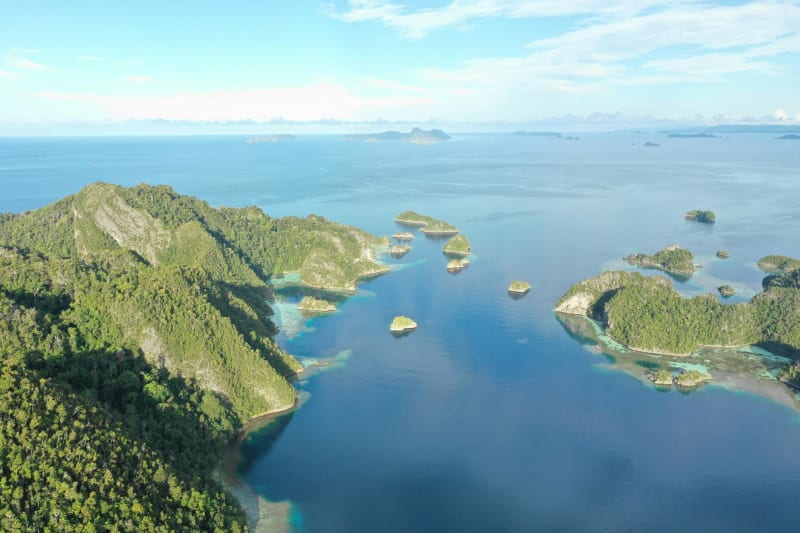
Raja Ampat
The highest marine biodiversity on Earth — a remote archipelago where every dive rewrites what you thought the ocean could hold.
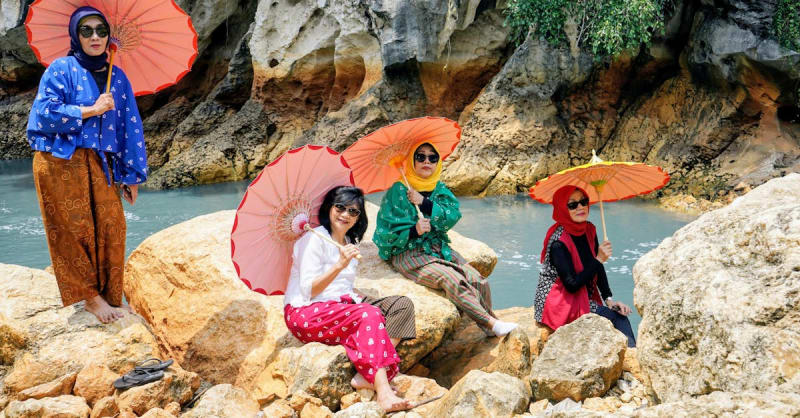
Sumatra
Orangutans, volcanic lakes, jungle treks, and a coffee culture that rivals Ethiopia's. Sumatra is Indonesia at its wildest.
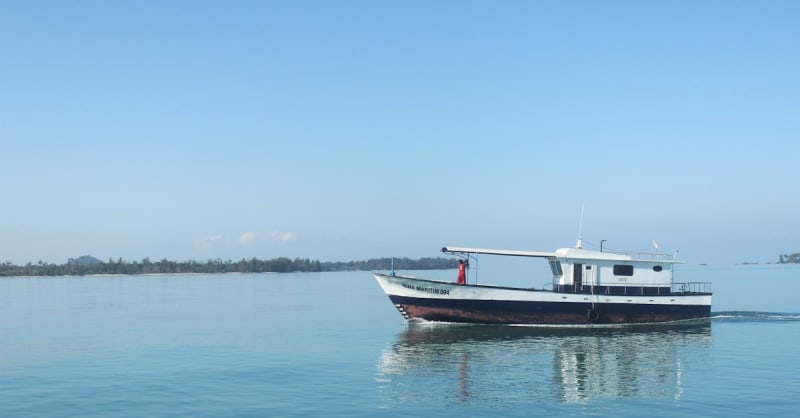
Sumbawa
Raw, undeveloped, and home to some of the best surf in the world. Sumbawa is Indonesia before the guidebooks arrived.
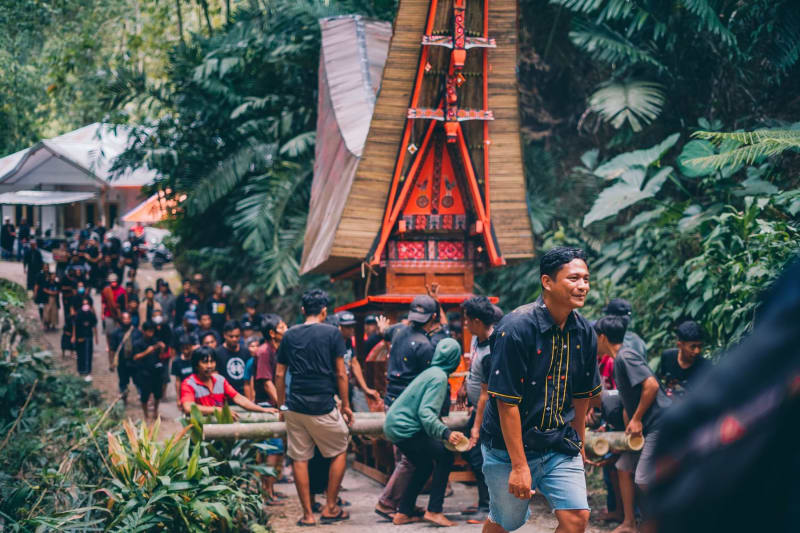
Tana Toraja
A highland culture in Sulawesi where funerals last weeks, the dead are buried in cliff rock, and buffalo are the currency of grief.
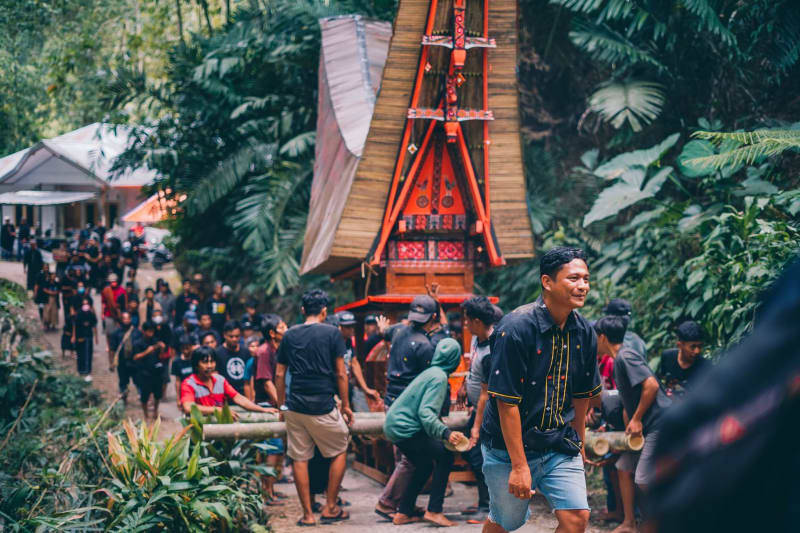
Toraja
Sulawesi highlands with extraordinary boat-roof houses and elaborate week-long funeral ceremonies.
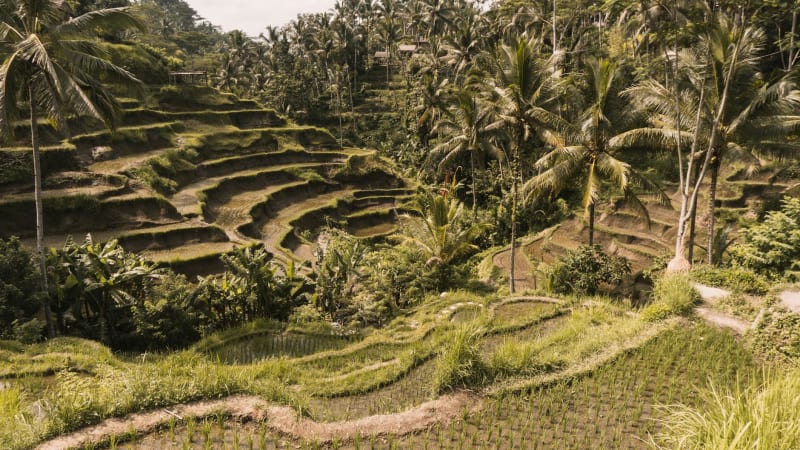
Ubud
Bali's cultural heart — rice terraces, temple ceremonies, and an art scene that has drawn seekers for a century.
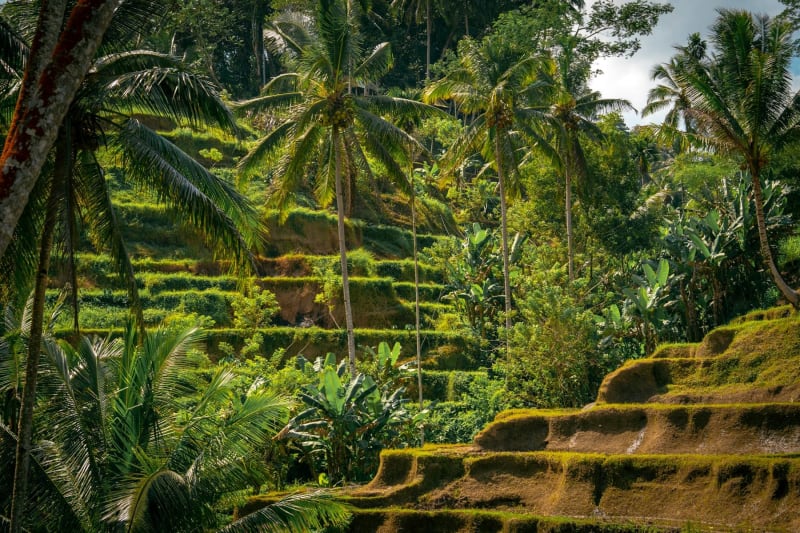
Ubud Rice Terraces
Tegallalang's stepped rice paddies and the subak irrigation system that has shaped Bali for millennia.
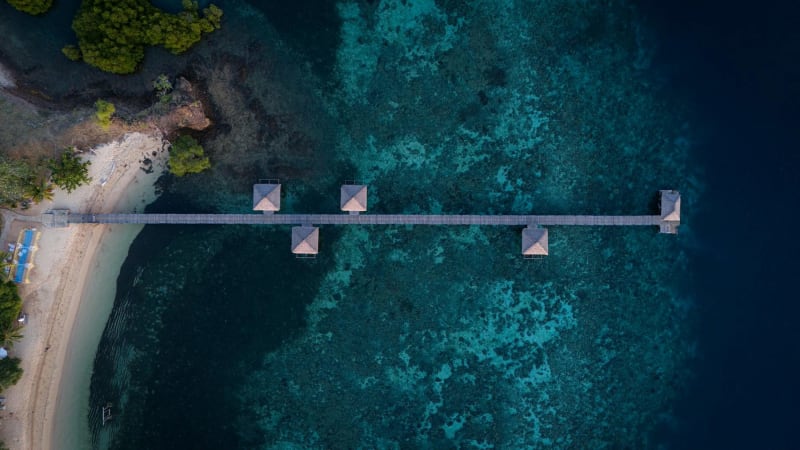
Wakatobi
Four remote atolls in the Coral Triangle with arguably the healthiest reef ecosystems on Earth.
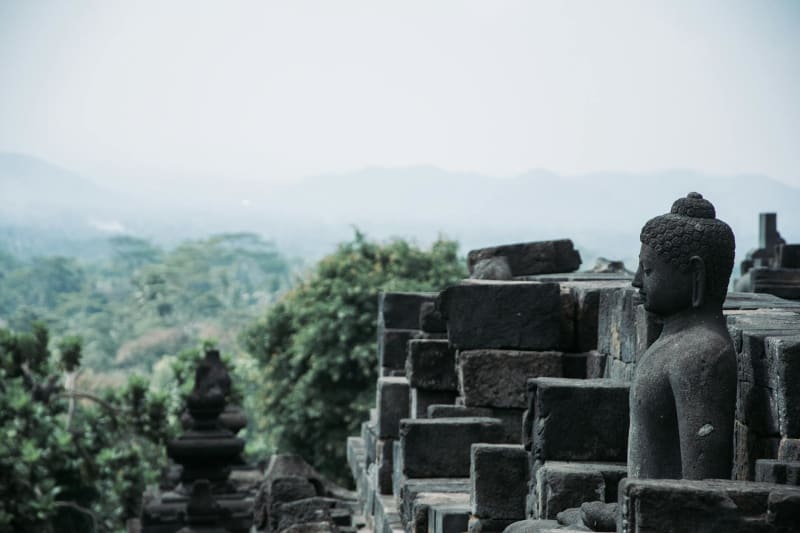
Yogyakarta
The cultural soul of Java — ancient temples, living court traditions, and the best street food in the archipelago.
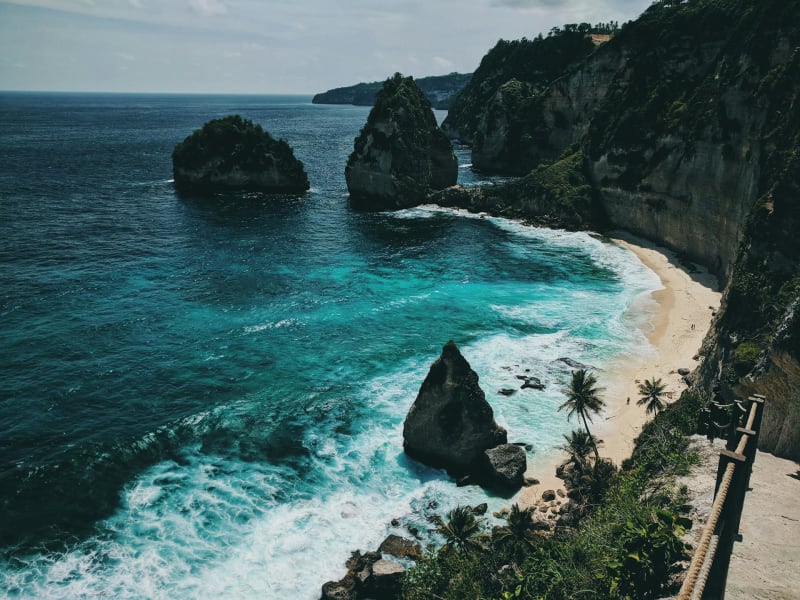
Free download
Get the Indonesia Guide
A curated PDF itinerary with honest picks, real restaurants, and the details that matter — the kind you'd actually print and bring.
Download the guide