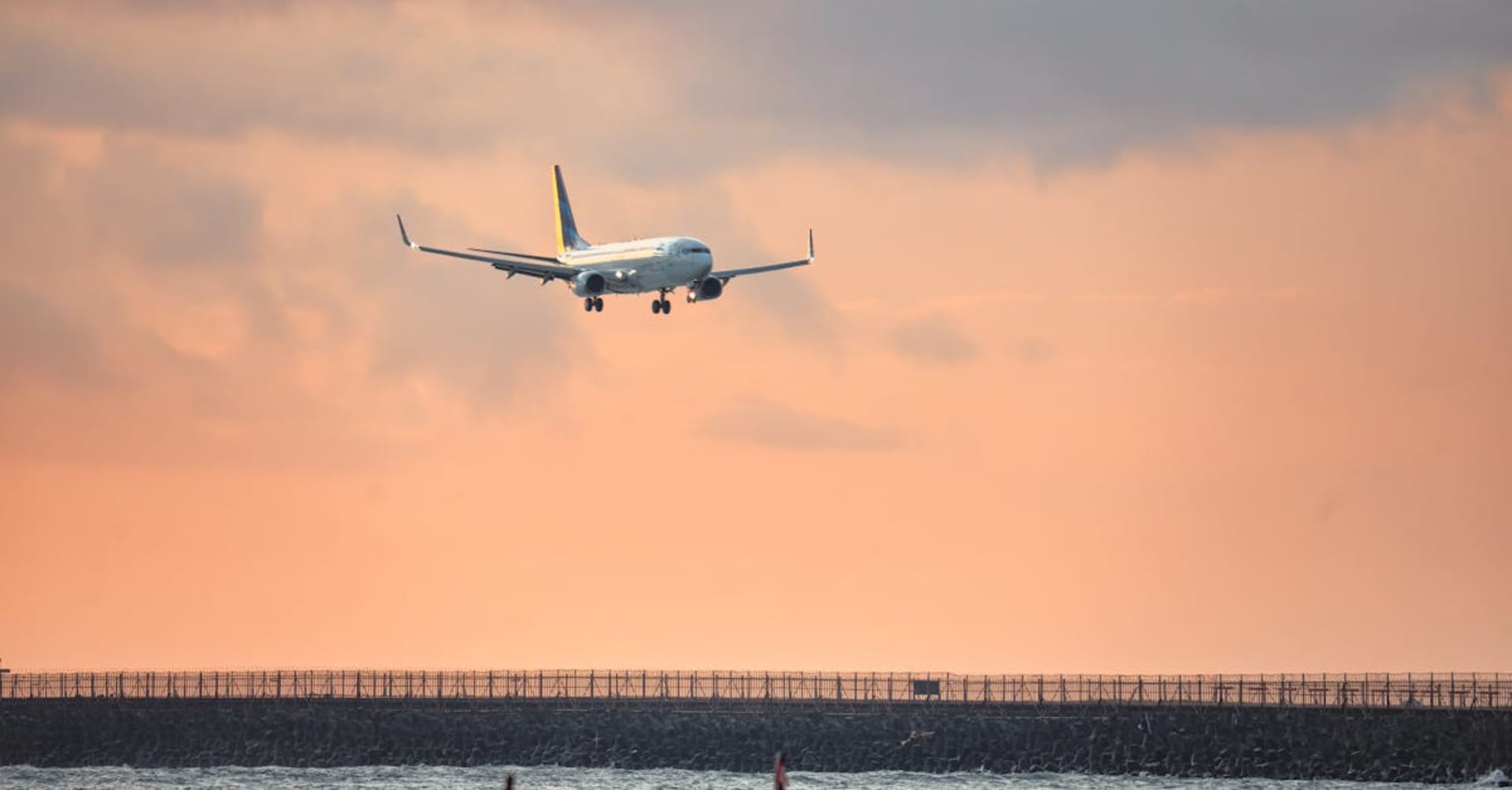
Bali is the most famous island in Indonesia and, depending on where you stand, either the most overrated or the most deserving of its reputation. Both are true simultaneously, which is the essential Balinese paradox. The south coast — Seminyak, Kuta, Canggu — has been consumed by tourism in a way that is sometimes charming and often exhausting. But Bali is not the south coast. Bali is the terraced rice fields of Sidemen at dawn, the water temples of Tirta Empul before the buses arrive, the monkey forest at Sangeh where nobody goes because everyone goes to Ubud’s, the black-sand beaches of Amed where the diving is world-class and the nightlife is a cold Bintang at a warung.
The Hindu culture here is not a backdrop — it is the operating system. Every compound has a temple. Every morning begins with offerings: small palm-leaf trays of flowers, rice, and incense placed on doorsteps, at intersections, on motorbike dashboards. The ceremony calendar is dense and non-negotiable — full-moon temple festivals, cremation processions that shut down roads for hours, the annual Day of Silence when the entire island goes dark. Bali’s relationship to the sacred is not performed for visitors. It simply is.
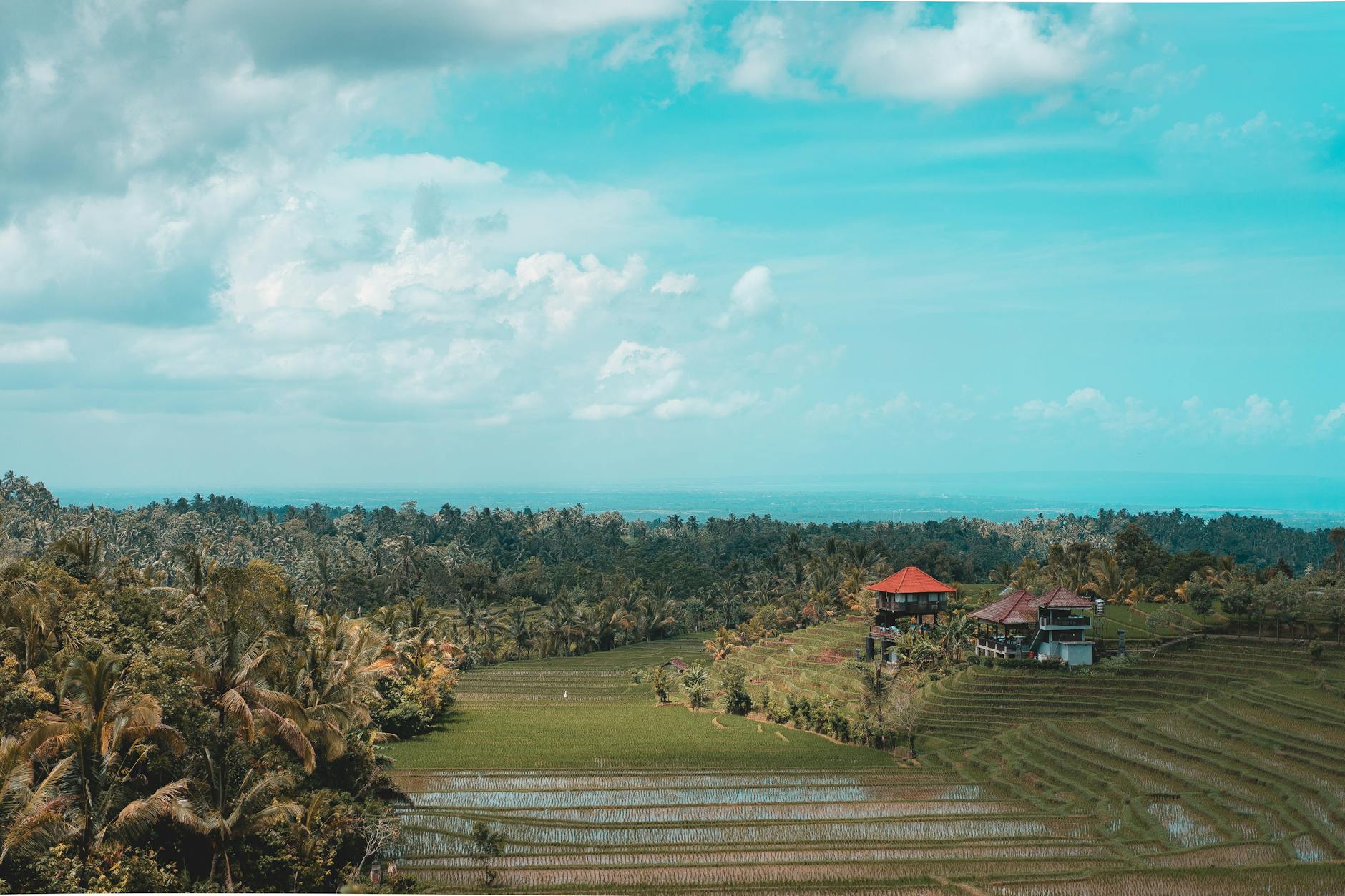
Stay in the east. Sidemen is the Bali that travel writers described thirty years ago — volcanic valley, emerald rice terraces, small guesthouses run by families who are genuinely happy to see you. Amed, further east along the coast, is a string of fishing villages with some of the best snorkeling and diving on the island. The Japanese shipwreck at Tulamben is a ten-minute swim from shore. I spent a week in Sidemen once, doing nothing more ambitious than walking the rice fields, eating at the same warung every night, and watching Mount Agung change color with the light. It was one of the best weeks I have had anywhere.
The temples deserve time and intention. Besakih, the Mother Temple on the slopes of Agung, is the most important — a vast complex of interconnected shrines that climbs the mountainside through layers of mist. Uluwatu, perched on a cliff above the Indian Ocean, is dramatic at sunset but transcendent during the Kecak fire dance performed on the cliff edge as the sky burns orange. Tirta Empul, the water purification temple near Tampaksiring, offers a ritual experience that is open to respectful visitors — wading through the sacred pools, the spring water cold and startlingly clear, while Balinese families conduct their own purifications alongside you.
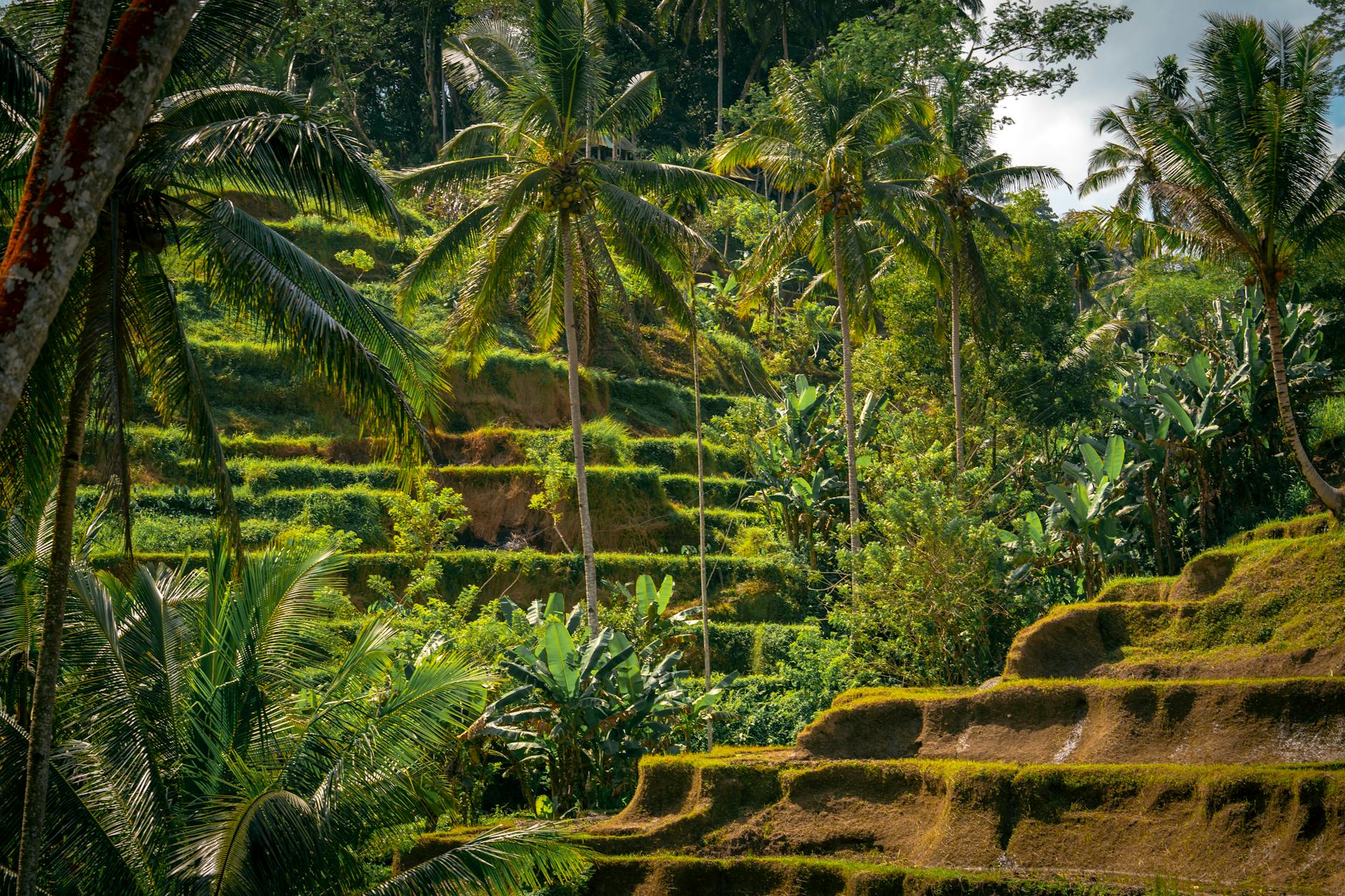
Eat at warungs. The best food in Bali costs almost nothing. Nasi campur — rice with small portions of whatever the cook made that day — is the island’s essential meal. Babi guling (roast suckling pig) at Ibu Oka in Ubud is the famous version; the one at the unnamed warung in Gianyar market is better. The lawar — a salad of chopped meat, vegetables, grated coconut, and spices — varies by village, and chasing the differences is one of the great pleasures of eating your way across the island.
When to go: April to June or September. July and August are peak season and the popular areas are genuinely crowded. The wet season (November to March) brings afternoon downpours but also empty temples and green everything.