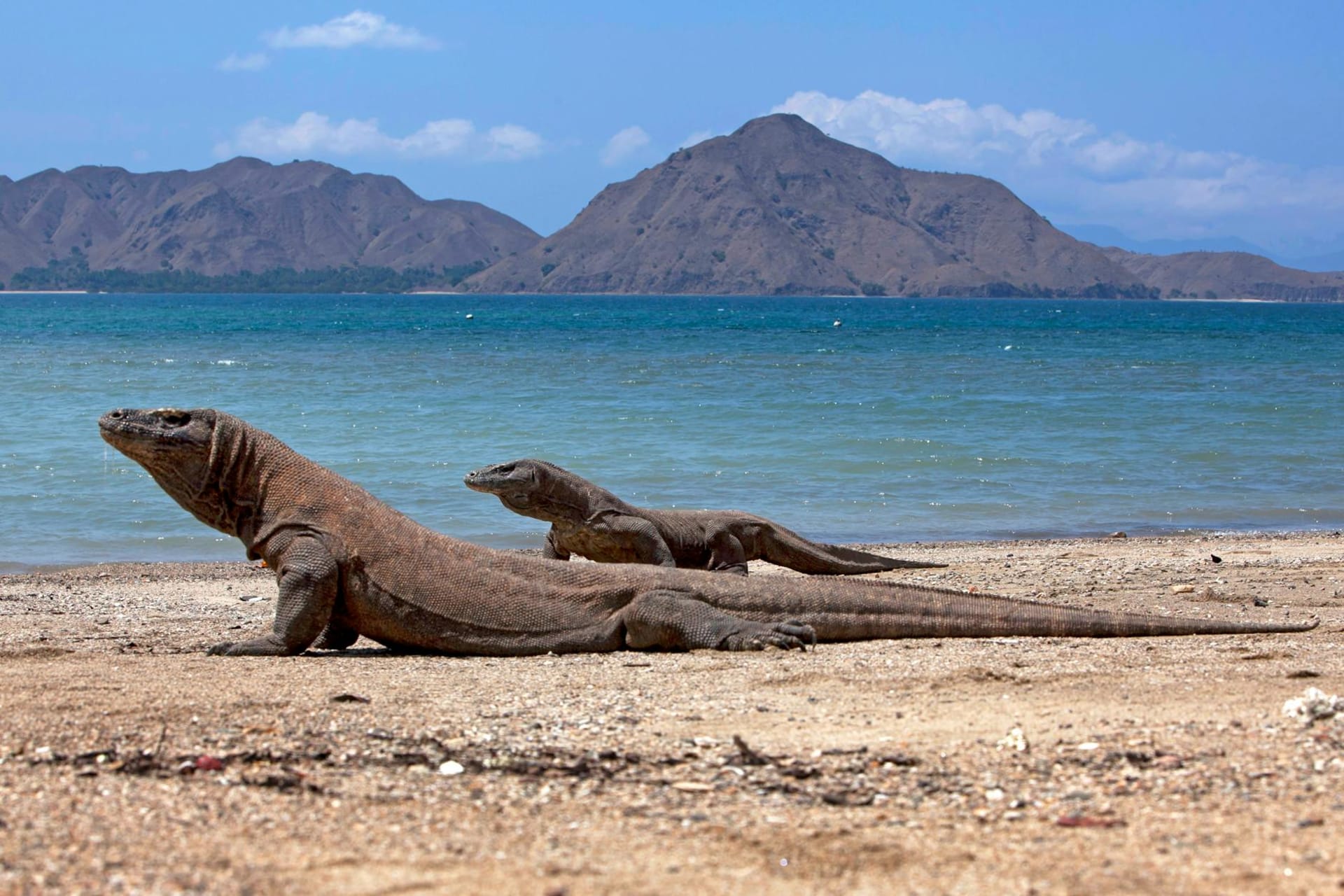
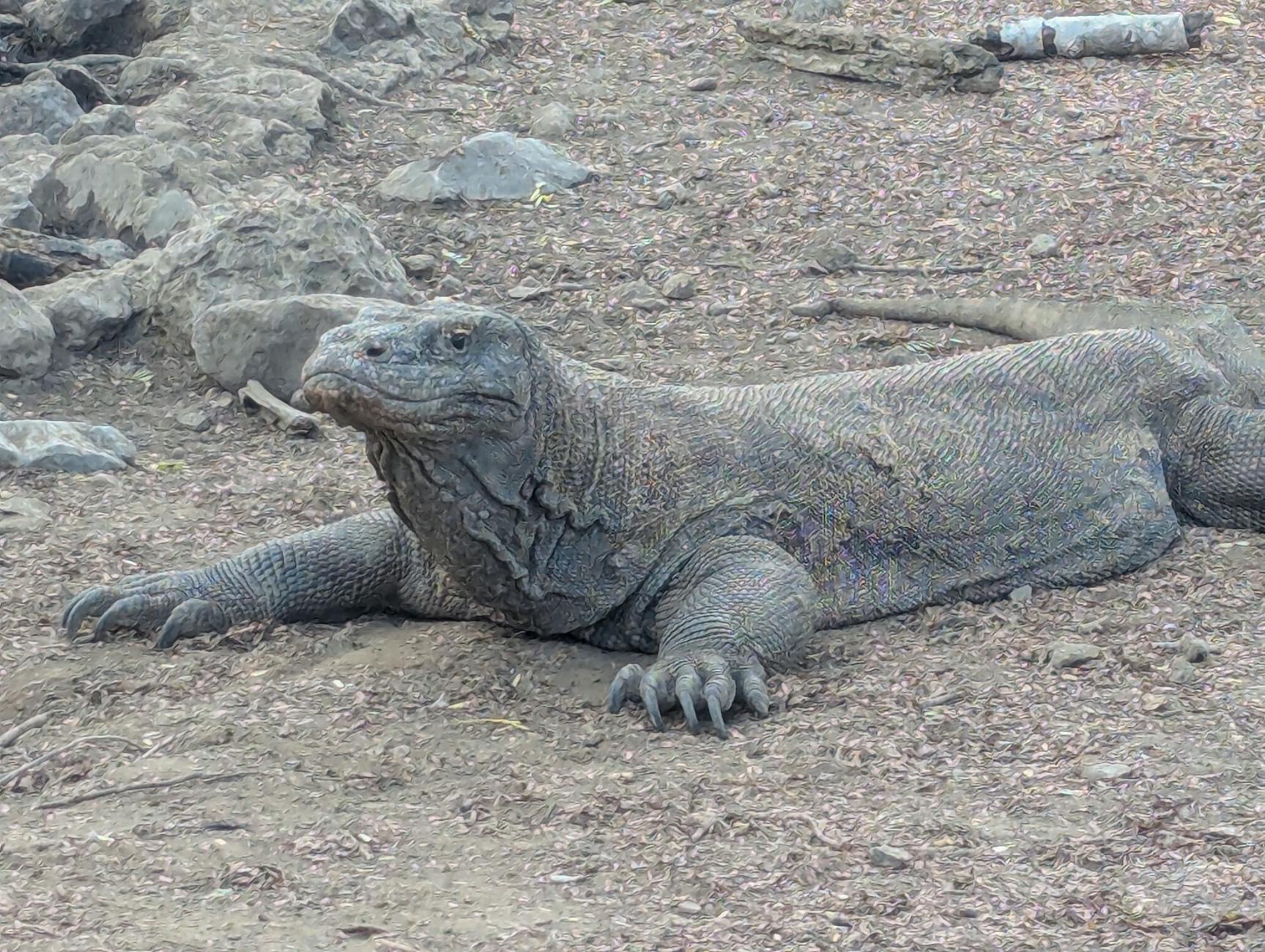
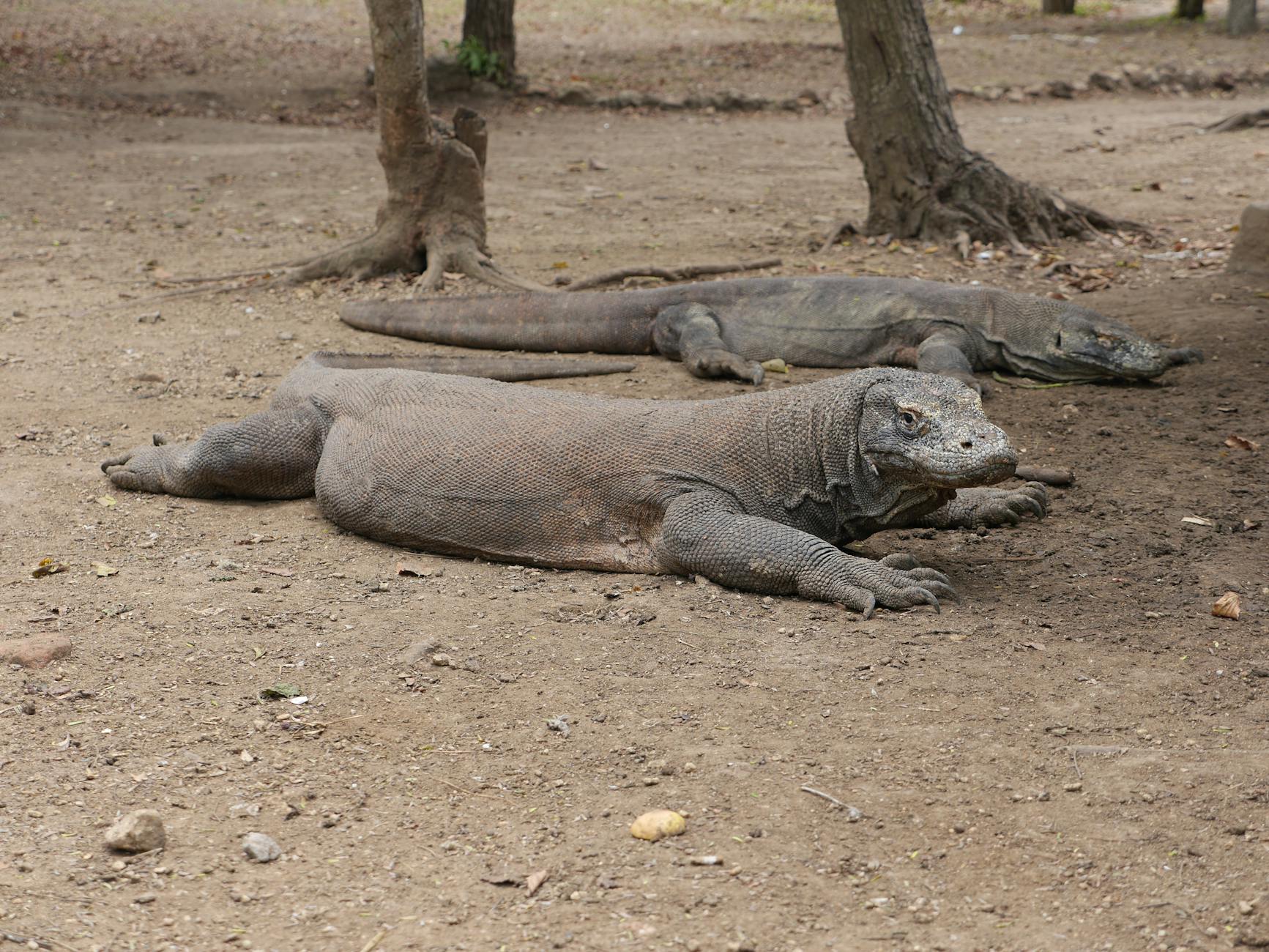
There is a moment on Komodo Island when you realize you are standing ten meters from a three-meter-long predatory reptile that has been essentially unchanged for four million years, and that the only thing between you and it is a park ranger with a forked stick. The Komodo dragon — the world’s largest living lizard — is not a cuddly attraction. It is a genuine apex predator with venomous saliva, a patient hunting strategy, and a metabolic indifference to your presence that is somehow more unsettling than aggression. Watching one flick its yellow forked tongue in your direction, reading the air for information, you understand viscerally that this island belongs to something older than you.
Komodo National Park encompasses three major islands — Komodo, Rinca, and Padar — plus dozens of smaller ones, and the experience extends far beyond the dragons. Rinca is actually my preferred island for dragon encounters: fewer tourists, more rugged terrain, and a better chance of seeing them in genuinely wild behavior rather than lounging near the ranger station. The hike across Rinca’s savanna, with dragons visible along the trail and deer nervously grazing in the middle distance, is one of the more primal walks I have taken anywhere.
Padar Island has no dragons but arguably the best viewpoint in the entire park — a steep climb to a summit that overlooks three bays, each with a different color of sand: white, pink, and black. The sunrise from the top, with the bays catching the early light and the surrounding islands emerging from the morning haze, is the image that has come to define Komodo for a generation of Instagram travelers. It earns its reputation. The pink beaches — their color comes from microscopic red organisms mixed with white sand — are scattered across several islands and are genuinely surreal. Swimming in water this clear, looking down at coral gardens visible from the surface, with pink sand between your toes — it does not feel entirely real.
The diving here is world-class and demanding. The currents in the Komodo strait are powerful — this is where the Indian Ocean meets the Flores Sea — and the nutrient-rich water feeds a marine ecosystem that rivals Raja Ampat. Manta rays are the star attraction, with both reef mantas and the larger oceanic mantas present. Batu Bolong, a submerged pinnacle swept by currents, is covered in soft coral so dense it looks like an underwater garden designed by someone with an unlimited budget and no sense of restraint.
When to go: April to June and September to November. July and August bring strong winds and rougher seas. The park entrance fees increased significantly in 2023 — budget accordingly, but know that the money funds genuine conservation.