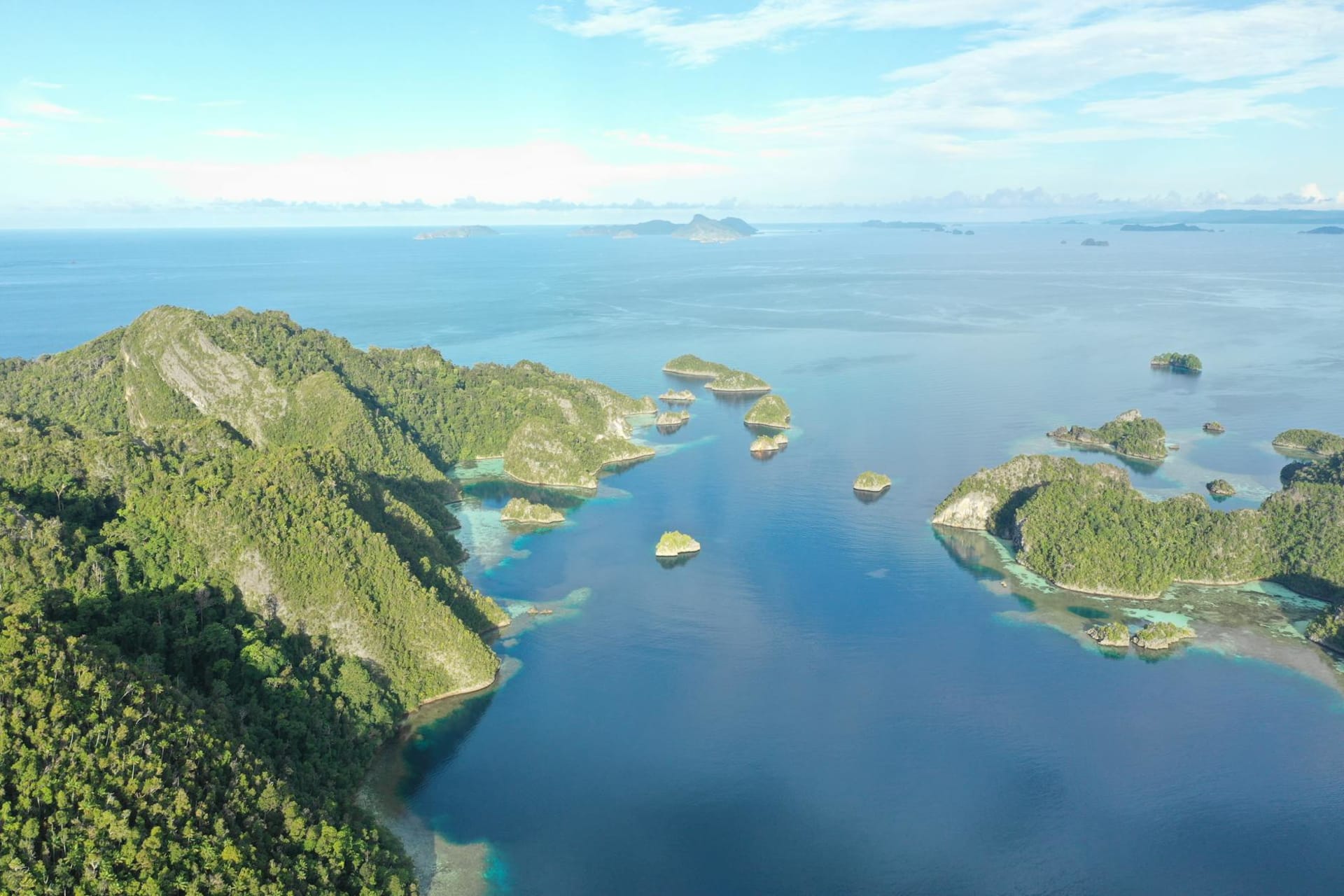
I need to be honest about Raja Ampat: it ruined me. After diving here, every reef I have visited since feels like a museum compared to a living city. This remote archipelago at the northwestern tip of Papua — over 1,500 islands scattered across a sea so clear it looks digital — contains more species of coral and fish per square meter than anywhere else on the planet. Marine biologists call it the epicenter of global marine biodiversity. Divers call it the best place on Earth. Both are right, and neither description prepares you for the experience of dropping beneath the surface and encountering a reef so dense with life that your brain cannot process it all at once.
The numbers are almost absurd: over 1,500 species of fish, 600 species of coral — more than the entire Caribbean — and populations of manta rays, wobbegong sharks, pygmy seahorses, and whale sharks that treat the reefs as a permanent address rather than a seasonal stop. The dive sites have names that become legendary among those who have visited them: Misool, with its soft coral walls in colors that do not exist on land. Cape Kri, which holds the world record for the most fish species counted on a single dive — 374. Manta Sandy, where reef mantas glide over cleaning stations with a grace that makes you forget you need to breathe.
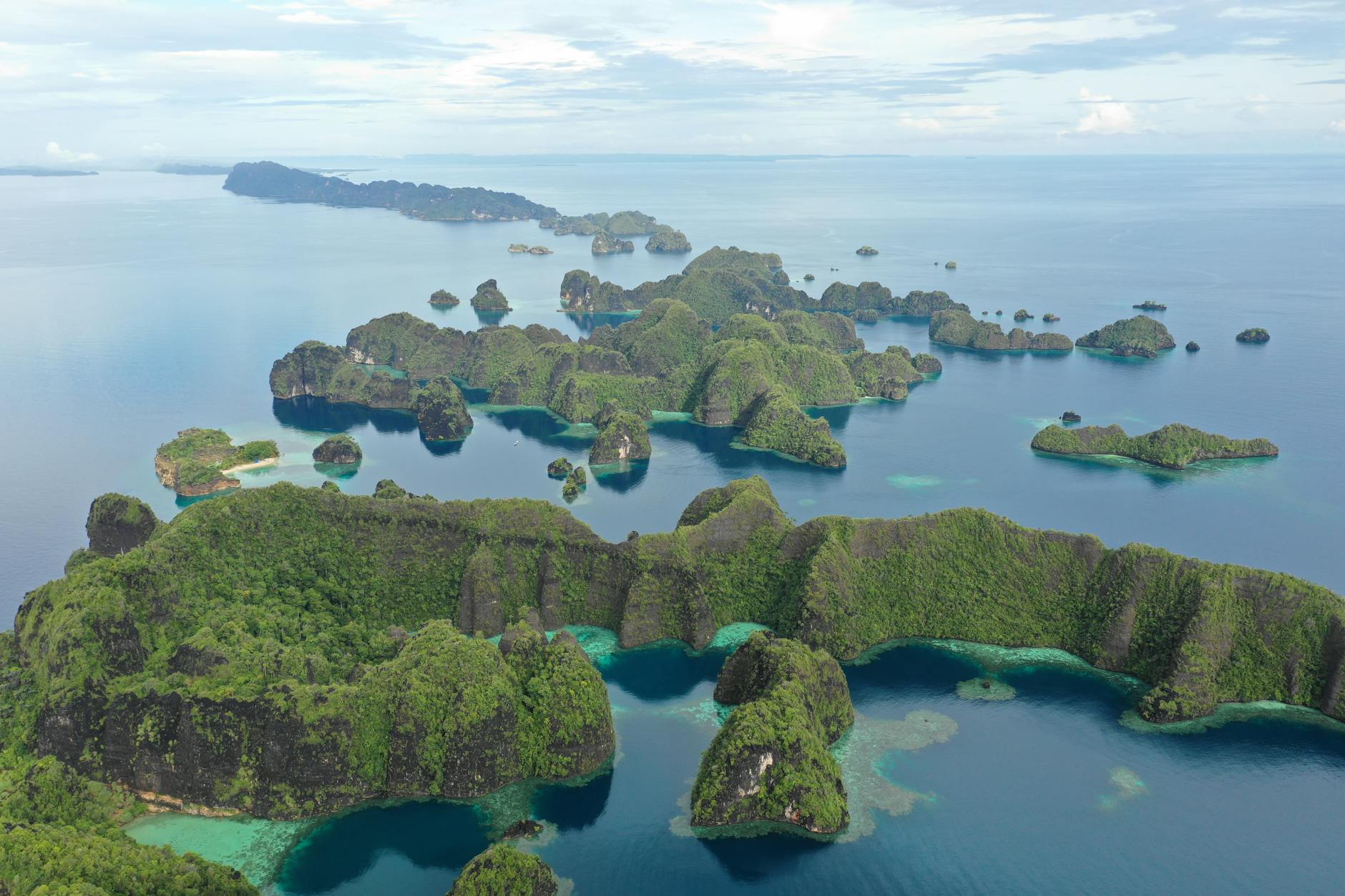
But Raja Ampat is not only for divers. The islands themselves are staggering — mushroom-shaped karst formations rising from emerald water, hidden lagoons accessible only by kayak, beaches so white and empty they feel hypothetical. The Wayag viewpoint, reached by a steep scramble up a limestone ridge, offers a panorama of island-studded ocean that is one of the most photographed landscapes in Indonesia for good reason. The local Papuan villages maintain a rhythm of life centered on fishing and sago processing that predates every tourism brochure ever written about the place.
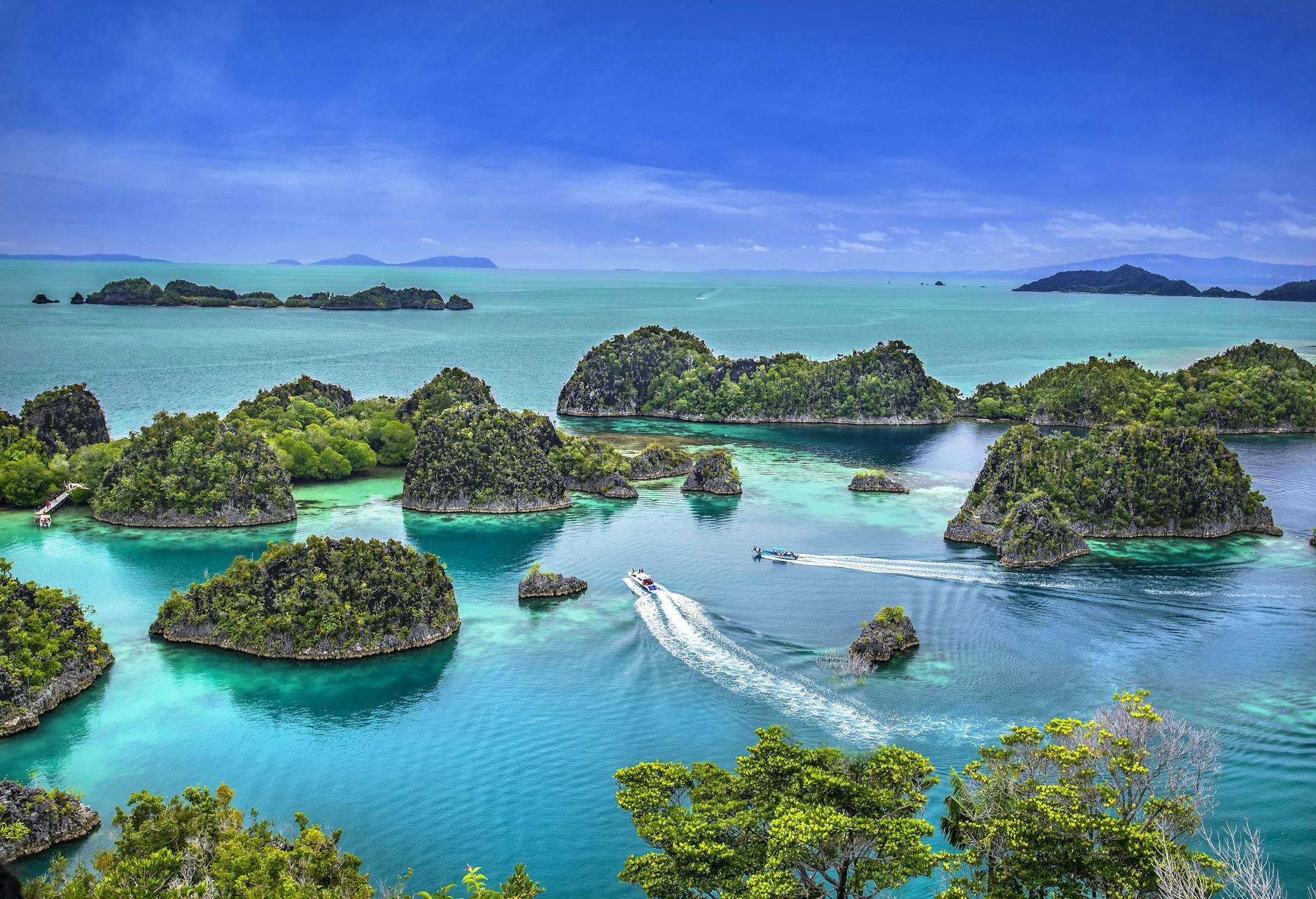
Getting here requires effort — flights to Sorong, then a boat transfer that ranges from two to four hours depending on your destination — and staying is not cheap. The eco-resorts and liveaboards that operate in the marine park charge accordingly, and the entrance fee to the conservation area funds the marine patrols that have made Raja Ampat one of the great conservation success stories in Southeast Asia. The reefs are recovering. The fish populations are growing. It is one of the rare places where tourism and conservation are genuinely aligned, and every rupiah of the entrance fee feels earned.
When to go: October to April for the calmest seas and best visibility. Manta season peaks from November to April. The journey is worth planning carefully — most visitors book liveaboards or eco-resorts well in advance.