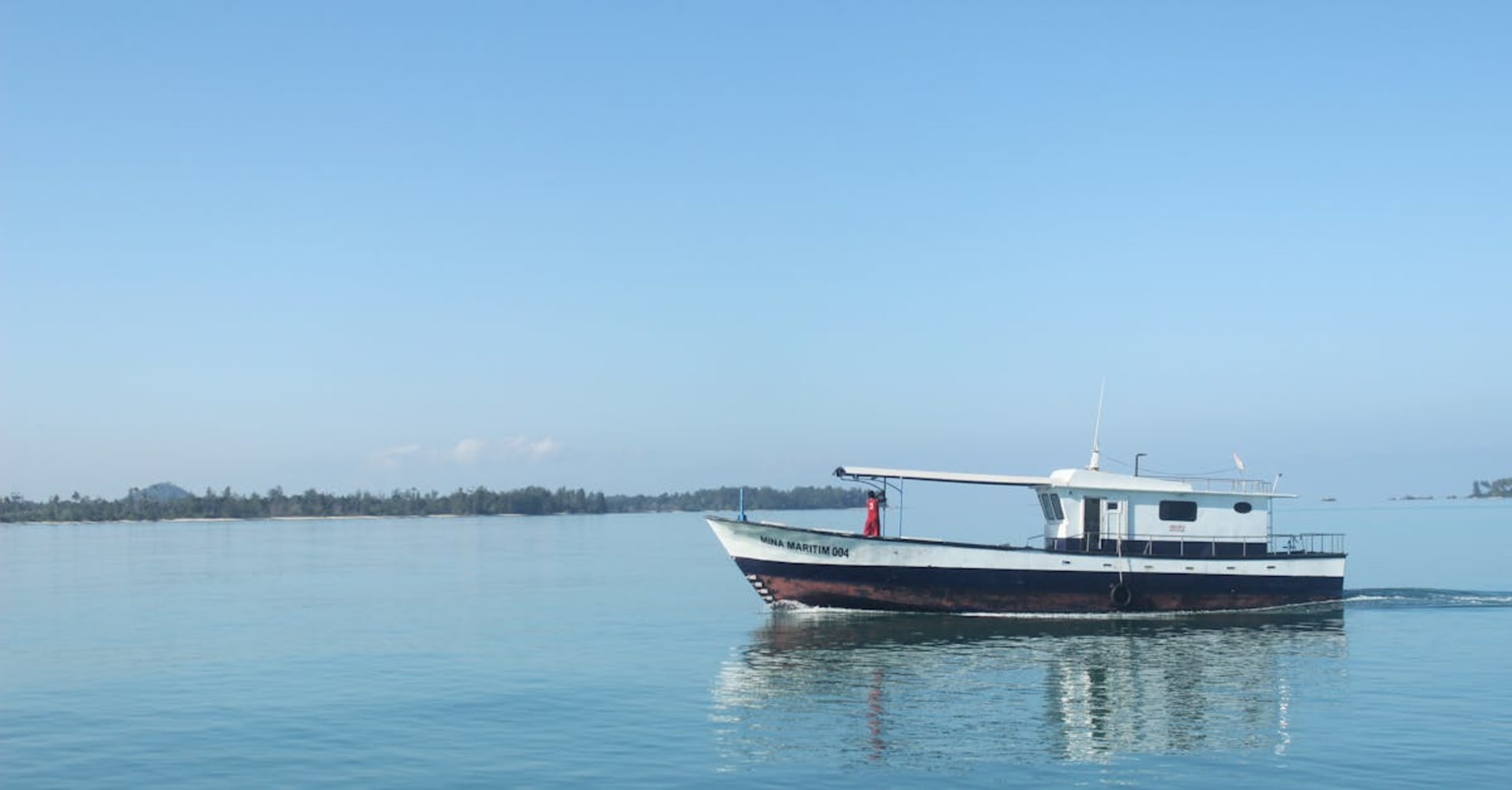
Sumbawa is the island that most travelers skip on their way from Lombok to Flores, and that is precisely its appeal. It is big — the size of Bali and Lombok combined — sparsely populated, and almost entirely undeveloped for tourism. The roads are rough, the infrastructure is basic, and the rewards are immense. This is Indonesia at its most raw: volcanic highlands, empty coastlines, traditional Sumbawan villages where visitors are a genuine novelty, and surf breaks that rank among the best on the planet.
Lakey Peak on the southeast coast is the island’s most famous wave — a powerful right-hander that barrels over a shallow reef and draws serious surfers from June to September. The town around it, Hu’u, is a collection of basic losmen and warungs that has resisted gentrification through sheer remoteness. The vibe is pure surf camp — early mornings, long sessions, afternoon naps, fish dinners, repeat. I am not a serious surfer — I learned late and my technique reflects it — but even I could appreciate the perfection of Lakey Peak from the shore, watching the locals and the visiting pros carve lines through barrels that looked like something from a surf film. The sunsets from the Hu’u beachfront, with the waves still firing in silhouette, are worth the journey even if you never touch a board.
Beyond the surf, Sumbawa offers something increasingly rare in Southeast Asia: genuine emptiness. The Moyo Island marine reserve, off the north coast, has pristine coral and the kind of underwater visibility that makes snorkelers weep. The interior highlands around Batu Tering have traditional villages where the architecture — tall, peaked wooden houses — has not changed in centuries. The people are welcoming in the way that only communities unaccustomed to tourism can be. I stumbled into a wedding celebration in a village near Batu Tering once — was invited to sit, eat, watch the traditional dances. Nobody spoke English, my Indonesian was fragmentary at best, and it did not matter in the slightest. The warmth was its own language.
The Tambora volcano, on the north coast, is the site of the largest volcanic eruption in recorded history — the 1815 event that killed tens of thousands and caused the “Year Without a Summer” across Europe and North America. The caldera is now a national park, and the three-day trek to the summit passes through some of the most untouched forest in the Lesser Sundas. Few visitors make the journey, and the solitude at the crater rim — looking into the vast, silent caldera — carries a weight that more famous volcanoes, surrounded by crowds, cannot replicate.
Getting around requires patience. The Trans-Sumbawa Highway is paved but slow, winding through mountains with views that compensate for the journey time. Local buses exist but are unpredictable. A rented motorbike is the best option if you are comfortable on two wheels. The ferry connections to Lombok and Flores are regular but operate on schedules that are best described as aspirational.
When to go: May to October. The surf is best June to August. The wet season makes the interior roads challenging to impassable.