
Flores is the island that changed what I thought Indonesia could be. After the polished tourism infrastructure of Bali and the relative ease of Java, arriving in Flores felt like stepping off the map. The Trans-Flores Highway — a grand name for what is essentially a narrow, winding road carved into volcanic mountainsides — takes two to three days to traverse from end to end, and every hour brings a landscape so different from the last that you stop trusting your own sense of geography. Volcanic peaks draped in cloud forest give way to dry savanna, which gives way to terraced rice paddies clinging to impossible slopes, which gives way to coastline so remote that the fishing villages feel genuinely unchanged by the twenty-first century.
The centerpiece is Kelimutu, a volcano near the town of Moni whose summit holds three crater lakes that change color independently — turquoise, emerald, black, rust-red — depending on mineral concentrations and oxidation states that geologists can explain but that the Lio people of the region understand as something else entirely. They believe the lakes hold the souls of the dead: young people in one, old people in another, the wicked in the third. Arrive at dawn. The drive up begins at 4am in the dark, and when the sun rises over the crater rim and the lakes reveal their colors, you understand why this place has been sacred for centuries.
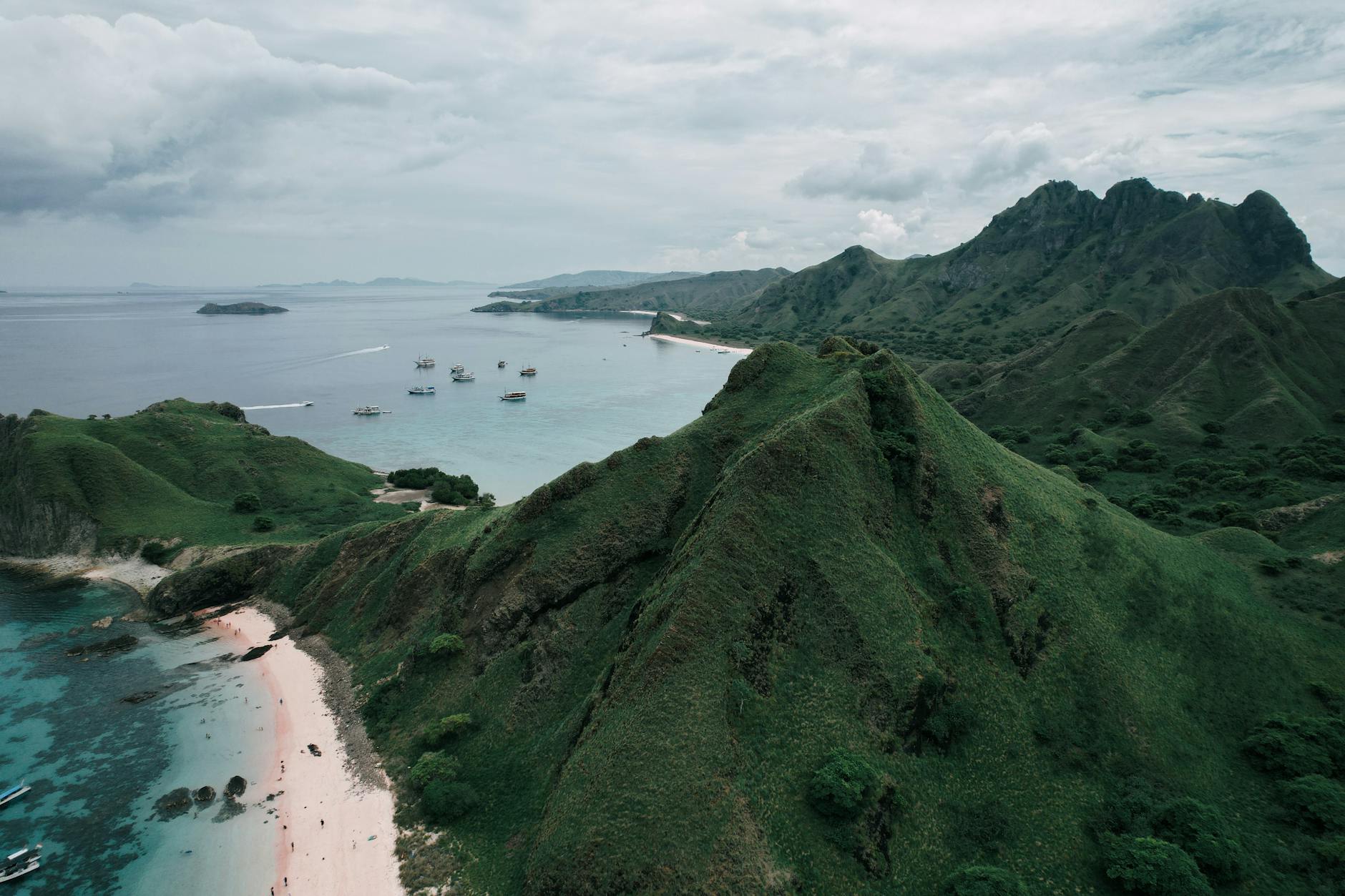
The traditional villages of Flores are among the most intact in Indonesia. Bena, near Bajawa, is built on a volcanic slope with stone megaliths at its center and thatched-roof houses arranged in two rows facing each other. The Ngada people here maintain an animist tradition layered with Catholicism — Flores is predominantly Catholic, a legacy of the Portuguese — and the ceremonial life of the village is rich and visible. Wae Rebo, a more remote village accessible only by a three-hour trek through the jungle, is a cluster of cone-shaped houses that has become a model for sustainable tourism done right. You sleep in the communal longhouse, eat with the villagers, and wake to clouds drifting through the valley below.
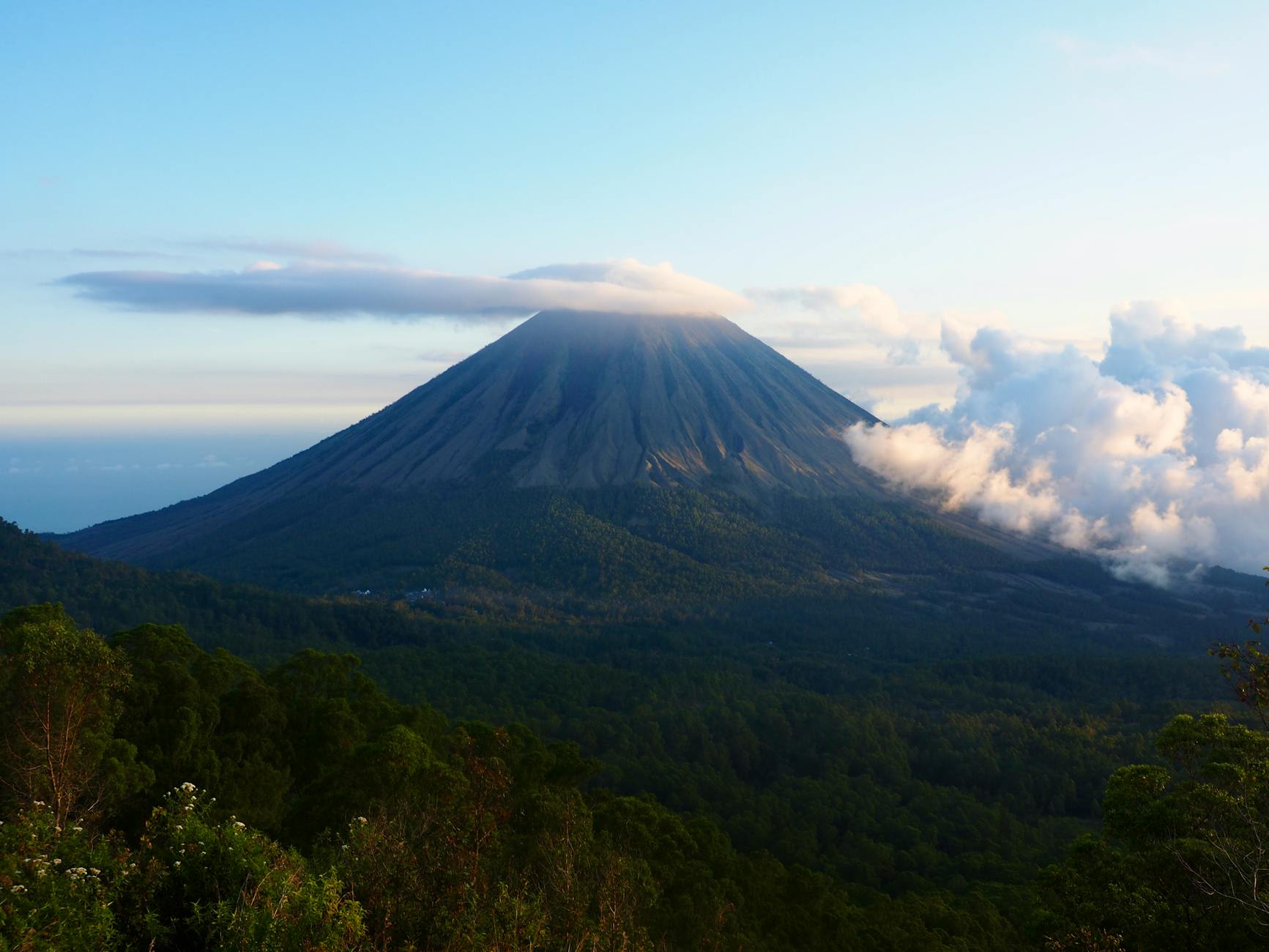
Labuan Bajo on the western tip has become the gateway to Komodo National Park and is growing fast — too fast, some would say. But the town retains a rough charm, and the sunsets from the hillside restaurants overlooking the harbor, with the silhouettes of the Komodo islands darkening against the sky, are the kind of thing you photograph knowing the image will never capture what you felt.
When to go: April to November. The Kelimutu sunrise is best in dry season when cloud cover is less likely. The Trans-Flores road becomes difficult in heavy rain — plan accordingly and carry patience.