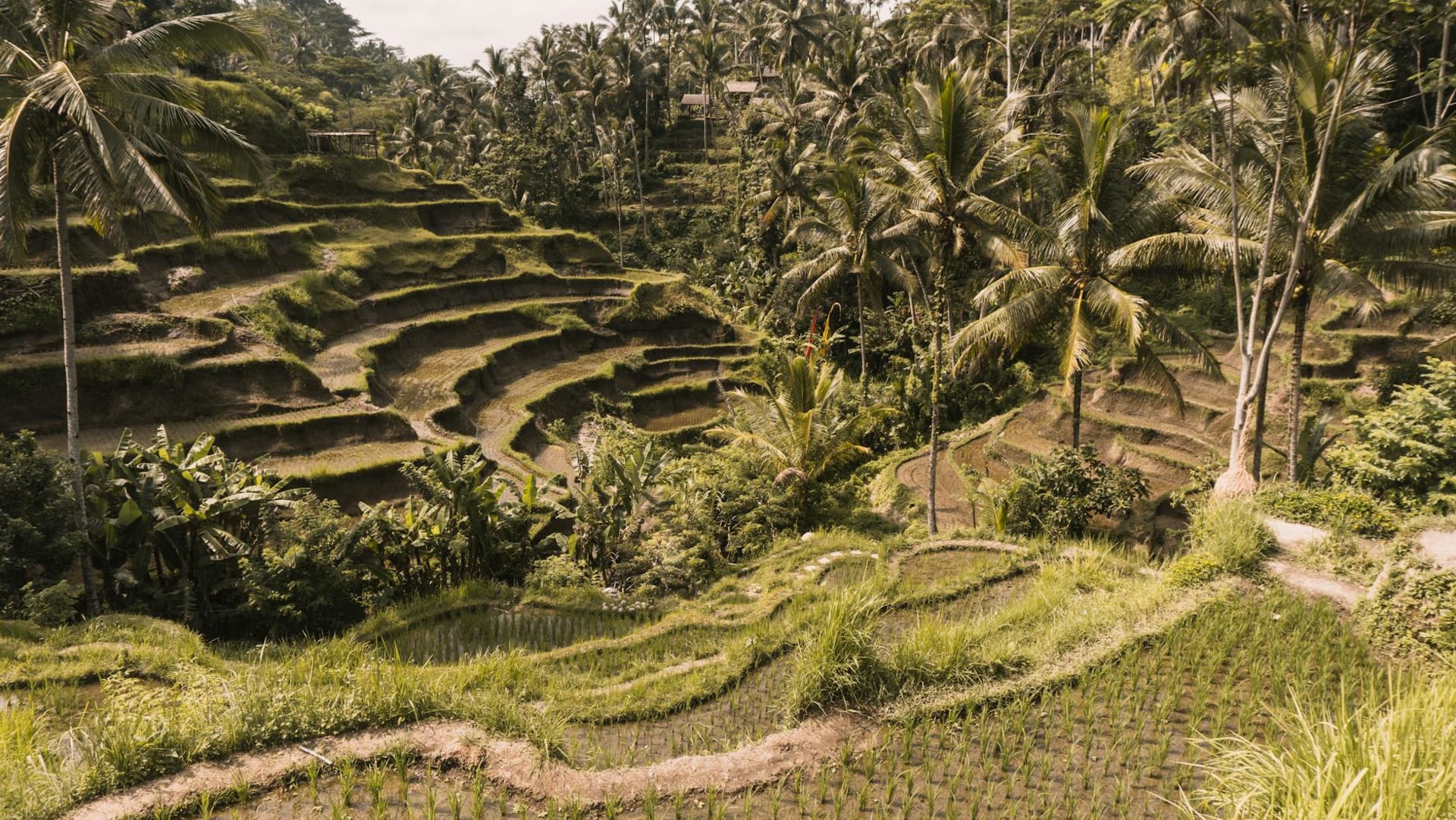
Ubud has been “discovered” so many times that its history reads like a series of overlapping love affairs. The Dutch painter Walter Spies arrived in the 1930s and fell so completely for the town’s artistic culture that he stayed, founding a movement that permanently altered Balinese painting. The hippies came in the 1970s. The yoga crowd arrived in the 2000s. Elizabeth Gilbert gave it a second wave of spiritual tourism. And through all of it — the cafes, the retreats, the smoothie bowls, the inevitable Airbnbs — Ubud has somehow maintained a core that is genuinely, stubbornly itself. The ceremonies continue. The offerings appear on every doorstep at dawn. The rice terraces glow green regardless of who is photographing them.
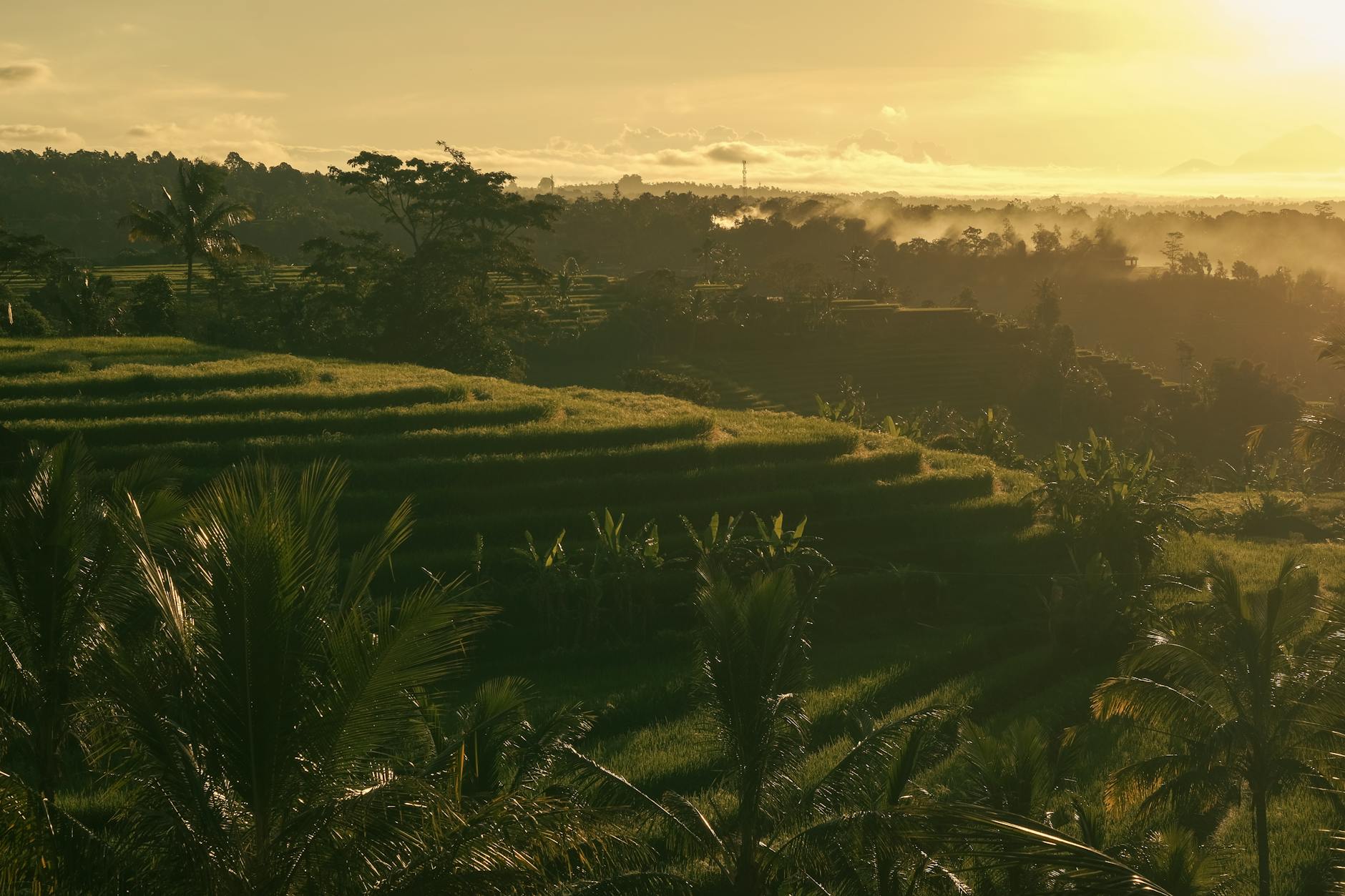
The trick to Ubud is staying long enough to outlast the day-trippers. By 5pm, when the tour buses leave for the south coast, the town exhales. The Monkey Forest — overrun at midday — becomes a dim cathedral of banyan trees where the macaques settle into their evening routines and the moss-covered temples at the forest’s center reveal the sacred purpose that the daytime chaos obscures. The Campuhan Ridge Walk, best done at sunrise, traces a narrow path between two river valleys with views of palm groves and distant volcanic peaks that feel like a different century.
The art scene remains Ubud’s deepest current. The ARMA museum and the Neka Museum house collections of Balinese painting that trace the evolution from traditional wayang-style narratives through the Spies-influenced “modern traditional” movement to contemporary work that engages with global art while remaining rooted in Balinese cosmology. The village of Mas, just south, is the woodcarving center — generations of families working in the same workshops, producing everything from tourist souvenirs to museum-quality pieces that take months to complete. Celuk specializes in silver, Batuan in painting. Each village has its craft, and the specialization runs deep enough that it shapes identity.
The food has evolved dramatically. The old-guard warungs serving nasi campur and babi guling still anchor the culinary landscape — Ibu Oka’s suckling pig remains essential — but a new generation of restaurants has emerged that treats Balinese ingredients with the seriousness they deserve. Locavore, now relocated and reimagined, put Indonesian produce at the center of fine dining. Room4Dessert does things with tropical fruit that border on philosophy. And the best meal I had in Ubud was still a 15,000-rupiah plate of nasi campur from a woman cooking in her front yard on a side street I could never find again.
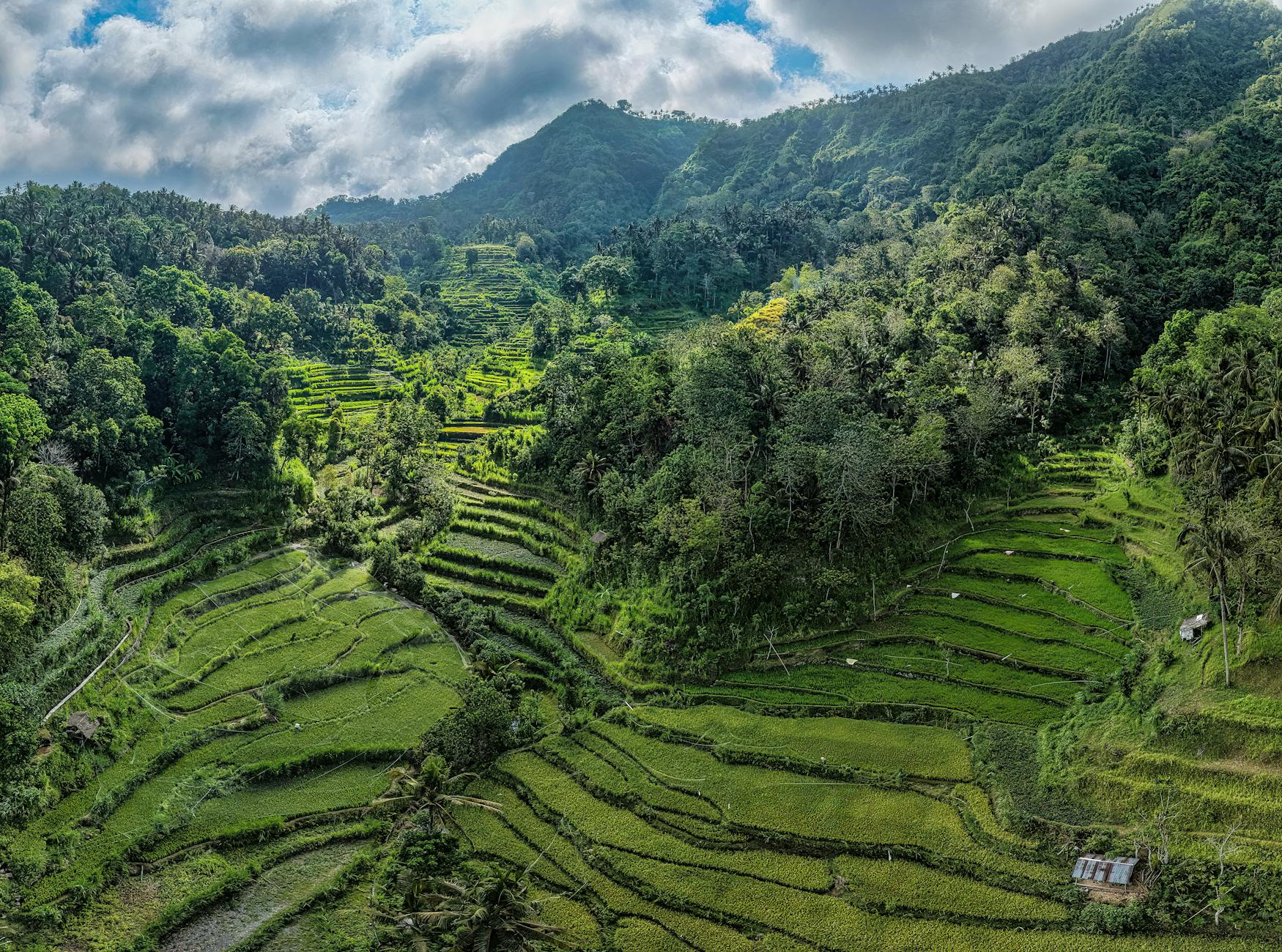
When to go: April to June or September for the best balance of dry weather and manageable crowds. The rice terraces are greenest during growing season, roughly March to May and October to November. Full-moon ceremonies at the water temples are worth timing your visit around.