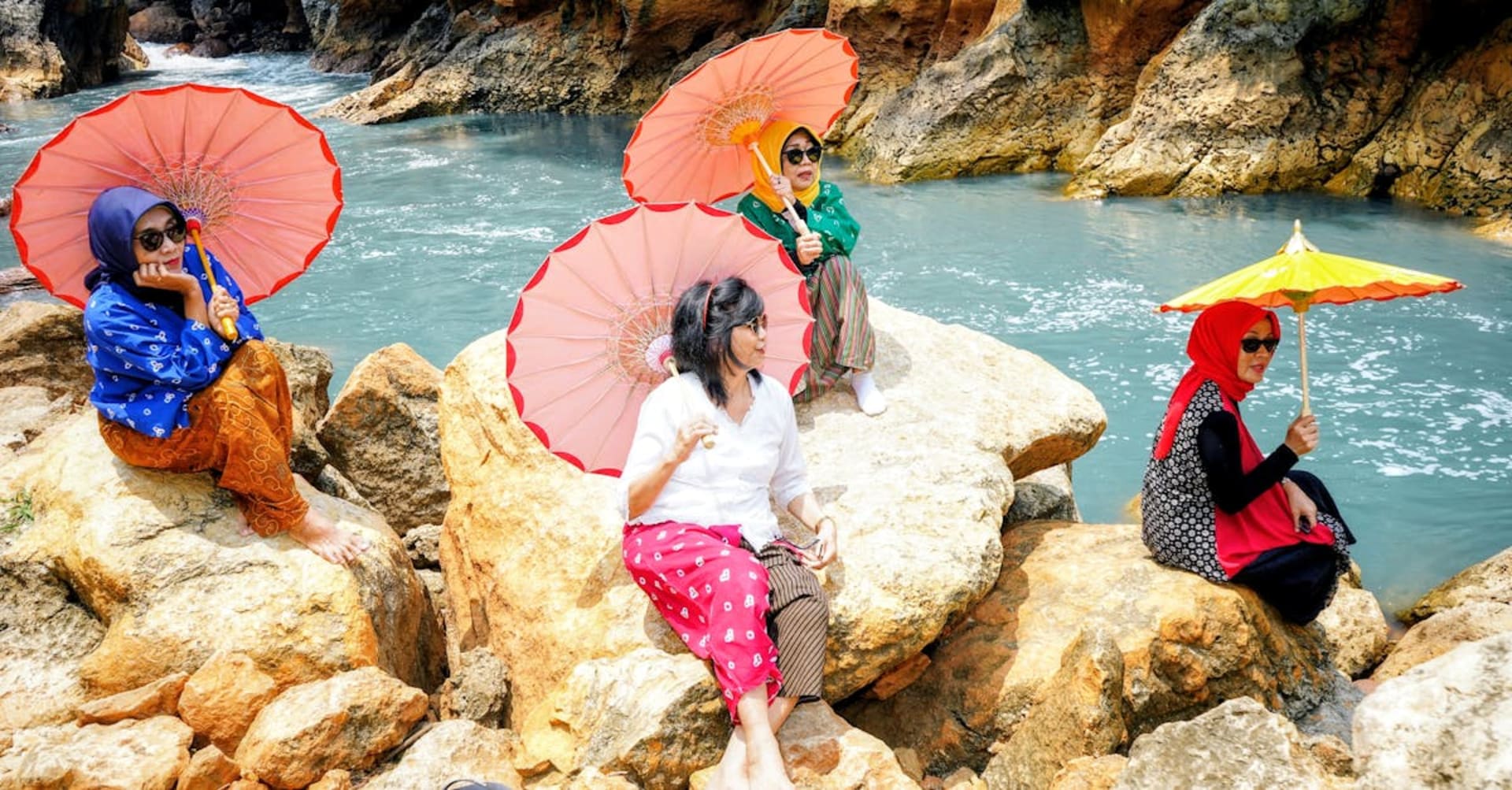
Lombok sits thirty-five kilometers east of Bali across the Lombok Strait, but the cultural distance is far greater. Where Bali is Hindu, Lombok is predominantly Sasak Muslim. Where Bali has been shaped by decades of international tourism, Lombok is still figuring out how much it wants. The south coast has some of the best surf breaks in Indonesia — Desert Point, a legendary left-hander, draws serious surfers from around the world — and the interior is dominated by Mount Rinjani, a 3,726-meter active volcano with a crater lake that is one of the most beautiful sights in the archipelago.
The Gili Islands — Trawangan, Meno, and Air — sit off Lombok’s northwest coast and have become a destination in their own right. Trawangan is the party island, Meno is the quiet one, and Air is the compromise. All three have excellent snorkeling and diving, no motorized vehicles (transport is by horse cart or bicycle), and a pace that makes Bali feel metropolitan. The reefs here have recovered remarkably from a bleaching event and the turtle population is thriving. I spent four days on Gili Air once, doing nothing more than snorkeling in the morning, reading in a hammock through the afternoon, and eating grilled fish on the beach at sunset. It was the kind of simplicity that felt like a luxury.
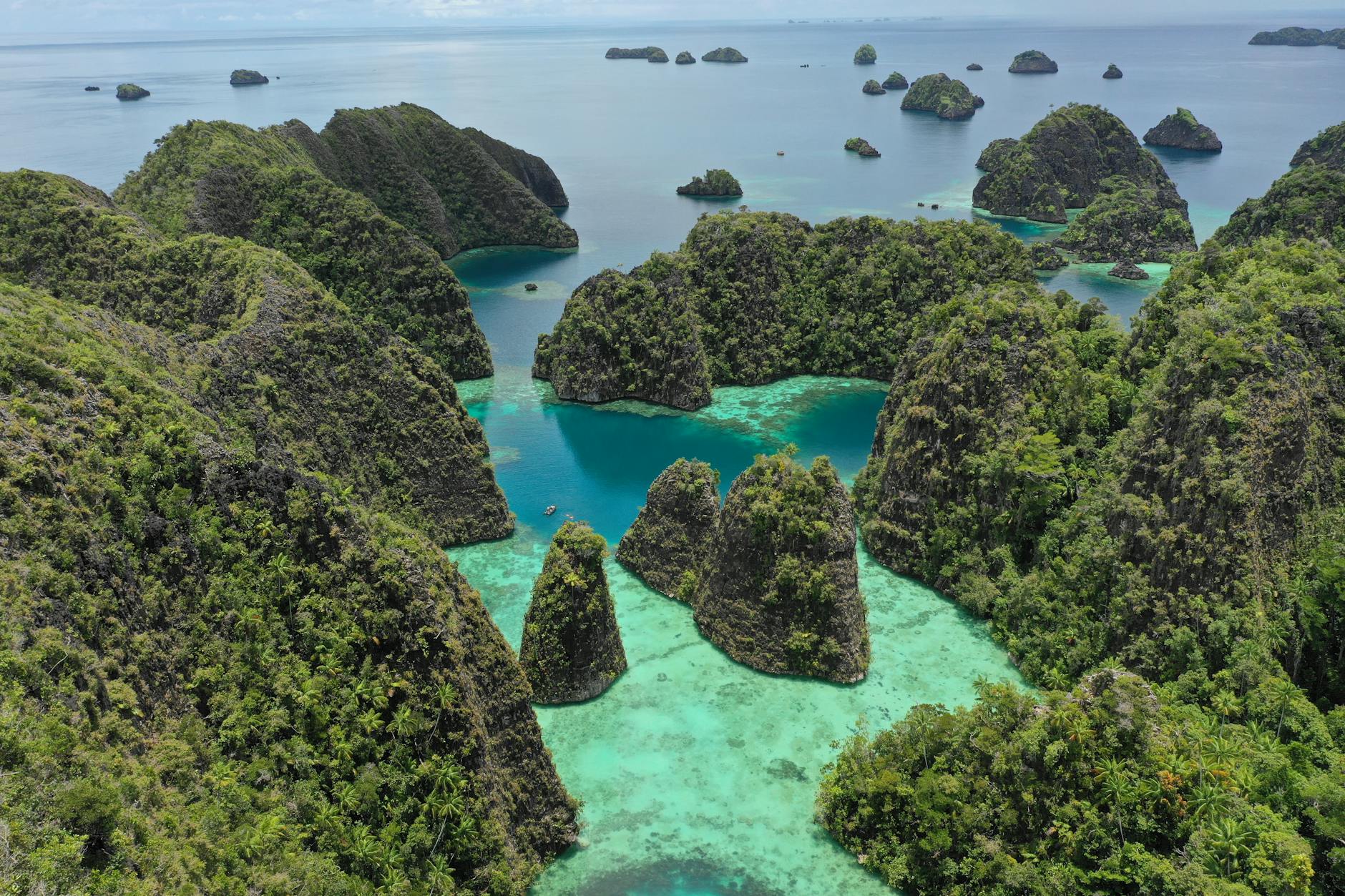
Kuta Lombok (not to be confused with Bali’s Kuta) is a small town on the south coast surrounded by a string of bays so beautiful they look computer-generated. Tanjung Aan has turquoise water and two types of sand — fine and peppercorn — on the same beach. Mawun is a sheltered crescent backed by green hills. Selong Belanak has a gentle break perfect for learning to surf. Renting a motorbike and spending a day exploring these bays, stopping at whichever one catches your eye, is one of the best days you can have in Indonesia. The roads between them wind through dry, hilly terrain dotted with Sasak villages where the traditional thatched-roof houses and the sound of the call to prayer anchor you in a culture that is entirely distinct from Bali’s.
Mount Rinjani is a two-to-three-day trek to the crater rim or summit. The views from the rim at sunrise — the crater lake, Segara Anak, a thousand meters below, with the smaller volcanic cone rising from its center — are among the most dramatic in Southeast Asia. The hike is demanding but not technical. Go with a local guide; the routes are not always obvious. The hot springs on the lake shore reward the descent, and the sense of accomplishment at the summit is the kind that stays with you long after the muscle soreness fades.
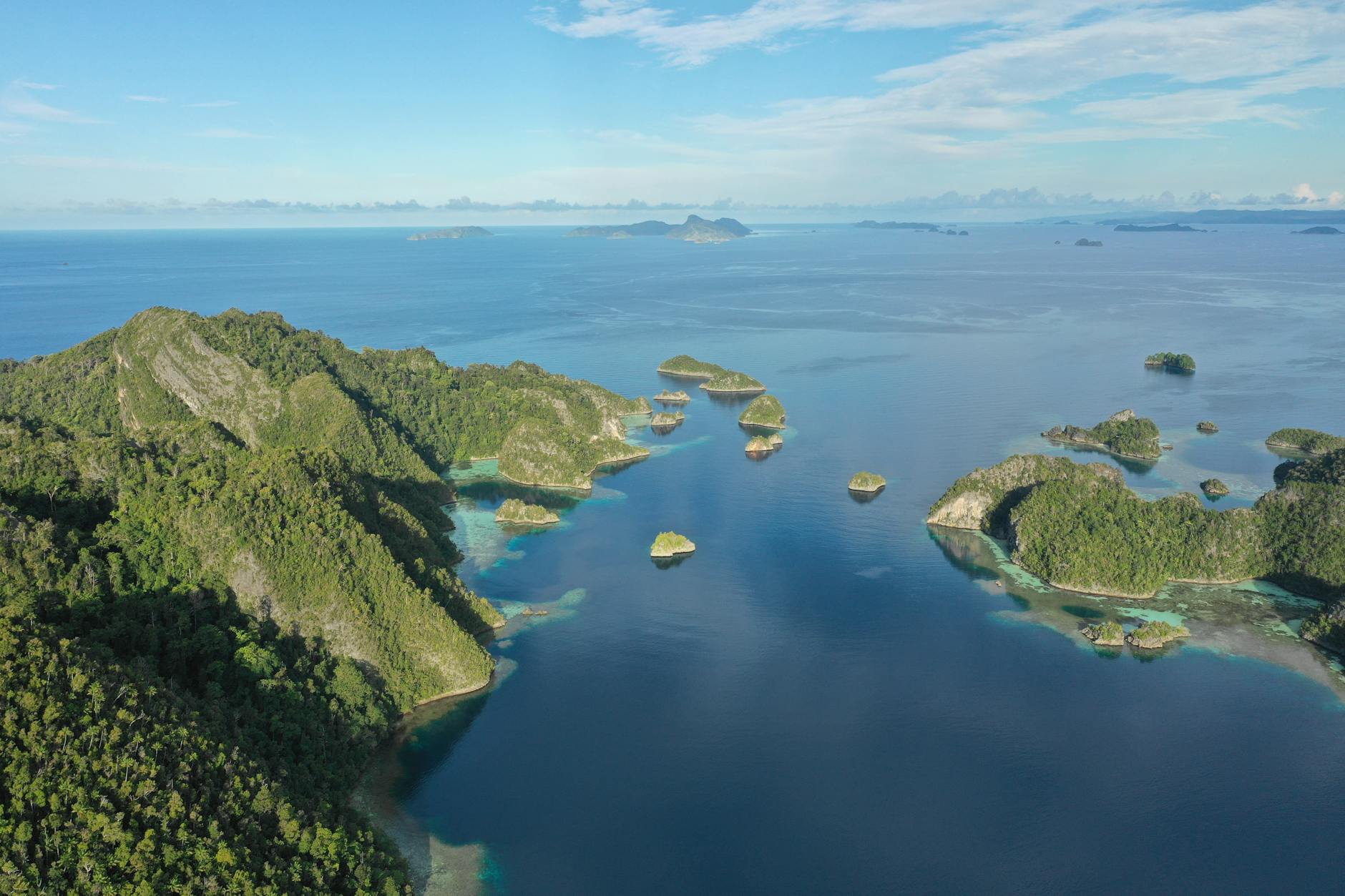
The Sasak culture of Lombok deserves more attention than it receives. The traditional villages of Sade and Ende, with their distinctive lumbung rice barns and hand-woven ikat textiles, offer a window into a way of life that the Gili party scene tends to overshadow. The weaving tradition, in particular, is extraordinary — the patterns encode clan identity, marital status, and spiritual protection, and watching a Sasak woman work a backstrap loom is watching centuries of knowledge move through practiced hands.
When to go: April to September. The Rinjani trek is only safe in dry season. The Gilis are year-round but calmest from April to October.