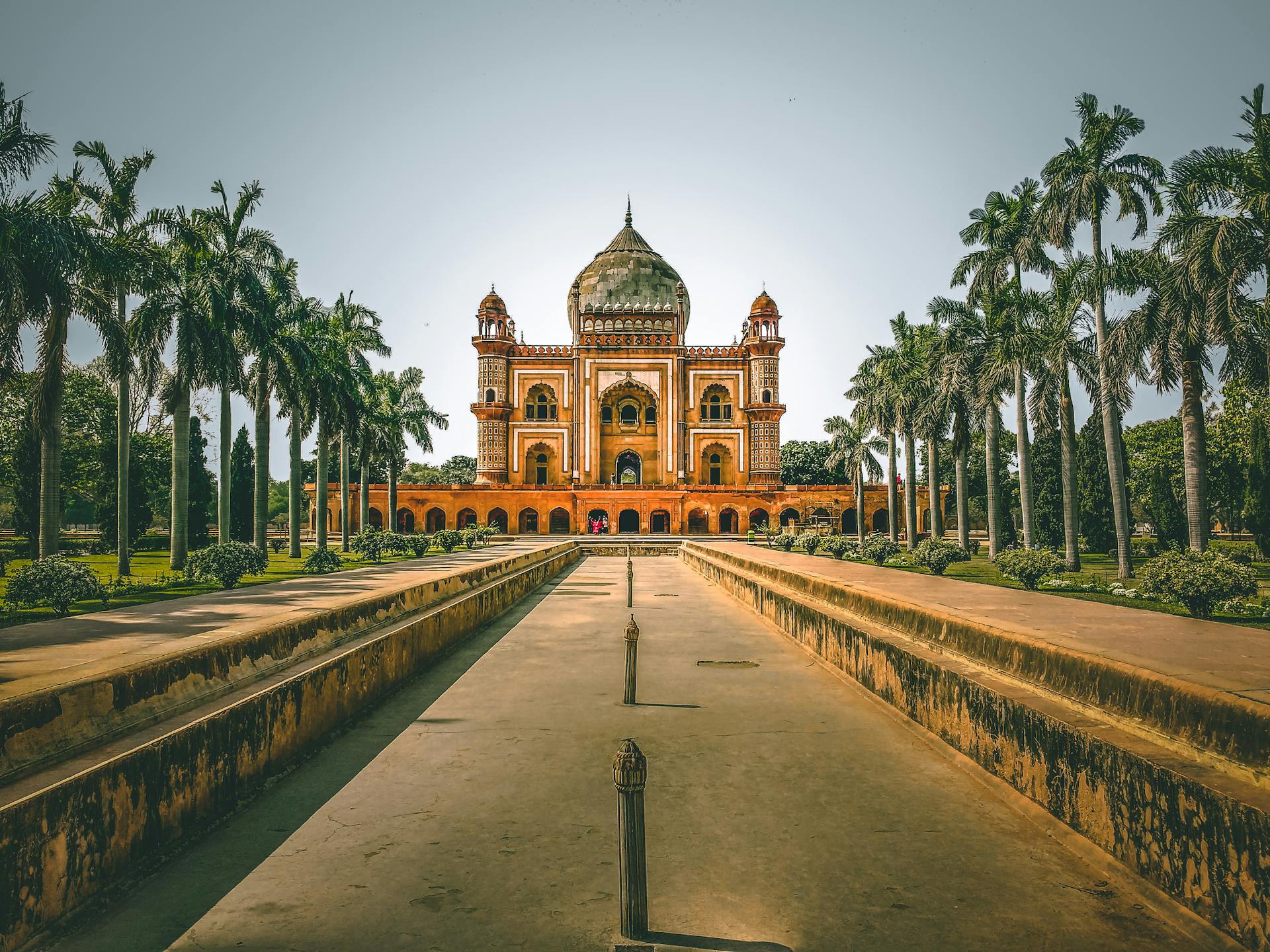
Asia
India
"The country that makes everywhere else feel quiet."
India does not ease you in. It arrives all at once — the heat, the sound, the color, the smell of cumin hitting hot oil from a street cart at six in the morning. There is no other country on earth where the sensory volume is turned this high, and no other country where the reward for enduring the overwhelm is this large. India is staggering in the literal sense: it staggers you, it rearranges your assumptions about scale, about history, about what food can be. The distance between Rajasthan and Kerala is not just geographic — it is civilizational. Different languages, different gods, different ways of folding bread.
Rajasthan is where most first-timers land, and it earns the attention. Jaipur, Jodhpur, Udaipur, Jaisalmer — each city a different color, each fort a different dynasty, each meal a different approach to spice and heat. But the India that stays with you longest may be in the south. Kerala’s backwaters are a world of green waterways, coconut groves, and fish curries built on tamarind and black pepper. Tamil Nadu’s temple cities — Madurai, Thanjavur, Mahabalipuram — contain some of the most extraordinary architecture the human species has produced, and almost no international tourists.
When to go: October to March is the classic season for most of India — cool, dry, and manageable. Rajasthan is best from November to February. Kerala is lovely year-round but driest from December to March. Avoid the pre-monsoon heat of April to June unless you enjoy temperatures that feel personal.
What most guides get wrong: They try to see too much. India punishes rushed itineraries and rewards depth. Pick one region — Rajasthan, Kerala, the Himalayan foothills, the northeast — and give it two to three weeks. Trying to do the Golden Triangle in five days is how people come home saying India was exhausting rather than extraordinary.
Explore
Places in India
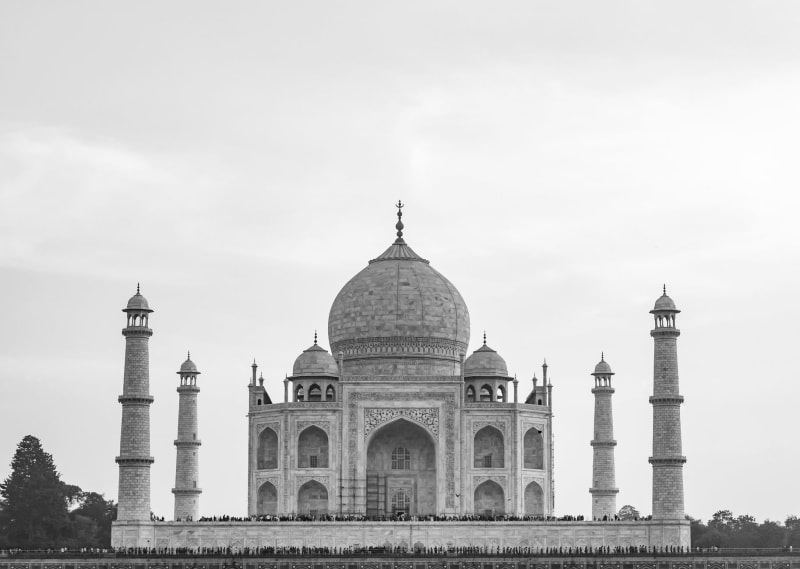
Agra
The city of the Taj Mahal, where the most famous building on earth shares its streets with a magnificent red fort and a chaos that no monument can sanitise.
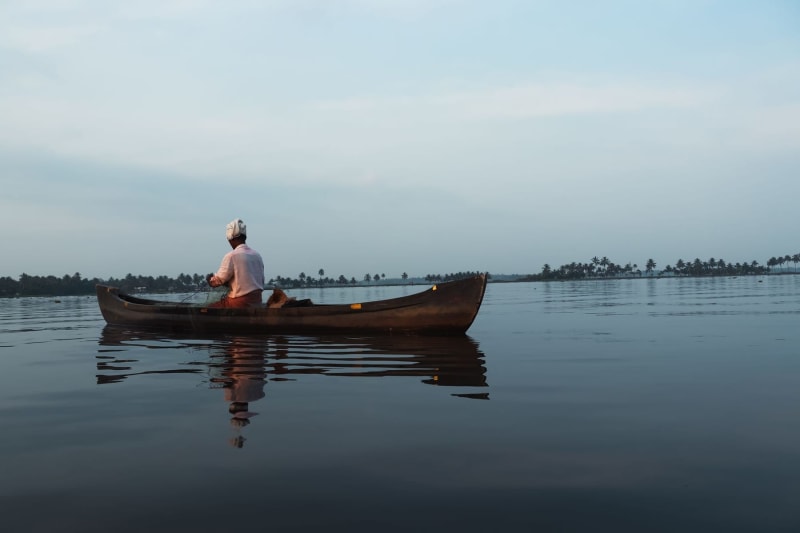
Alappuzha Backwaters
Overnight on a converted rice boat through 900km of Kerala waterways, coconut palms at water level.
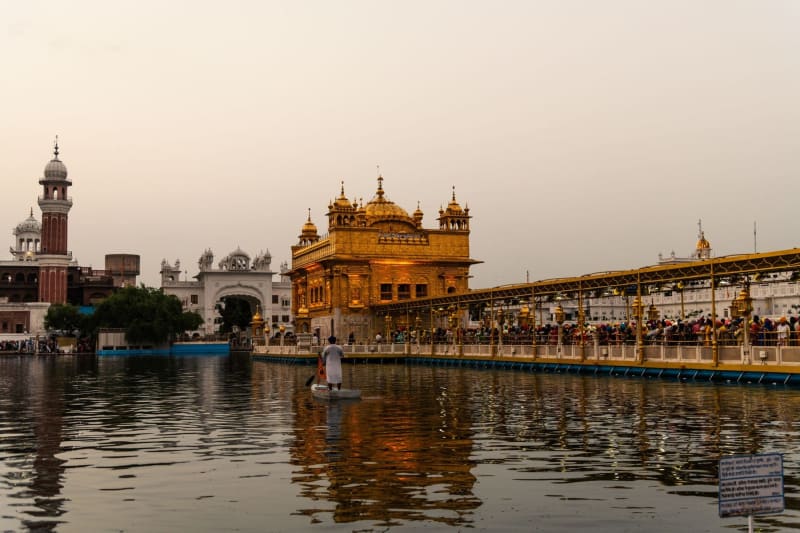
Amritsar
The Golden Temple floats in its sacred pool, feeding thousands daily regardless of faith.

Coorg
The Scotland of India — coffee estates, monsoon mist, and Kodava warrior culture in the Western Ghats.
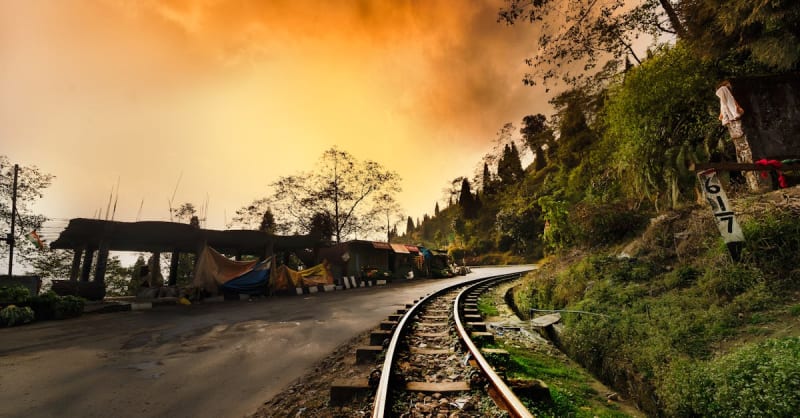
Darjeeling
A hill station perched above the clouds where tea plantations cascade toward the Himalayas and a toy train chugs through the mist.
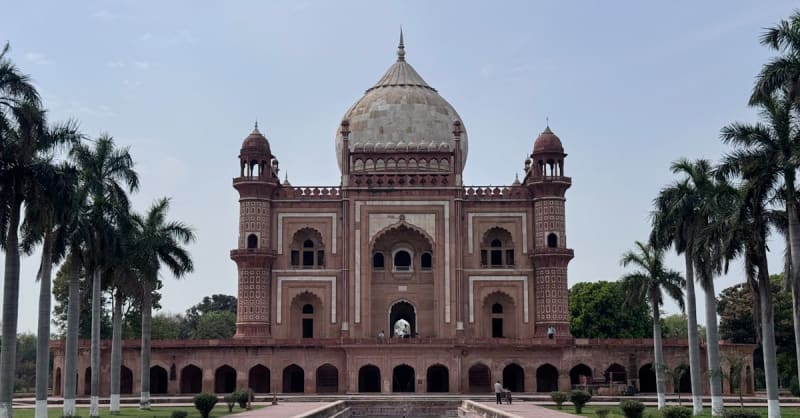
Delhi
A city of seven ancient capitals layered on top of one another, where Mughal tombs and modern chaos coexist with startling intensity.

Goa
A former Portuguese colony where Latin churches stand beside Hindu temples and the beaches range from full-moon raves to complete solitude.
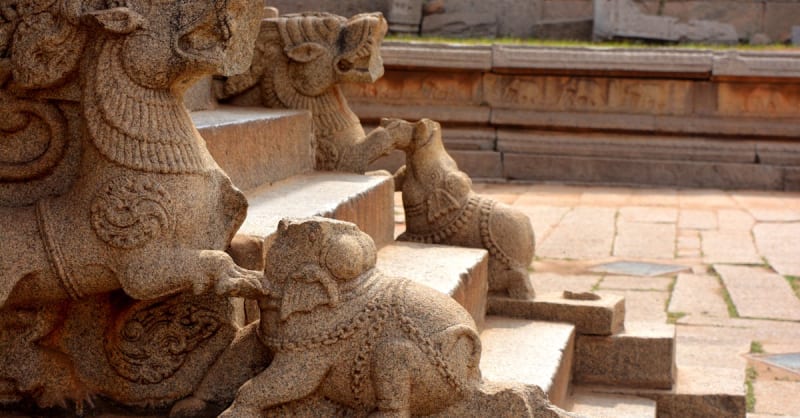
Hampi
A surreal landscape of boulder-strewn hills and ruined temples where the capital of a forgotten empire crumbles beautifully into the earth.
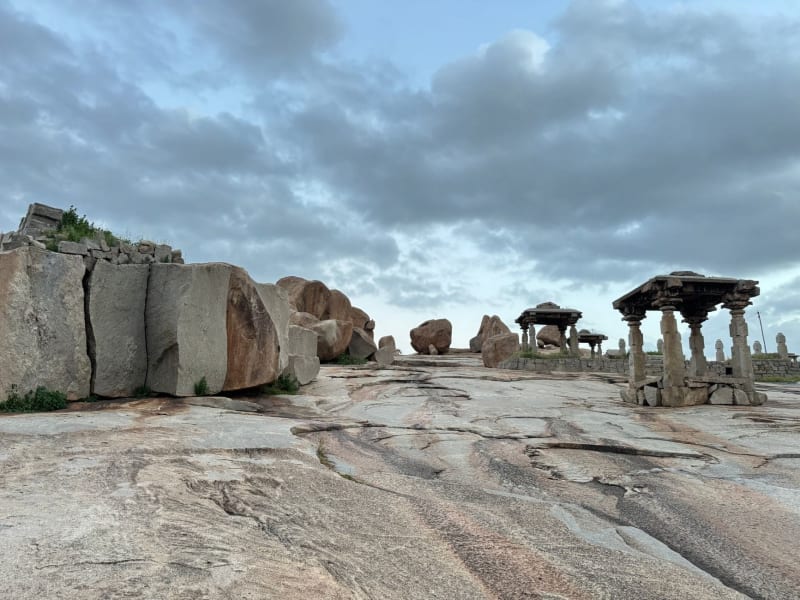
Hampi Boulderscape
Vijayanagara Empire ruins scattered among surreal granite boulders on a river bend in Karnataka.
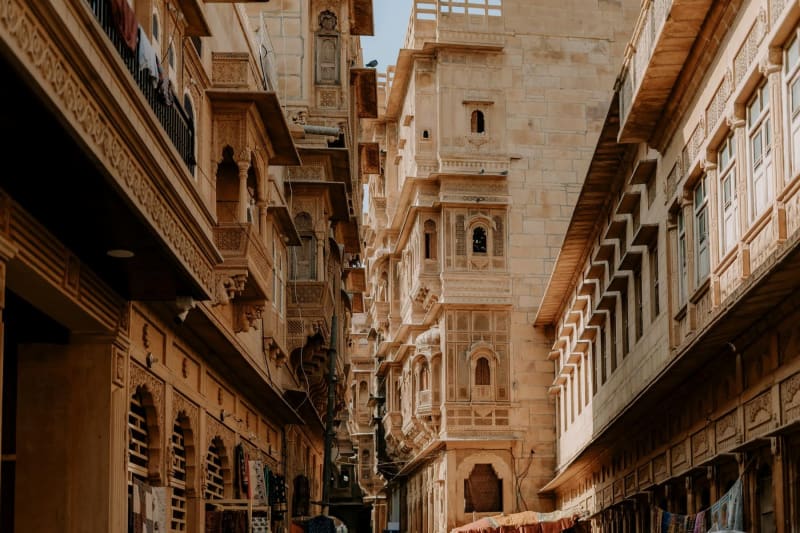
Jaisalmer
A living golden sandstone fort rising from the Thar Desert, where families still live inside its medieval walls.
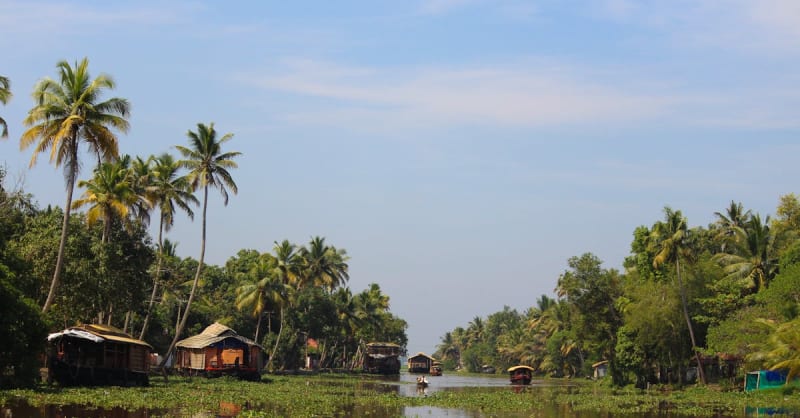
Kerala
A sliver of tropical coast where palm-fringed backwaters, spice plantations, and Ayurvedic tradition create India at its most serene.
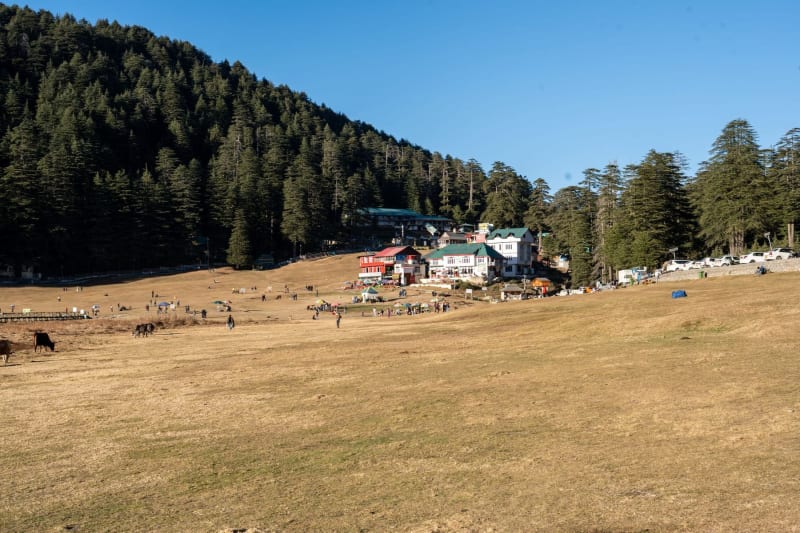
Khajjiar
A high-altitude meadow ringed by deodars in Himachal Pradesh, called the mini-Switzerland of India by the Swiss consul in 1992.
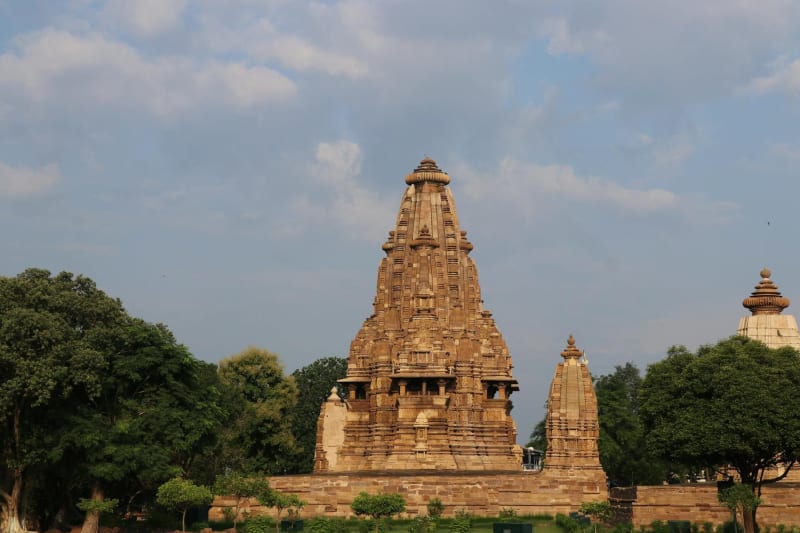
Khajuraho
Chandela temples whose intricate erotic carvings are, against all expectation, a meditation on human joy.
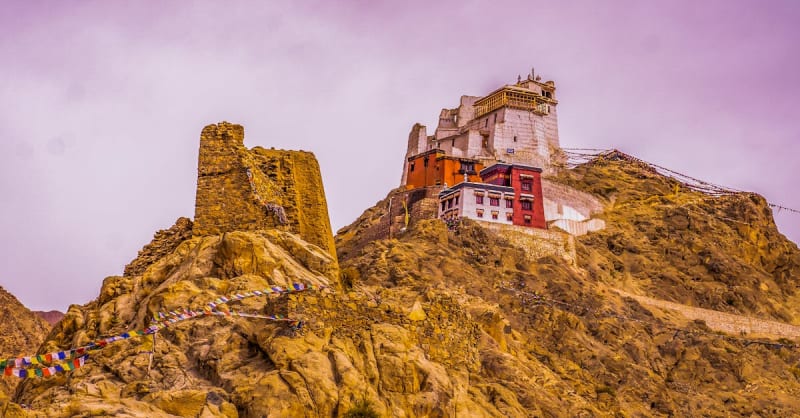
Ladakh
A high-altitude desert of monasteries, mountain passes, and turquoise lakes where the earth meets the sky at 3,500 metres.
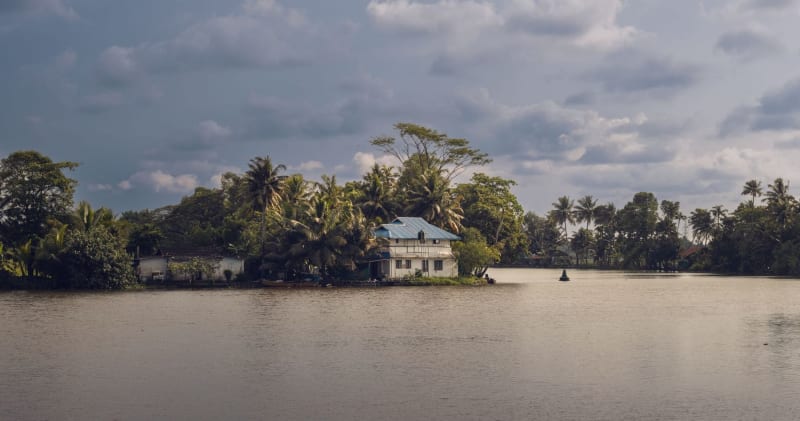
Majuli Island
The world's largest river island in the Brahmaputra, home to Vaishnavite monasteries and vanishing Mising tribal culture.

Mumbai
India's maximum city -- a relentless, cinematic metropolis where Bollywood dreams and street-food reality collide on every corner.
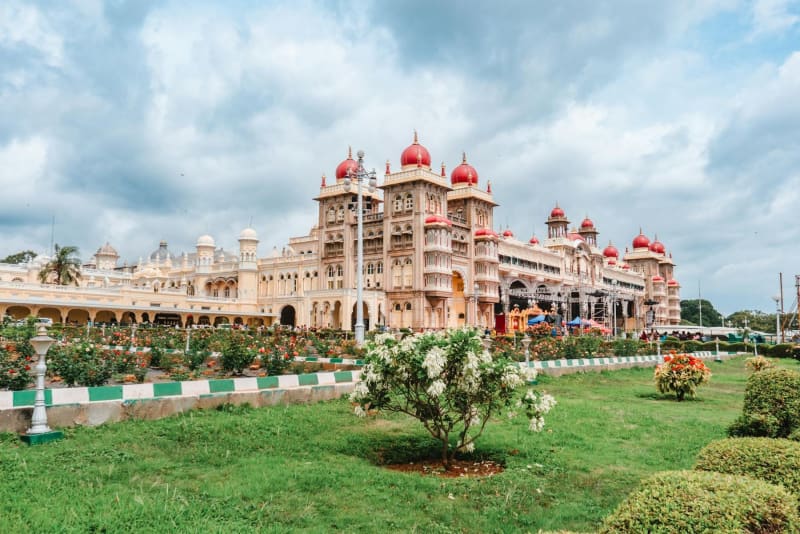
Mysore
The city of palaces and sandalwood, where the maharaja's palace blazes with ten thousand bulbs at dusk.
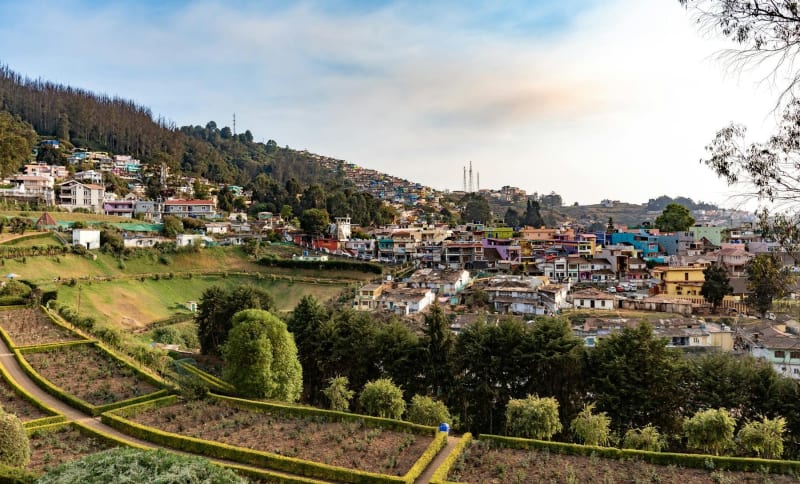
Ooty
The Nilgiri toy train climbs through eucalyptus and tea estates to a British hill station in the clouds.
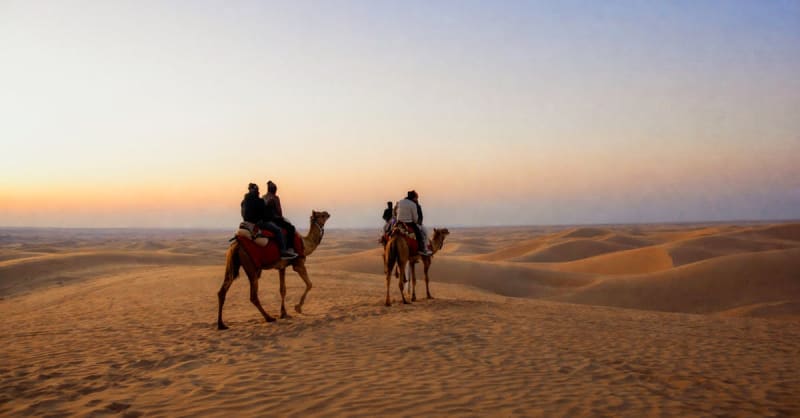
Rajasthan
A desert kingdom of amber forts, blue cities, and a colour palette so vivid it makes the rest of the world look faded.
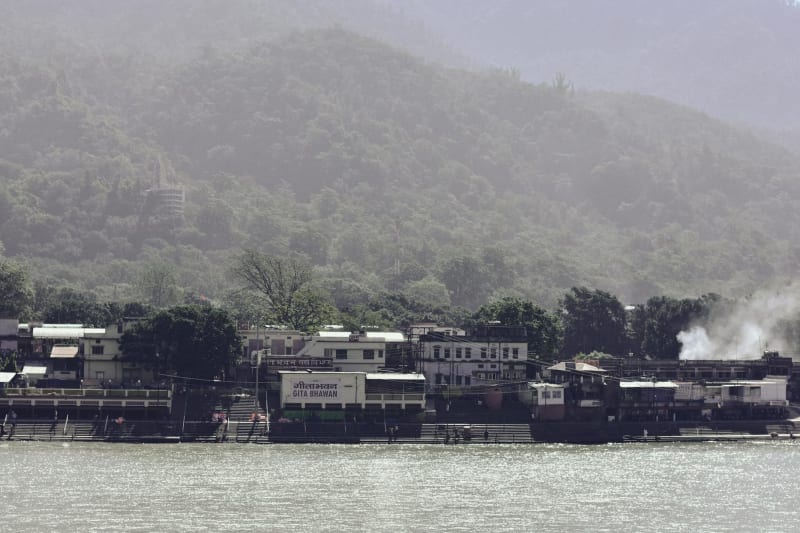
Rishikesh
The yoga capital of the world where the Ganges rushes cold from the Himalayas past ashrams and suspension bridges.
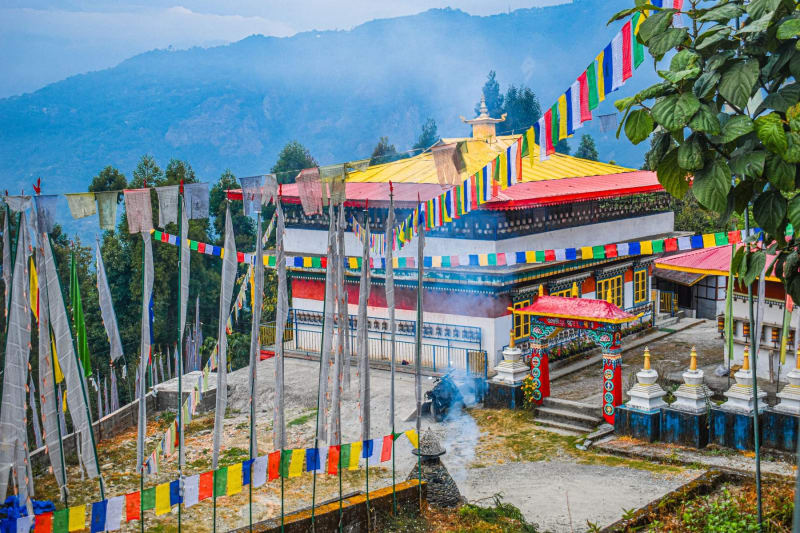
Sikkim
Himalayan kingdom with Buddhist monasteries, cardamom forests, and views of the world's third-highest peak.
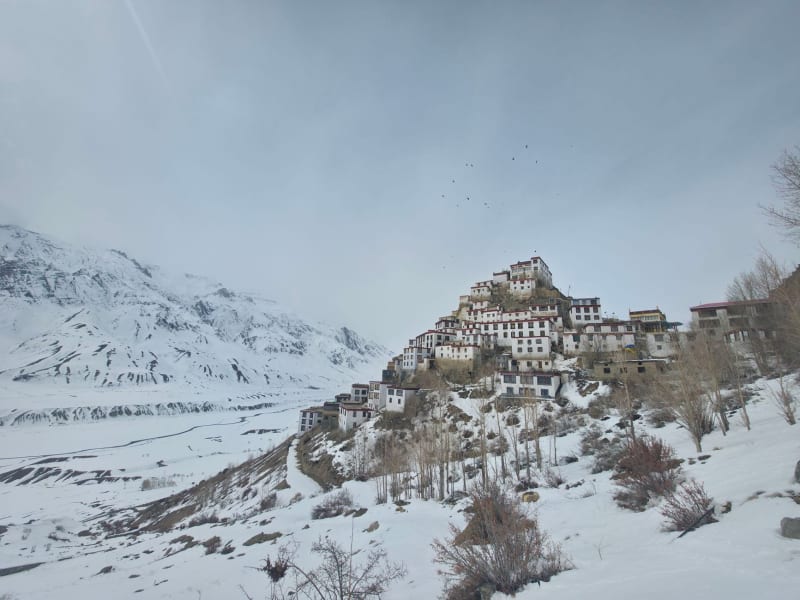
Spiti Valley
Cold desert valley at 4,000m with white-plastered monasteries clinging to ochre cliffs.
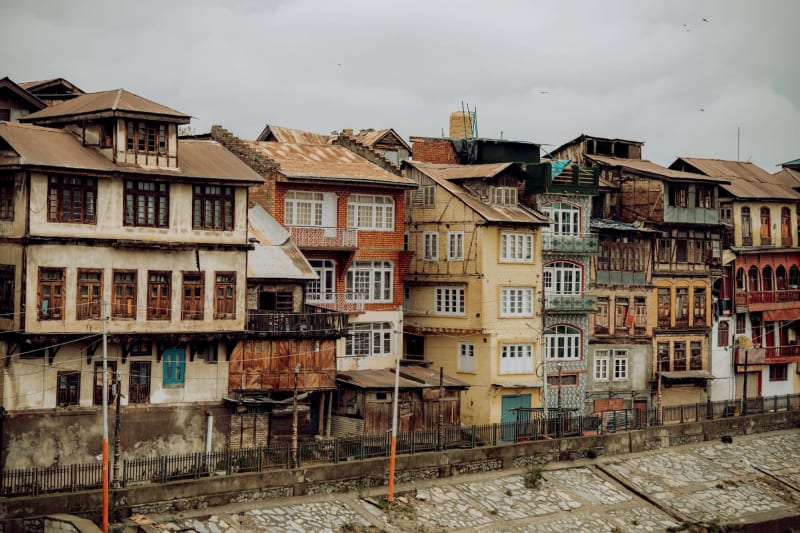
Srinagar
Saffron fields, Mughal gardens, and hand-carved shikaras on Dal Lake in the Valley of Kashmir.
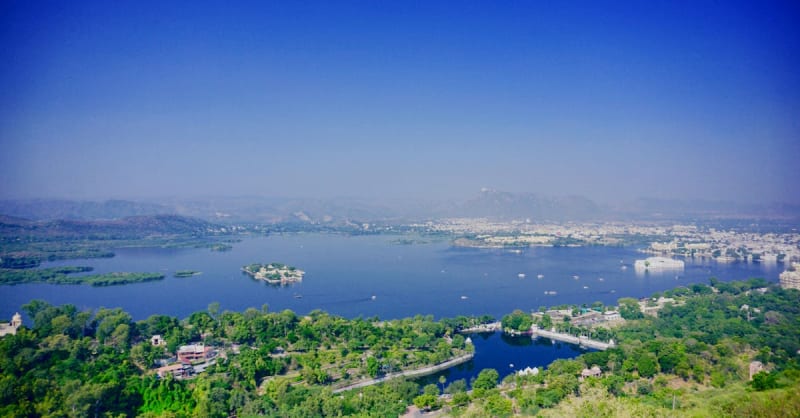
Udaipur
The city of lakes, where white marble palaces float on still water and the romance of Rajasthan reaches its most refined expression.
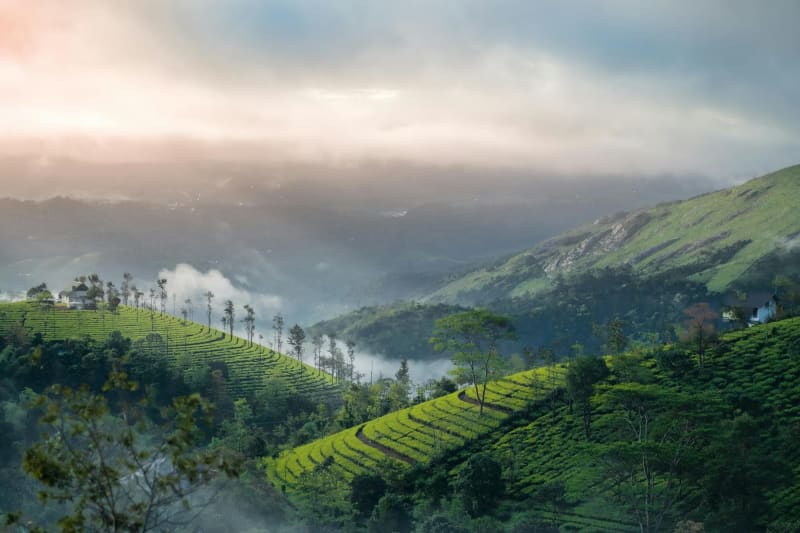
Vagamon
Rolling meadows and pine forests in the Kerala highlands above Kottayam, without Munnar's traffic and tea-shop queues.
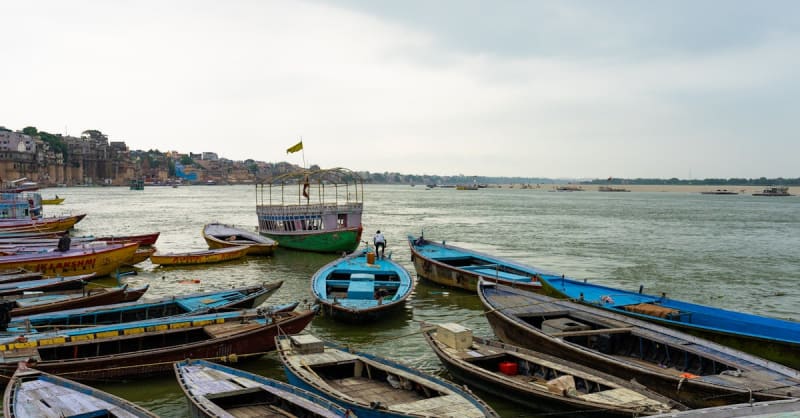
Varanasi
The oldest living city on earth, where the Ganges receives the dead, the living, and the prayers of a billion people.
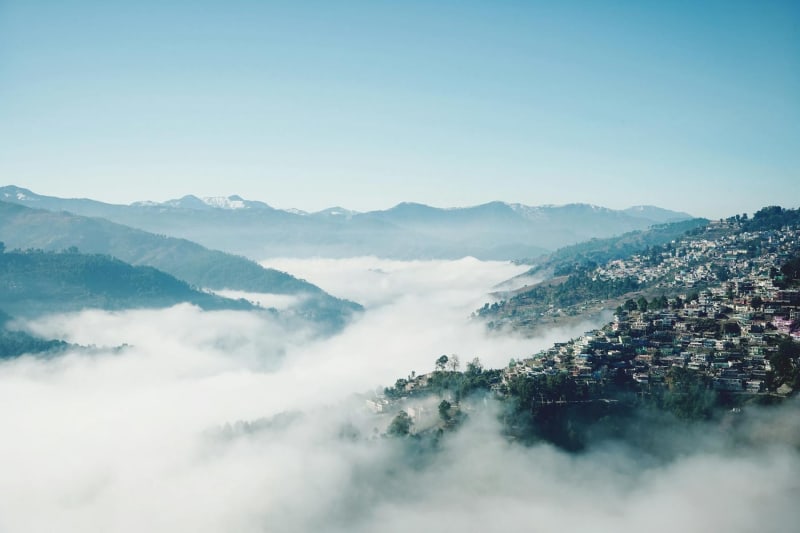
Ziro Valley
A UNESCO-proposed valley in Arunachal Pradesh where Apatani women once wore nose plugs and rice fields mirror the sky.

Free download
Get the India Guide
A curated PDF itinerary with honest picks, real restaurants, and the details that matter — the kind you'd actually print and bring.
Download the guide